[Built on China] China Industrial Expansion Abroad Isn't a One-Way Street, Consider Malaysia
Editor's note:
China's manufacturing base is both a source of competition and infrastructure that businesses elsewhere can build on. Its factories, machinery and supplier networks can help firms make new products, develop skills and win customers. In "Built on China: The Upside, the Dependency, the Deals," a series designed for APEC, we ask what businesses across the Asia-Pacific gain from that access, what they come to depend on and which deals give them room to grow on their own terms.
The dominant narrative that China's industrial expansion overseas is a zero-sum game, where a Chinese company sells a product and the foreign market is disadvantaged, is fast becoming obsolete. Malaysia is a case in point, telling a rather different story of mutual benefit.
Take, for example, Malaysia's EP Manufacturing, formerly just a conventional auto-parts supplier serving Japanese brands. Today, its factory in Melaka assembles models for Chinese electric-vehicle maker Xpeng, Beijing Automotive Industry Corp, Shanghai-based SAIC and Great Wall Motor.
A US$30 million investment to upgrade to its paint shop was not a gift from a Chinese partner; it was the company's own bet that Chinese brands would become a core growth engine.
That bet has rippled through Malaysia's auto-parts industry, with 600 domestic companies now enjoying orders once closed to them. Chinese automakers BYD and Geely Holding are among those now sourcing rubber, plastics and electronics locally.
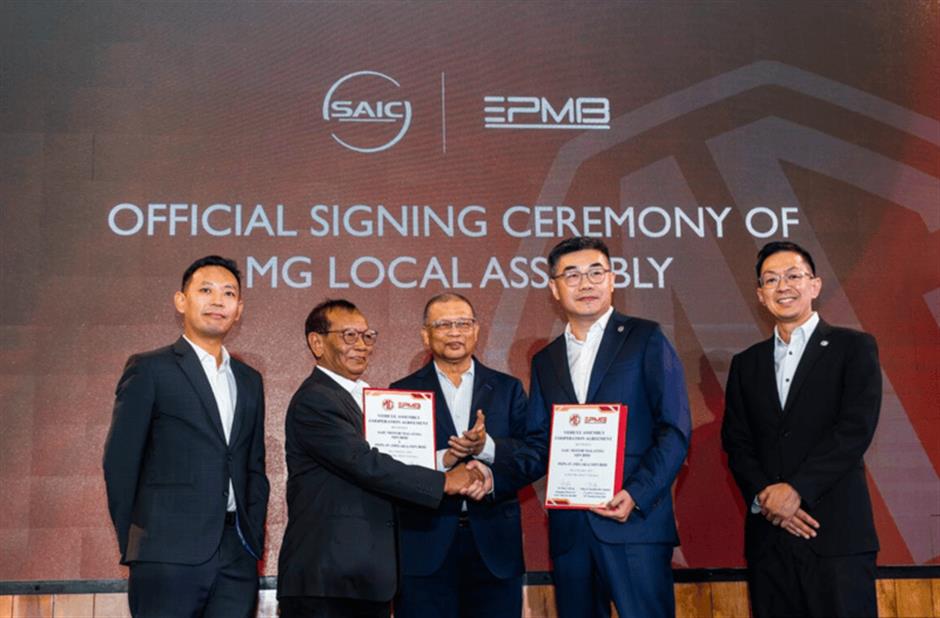
Moreover, Sime Darby Motors has been named an assembly partner for BYD, and Bermaz Auto has a distribution deal with Xpeng.
Malaysian Deputy Prime Minister Ahmad Zahid Hamid said last week that a visiting Chinese business delegation indicated intentions to invest US$15 billion in Malaysia, across sectors that including electrical and electronics, semiconductors, energy, life sciences and digital transformation. He said the 58 businesspeople expressed confidence in Malaysia, particularly in high-tech and value-added sectors. The Malaysian Journal of Economic Studies says China has been Malaysia's biggest trading partner for 17 years, but heavy Chinese investment shifted into high gear only beginning in 2023.
The deeper point here is structural. Chinese companies are bringing product technology and capital to the equation; Malaysian companies are contributing regulatory knowledge, dealer networks and customer trust. Success depends on both sides.
Companies in the Southeast Asian nation are gearing up for greater collaboration. Tan Chong Motor Holdings is looking at battery pack assembly for electric vehicles in a venture with Wenzhou-based venture and lithium-ion battery manufacturer Saike REPT Power Battery System.
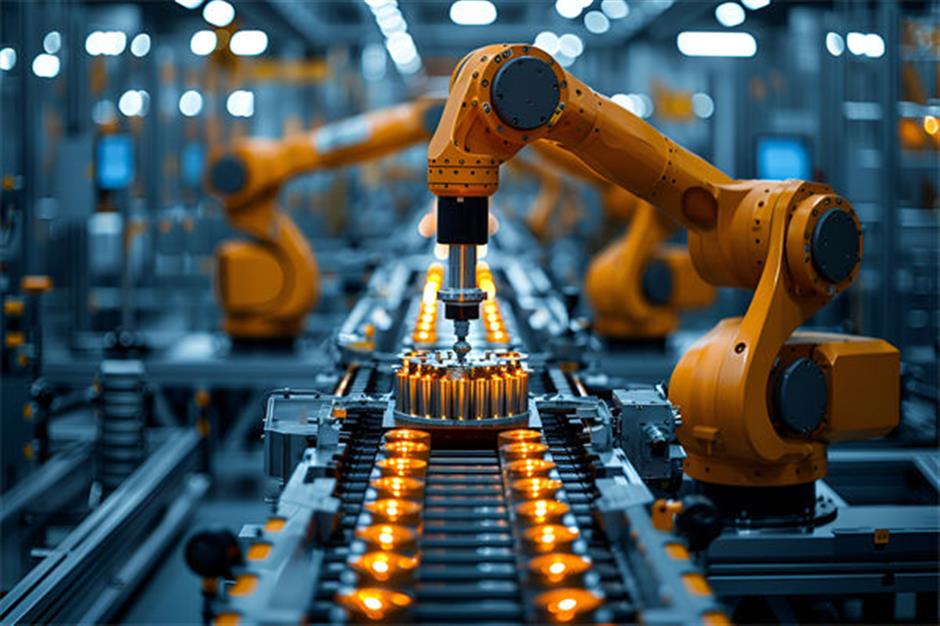
Automaking isn't the only sector where Chinese and Malaysian companies are finding mutual benefit. Robotics is also an up-and-coming story, where the electric-car industry is leveraging its smart technologies. In smart manufacturing, Chinese companies are selling AI-driven laser-cutting and intelligent punching systems to Malaysian suppliers serving semiconductor and medical-device clients. They may benefit upfront, but the real prize is what comes afterward. Malaysian engineers are learning to program, maintain and reproduce systems that would have cost twice the price to source from traditional German or Japanese companies.
Beijing-based Maimai Technology has received orders this year for over 20,000 special-purpose robots to be deployed in durian harvesting, palm-plantation inspection and rubber tapping in Malaysia. For the local companies that will install them, it's a source of revenue. For Malaysian agriculture, the robots address a chronic labor shortage.
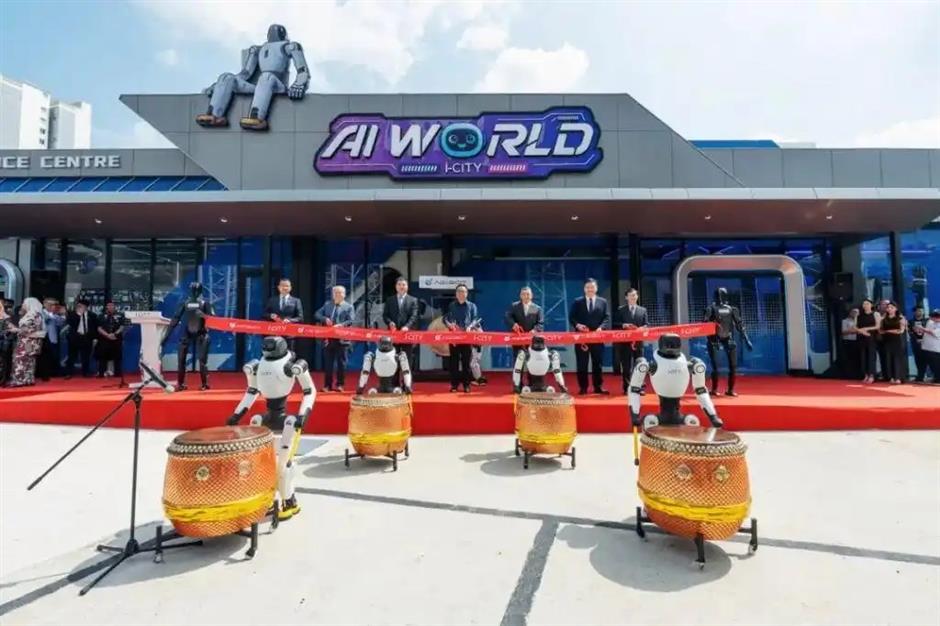
Similarly, China robotics maker Agibot opened a center in a Malaysian flagship AI-integrated urban development project in Selangor, and Beijing-based Neolix Technologies signed a distribution pact with Malaysia's Sunway Group for autonomous delivery services across integrated townships and malls.
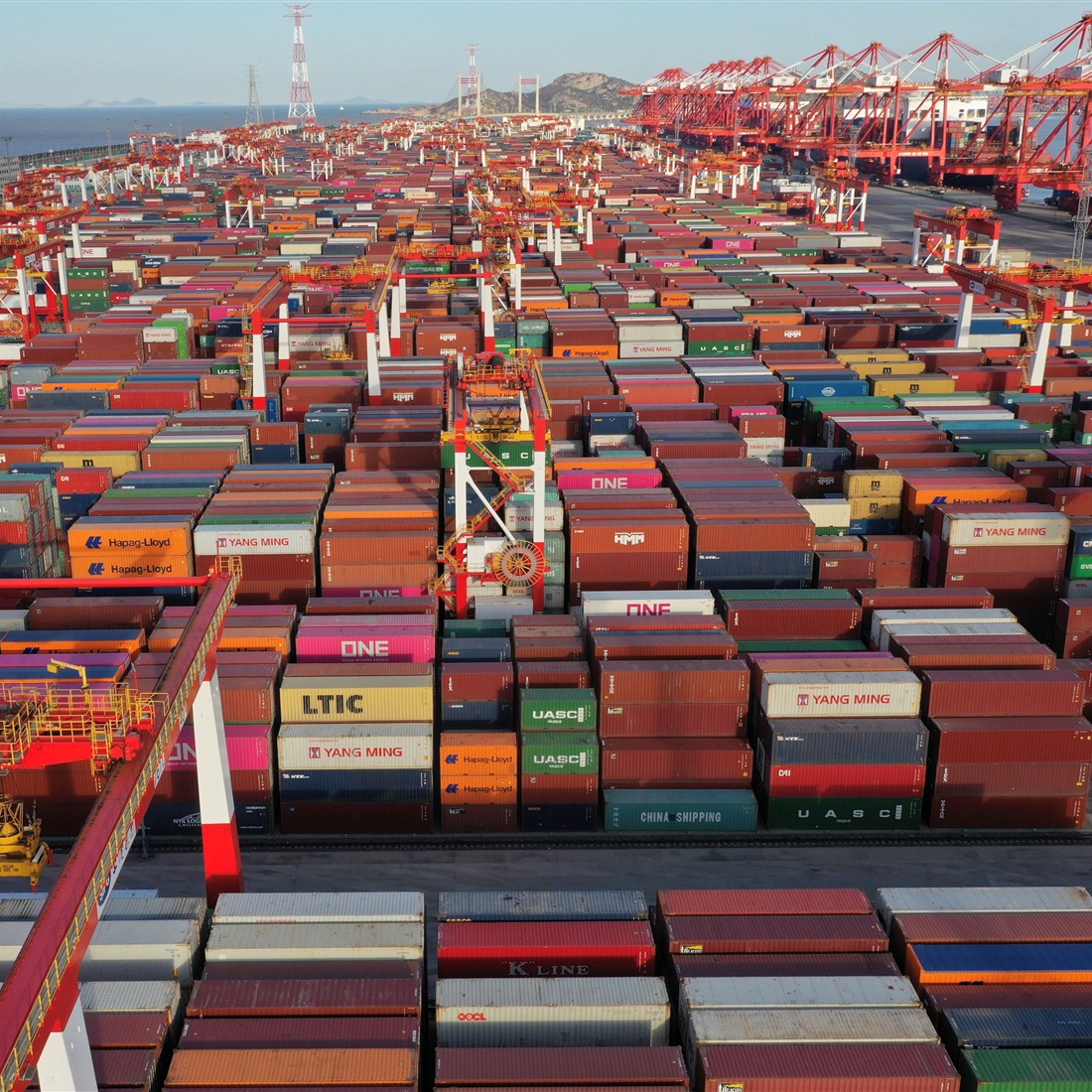
A Chinese joint venture with Malaysia's Alliance Steel, the nation's largest full-processing mill, has grown into a major supplier of high-grade steel to domestic automotive and construction sectors, turning Malaysia from a net steel importer into an exporter. The project has shifted from raw-material exporter into finished-goods transshipment. Every layer of that ecosystem – from port operators and logistics firms to steel fabricators – is a local company whose revenue base expanded because Chinese investment landed on its shores.
The most consequential result of this cross-border integration may not appear on any balance sheet. Technology transfer and skills upgrading create benefits that will outlive any single contract. Chinese automakers send Malaysian technicians to training programs in Shanghai and Shenzhen. Malaysian vocational schools are rewriting curricula around electric-vehicle maintenance and industrial robotics, with Chinese equipment donations and instructor exchanges.
What these Malaysian examples ultimately demonstrate is that framing industrial ties as simply "Chinese threat" versus "local victim" is inaccurate. Chinese overseas sales of electric vehicles, robots and industrial equipment are not a one-way street. They are the advent of ecosystems where local assemblers, distributors, component makers, plantation operators, property developers and logistics firms all benefit.
Foreign countries that view Chinese entry purely as a competitive threat risk forfeiting the spillovers that matter most – skills, standards and supply-chain integration. Conversely, Chinese firms that approach overseas markets as purely export plays without investing in local partners, will find themselves confronting a backlash. The issue then comes how thoughtfully developing countries will embrace and integrate Chinese expertise to the best advantage.
(The author is an assistant research fellow at the Institute of Sociology, Shanghai Academy of Social Sciences).
Editor: Liu Qi
In Case You Missed It...
 Nov 17, 2026