Chinese Auto-Supply Expansion Is Helping, Not Strangling, European Industry
An article from the Financial Times caught my attention recently. Entitled "China tightens grip on Europe's car supply chain," the piece claims that Chinese auto-parts makers are quietly seizing control of the European automotive supply chain through a series of stealthy, small-scale acquisitions.
However, if we peel away the geopolitical panic and shift our focus to actual business cases and industrial implementations, we find bias. By examining representative Sino-European auto industry projects in recent years and looking ahead to future trends, there is a clearer picture of the true landscape of Chinese capital expansion in Europe.
In its story, the Financial Times focuses on stealthy acquisitions valued at under 100 million euros (US$108 million) – "too small to trigger intervention from Europe's regulators." It suggests that Chinese companies are breaking their investments into smaller pieces to evade regulatory scrutiny. However, this perspective completely obscures the true trend led by China's industrial chain in Europe, which is dominated by large-scale, heavy-asset and highly transparent "greenfield investments," or building factories directly from scratch.
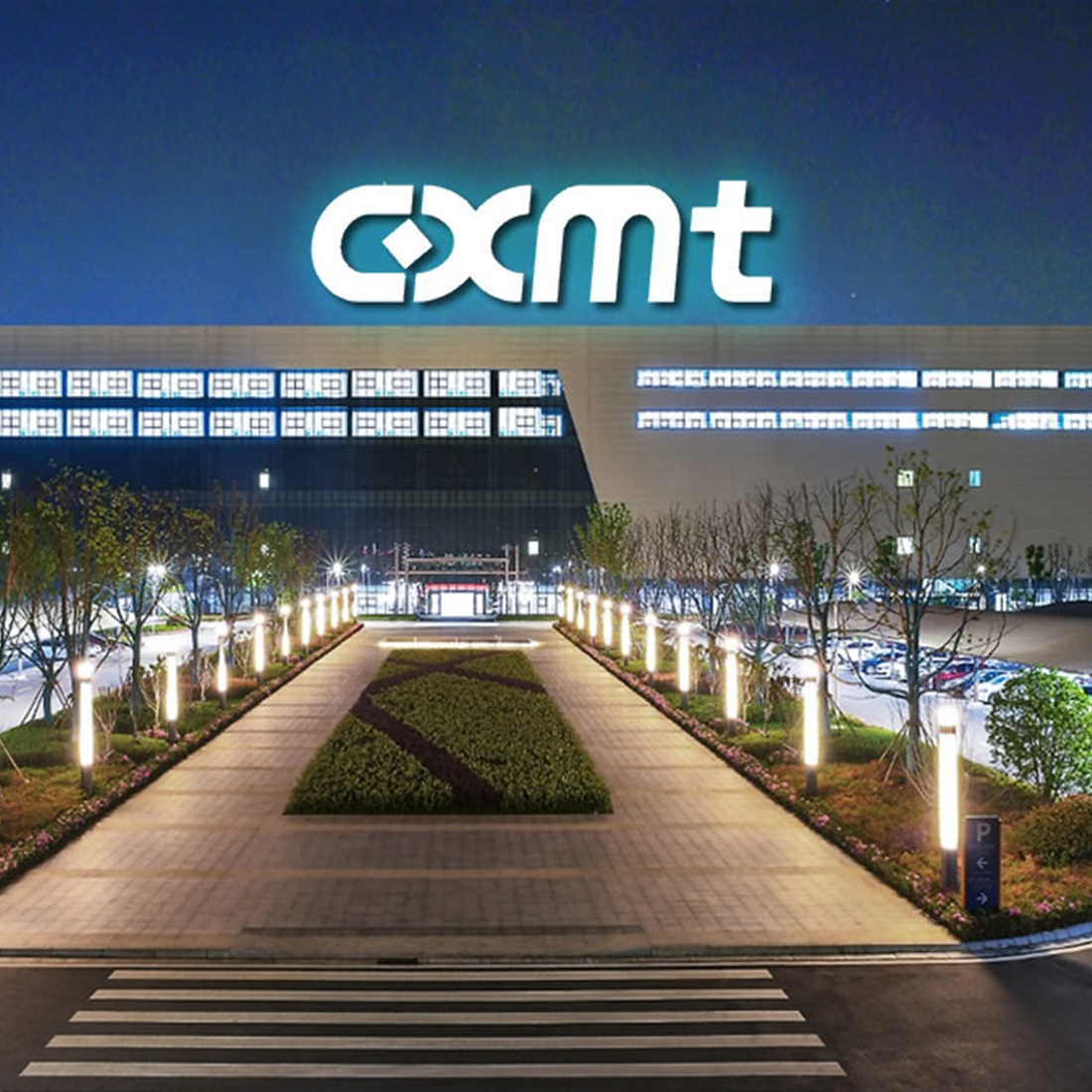
Data from the think tank Rhodium Group shows that in 2025, direct Chinese investment in Europe reached 16.8 billion euros, of which a record-breaking 9 billion euros flowed directly into newly built factories, driven by battery and auto supply-chain projects from companies like Contemporary Ampere Technology (CATL) and Gotion High-Tech.
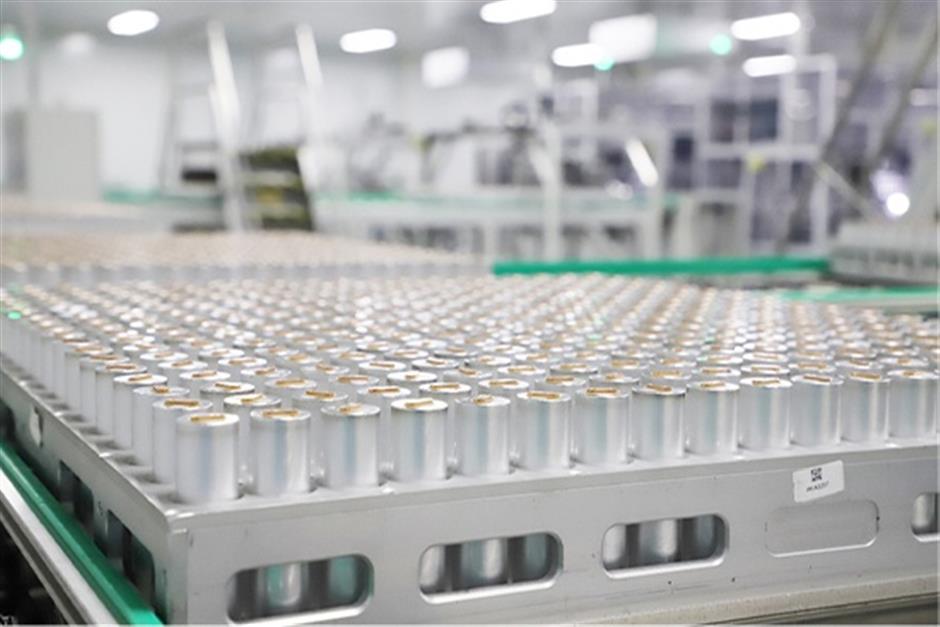
CATL invested 7.3 billion euros to build a gigafactory in Debrecen, Hungary. In the same city, another Chinese battery manufacturer, Eve Energy, invested nearly 1 billion euros to establish a plant specifically to supply large cylindrical batteries for BMW's Neue Klasse electric vehicle series.

These projects often involve billions of euros and require lengthy construction cycles. They have to pass stringent environmental assessments and public hearings in Europe, and they create tens of thousands of manufacturing jobs for the local communities.
The FT blames a decline of traditional European auto-parts factories to an invasion by Chinese capital. Yet, from the supply side of the industrial chain, this is actually the result of established European automakers and suppliers actively bringing in these players for their own survival.
Faced with the immense cost pressures of transitioning to pure electric vehicles, European car companies are in desperate need of a breakthrough. In 2024, the International Energy Agency published a report entitled "Pathways to Global EV Cost Competitiveness," saying that pure electric vehicles manufactured in China have production costs that are much lower than those in other advanced economies, such as the EU.
"Lower component costs account for nearly 40 percent of the manufacturing cost gap for EVs, driven primarily by battery economics. Average battery cell prices are more than 30 percent lower than in Europe," said the report.
It noted that this price advantage of the Chinese supply chain is comprehensive, reflecting not just on batteries but also presenting similar cost gaps across other auto parts and assembly processes.
Last year, AlixPartners held a similar view in its annual Global Automotive Outlook. The report indicated that Chinese companies have slashed the cycle from research and development to mass production for new cars by half, typically compressing the traditional 40 to 48 months to less than 24 months, while simultaneously reducing research and development investments by 40 to 50 percent.
Under this premise, the acquisition of European counterparts by Chinese enterprises becomes a natural progression.
One prime example is the acquisition of the established high-end German supplier Krämer Automotive Systems by the Chinese firm Tianyouwei Electronics in December 2025.
Krämer is a veteran German company specializing in the development of in-vehicle infotainment systems and digital cockpits, with an extremely high-end core client base that includes European luxury automakers like Porsche and Jaguar Land Rover. However, due to the sluggish pace of electrification and intelligent transition in Europe, Krämer suffered severe losses in the first half of 2025 and fell directly into an insolvency crisis by the end of June that year. Then Tianyouwei stepped in to acquire it at the end of 2025, promising not only to keep hands off the original German management team but also to utilize its own rich product lines and powerful next-generation research and development system to inject vitality into Krämer.
Earlier in 2024, the Chinese electronics manufacturing giant Luxshare Precision acquired a 50.1 percent stake in Leoni, a century-old German wiring harness manufacturer, for approximately 525 million euros. This acquisition took place when Leoni was mired in a severe financial crisis and received the "active support" of core European clients like Volkswagen and BMW.
The Financial Times worries that Chinese companies will use their strengths to redraw the industry map, but in reality, the landing process for Chinese parts companies in Europe is fraught with extremely high compliance barriers and operational challenges, making an easy monopoly entirely impossible.
In terms of compliance and geopolitical thresholds, when Gotion High-Tech upgraded its factory in Germany, it had to fully accept Europe's stringent labor laws and union negotiation mechanisms. Regarding battery data security, all Chinese companies venturing overseas must comply with the mandatory regulations of the EU's new battery law concerning carbon footprint tracking and battery passports.
Furthermore, political scrutiny remains a constant threat. Sinochem Group's stake in Pirelli is one example. The Chinese state-owned company holds about a 37 percent stake in the Italian tire giant, but due to the sensitivities surrounding in-vehicle sensors and data security, the investment triggered geopolitical wariness from European and US governments.
The Italian government invoked its special "golden power" legislation to strictly limit Sinochem's board nominations and management control over Pirelli, aiming to prevent the Chinese firm from accessing core Cyber Tyre technology.
The Financial Times article was right about one thing: The vast majority of Chinese suppliers face immense cultural differences and high operational costs overseas, and the number of genuinely successful cases that can achieve steady profitability in Europe remains very small.
Looking ahead, collaboration within the Sino-European automotive supply chain will not stop at the current adjustment period. Chinese auto parts companies will accelerate their pace to follow automakers like BYD and Chery, purchasing land and building factories directly in areas such as Hungary, Spain, Poland and even Turkey and Morocco, to secure a compliant "made in the EU" status.
As leading automakers establish production bases in Europe, they are driving core upstream and downstream suppliers to expand overseas as a cohesive chain. And this trend won't stop, whatever one newspaper article claims.
Editor: Liu Qi
In Case You Missed It...
 Sep 4, 2026