Ushering in Shanghai's Next Chapter Together
Editor's note:
The International Business Leaders' Advisory Council for the Mayor (IBLAC) brings together top executives from leading multinationals to exchange insights on Shanghai's development strategy. Each company brings forward a paper that draws from their global practices and local insights. Shanghai Daily has selected and summarized some of the astute suggestions to this city.
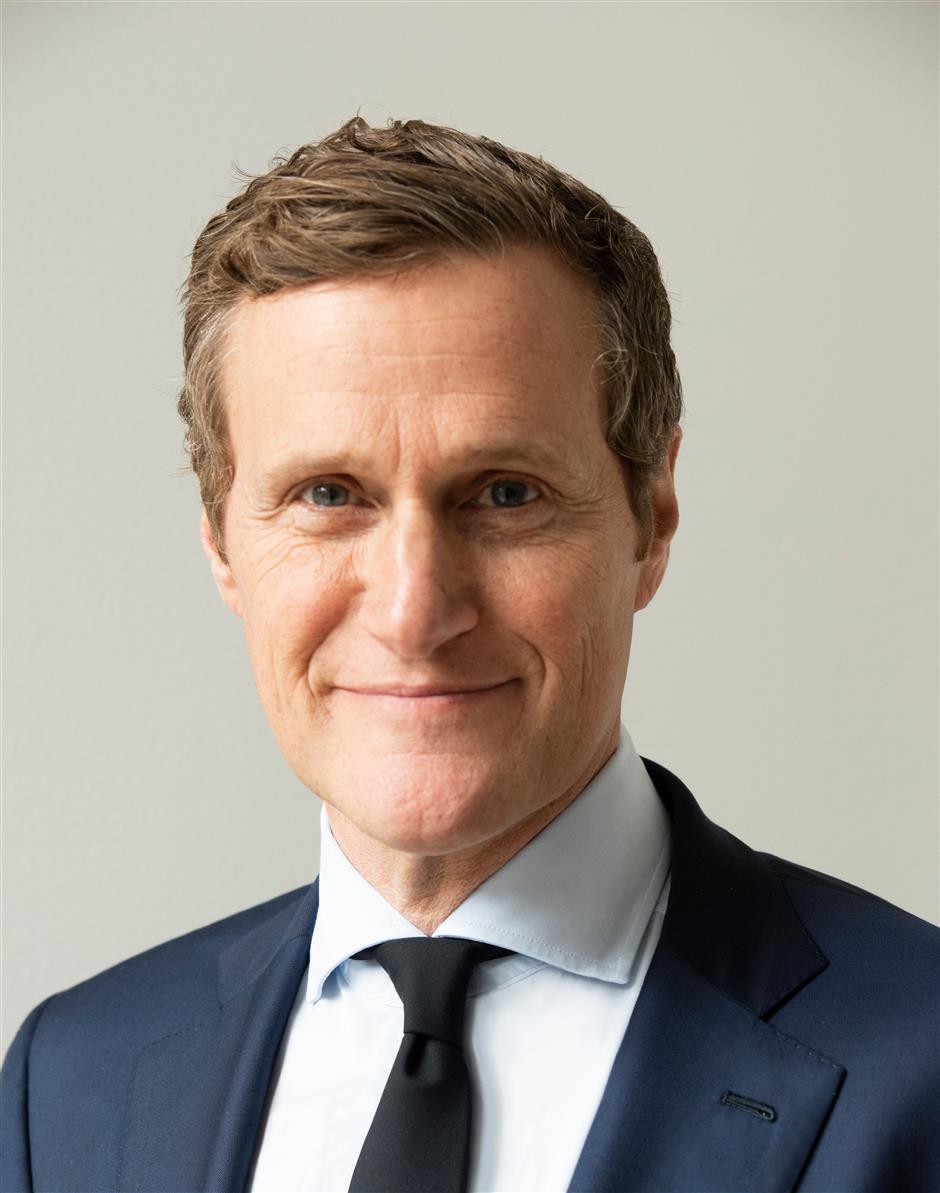
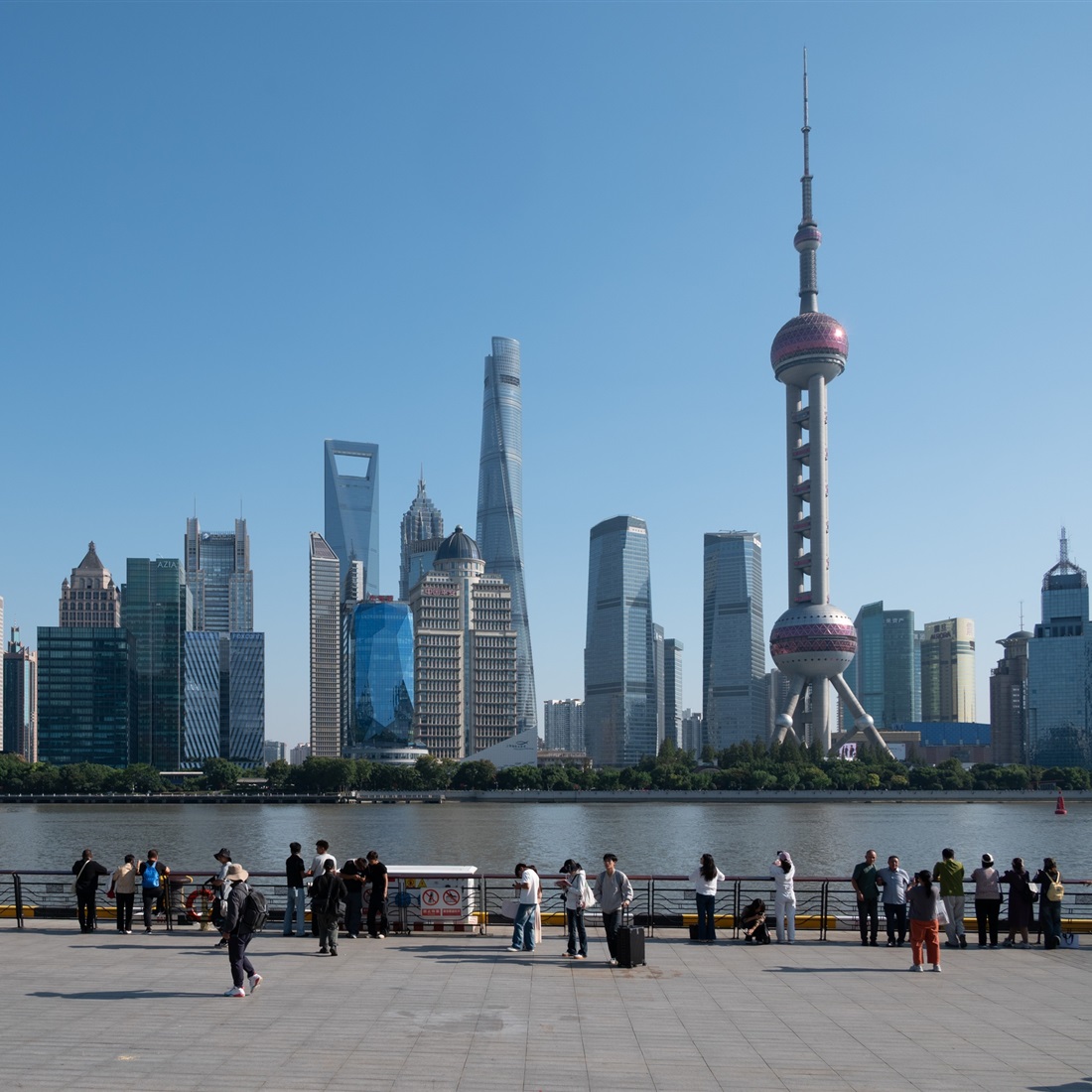
Throughout its history, Shanghai has proven its incredible resilience and ability to adapt to change. When IBLAC was established nearly 37 years ago, the city was entering a period of rapid transformation. Urban development, together with reform and opening-up, has reshaped Shanghai's economy and strengthened its connections to the world.
Today, Shanghai is navigating another transition. The city is moving toward a more diverse, service-oriented economy in which technology, innovation and global connections will play an increasingly important role. The question is how effectively it can translate those forces into greater productivity, stronger services, and opportunity for its people.
That is why IBLAC continues to matter. It is a forum where Shanghai's leaders and business leaders from around the world can exchange ideas about the forces shaping cities and economies. It gives Shanghai access to perspectives from elsewhere, while giving members a more grounded understanding of the city's priorities and experience. This year's agenda reflects that purpose: exploring how innovation can strengthen Shanghai's service economy and support its next phase of development.
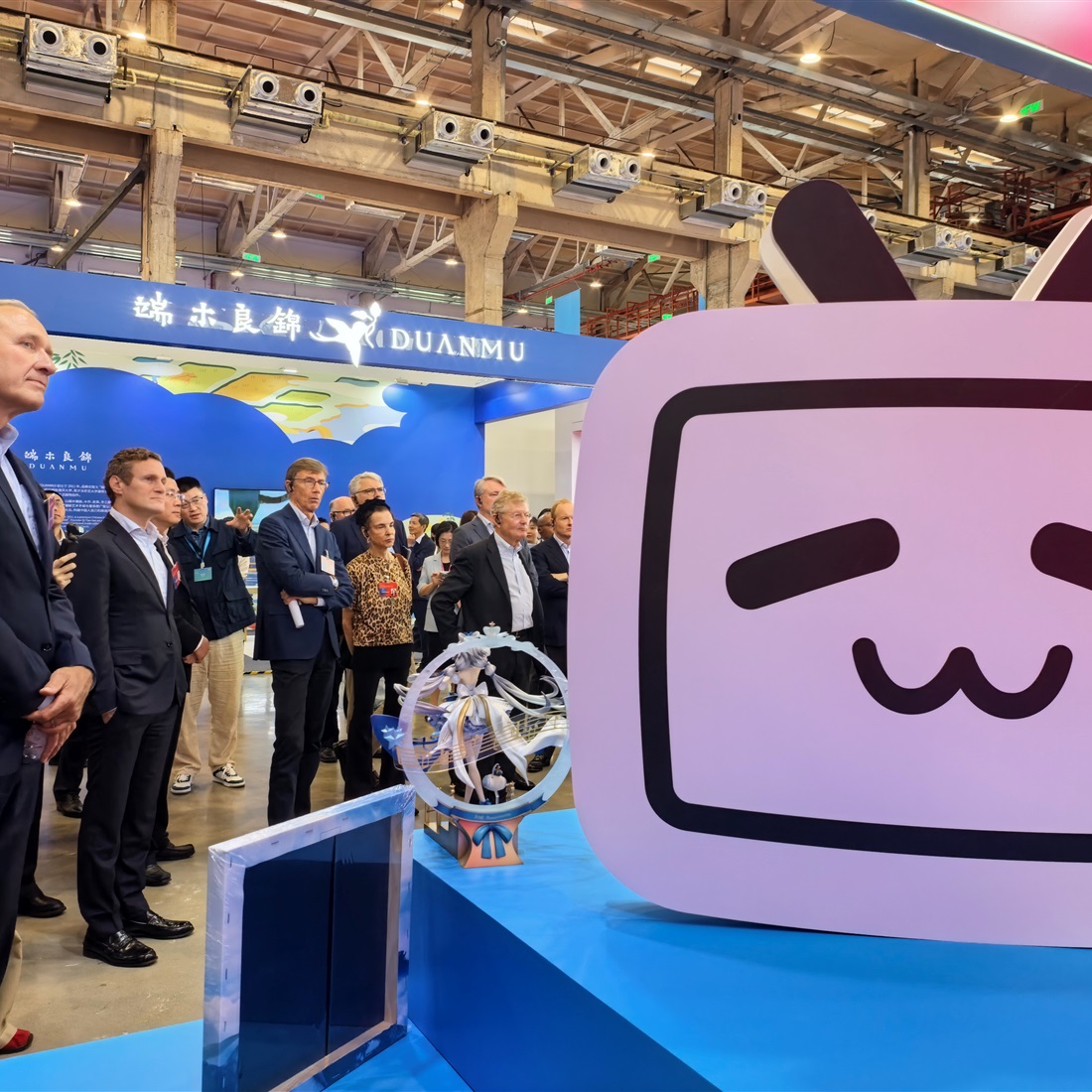
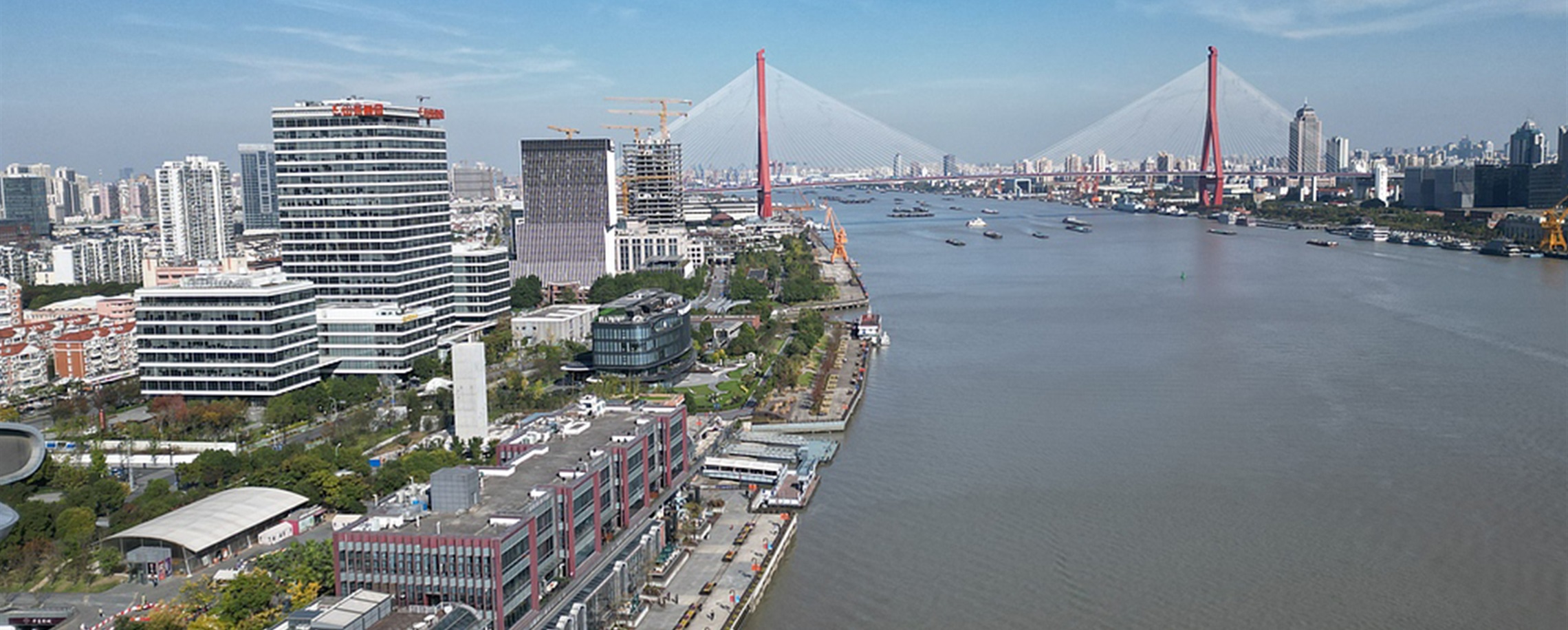
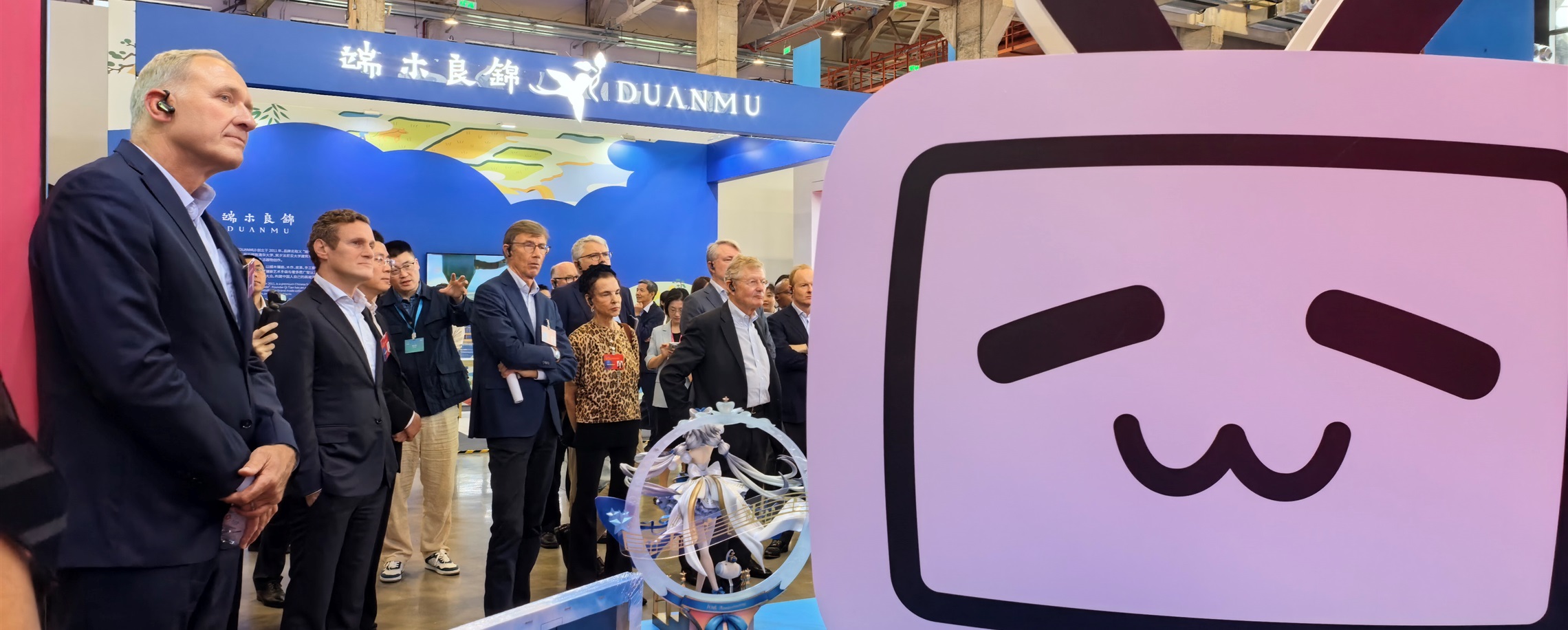
That transition is visible in the city itself. Fuxing Island offers a firsthand look at Shanghai's effort to give a former industrial and port area a new economic and civic role. From the Bund and Yangpu to the riverfronts being renewed across the city, Shanghai has adapted former industrial areas to new uses. Fuxing Island carries that work forward, bringing together urban renewal, innovation, public life, and new economic activity.
The meeting also brings us into direct conversation with business leaders applying AI in Shanghai. Their work shows how AI is moving beyond a standalone technology sector and into the broader economy, from manufacturing and finance to health care, consumer services, and urban governance. The question is how it can be applied effectively and at scale to raise productivity, improve services, and support daily life.
Shanghai is not alone in confronting these questions. Cities around the world are navigating similar changes. What distinguishes Shanghai is its capacity to move from policy to implementation, a capability built through the early years of opening-up and the transformation of places such as Yangpu.
The value of IBLAC extends beyond any single meeting. Through sustained dialogue and deepening relationships, it creates the understanding and trust needed for practical cooperation and helps members engage more meaningfully with Shanghai's priorities.
Shanghai's next chapter will depend on how effectively it turns technological and economic change into higher productivity, better services, and broader opportunity. IBLAC's mission is to serve that future: to keep Shanghai in dialogue with the world, deepen the relationships that support its development, and bring global experience to the work of helping the city grow and innovate.
Editor: Liu Qi
In Case You Missed It...
 Oct 11, 2026