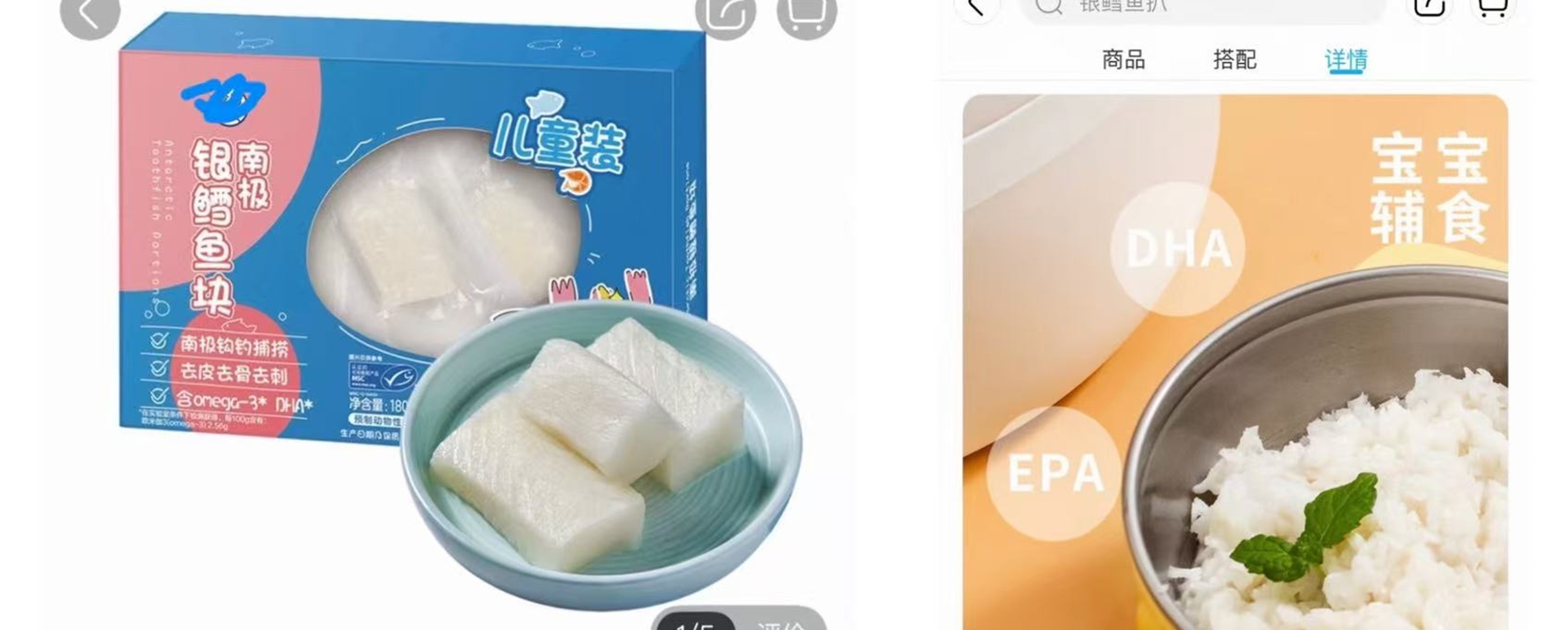
Toddlers' Mercury Poisoning Sparks Concern Over Patagonian Toothfish Marketed for Children
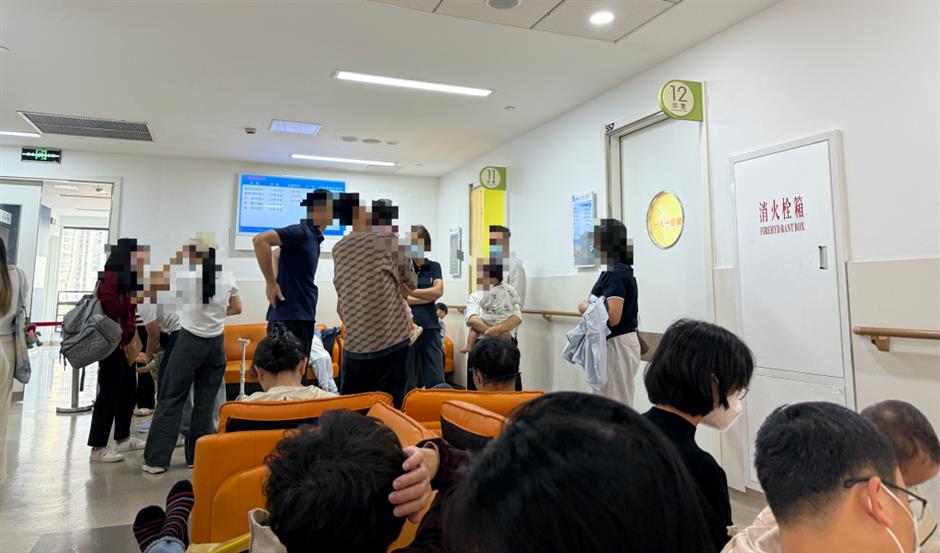
A 2-year-old toddler was diagnosed with mercury poisoning after regularly eating Patagonian toothfish marketed for children for eight months, prompting concern among parents and a surge in testing at a Shanghai hospital, The Paper reported.
Parents from Shanghai and the neighboring Jiangsu and Zhejiang provinces said their children, mostly aged 1 to 3, had elevated blood mercury levels after regularly eating Patagonian toothfish. Some medical records from Xinhua Hospital included preliminary diagnoses linking the poisoning to the fish consumption.
Most children reportedly showed no symptoms, but several have begun treatment on doctors' advice.
On October 8, parents gathered outside the hospital's environmental poisoning clinic, where pediatric specialist Yan Chonghuai had added an extra session.
One Shanghai mother, surnamed Chen, told The Paper her child had eaten 68 packs of "children's portion" toothfish, bought at a Freshippo store, over seven months. An August blood test showed a mercury level of 29 micrograms per liter, compared with the laboratory's reference level of below 10. After seven days of treatment, the level fell to 24, she said.
Another mother, surnamed Li, said her 17-month-old child had a blood mercury level of 15.2 micrograms per liter on September 30 after eating about 2.16 kilograms of the fish purchased from Freshippo between March and September.
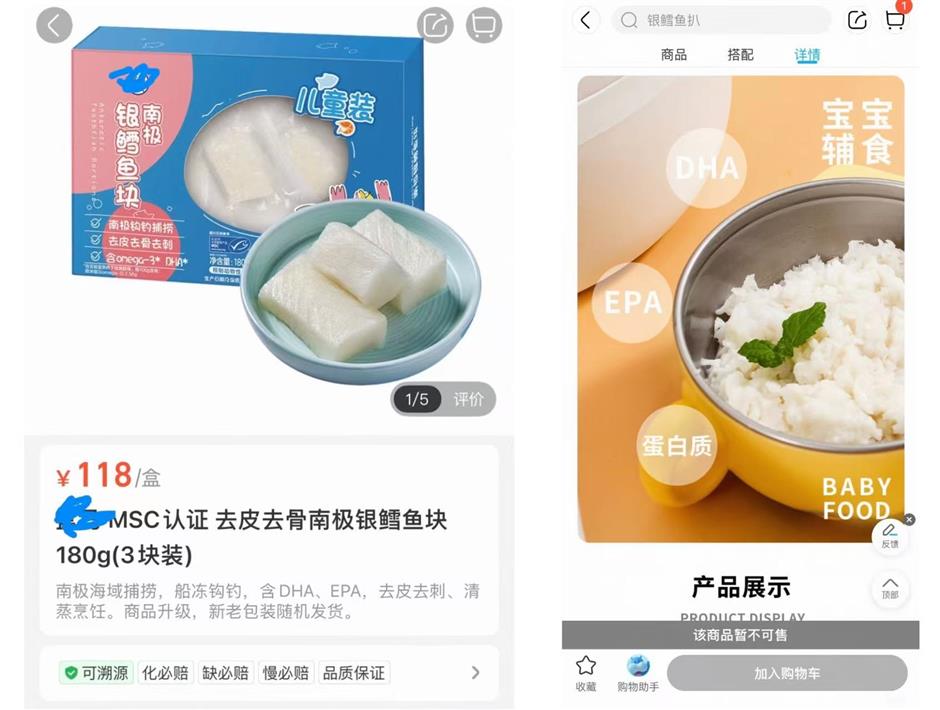
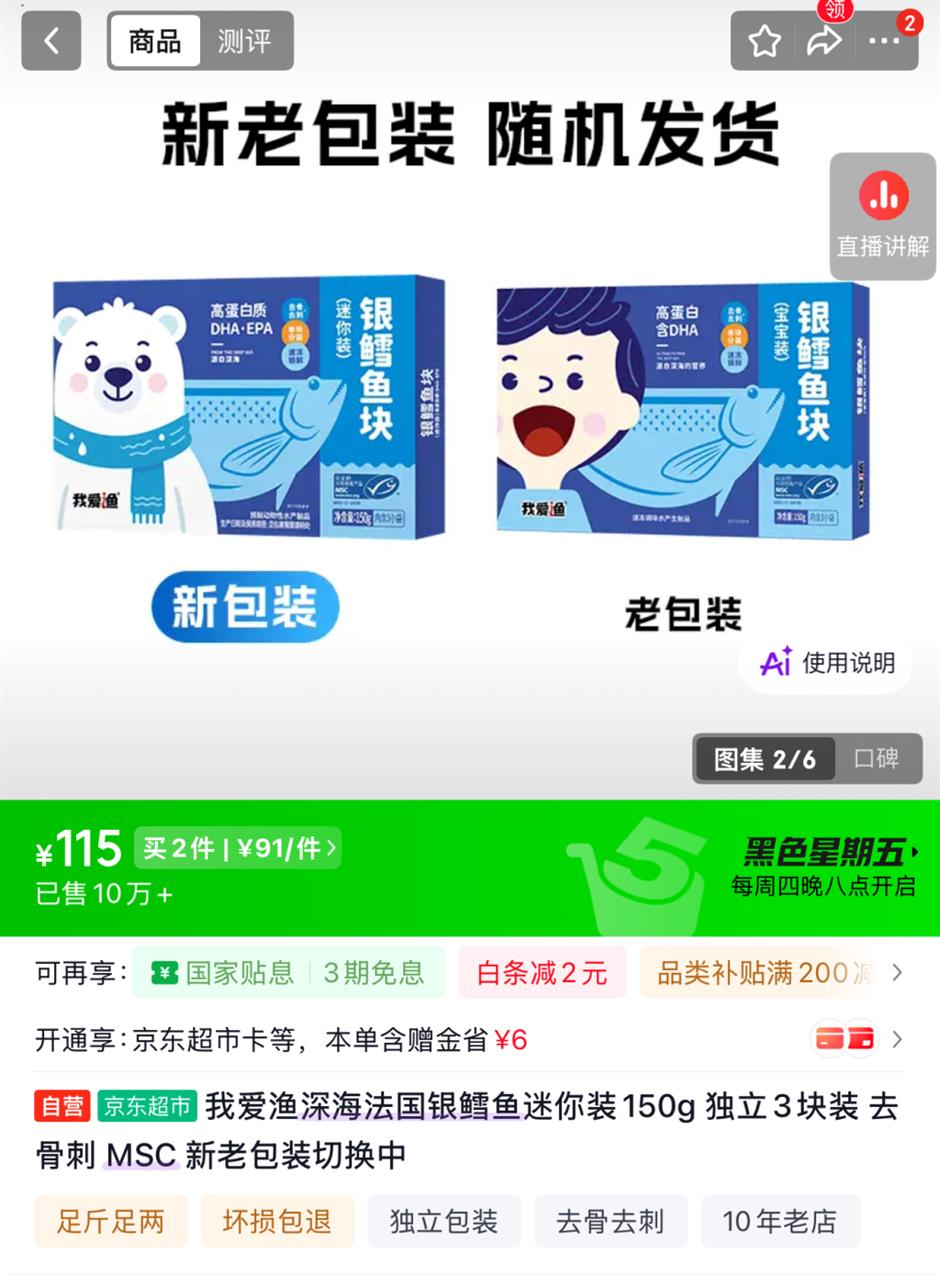
Parents also reported buying Woaiyu and SAPMER products online, saying descriptions such as "suitable for babies" had influenced their purchases.
Packaging and purchasing records supplied by families identified Qingdao Meichu Food Co as the company that commissioned both the Woaiyu and Freshippo products. A SAPMER product listed Haizhuanyuan (Shanghai) Food Trading Co in the same role. Both companies declined interviews with The Paper on October 9.
In a written statement previously reported by the Yangtze Evening News, Qingdao Meichu said "children's portion" referred to features such as skin and bone removal and small, individually packaged pieces. It did not indicate that the product was specifically intended for infants and young children, the company said.
The Paper's checks on October 9 found that such labels had largely disappeared from the fish products at the Freshippo stores and grocery apps it examined. Some online listings had replaced "baby portions" with "mini portions."
In an October 5 advisory, the China National Center for Food Safety Risk Assessment urged consumers to avoid prolonged, frequent consumption of a single variety of large predatory fish.
Researcher Fang Haiqin said mercury accumulates through the food chain, with large predatory species generally containing higher levels of methylmercury. She advised pregnant and breastfeeding women, infants and young children to take particular care to avoid high-mercury fish, while noting that a varied diet including lower-mercury fish can provide nutritional benefits.
Editor: Zhu Ying
In Case You Missed It...

 Oct 10, 2026