China Drafts Rules to Rein in Algorithms That Manage Gig Workers
A delivery rider's account could no longer be shut down by an algorithm alone under draft rules China released this week to protect the roughly 84 million people who find work through online platforms.
The Ministry of Human Resources and Social Security published the draft measures on Thursday, and is seeking public opinions until November 8. Drafted jointly by seven central government departments, the 54-article document would be China's first set of ministerial-level rules dedicated to workers in what officials call "new forms of employment."
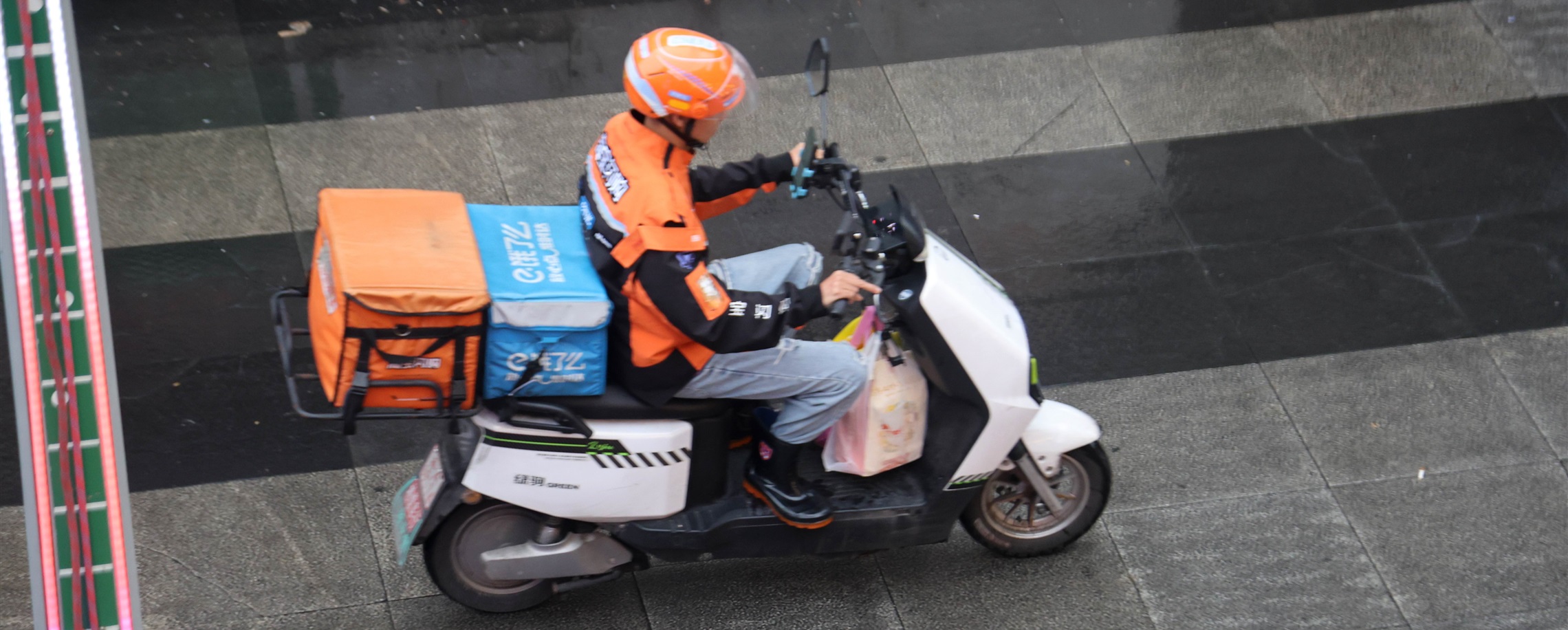
The rules target people who take orders through apps and are paid according to platform rules, including food delivery riders, ride-hailing drivers, truck drivers and livestreamers. Many of them fall outside traditional labor law because their arrangements do not fully meet the legal test for an employment relationship. The draft would bring workers who are managed by a company, even without a formal labor contract, under the protection of labor law.
Algorithms are at the center of the proposal. Platforms would have to explain to workers the basic principles and main mechanisms of the algorithms that affect their pay and rights, and prevent discrimination in how orders and payments are allocated. Major decisions such as stopping order assignments, banning accounts or demanding large compensation payments should in principle be made by a person rather than generated automatically. If an algorithm must act in an emergency, a human review should follow promptly.
The draft also sets out basic protections. Companies could not set hiring conditions based on ethnicity, gender or religion, hold workers' identity documents, or charge them fees beyond reasonable deposits or rent for work equipment. Pay would have to be made in full and on time, with pay periods of no longer than a month, and the cost of workers' own tools could not be counted toward the minimum wage.
Companies would be required to publish maximum working hours, avoid pushing workers into overwork and guarantee rest after four hours of continuous work. Work on public holidays would earn higher pay, and employers would have to pay high-temperature subsidies and avoid forcing outdoor work in dangerous weather. Penalties should focus on positive incentives, with fines, downgrades and account bans not to be abused.
To close common loopholes, platforms could not push workers to register as individual businesses or sign contractor agreements to avoid employer obligations, or pass them through layers of subcontractors. Depending on how closely a worker is managed, the company would sign a labor contract, a written work agreement, or a three-party agreement when a platform and a partner firm share management.
When workers object to pay, hours, ratings or penalties, companies would have to respond within 48 hours. Platforms would also keep work records that workers can view and download, for at least two years after they leave.
Editor: Zhu Ying
In Case You Missed It...

 Oct 10, 2026