A Luxury Logo Is No Longer Enough in China, LVMH Explores New Ways to Spur Sales
Chinese shoppers are pulling back in spending on luxury goods. LVMH is undeterred.
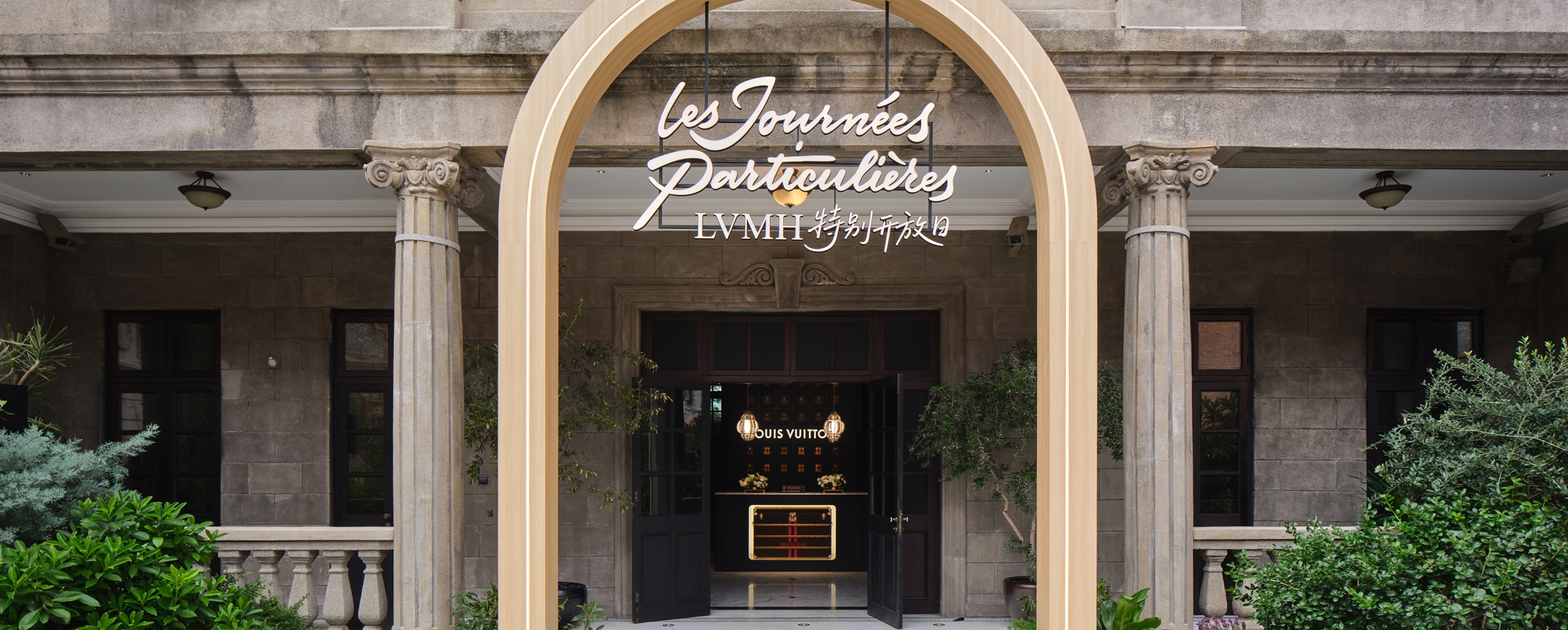
Four days after reporting a sharp deterioration in Chinese consumer sentiment, the Paris-based luxury group, largest of its kind in the world, opened one of its signature global events in Shanghai.
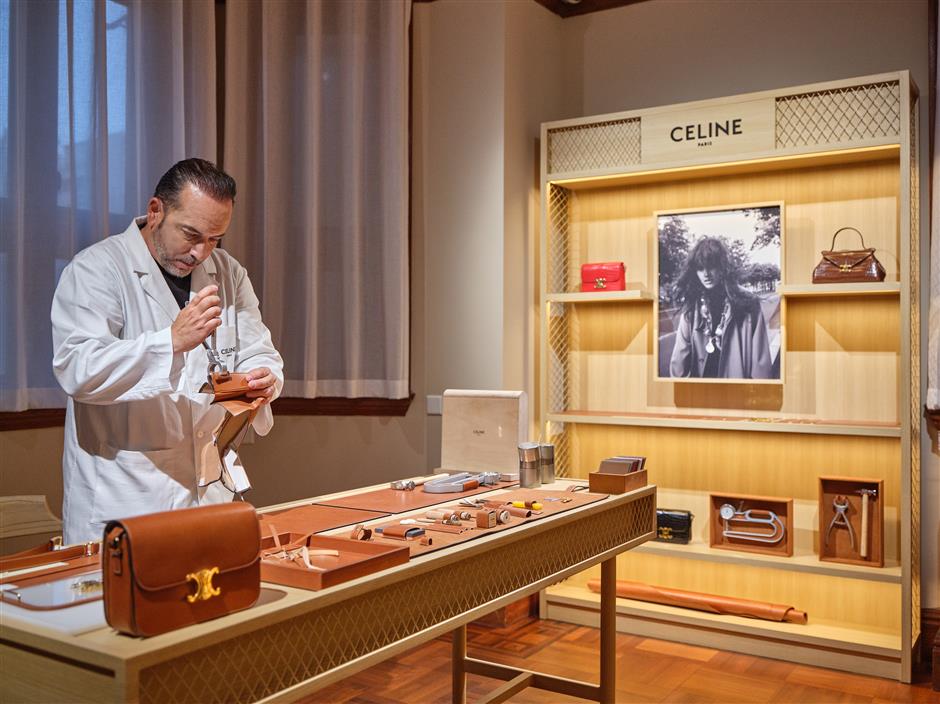
In the downtown cultural heritage area of Zhangyuan, artisans from 15 of the French group's various brands demonstrated everything from Louis Vuitton trunk-making and leatherwork to jewelry setting and the mechanics of a Zenith watch chronograph. More than 20 masterclasses were part of the three-day event, ending on Sunday. It's the first time LVMH's Les Journées Particulières brought its brands together a collective event in China.
It is a delicate moment for LVMH in China. Just four days earlier, the company posted a weaker-than-forecast 1 percent growth in global third-quarter revenue, with disappointing figures from the Chinese mainland, a major market. Sales in Asia, excluding Japan and dominated by China, fell 5 percent after growth in the first half. On an earnings call, Chief Financial Officer Cécile Cabanis said demand from China alone had fallen by mid-teen digits. Fashion and leather goods, LVMH's largest division and the one most exposed to the region, took the clearest hit.
For LVMH, the challenge in China has changed. After more than two decades of expanding its retail footprint there, the company is now facing more cautious consumers who are harder to impress. Sporting goods with premium brand logos has lost some of its cachet.
The task is no longer simply how many stores luxury groups can open, but how they persuade Chinese shoppers that their products are still worth the higher costs. Bringing craftsmanship out of workshops and into public view is one answer - part brand theatre, part education and, increasingly, part of the commercial battle to sustain desirability in a slowing market.
That effort extends beyond LVMH's three-day event. In July, the company credited new flagship stores in in Beijing and Seoul with helping drive stronger second-quarter growth. Its latest earnings statement, the company again highlighted what it calls "unique in-store experiences."
In China, the group has continued to adjust its physical network even as demand weakened. Asked on the third-quarter earnings call about a Louis Vuitton store closure, Cabanis said the brand had opened another location a week later and that its total retail area in China has been broadly unchanged over the past 12 months.
"We have not stopped investing in China," she said, adding that the pullback in Chinese consumer spending has forced the group to sharpen its focus.
LVMH says its brands are now sold in more than 1,400 stores across 100 Chinese cities. Its footprint also includes two Bvlgari hotels, the LVMH Recherche division in Shanghai for research and development of perfumes and cosmetics, and three businesses it identifies as Chinese Maisons - Ao Yun, Chandon China and Cha Ling.
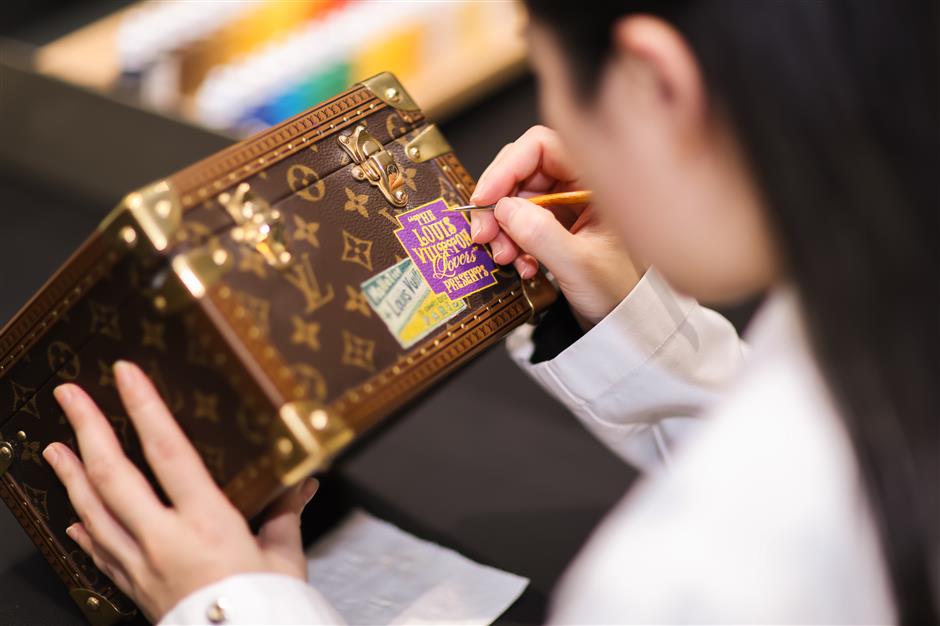
The Zhangyuan event put another part of that strategy on display. Louis Vuitton artisans demonstrated trunk making and the production of the Speedy P9 handbag line. Zenith let participants disassemble an El Primero chronograph movement, and Berluti showcased its patina and leather-tattooing techniques.
Louis Vuitton opened its first Chinese mainland boutique in Beijing in 1992, nearly a decade before China joined the World Trade Organization. As China opened its retail sector further to foreign investment, LVMH rapidly expanded its direct presence in the market. Its life-sized, ship-shaped storefront at its Louis Vuitton flagship outlet in Shanghai's HKRI Taikoo Hui Plaza, opened in 2025, has become a tourist attraction.
Still, the company faces headwinds. The personal luxury market on the mainland shrank up to 5 percent in 2025, according to Bain & Co, after a much steeper contraction the previous year. Bain said consumers had become more selective, concentrating spending on fewer brands and searching out "true value."
In a July update, Bain said luxury-goods spending in China was recovering cautiously, but spending patterns were changing, with ready-to-wear growing at roughly twice the pace of leather goods. Consumers, it said, are moving toward goods that express their individual personalities and are "experiences" beyond just purchases.
The slowed spending in the third-quarter complicates that recovery. LVMH's fashion and leather goods business had only just returned to growth in the second quarter, ending seven consecutive quarters of decline, before the 5 percent decline in the three months to September.
A broader company strategy seeks to embed LVMH brands with Chinese culture. At Zhangyuan, Hennessy paired its own silk-thread craftsmanship with China's Shu embroidery for a forthcoming Chinese New Year edition. Dior showcased the Flower Power #1 sculpture commissioned from Chinese artist Ai Jing.
Other parts of the group have gone further into local production. Ao Yun makes wine from vineyards in the mountains of Yunnan Province, while Chandon produces sparkling wine in the Ningxia region.
None of that may relieve current pressure on luxury spending, but it does show how far LVMH's China business is willing to expand beyond simply opening stores and importing European products. For LVMH, the Shanghai event is more than just a marketing gimmick. It is also a test of whether unlocking the stories behind craftsmanship will pique the interest of Chinese shoppers when a luxury logo alone may no longer be enough.
Editor: Yao Minji
In Case You Missed It...

 Oct 2, 2026