Luxury With Heritage: Craftsmanship, Creativity and Cultural Exchange at China's Import Expo
For luxury houses, heritage offers a rich starting point, but each generation brings its own ideas about what feels desirable, meaningful and worth keeping.
At the ongoing 9th China International Import Expo in Shanghai, that evolving relationship comes into focus through craftsmanship, creativity and cultural exchange. China is central to the conversation, both as a market and as a source of ideas shaping how luxury connects with contemporary life.
LVMH unveils 'New Generations'
A jacket first conceived in 1947 finds new movement in organza. A cognac gift box becomes a canvas for Chinese embroidery. A lipstick case is designed to stay after the color inside runs out.
At the ongoing 9th China International Import Expo in Shanghai, these objects give tangible form to a question facing LVMH's houses: how do you keep a familiar name interesting to people discovering it for the first time?
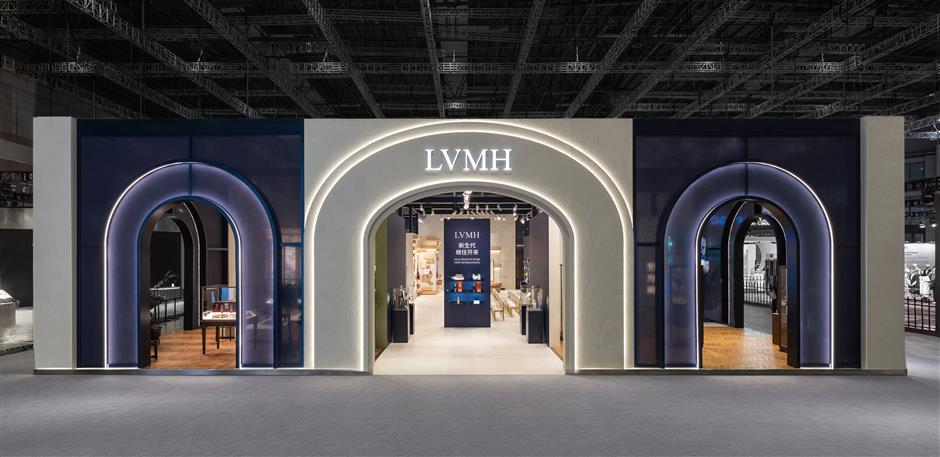
The French luxury group's answer unfolds under the theme "New Generations". Making its seventh appearance at the expo, LVMH brings together Bvlgari, Dior, Guerlain, Hennessy, Louis Vuitton, Sephora and Tiffany & Co., with displays that connect the preservation of craft to the freedom to reinterpret it.
China provides a significant setting for that conversation – and a long one. A Hennessy shipment of dozens of cases reached the country in 1859, 167 years ago; Louis Vuitton opened its first mainland store in Beijing in 1992; Sephora followed in 2005. This year's expo also coincides with the 25th anniversary of China's accession to the World Trade Organization.
The group now operates more than 1,400 stores across over 100 Chinese cities, while its relationship with local audiences increasingly takes shape through exhibitions, artistic collaborations and distinctive retail spaces. Recent additions include the Louis in Shanghai, the House of Dior and Tiffany & Co.'s Beijing flagship, all opened in 2025, along with standalone Bvlgari and Tiffany stores in Wuhan, Hubei Province, and a full-range Louis Vuitton store in Changchun, Jilin Province.
"My confidence in China and its future has never wavered," said Bernard Arnault, LVMH's chairman and CEO.
At Dior, the conversation begins in the archive.
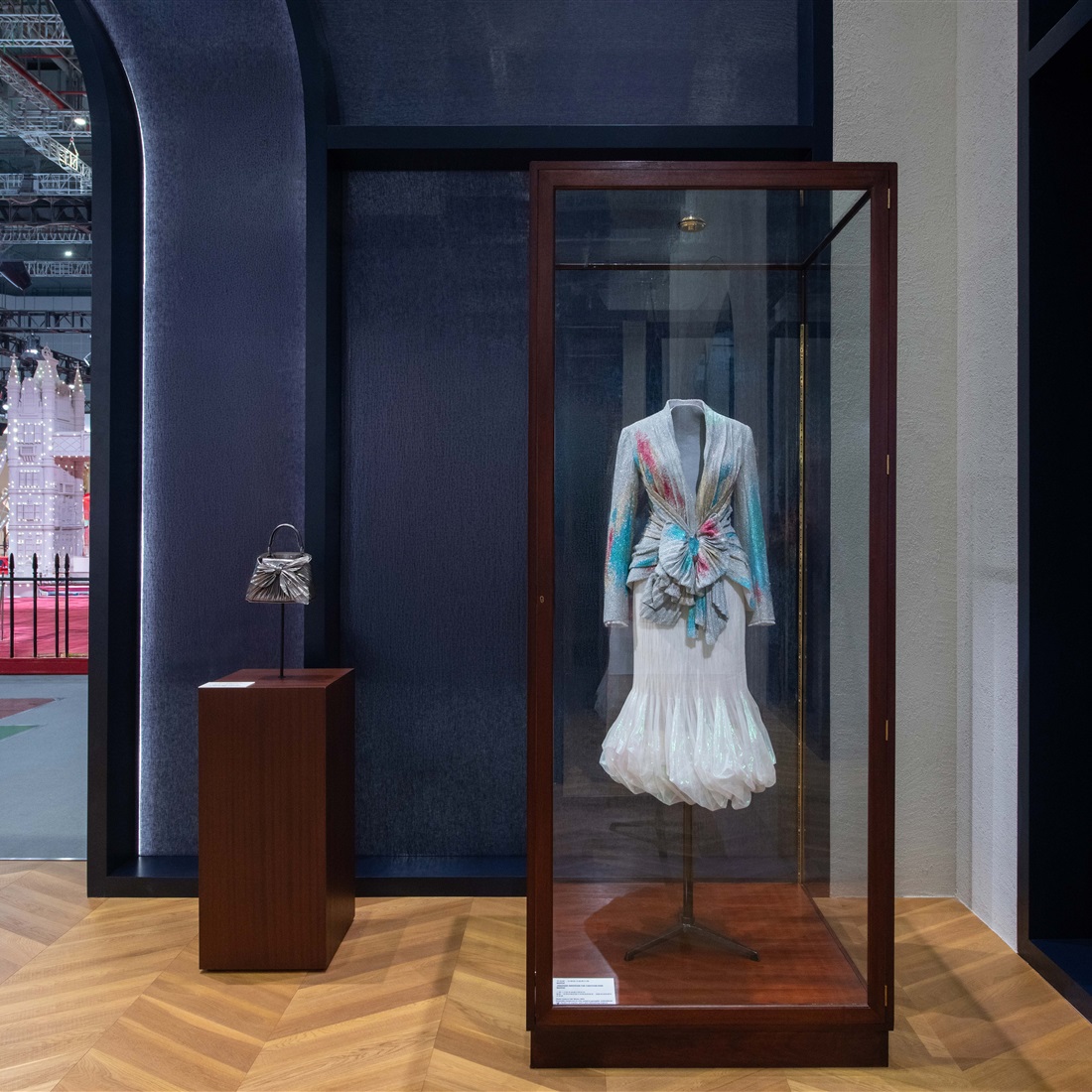
The Bar suit, created by Christian Dior for his first collection in 1947, remains one of the house's most recognizable designs. In Jonathan Anderson's reinterpretation, georgette and organza lend lightness to its volumes, while sequin embroidery catches the light.
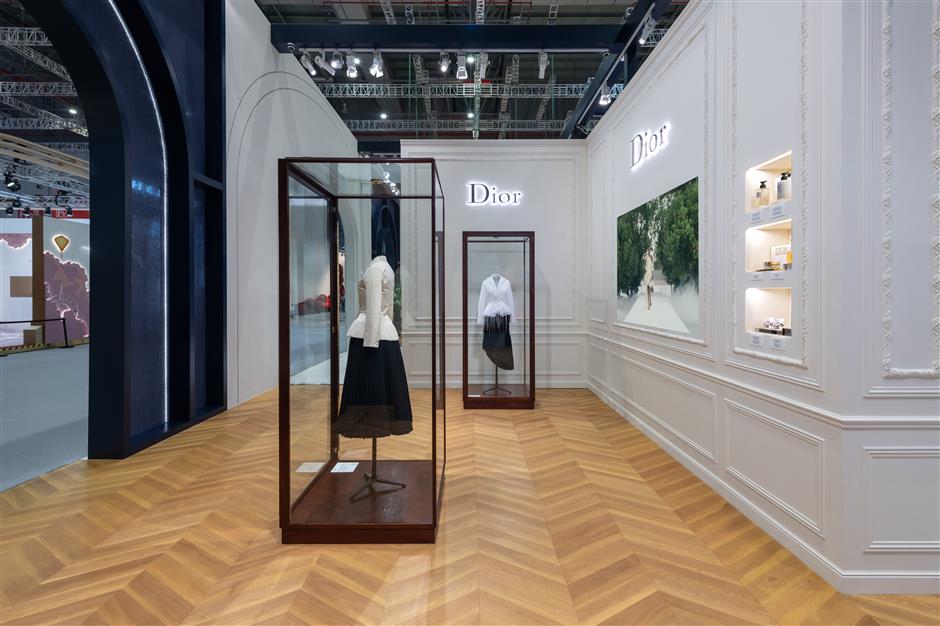
Elsewhere, a dress from 1952 supplies the architectural starting point for the Dior Cigale bag. Through Anderson's collaboration with American artist Lynda Benglis, metallic leather folds into a sculptural bow. On a Lady Dior bag, green four-leaf clovers bring together the creative director's Irish origins and the founder's fondness for lucky charms.
These are personal encounters with a shared inheritance: familiar shapes become places where a new designer can leave his mark.
Dior's next major encounter with Chinese audiences is already taking shape. The house plans to present its Cruise 2028 collection in Shanghai in 2027, Anderson's first major event in Asia as creative director.
For Hennessy, the challenge of renewal comes with a particular tension: customers expect their cognac to remain familiar, even as they want the brand to surprise them.
"They want to know what is behind the brands. And they want some element of surprises," said Charles Delapalme, Hennessy's President and CEO.
Its new X.O. campaign leaves room for that curiosity. A man and a woman appear with their faces obscured; there is no glass and no scene of cognac being consumed. Color, gesture and mood carry the imagery.
"It lets you make your own decision," Delapalme said.
That freedom matters as the house tries to understand how drinking occasions are changing. Banquets and family or business gatherings remain part of the picture, but so do smaller groups relaxing at home. Delapalme said understanding those moments takes visits to bars and restaurants, conversations and time. "So that's my objective for the next four to five years. I don't have the answers yet, but I'm looking for it."
His assessment of the market is similarly cautious. Following a difficult period for cognac, he sees possible signs of stabilization, while stressing the need to see whether they hold.
Hennessy is nevertheless preparing to reopen its upgraded flagship at Shanghai's Taikoo Li Qiantan in the fourth quarter.
At the expo, that relationship is expressed through the work of Chinese artists.
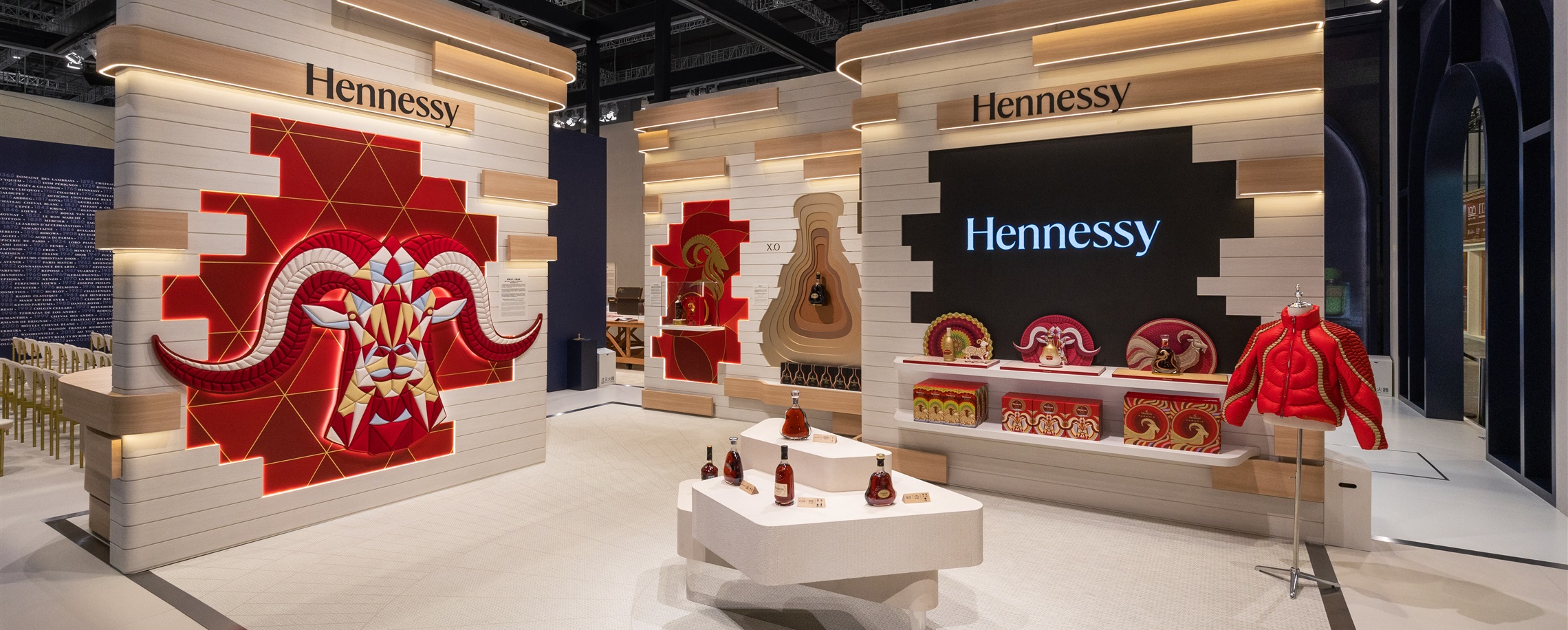
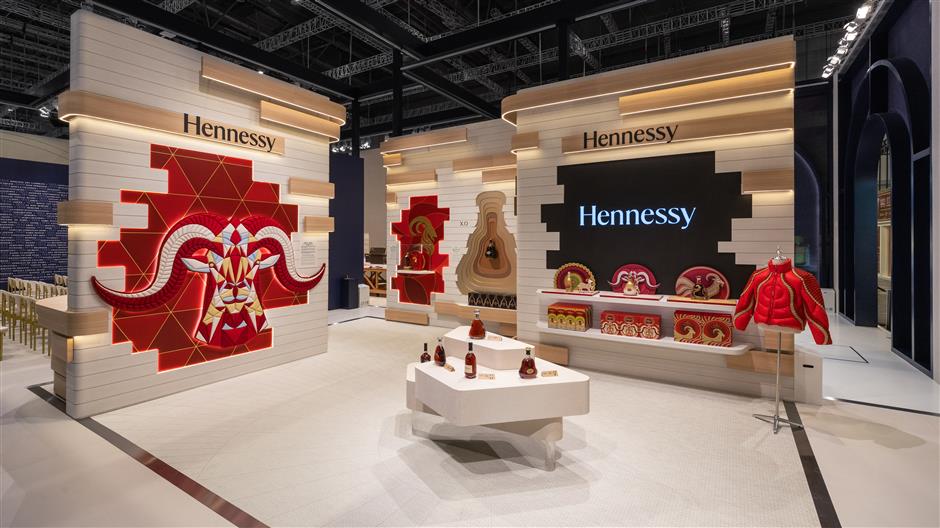
For its 2027 Chinese New Year collection, artist and designer William Shen draws on "San Yang Kai Tai," or "Three Rams Bring Prosperity". His designs for V.S.O.P, X.O. and Paradis connect the zodiac animal with elements of cognac-making, including oak barrels and the blending of eaux-de-vie. The collection is being introduced in more than 50 countries.
A separate creation, The Goat Edition, brings the exchange down to the scale of a thread. An illustration is reinterpreted in Shu embroidery, using red silk and 24-carat gold threads. Each embroidered panel takes approximately six hours to complete.
Limited to 50 made-to-order pieces worldwide, the edition pairs this handwork with a Baccarat crystal decanter and a blend created by eighth-generation master blender Renaud Fillioux de Gironde.
"We need to create a little bit of playfulness in the category," Delapalme said. "You need action, you need change, you need innovation, you need new entrants. And that's what makes the category relevant and fun."
Kering's 'True Luxury, Next Luxury'
Kering is making its eighth consecutive appearance at the CIIE, bringing its fashion, jewelry, porcelain and eyewear businesses together under the strategic vision "True Luxury, Next Luxury".
The participating brands include Gucci, Saint Laurent, Bottega Veneta, Balenciaga, Alexander McQueen, Brioni, Boucheron, Pomellato, Qeelin, Ginori 1735 and Kering Eyewear. Their presentations span couture and leather goods, goldsmithing and porcelain, exploring how established skills and creative identities can evolve with new materials, functions and expectations.
"Kering has always held the conviction that heritage and innovation can go hand in hand, and that beauty and responsibility can coexist," said Cai Jinqing, president of Kering China.
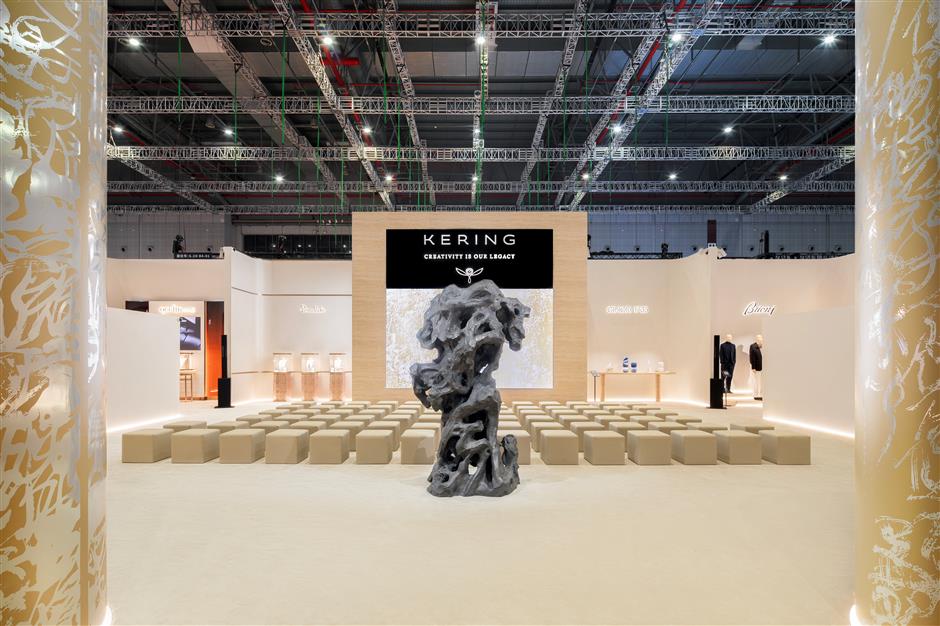
That approach runs through both the products and the pavilion. Gucci presents its GucciCore collection in a space inspired by its new store concept, while Saint Laurent revisits le smoking (tuxedo) through its Winter 2026 collection. Bottega Veneta explores new textures and proportions through its signature weaving, and Balenciaga presents couture designs combining archival references with material experimentation.
Among the new launches, Qeelin unveiled Qeelin Gold on Friday, extending its contemporary interpretation of Chinese culture into pure gold jewelry.
The new brand's first collection, BAJING, draws on octagonal structures in traditional Chinese architecture, from decorative caisson ceilings to garden windows. These geometric forms become the basis for jewelry designed to combine cultural meaning with everyday wearability.
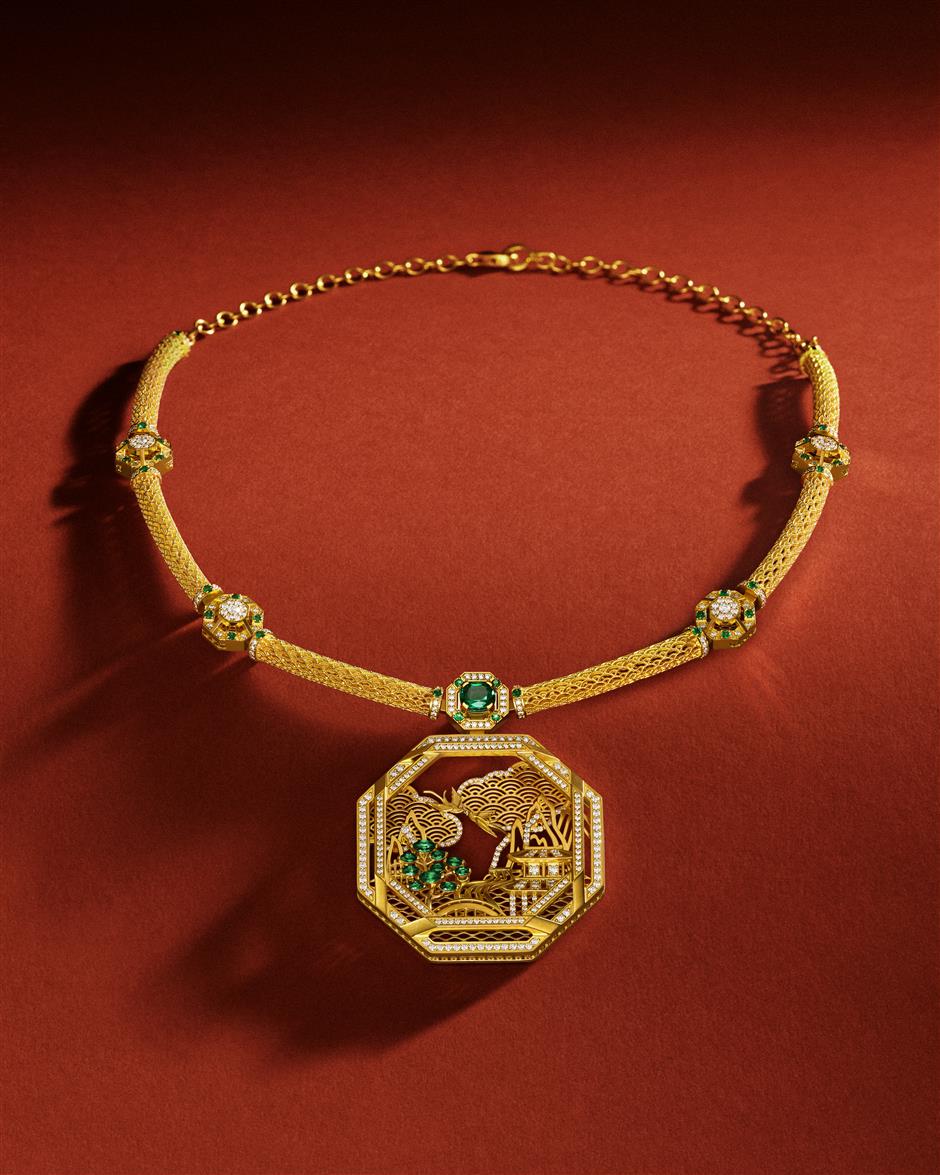
Traditional goldsmithing techniques, including filigree, granulation, enameling and chasing, inform the designs. The brand also takes inspiration from the Silk Road, where gold accompanied the movement of goods, craftsmanship and ideas between cultures.
Chinese cultural references also find expression at Ginori 1735. The Italian porcelain house created "Studies in Ginori Blue" specifically for this year's expo, presenting five pieces centered on a specially developed blue that pays tribute to colors historically associated with Chinese porcelain. The series interprets that tradition through Ginori's own forms, surfaces and decorative techniques.
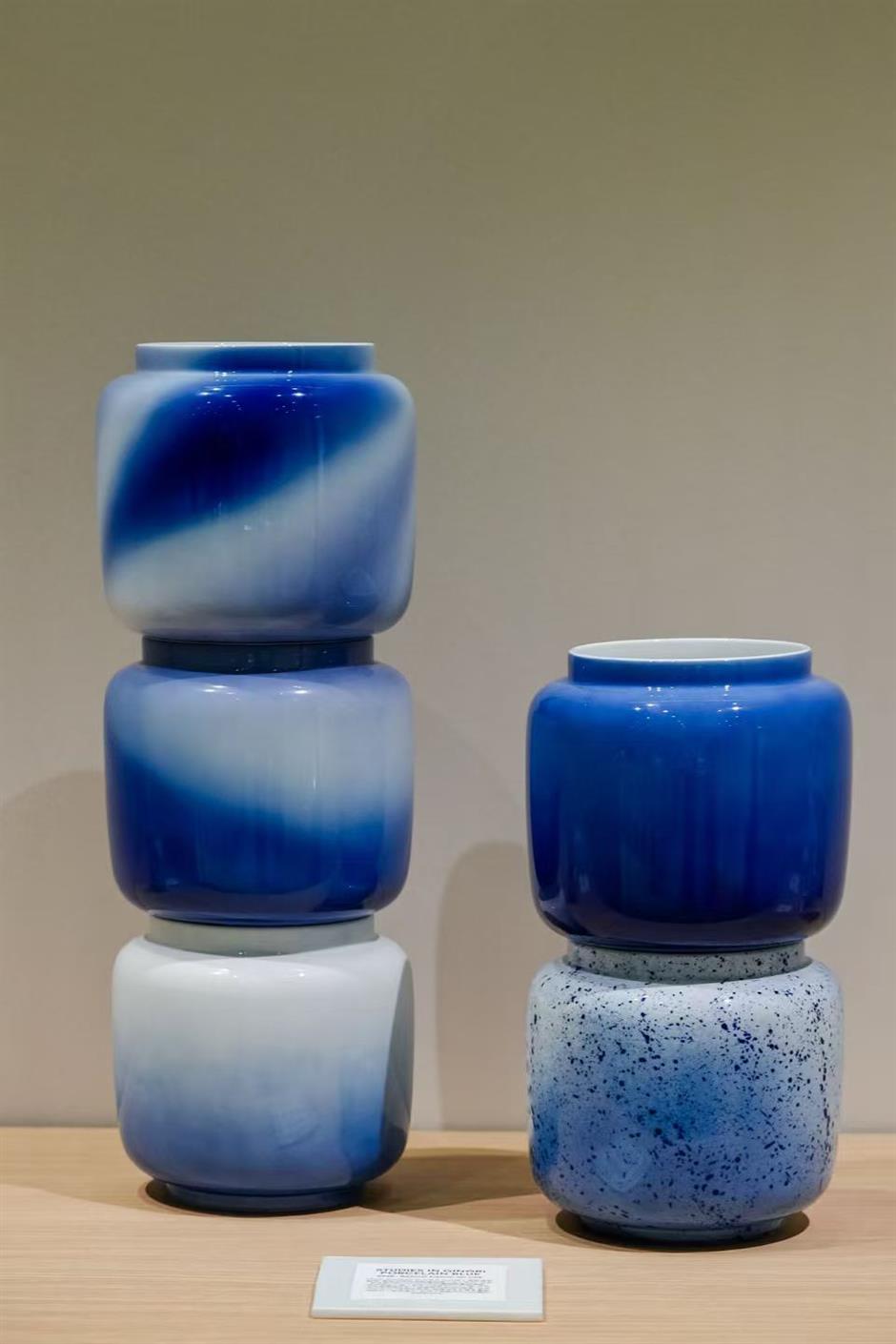
Kering Eyewear's global debuts include LINDBERG's 2027 Year of the Goat limited-edition eyewear and Maui Jim's Suntrail sunglasses, designed for outdoor sports.
The pavilion gives these presentations a setting shaped by contemporary Chinese art. Its towering walls reproduce Wang Dongling's "Chaos Script" interpretation of the "Thousand Character Classic", bringing the movement of calligraphy into the exhibition's architecture.
At the center of the courtyard, Ren Tianjin's sculpture "Taihu Rock – East Wind" gives three-dimensional form to the cursive characters "Dong Feng", or "East Wind". Its rugged texture evokes the rocks of Jiangnan (regions to the south of the lower reaches of the Yangtze River) gardens, connecting the space with another strand of Chinese visual culture.
"We are excited to make the most of the CIIE's open platform to deepen our engagement with Chinese consumers and partners, sparking fresh inspiration, driving forward innovation, and co-creating the next era of the luxury industry together," Cai said.
Editor: Yao Minji
In Case You Missed It...
 Nov 7, 2026