Pampering Pets Is a Big Industry in China, But It's Not Indulging the Bottom Line
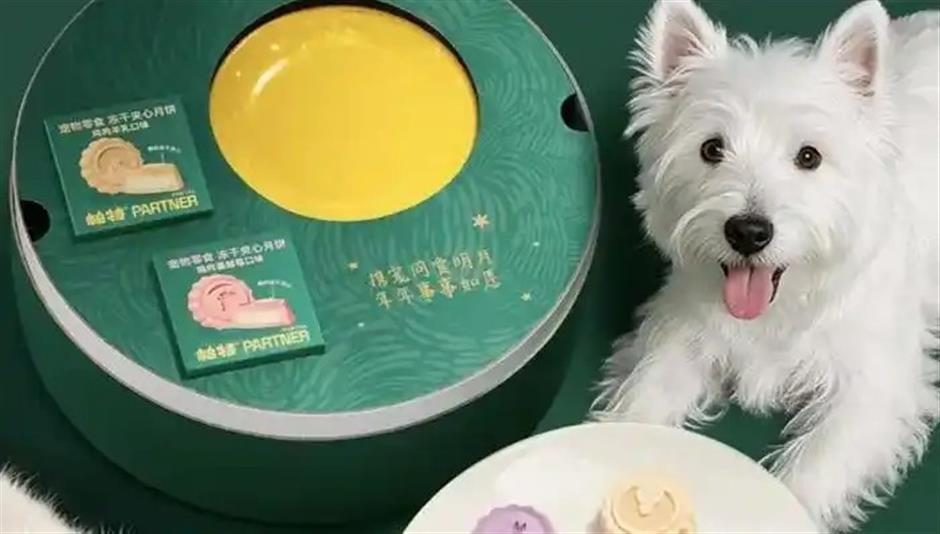
Creative pet products keep emerging, from fresh meat fashioned to look like Oreo cookies and artificial intelligence large-language models for pets to "smart" litter boxes and that detect abnormal signs in pet poop. One of the newer innovations is pet mooncakes for pets to celebrate the Mid-Autumn Festival along with their owners.
This booming demand is understandable due to an extremely fast-growing market. According to the 2026 China Pet Industry White Paper released by the Pethadoop industry data platform, the number of pet dogs and cats in China surpassed 120 million by the end of 2025, and the overall pet consumer market size has crossed the 300-billion-yuan (US$42.2 billion) mark.
Behind this outward sign of prosperity, however, the financial reports of major pet companies show the darker reality of an industry trapped in the structural squeeze of "increasing revenue without increasing profit."
The latest half-year earnings reports for 2026 show that the profits of major listed pet companies took a universal hit.
In the industry's top tier, leading companies continue to expand their revenue scale. Gambol Pet, whose main products include pet staple food and snacks, generated revenue of 3.54 billion yuan in the first six months of the year, a 10 percent rise from a year earlier, but profit fell 50 percent. China Pet Foods posted a 35 percent increase in revenue to 3.3 billion yuan but reported a 38 percent profit decline
The situation for mid-tier listed pet companies was equally grim. Peidi Brand, which specializes in pet chews and meat treats, saw its first-half profit plummet 69 percent, while Tianyuan Pet, a maker of beds, toys and other supplies, and Yuanfei Pet both posted profit declines of over 46 percent.
Why is an industry that appears red-hot in revenue failing to make money? Industry experts attributed the paradox largely to rising raw material costs and marketing expenses.
Since the beginning of 2026, the price of white-feathered broiler chickens used in pet food has been recovering in phases. A report by CSCI Pengyuan, one of the oldest rating agencies in China, noted that since most pet food companies are highly sensitive to chicken prices, they must remain vigilant about cost-control pressures.
Furthermore, current pet consumption heavily relies on online channels such as TikTok's Chinese version Douyin, Alibaba's Tmall and lifestyle platform RedNote. According to Chinese financial data terminal Hithink iFinD, six of the seven listed pet companies had increased sales and marketing expenses in the first half of this year.
"Marketing expenses mostly relate to online platforms as well as on offline pet expo sponsorships, pet store channel subsidies, new product trials and promotional campaigns," said a report issued by Huayuan Securities last week. "Sales-expense ratios generally increased, driven by domestic business expansion and intensifying market competition."
Persistently high marketing expenses and frequent discount promotions have eaten away at gross margins, trapping companies in a vicious cycle in the quest for customers: No paid traffic means zero visibility, while buying traffic results in immediate profit losses.
Take Gambol Pet for example. In 2025, to support its premium brands, the company poured nearly 1.5 billion yuan into marketing and promotional expenses, a 45 percent year-on-year increase. In the first half of 2026 alone, its sales and promotion costs had already reached about 860 million yuan.
Such relentless promotional spending is unlikely to end in the short term, given the intensely competitive domestic market and the explosive growth of competing brands. A report issued by Tmall summing up its 618 Shopping Festival this year revealed that in the past three years, a new pet brand appeared on average every 4.4 days on the platform.
Meanwhile, the Pet Fair Asia in August demonstrated that a growing number of cross-industry giants are muscling in to grab a piece of cake.
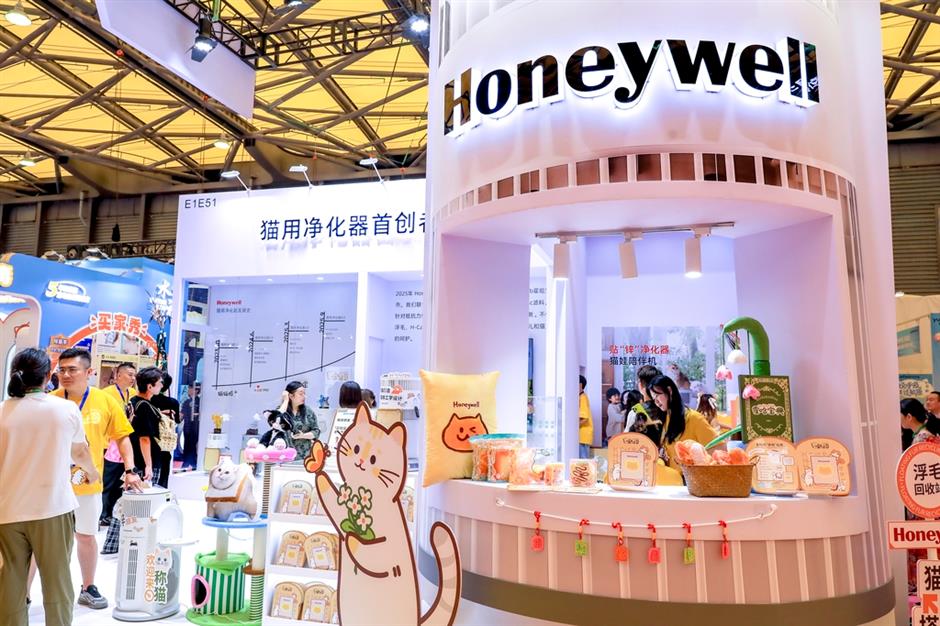
For instance, legacy refrigerator brand Ronshen showcased storage equipment specifically designed to keep pet food fresh, highlighting anti-odor and sterilization features. UK-based disinfectant maker Dettol launched a line of pet environment disinfectants and care products, and Honeywell Technologies exhibited an air purifier for cats equipped with a circulating hair-suction system and remote App control.
Faced with this structural profit squeeze, the pet industry is undergoing a profound shakeup. The future market will belong to those companies that can push product refinement and differentiation to the absolute limit.
"We believe that as competition intensifies, the wave of blind entry by new players will recede. The industry is entering a phase where survival of the fittest prevails," said the Huayuan report.
"Leading companies hold distinct advantages as industry resources increasingly concentrate at the top. Under this structure of one market-dominant leader with several other strong players, top-tier players enjoy high growth certainty moving forward. Against a low base, the sector is expected to see an earnings recovery in the second half of the year."
Editor: Liu Qi
In Case You Missed It...

 Oct 16, 2026