CHINA EARNINGS DIGEST: August 16-23, 2026
Editor's note:
Earnings of China companies reflect economic, political, industrial and trade trends affecting the bottom line. To keep you up-do-date, we are compiling a weekly roundup of earnings results from major listed companies. Stock tickers are in parentheses.

AUTO
Brilliance China Automotive (1114.HK) reported first-half net profit fell 54 percent from a year earlier as earnings from its BMW joint venture declined amid fierce market competition. Profit attributable to equity holders fell to 778.5 million yuan (US$115.8 million). Revenue rose 20 percent to 675.8 million yuan, driven by higher minibus and multipurpose vehicle sales from its Jinbei subsidiary, which delivered 2,815 units, compared with 277 units in the previous period. The earnings drop was primarily caused by a 52.5 percent decline to 974 million yuan in the share of results from associates, reflecting reduced profitability at BMW Brilliance Automotive. Vehicle sales at the unit dropped 19 percent to 212,782 units. The company said it is accelerating production of its next-generation Neue Klasse electric vehicles in the second half of 2026.
Chinese automaker Chery (9973.HK), a leading vehicle exporter, reported first-half net profit fell 12 percent to 8.6 billion yuan (US$1.3 billion) despite strong international and new-energy vehicle sales. Revenue edged up 1.2 percent to 143.4 billion yuan. The company reported a 28 percent increase in research and development expenses and lower foreign-exchange gains. Net profit margin fell to 6.3 percent from 7 percent. Overseas revenue surged 51 percent to 99 billion yuan, and revenue from new energy vehicle sales jumped 64 percent, offsetting a 25 percent decline in combustion engine vehicles. Chery sold 1.3 million vehicles in the first half, up 7.8 percent from a year earlier. The group sell passenger vehicles under its namesake brand and Jetour, Exeed, iCar and Luxeed marques.
Fuyao Glass Industry Group (600660.SS/3606.HK), a Chinese company dedicated to the design and manufacturing of automotive glass and accessories, reported first-half revenue rose 2.4 percent to 22 billion yuan (US$3.3 billion) but profit tumbled 17 percent to 4 billion yuan. Analysts noted intensifying price competition in the global automotive industry, volatility in raw material and energy costs, and increased depreciation and amortization from newly commissioned projects. Fuyao, which operates facilities in the US, supplies glass to major carmakers including Ford, General Motors and Volkswagen. In 2014, the company took over a former GM factory to establish its first glass plant in the US. The facility later drew attention as it was featured in the 2019 documentary "American Factory."
Chinese autonomous driving company Pony.ai (2026.HK/US:PONY) reported its net loss in the first half widened to US$98.9 million from US$90.6 million in the same period last year. However, the company's net loss margin showed improvement, dropping to 140.3 percent from 255.8 percent. Revenue climbed about 99 percent to US$70.5 million, with robotaxi services jumping 534 percent to US$12.1 million and fare-charging revenues rising by 849.3 percent. On the expansion front, Pony.ai deepened its Uber partnership in August to deploy over 2,000 robotaxis across five European cities. By the end of the year, Pony.ai aims to grow its active fleet to 4,000 vehicles and establish operations in more than 20 global cities.
Hangzhou-based automaker Geely (0175.HK) said profit in the first half fell 1.8 percent from a year earlier to 9.1 billion yuan (US$1.3 billion) on a foreign-exchange loss of 550 million yuan and an impairment loss of 46 million yuan on non-financial assets. Core profit gained 46 percent to 9.7 billion yuan. Revenue rose 15 percent from a year earlier to a record 173.6 billion yuan. Research and development costs increased to 9.2 billion yuan from 7.3 billion yuan. The carmaker said it spent 682 million yuan on share buybacks.
For the half year, vehicle sales rose 1 percent from a year earlier to 1.4 million, with the average selling price per vehicle increasing by 15,000 yuan to 112,000 yuan. Chinese mainland sales totaled 948,730, comprising 11 percent of the domestic market. New-energy vehicles rose 10 percent to 799,454, accounting for 56 percent of total sales. Sales of its premium brand Zeekr nearly doubled to 178,370. Export sales volume was 474,228 units, a 158 percent increase.
Geely founder Li Shufu is stepping down as chairman and has been appointed lifetime honorary chairman, with An Conghui succeeding him, the carmaker announced. Li Donghui, chairman of the British luxury car marque Lotus owned by Geely, also resigned as vice chairman of Geely but will remain an executive director.
Chongqing-based Seres Auto (601127.SS/9927.HK) narrowed first-half loss to 1.7 billion yuan (US$253 million) from 2.9 billion yuan a year earlier. The company said the loss reflects changes in its product mix, with key models undergoing transition, and rising prices of materials such as batteries and chips. Revenue fell 7.9 percent to 57.4 billion yuan. Research and development spending rose 27 percent to 3.7 billion yuan. The company said it sold 178,800 new energy vehicles in the period, an increase of 3.9 percent. About 1.8 percent of revenue came from overseas; the rest from the Chinese mainland. Seres models showed a gain of 5.6 percent, and deliveries of the new Aito M9 model were more than 20,000 since they began in mid-June. The starting price of the Aito M9 has been raised to 600,000 yuan. The company has rapidly transformed into a new energy vehicle powerhouse, largely driven by its 2021 alliance with Huawei. Together, they co-developed the Aito brand.
TECH
Alibaba Group (9988.HK/Nasdaq: BABA), a Chinese conglomerate spanning AI assistants, cloud computing, e-commerce, food delivery, logistics, entertainment and media, reported a 75 percent year-on-year decline in net profit to 10.4 billion yuan (US$1.5 billion) in its fiscal first quarter ended June 30. The company attributed the decline to heavier spending on technology and AI infrastructure. Capital spending rose 75 percent to 67.7 billion yuan. Quarterly revenue rose 8.6 percent to 268.95 billion yuan, driven by strength in its cloud operations. AI-related product revenue reached 12.4 billion yuan extending a streak of triple-digit year-over-year growth to 12 consecutive quarters. Alibaba and tech rivals like ByteDance have been divesting non-core assets like gaming business to focus on artificial intelligence. In the latest quarter, Alibaba's e-commerce business delivered mixed results. Quick commerce revenue surged 45 percent to 53.3 billion yuan, driven by its Freshippo and Taobao Instant businesses, but e-commerce sales fell 8 percent to 110.9 billion yuan.
Advanced Micro-Fabrication Equipment (AMEC, 688012.SS), one of China's leading semiconductor equipment makers, said net profit in the first half surged fourfold to 2.8 billion yuan (US$420 million) on a 35 percent increase in revenue to 6.7 billion yuan. The Shanghai-based company attributed its strong performance to expanded shipments and commercial-scale mass production of high-end etch tools used in advanced logic and memory chip manufacturing. AMEC also announced it will invest 3.5 billion yuan to upgrade its facilities in Shanghai, focusing on etch, metrology, inspection and thin-film deposition equipment. The project is forecast to generate 3 billion yuan in annual sales upon reaching full capacity.
Beijing-based Baidu (US:BIDU), China's largest search engine and a heavyweight in AI development, reported a less-than-forecast revenue of 31.3 billion yuan (US$4.6 billion) in the second-quarter, down 4 percent from a year earlier, as AI business growth wasn't strong enough to offset a contraction in traditional advertising. Profit fell 68 percent to 2.3 billion yuan, reflecting high one-time investment gains in the year earlier period. Excluding extraordinary items, profit fell 46 percent.
AI, which Baidu defines as its core business, has become the company's new growth engine. Revenue increased 25 percent to 12.5 billion yuan, compromising about half of general business revenue. AI cloud infrastructure revenue jumped 50 percent to 7.3 billion yuan. However, on a quarterly basis, AI revenue declined from 13.6 billion yuan in the first quarter, while the company's spending on the infrastructure behind its AI transition surged. Capital expenditure nearly triple from a year earlier to reach 11.4 billion yuan, and doubled that of the first quarter. Yet, research and development expenses fell 10 percent to 4.6 billion yuan. CFO He Haijian said the company remained "firmly committed" to investing in AI as its core long-term growth driver.
Shanghai-based Fudan Microelectronics Group (688385.SS) posted a 338 percent gain in first-half net profit to 849 million yuan (US$126 million), thanks to booming growth across its core semiconductor businesses. Revenue jumped 21 percent to 2.23 billion yuan. The chip firm specializes in the design, development and testing of ultra-large-scale integrated circuits.
GigaDevice Semiconductor (3986.HK), a leading Chinese designer of flash memory chips, reported an 11-fold increase in first-half profit to 6.9 billion yuan (US$1 billion). Revenue surged 179 percent from a year earlier to 11.6 billion yuan. The growth comes from rising prices amid a global shortage of memory chips.
Han's CNC Technology (3200.HK), a leading Chinese maker of printed circuit boards, reported first half profit surged 3.6 times to 956.9 million yuan (US$142.3 million) on a 109 percent increase in operating revenue to 5 billion yuan. Founded in 2002, the Shenzhen-based company designs, produces and sells specialized computer-controlled equipment used to make the electric circuit boards used in AI servers, high-speed switches and optical modules, next-generation wireless technology and aerospace. Spending on research and development in the first six months rose 70 percent to 269.5 million yuan. The company listed in Hong Kong this year, becoming the first in its industry to achieve a dual listing in both Chinese mainland and Hong Kong markets. In the first half of 2026, the company said it continued to expand production capacity at its two major production bases in Shenzhen (Guangdong Province) and Xinfeng (Jiangxi Province). It cited figures showing that the global market for printed circuit boards will grow 19 percent this year to a value exceeding US$100 billion.
Hefei-based technology company iFlytek (2230.HK) reported its first-half revenue rose 6.5 percent from a year earlier to 11.6 billion yuan (US$1.7 billion). The company posted a net loss of 204 million yuan, narrowing from a loss of 239 million yuan a year earlier. The company cited elevated research and development spending, which increased 600 million yuan from a year earlier to 3 billion yuan. The company said it has scaled-up investment in large language model development and stockpiling memory chips. Additionally, iFlytek reported over 100 million yuan in marketing and promotional expenses for new hardware launches – including AI smart grading machines, medical cloud imaging systems and AI smart glasses – as well as overseas market expansion.
Shanghai-listed Kingsoft Office (688111.SS), a Chinese software maker and competitor to Microsoft Office, reported net profit soar 237 percent to 2.52 billion yuan (US$370.6 million) in the first half. Its adjusted net profit excluding investment income reached 1.09 billion yuan, a 28.29 percent year-on-year increase. The revenue reached 3.31 billion yuan, up 24.69 percent year-on-year. Top-line and earnings growth were propelled by accelerated conversion of individual paying users driven by AI-powered capabilities, pushing the domestic annual paying user base past the 48 million mark.
HK-listed Kingsoft Corp (3888.HK), which owns shares of Kingsoft Office and gaming business, reported second-quarter profit rose 3 percent to 548 million yuan on a 9 percent increase in revenue to 2.5 billion yuan. First-half profit doubled to 1.6 billion yuan on a 6 percent revenue gain to 4.9 billion yuan.
Kuaishou Technology (1024.HK), a leading Chinese short-video platform and developer of the AI video generation tool Kling AI, reported second-quarter profit fell 36 percent to 3.2 billion yuan (US$480 million) on a 1.4 percent increase in revenue to 35.5 billion yuan. Kling AI emerged as the primary growth engine during the quarter, doubling revenue to 850 million yuan. The company said it spent 4.5 billion yuan on research and development. For the first half, profit fell to 6.1 billion yuan from 8.9 billion yuan a year earlier. Revenue rose to 69.3 billion from 67.6 billion.
Chinese internet and gaming company NetEase (9999.HK/Nasdaq: NTES) reported steady revenue growth in the first half of 2026, but profit declined amid rising pressure on its business performance. Revenue reached 60.7 billion yuan (US$9 billion) in the first six months of 2026, up 7 percent from a year earlier, but net profit fell 6.3 percent to 17.7 billion yuan. Its core gaming business remained the main growth driver, with revenue from games and related value-added services rising 8.3 percent to 50.7 billion yuan, driven by titles including "Fantasy Westward Journey" and "Where Winds Meet." For the second quarter, revenue increased 7.9 percent year on year to 30 billion yuan, while net profit dropped 18.6 percent to 7 billion yuan. Gaming revenue grew 9.7 percent to 25 billion yuan, although it declined slightly from the previous quarter as revenue from some self-developed and licensed titles weakened. NetEase said it will continue investing in original gameplay innovation and expanding overseas markets to support long-term growth.
Chinese AI software company SenseTime (0020.HK) said it expects to post its first profit since listing in 2012 when it reports first-half results on August 26, noting that a rally in AI asset prices helped cover operational losses. The company is flagging profit of between 500 million yuan (US$74 million) and 700 million yuan for the period, compared with a loss of 1.6 billion yuan a year earlier. The company, which is involved in facial recognition, medical imaging and voice analysis, autonomous driving technology and remote sensing, reported a full-year 2025 loss of 1.8 billion yuan.
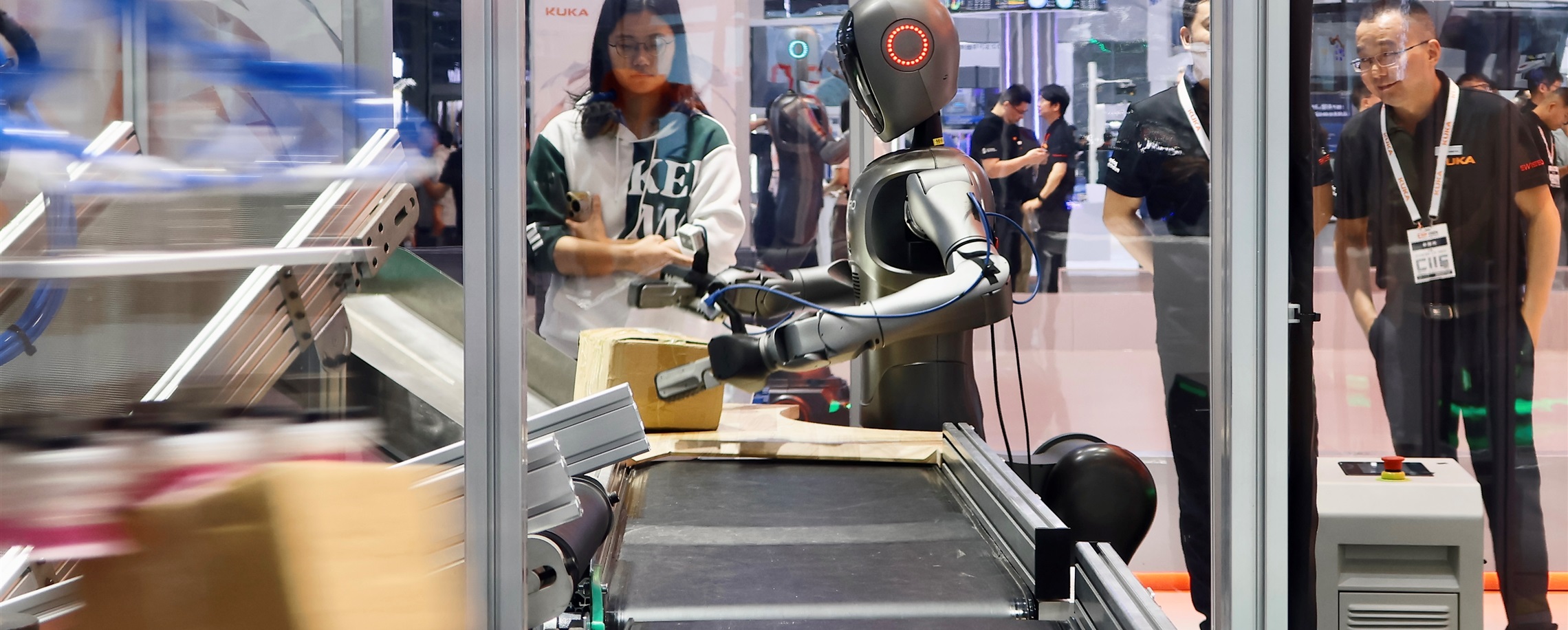
Leading humanoid robot maker Unitree (688836.SS), whose shares begin trading today on Shanghai's STAR Market, updated its first-half results in an exchange filing on Tuesday, showing net profit of 274 million yuan (US$41 million), turning from a 32-million-yuan loss a year earlier. However, profit excluding one-time items fell 19 percent to 244 million yuan on higher costs of research, development and marketing. Revenue surged 49 percent to 1.2 billion yuan on strong demand and expansion of downstream applications. Unitree raised 6.1 billion yuan in a heavily oversubscribed IPO, becoming the first humanoid robot maker to list in Chinese mainland. Its trading debut has drawn intense interest.
Beijing-based Vnet Group (US:VNET), a carrier-neutral data center provider and exclusive local operator of Microsoft Azure and Microsoft 365 in China, reported a second-quarter net loss of 135.6 million yuan (US$20 million), widening from 11.9 million yuan a year earlier, primarily reflecting changes in fair value of financial instruments. Revenue increased 14 percent to 2.8 billion yuan (US$410 million). Growth was driven by a 29 percent surge in wholesale data center revenue to 1.1 billion yuan, with capacity surpassing 1 gigawatt. Backed by solid wholesale demand, Vnet reaffirmed its full-year revenue guidance of 11.5 billion yuan to 11.8 billion yuan.
Weibo (9898.HK/Nasdaq:WB), the popular Chinese version of X, reported revenue of US$453.8 million in the second quarter, up 2 percent year-on-year. Net profit fell 46 percent to US$67 million, impacted by increased advertising production and marketing expenses. Advertising and marketing revenues totaled US$381 million, representing a slight 1 percent decrease. On the user front, Weibo said it had 561 million monthly active users in the quarter.
Xiaomi (1810.HK), the electric vehicle and smartphone maker, reported second-quarter profit fell 20.3 percent from a year earlier 9.5 billion yuan (US$1.4 billion), with revenue down 6.1 percent to 108.9 billion yuan. The results largely reflected the needed company's smartphone segment, where revenue dropped 7.5 percent to 42.1 billion yuan as global smartphone shipments decreased 26.5 percent to 31.2 million. Xiaomi has been shifting its product line toward higher-tier phone models. Its average phone price hit a record 1,351 yuan per unit. Meanwhile, Internet of Things and lifestyle product revenue fell 19 percent to 31.3 billion yuan.
Xiaomi's electric vehicle and AI business segment was the company's growth engine in the latest quarter, generating revenue of 25 billion yuan, up 17 percent from a year earlier. The carmaking segment had revenue of 24 billion yuan. Total vehicle deliveries rose 28 percent from a year earlier to 104,199 vehicles, with the average selling price falling 9.6 percent to 229,312 yuan. The segment had an operating loss of 2.6 billion yuan. Xiaomi has aggressively expanded into AI intelligence and advanced technologies, with second-quarter research and development spending rising 19 percent to 9.2 billion yuan.
Zhongji Innolight (300308.SZ), the world's largest supplier of optical transceivers used in AI data centers, reported another quarter of explosive growth even as its shares remain about a third below their June peak. Second-quarter net profit surged 228 percent from a year earlier to 7.9 billion yuan (US$1.2 billion) on a 175 percent surge in revenue to 22.3 billion yuan. For the first half, revenue jumped 182.5 percent to 41.8 billion yuan, while net profit surged 242 percent to 13.7 billion yuan.
The company attributed the growth to strong demand from AI companies, including Nvidia, for high-speed optical modules used in AI computing infrastructure. Spending on research and development in the first half nearly doubled to 1.2 billion yuan, and the gross margin for optical modules rose 6.6 percentage points to 46.6 percent.
The interim earnings come after a sharp valuation reset. Zhongji's shares on the Shenzhen stock market declined about 36 percent by the end of July from an intraday peak in June. The company listed on the Hong Kong exchange on July 30 in one of the few large tech IPOs to drop below its offer price on its trading debut. The selloff came amid concerns about high levels of spending on AI, pricing for next-generation 1.6 terabit-per-second modules and questions about whether unusually high industry margins can be sustained. Zhongji shares have recovered somewhat in August.
INDUSTRY
Baosteel (600019.SS), the flagship subsidiary of China Baowu Steel Group Corp Ltd, the world's largest steelmaker, reported higher revenue but weaker profits in the first half amid industry pressure from weak demand, trade tensions and rising global uncertainty. Baosteel said revenue rose 6.2 percent from a year earlier to 160.7 billion yuan (US$23.9 billion), while net profit fell 6.3 percent to 4.6 billion yuan. Operating cash flow declined 11 percent to 14.8 billion yuan. Second-quarter revenue increased 6.6 percent to 83.7 billion yuan, but quarterly net profit dropped 4 percent to 2.35 billion yuan.
The company said it has maintained competitiveness by focusing on high-value steel products, technological innovation and integrated production, research and sales operations. Baosteel highlighted continued development in advanced materials to meet demand from emerging industries. The company also warned that the steel sector remains under pressure from geopolitical conflicts and trade protectionism. It said it will accelerate a transition to green manufacturing practices and smart factory initiatives to improve efficiency and adapt to changing market conditions.
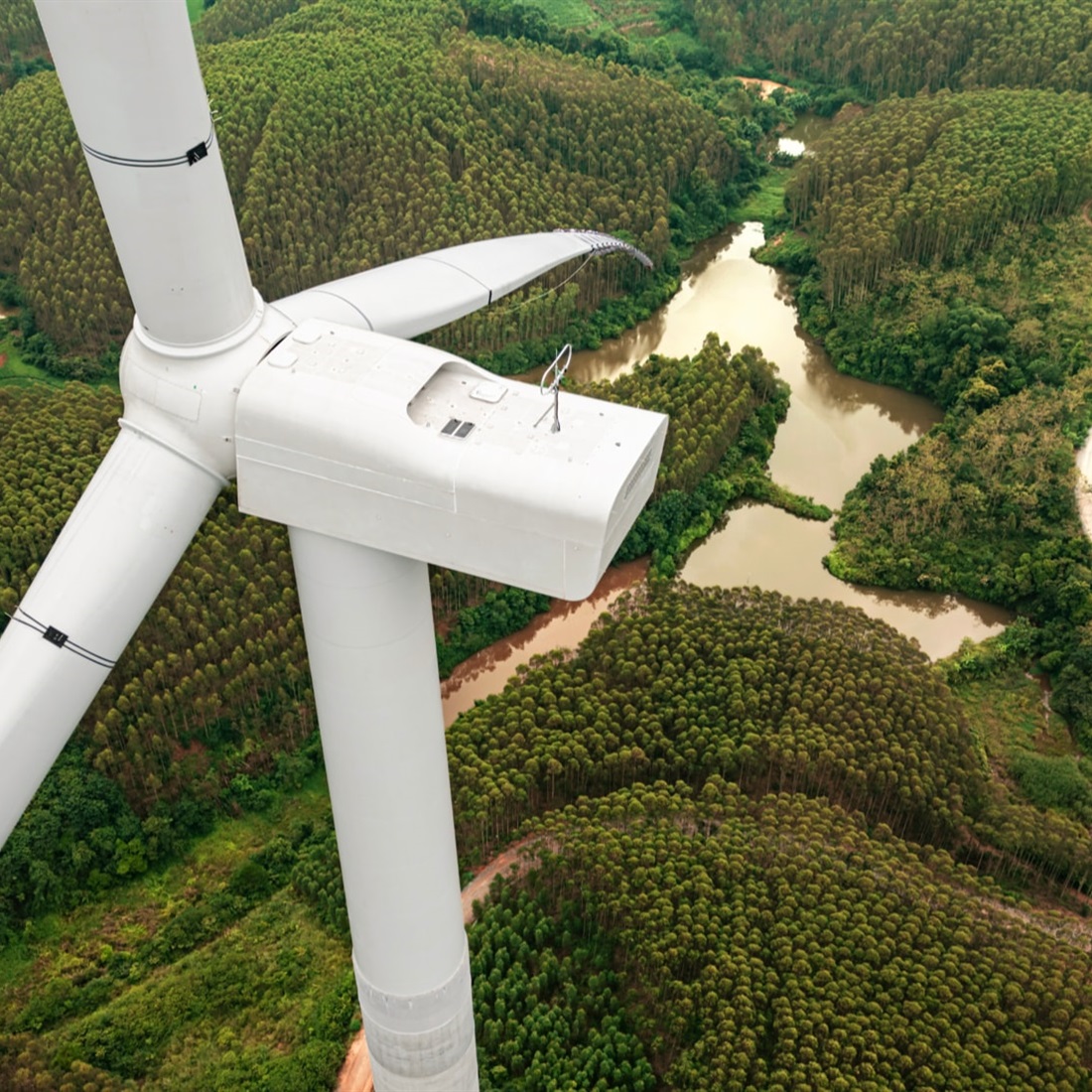
Dajin Heavy Industry (002487.SZ/1081.HK), a Chinese manufacturer of wind power equipment, said first-half net profit increased as record exports offset a sharp second-quarter contraction. Profit in the three months to June 30 plunged 47 percent from a year earlier to 166 million yuan (US$24.7 million), and revenue tumbled 21 percent to 1.35 billion yuan. First-half net profit attributable to shareholders increased about 10 percent to 601 million yuan on revenue growth of 14.5 percent to 3.3 billion yuan. The company shipped a record volume of offshore wind monopile foundations and towers to the European market. Dajin Heavy said its new Caofeidian manufacturing site commenced production as part of expansion of integrated services across wind equipment and shipbuilding.
ENERGY
Huaneng Power International (600011.SS), one of China's largest independent power producers, reported a 28.9 percent drop in first-half net profit to 6.59 billion yuan (US$978 million), with revenue declining 4.6 percent from a year earlier to 106.9 billion yuan. Earnings worsened in Q2, plunging 53 percent sequentially to 2.1 billion yuan. The slump was driven by lower market electricity tariffs and reduced thermal power output as new renewable capacity crowded the grid. While cheaper coal costs provided some relief, foreign-exchange losses and shrinking margins across its coal, wind, and solar divisions offset gains. Despite adding 3,040 megawatts of renewable capacity to raise its clean energy mix to 42 percent, green energy profits have not yet countered the thermal power contraction. The company's core challenge remains balancing rapid renewable expansion against the declining profitability of its traditional fossil fuel assets.
RESOURCE
China Coal Energy (601898.SS/1898.HK), one of China's largest coal producers, reported a stronger second quarter as improved pricing and downstream businesses helped offset weaker coal production. Revenue reached 39 billion yuan (US$5.8 billion), up 8.1 percent from a year earlier, with net profit rising 15 percent to 4.3 billion yuan. For the first half, revenue slipped 1.8 percent to 73 billion yuan, while net profit rose 5.8 percent to 8.2 billion yuan. Coal production fell 8 percent in the first half, offset by higher coal prices. The company's coal-chemical business also improved as production and sales of polyethylene and polypropylene increased.
CMOC (603993.SS/3993.HK), one of the world's largest producers of molybdenum, tungsten, cobalt, niobium and copper, reported an 86 percent jump in first half profit to 16.2 billion (US$2.4 billion) on a 43 percent surge in operating income to 135.3 billion yuan, amid tight global supplies and higher prices for commodities like copper and tungsten The company operates across Asia, South America and Africa, mining metals and minerals vital in industrial production, and it also produces phosphate for fertilizer. It's the world's biggest cobalt miner, holds about a third of the global tungsten market, and is the second-largest miner of niobium, which is used in jet rockets, building girders, oil rigs and gas and oil pipelines and MRI scanners. The company said global prices for copper rose 39 percent in the six months and cobalt prices nearly doubled.
China Nonferrous Mining (1258.HK), a vertically integrated copper producer operating primarily in Zambia and the Democratic Republic of Congo, said first-half net profit jumped 65 percent from a year earlier to US$433.6 million as higher global metal prices widened its margins. Revenue rose 29 percent to US$2.3 billion. Gross profit margin expanded to 42.4 percent. The company attributed its strong financial performance to elevated international prices for copper and sulfuric acid. Looking ahead, the company said it expects copper prices to remain high on strong demand from AI computing and new energy sectors.
China Northern Rare Earth (600111.SS) said net profit for the first half of 2026 more than doubled from a year earlier on record production. Net profit jumped 121 percent to 2.1 billion yuan (US$312 million), and revenue rose 37 percent to 25.8 billion yuan. For the second quarter alone, profit surged 127 percent to 1.1 billion yuan on a revenue increase of 46 percent to 13.9 billion yuan. China is the world's largest miner and refiner of rare earth minerals and magnets vital in production of electronics. Northern said demand remains high.
Zijin Mining (601899.SS/2899.HK), a Chinese multinational mining group, said first-half net profit jumped 68 percent from a year earlier to 39.2 billion yuan (US$5.8 billion) as higher prices for gold, copper and lithium boosted margins. Revenue rose 15.8 percent to 194.2 billion yuan. The company said a rally in global metals prices helped push net operating cash flow up 92 percent to 55.5 billion yuan and reduced the company's asset-to-liability ratio to below 50 percent. Looking ahead, the company said it expects geopolitical tensions, gold purchases by central banks and demand for copper in the AI boom to underpin earnings this year. Future production volume is expected to grow as expansion at its Julong copper mine and the new Zhunuo copper mine come online by the end of the year.
Zijin Gold International (2259.HK), which manages the overseas mining operations of Chinese mainland parent Zijin Mining, reported a 179 percent increase in first-half profit to US$1.5 billion as revenue doubled to US$4 billion from a year earlier. The Hong Kong-listed company said purchases by central banks and demand from gold exchange-traded funds continued to support the global gold market, and prices for bullion in the second half are expected to remain high though volatile. The company mines gold, silver and copper, but gold is its biggest money-spinner. Gold production in the six months rose 44 percent to 27.3 tons. Zijin Gold operates mine in countries that include Columbia, Australia, Kyrgystan, Kazakhstan and Papua New Guinea.
CONSUMER
China Resources Beer (0291.HK), the biggest Chinese mainland beer company by sales volume, said first-half profit slumped 10.7 percent to 5.2 billion yuan (US$772 million), with revenue rising 1.2 percent from a year earlier to 24.2 billion yuan. The company, a listed arm of state-owned China Resources Group, markets Heineken and Amstel brands in China, along with in-house brands that include Snow Gold Crown and Brave the World. The company reported production of 6.6 kiloliters in the six months, up 1.7 percent. China Resources Beer described a changing beer market on the Chinese mainland as consumer tastes diversify, consumption shifts from traditional on-premises drinking to other channels and the industry continues to evolve from scale-driven expansion to value-driven growth.
H World Group (1179.HK/US:HTHT), one of China's largest hotel operators, which runs brands including HanTing, JI Hotel and Orange Hotel, reported second-quarter revenue of 7.1 billion yuan (US$1 billion), up 11 percent from a year earlier. Net profit rose 2.1 percent to 1.6 billion yuan. Revenue from franchised and managed hotels jumped 25 percent to 3.6 billion yuan, outpacing its leased and owned hotels. Revenue per available room, an industry metric combining room rates and occupancy, rose 1.1 percent to 238 yuan at its China hotels. H World raised its 2026 revenue growth forecast to between 4 percent and 8 percent. The group also operates and franchises international brands including Mercure, Ibis and Ibis Styles in China. As of June 30, it operated 13,539 hotels with 1.3 million rooms across 21 countries, 95 percent of them in China.
Hengan International (1044.HK), China's largest producer of diapers, sanitary napkins and other personal hygiene products, said half-year profit declined 8.7 percent from a year earlier to 1.3 billion yuan (US$193 million) on a 6.1 percent drop in revenue to 11.1 billion yuan. The company said lower raw material prices and a higher contribution from premium, high-margin products helped offset an overall decline in sales. Gross profit margin increased by 3 percentage points to 35.3 percent.
Leading Chinese home appliances maker Hisense (000921.SZ/0921.HK) reported a 20 percent decline in first-half net profit to 1.66 billion yuan (US$246 million), with revenue dropping 5.2 percent to 46.77 billion yuan. About 46 percent of its revenue came from overseas sales of air conditioners, refrigerators and other household appliances. The company cited rising raw materials cost and soft domestic demand for squeezed margins.
Leading Chinese sportswear and athletic gear retailer Li Ning (2331.HK), reported first-half profit rose 4.5 percent to 1.8 billion yuan (US$270 million) on a 2.8 percent increase in revenue to 15.2 billion yuan. Operating margin fell to 16.1 percent from 16.5 percent. E-commerce revenue rose 5.1 percent, while directly operated retail sales increased 4.2 percent. Selling and distribution expenses rose 8.1 percent to 4.6 billion yuan as Li Ning increased promotions around sports events. The Beijing-based company said overall retail sales grew in the low single digits, with new products accounting for 83 percent of offline retail sales. Footwear accounted for 54 percent of revenue, with apparel at 38 percent.
Maoyan (1896.HK), a leading Chinese film promotion and distribution company in China, turned to a first-half loss of 28.7 million yuan (US$4.3 million) from a year-earlier gain of 178.5 million yuan as fewer people went to the flicks. Revenue declined 28 percent to 1.8 billion yuan. Maoyan said the six-month box office on the Chinese mainland fell 41 percent to 17.4 billion, while number of movie-goers tumbled 24 percent to 421 million. The company said it participated in promotion and distribution of 18 films in the period, acting as lead distributors for 28 of them, including the popular holiday "Pegasus 3" and "Vanishing Point."
Muyuan Foods (002714.SZ/2714.HK), a major Chinese hog producer and pork processor, posted a first-half loss of 6.1 billion yuan (US$907 million), turning from profit of 10.5 billion yuan a year earlier as hog prices continued to decline. Revenue fell 22 percent to 59.4 billion yuan. Muyuan said hog prices during the period pressured industry profitability, though lower production costs provided some relief. Muyuan's hog-farming costs fell to about 11.7 yuan per kilogram by June, while its slaughtering and meat-products business revenue rose 14 percent to 22.1 billion yuan, with slaughter volume rising 51 percent.
Pop Mart (9992.HK), the Chinese creator of the trendy Labubu monster dolls, reported 17.2 billion yuan (US$2.5 billion) in first-half revenue, up 24 percent from a year earlier. Profit attributable to shareholders rose 10 percent to 5 billion yuan. However, revenue and profit growth fell short of market expectations. China remained the main growth engine, with revenue up 47 percent, while overseas sales weakened. Revenue fell 9.7 percent in the Asia Pacific and 16.5 percent in the Americas. Plush toys were the standout category, with revenue jumping 60 percent to 9.8 billion yuan. The Monsters range behind the Labubu craze, suffering a revenue decline of 7.5 percent, while Twinkle Twinkle and Crybaby series posted strong growth. Pop Mart also announced a share buyback valued at up to US$740 million.
Sands China (1928.HK), a casino and hotel operator in Macau, reported net profit in the first half fell 3.6 percent from a year earlier to US$398 million, citing industry competition. Revenue rose 11 percent to US$3.9 billion, with casino revenues rising 12 percent on increases in both slot machines and gaming tables. Hotel room revenues gained 5.9 percent.
China's Transsion (688036.SS), whose smartphones are the best-selling brand in Africa, reported revenue of 35.4 billion yuan (US$5.3 billion) in the first half of 2026, up 22 percent from a year earlier. Net profit rose 46 percent to 1.8 billion yuan. The company said existing inventory lessened the impact of higher phone prices driven by rising costs for memory chips.
China's ZTO Express (2057.HK/US:ZTO) said first-half profit rose 31.5 percent to 3.9 billion yuan (US$580 million) from a year earlier on a 22.5 percent increase in revenue. The company is benefiting from growth in parcel volume as online shopping continues to expand. Its express services are in particular demand as e-commerce sellers compete on offering faster deliveries. ZTO said it is using AI to manage dispatches and tracking. It operates 92 sorting hubs and its own fleet of 10,000 delivery trucks. Parcel volume is forecast to rise 10 percent this year to 42.4 billion.
PHARMA & HEALTHCARE
CSPC Pharmaceutical (1093.HK), based in Hebei Province, said it turned to a first-half profit of 1.26 billion yuan (US$187 million) from a year-earlier loss of 2.7 million yuan on a tripling of revenue to 3.2 billion yuan. The Hong Kong-listed company's product line includes penicillin, synthetic vitamins, antibiotics and analgesics.
Chinese drugmaker Hengrui Pharma (600276.SS/1276.HK) reported weaker first-half results as declining sales of generic medicines and slower revenue streams from licensing deals outweighed growth in its innovative-drug portfolio. Revenue fell 1.9 percent from a year earlier to 15.5 billion yuan (US$2.3 billion), while net profit edged up 0.3 percent to 4.5 billion yuan. Profit excluding one-time items dropped 12.7 percent to 3.7 billion yuan. For the second quarter, the pharma company posted a 14.5 percent decline in revenue and a 15 percent drop in net profit. Hengrui has been shifting away from production of generic drugs to focus on innovative discoveries and overseas licensing. Innovative drug sales rose 16.4 percent in the first half, accounting for more than 60 percent of pharma sales. Operating cash flow dropped 54 percent to 2 billion yuan. Hengrui also announced plans to repurchase between 1 billion yuan and 2 billion yuan of shares.
HK-listed Ping An Good Doctor (1833.HK) posted a first-half net profit of 219 million yuan (US$365 million), a 63.5 percent increase from a year ago. Revenue slipped 0.7 percent to 2.5 billion yuan. Chief Executive He Mingke highlighted the integration of AI medical technology across the company's full business chain to deliver one-stop healthcare and elderly care solutions.
Drug distributor Sinopharm (600511.SS) said first-half net profit declined 7.3 percent to 880 million yuan (US$130 million) as centralized government drug procurement policies compressed margins and a subsidiary posted heavy losses. Revenue in the period rose 4.3 percent to 26.7 billion yuan. The company recorded a net operating cash outflow of 2.6 billion yuan, representing a decrease of 1.1 billion yuan from the same period last year. Gross margin fell 0.16 percentage point to 5.98 percent. The company also noted substantial losses and asset impairments at its subsidiary Guorui Pharmaceutical.
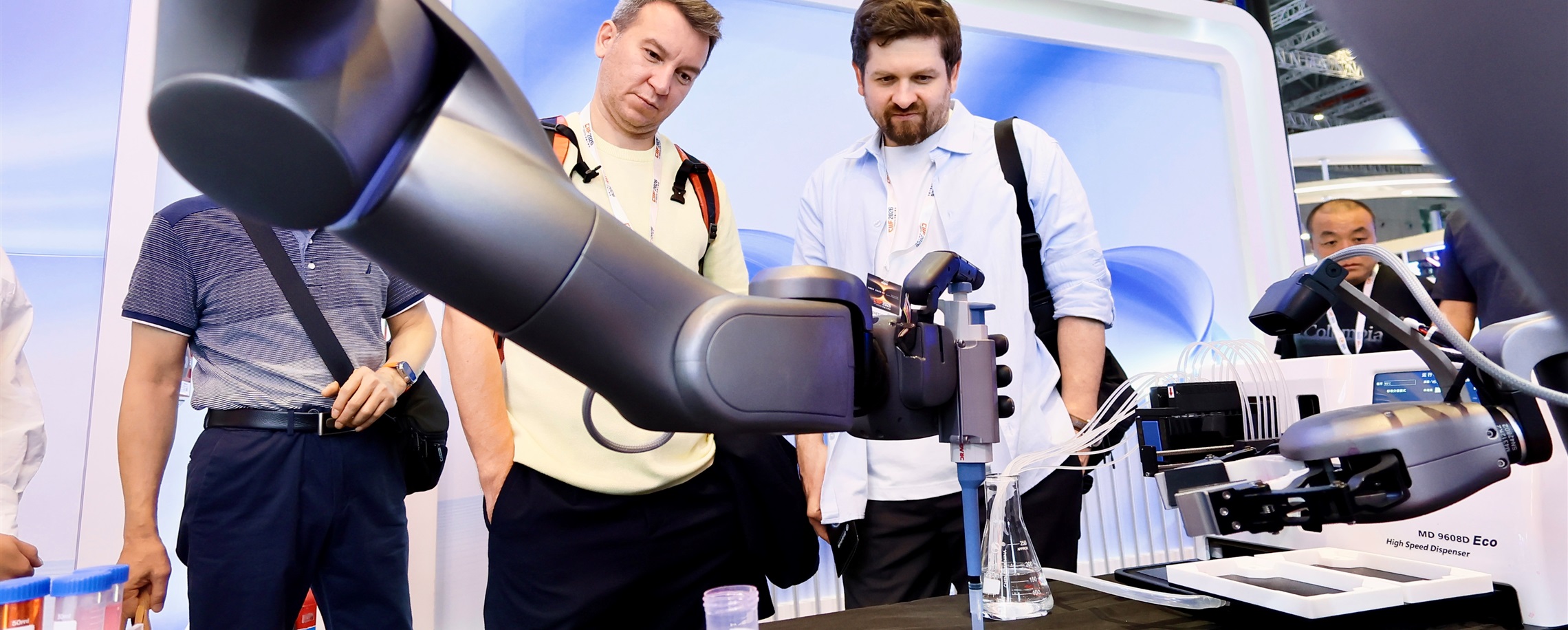
Shenzhen-based biotech company XtalPi (2228.HK), which uses AI technology to discover new drugs, said it turned to a first-half loss of 251.9 million yuan (US$37.4 million) from a year-earlier profit of 82.8 million yuan, partly on a 6.6 percent increase in research and development spending to 367.8 million yuan. Revenue fell 24 percent to 393 million, largely reflecting a big licensing payment a year earlier. Excluding licensing payments, revenue rose 74 percent. The company's pipeline includes drugs spanning oncology, autoimmune diseases, neurodegenerative disorders and chronic diseases. It has collaborative projects with Pfizer and Eli Lilly and said it is integrating AI technologies and robotics into its operations.
TELECOM
China Telecom (601728.SS/0728.HK), the Chinese mainland's second-largest mobile carrier, reported weaker first-half growth in traditional telecom services while its AI-related business continued to expand. The company said revenue fell 3.9 percent to 259 billion yuan (US$38.5 billion), with a 15 percent drop in net profit to 19.6 billion yuan. Industry-wide telecom revenue declined 2.1 percent in the first half as mobile and data growth reached maturity. However, China Telecom's intelligent business revenue rose 7.1 percent to 31 billion yuan, accounting for 13 percent of total revenue. The company is accelerating its shift from a traditional connectivity provider to an AI service provider by expanding cloud computing, AI applications and token-based services.
China Unicom (600050.SS/0762.HK), the nation's second-largest telecom carrier, posted a first-half revenue of 201.4 billion yuan (US$30 billion) in the first half, up 0.6 percent from a year earlier. However, net profit dropped 34.6 percent to 9.5 billion yuan, which the carrier attributed to labor costs and changes in government tax policy. The value-added tax rate for telecom services in China was raised to 9 percent from 6 percent this year, putting pressure on some operators.
Telecommunications equipment and systems provider ZTE Corporation (000063.SZ/0763.HK) said first-half net profit dropped 46 percent from a year earlier to 2.8 billion yuan (US$409 million) even as revenue reached a record high of 78 billion yuan, up 9 percent. The company attributed the profit squeeze to a shift in industry cycles and adjustments in its business structure, though both revenue and profit improved sequentially in the second quarter. Top-line expansion was driven by double-digit growth across the company's computing power, personal terminal and international market segments, offsetting declines in communications infrastructure investments from China telecoms.
FINANCE
Citic Securities (600030.SS/6030.HK), the financial arm of conglomerate Citic Group, reported a 70 percent jump in net profit to 23.3 billion yuan (US$3.5 billion) on surging brokerage fees and investment banking income amid market rallies and a host of initial public offerings. Revenue jumped 44 percent year from a year earlier to 67.2 billion yuan. Fees and commissions from its brokerage business rose 54 percent to 9.9 billion yuan, while those from investment banking jumped 44 percent and from asset management, up 32 percent. Investment income, however, fell 32 percent. The company's office in Hong Kong was raided by authorities in March 2026, following an investigation into insider trading between two brokerage houses and a hedge fund.
Guotai Haitong Securities (601211.SS), China's biggest brokerage firm, reported a 168 percent net profit surge in the first half to 19.5 billion yuan (US$2.9 billion), as revenues jumped 97 percent to 47.2 billion yuan. Net commission income from brokerage services more than tripled to 22.1 billion yuan, contributing almost half to the overall income, fueled by active Chinese mainland stock markets. Proceeds from asset management doubled to 14.6 billion yuan. The firm was created in April last year in the merger of Guotai Junan Securities and Haitong Securities.
Shenzhen-based Ping An Insurance (601318.SS/2318.HK), China's most valuable insurance company, reported first-half net profit attributed to shareholders rose 36 percent from a year earlier to 92.6 billion yuan (US$13.8 billion), largely on tripled earnings from its asset management business. Profit from its banking business increased 3.3 percent, while that from property and casualty insurance fell 12.4 percent. Overall revenue rose 12.6 percent year to 615.3 billion yuan. The company said it had 253 million retail customers at the end of June, a 0.9 percent gain from a year earlier. "We aim for higher-value growth, and create value through service," Chairman Ma Mingzhe said in the earnings report.
Editor: Liu Qi
In Case You Missed It...

 Oct 13, 2026