Shanghai Unveils 31-Point Plan to Bolster Innovation and Global Investment
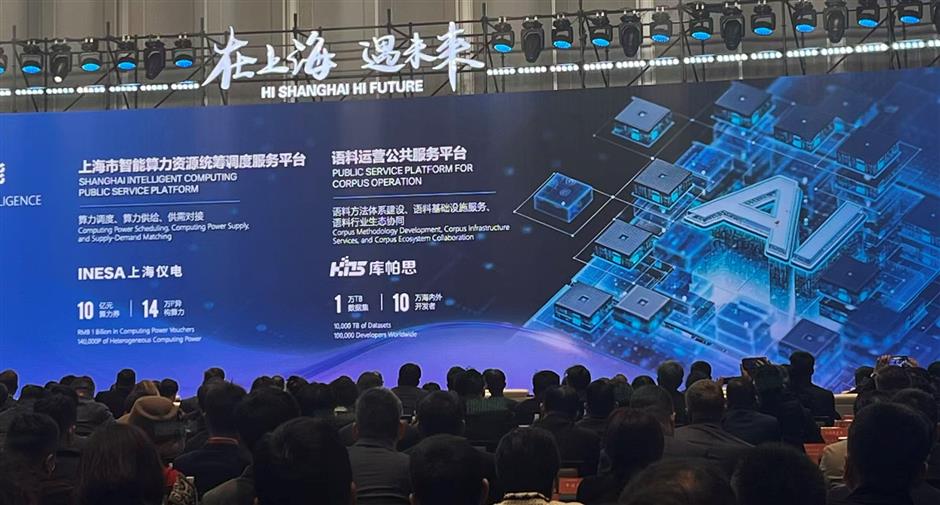
Shanghai has announced a comprehensive package of 31 policy initiatives aimed at attracting enterprise investment and optimizing the city's business environment. The plan specifically targets high-growth sectors, including artificial intelligence, advanced manufacturing and autonomous driving.
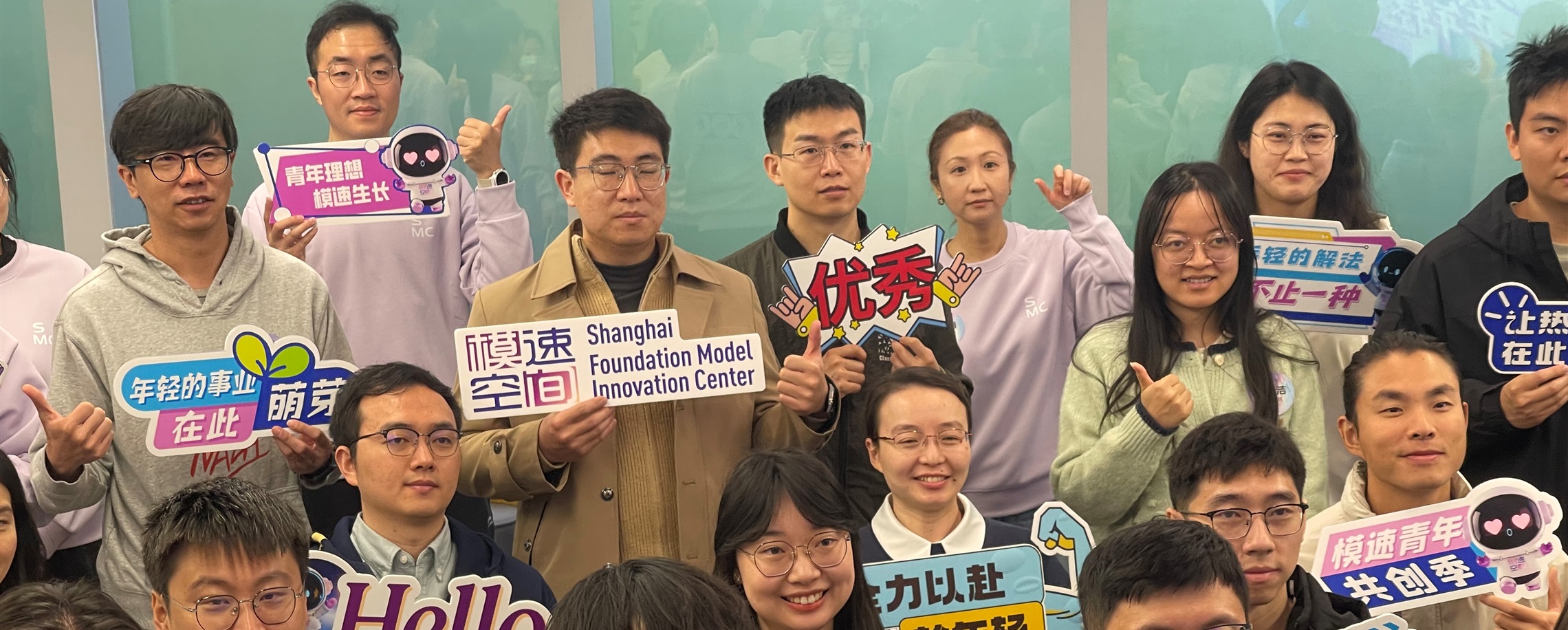
The initiatives were unveiled during the annual Shanghai Global Investment Promotion Conference, held over the weekend at the newly inaugurated Shanghai Eastern Hub International Business Cooperation Zone. The event was attended by the city's top leadership, including Party Secretary Chen Jining and Mayor Gong Zheng.
City officials emphasized that Shanghai is committed to building a world-class innovation ecosystem, backed by a robust science and technology financial services system designed to support the sustained growth of diverse enterprises.
The 31-point package is structured around three key pillars:
Public Service Platforms: Eleven platforms were introduced, including a city-level AI computing hub designed to provide small-and-medium enterprises (SMEs) with flexible, low-cost AI capabilities. Additionally, a new online industrial supply chain platform now connects 800,000 component manufacturers.
Specialized Pilot Test Platforms: Ten new testbeds will provide infrastructure for experimental technology, such as humanoids.
Landing Application Scenes: Ten scenarios have been designated for sectors like humanoid robotics, energy storage and advanced materials to accelerate their commercialization.
Industry Giants Expand Footprints in Shanghai
High-tech leaders, including MiniMax, Pony.ai, UBTech and Xreal, welcomed the new policies and announced growth plans within the city.
MiniMax, the Shanghai-based AI firm, has seen explosive growth since its Hong Kong listing in January, with its market value reaching 316.7 billion yuan. CEO Yan Junjie revealed that daily token consumption for the M2 series text models in February was six times higher than in December 2025.
"These developments would not have been possible without Shanghai's comprehensive support in policy, funding and talent," Yan said, noting that future token costs are expected to stabilize at approximately US$1 per hour, making AI accessible by more people.
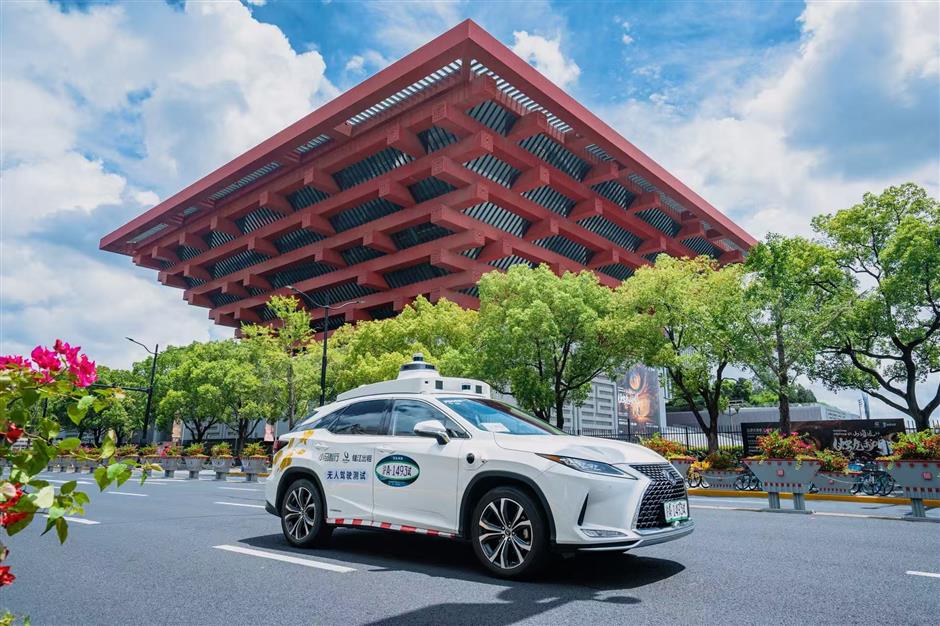
In the autonomous driving sector, Pony.ai is currently testing Robotaxi services in the Huamu and Jinqiao regions of the Pudong New Area, with plans for a citywide rollout. Pony.ai Vice President Huang Jun highlighted Shanghai's "advanced AI infrastructure and deep talent pool" as critical advantages.
Local officials confirmed that Shanghai's autonomous driving pilot zones now cover one-third of the city's area, with over 500 vehicles operating daily to facilitate data sharing.
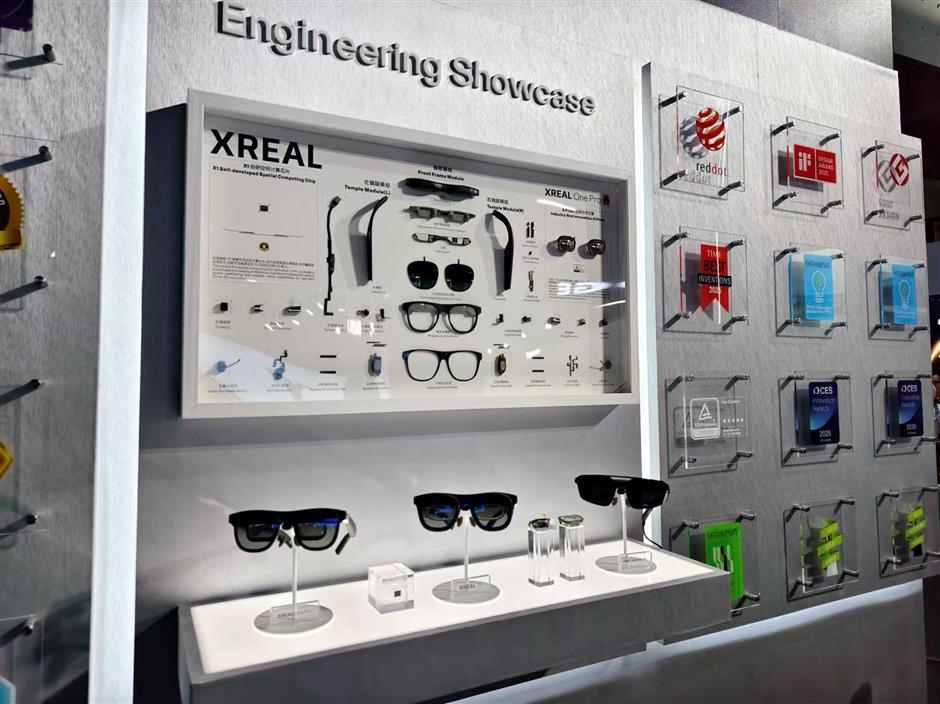
Smart glasses vendor Xreal, which has surpassed 700,000 units in cumulative sales, is also doubling down on its local presence. The company has invested in new facilities in the Pudong New Area dedicated to chip design, AI development and supply chain integration. In 2026, Xreal plans to scale its investment further, positioning "Made-in-Shanghai" intelligent devices for the global market.
Editor: Yao Minji
![[Hai Guide] Your Fun & Food Guide to the Longines Global Champions Tour Shanghai](https://obj.shine.cn/files/2026/04/30/a759d72c-ce68-484c-a126-b0e5257fc396_0.jpg)