WorldSkills Competition Expands to Embrace Software, Smart Security Technologies
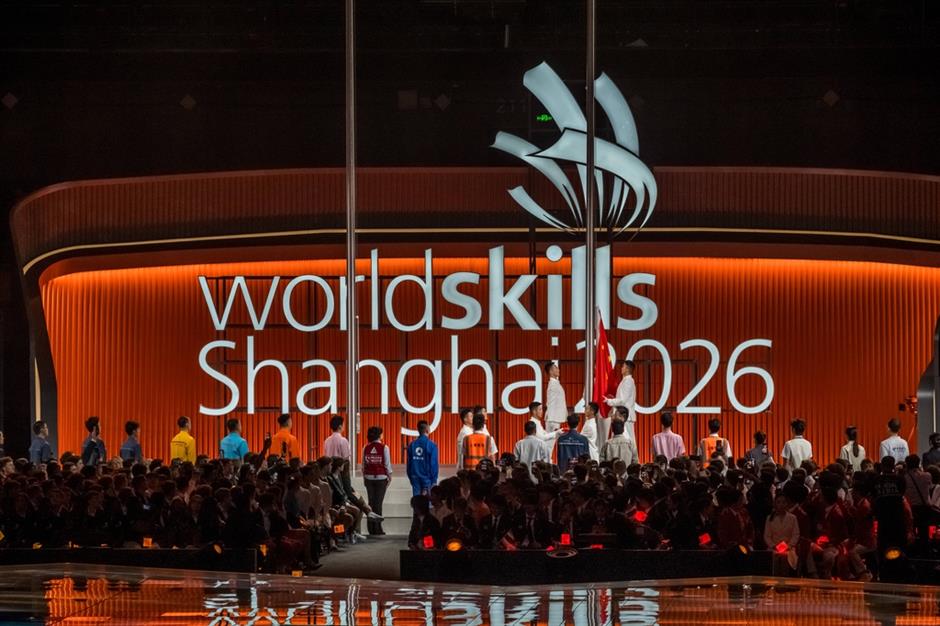
Seven technology-related work categories have been added to the 2026 WorldSkills Competition now underway in Shanghai, including software testing and intelligent security technology. The new competitions highlight the growing demand for new skillsets in a world of increasing digitization and intelligence systems, while emphasizing the integrated capabilities needed for digital skills and the control of equipment and systems in modern job roles.
Software Testing
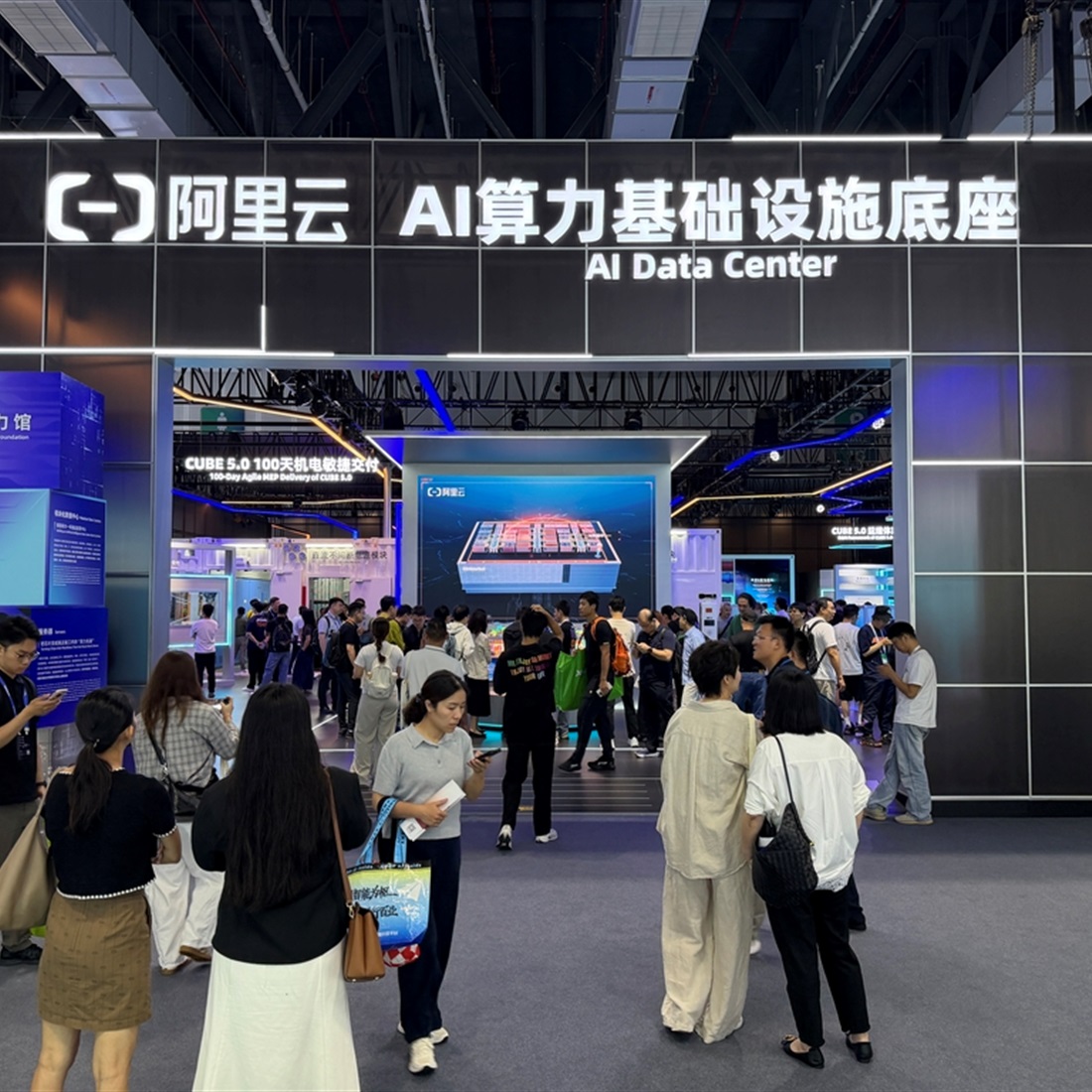
In 2025, Shanghai's software and information service industry output surpassed 2 trillion yuan (US$294.1 billion), now accounting for 12 percent of the city's economy and serving as a major growth engine. By 2030, that output is expected to double, propelled by breakthroughs in industrial software and AI empowerment. Software testing stands as a key component and foundation of this booming sector.
This new competition event measures skills across analysis, design specifications and coding related to analyzing business requirements and formulating test plans; designing and executing test cases; recording and analyzing results; demonstrating proficiency in mainstream testing tools and programming languages; and summarizing software defects to compile comprehensive test reports.
In software engineering, development and testing are distinct roles. This professional division of labor helps overcome the psychological barriers and blind spots associated with developers self-correcting their own work, enabling the detection of more program faults and defects, said Cai Lizhi, director of the Shanghai Computer Software Technology Development Center.
Artificial intelligence today has evolved from a simple tool for software test engineers into a collaborative partner, enabling engineers to deploy multiple AI agents to conduct testing autonomously. AI testing tools were integrated into the training curriculum at the Chinese training center for the 2026 WorldSkills Competition. Cai said he believes that software test engineers must deepen their understanding of associated industries and cultivate cross-disciplinary knowledge. This fosters an effective division of labor with AI, where intelligent agents handle repetitive tasks while engineers analyze potential issues from a broader industry perspective.
Furthermore, the AI-powered software development process generates massive research data that require professional and rigorous software testing, noted Wu Lianfeng, vice president of IDC China.
Intelligent Security Technology
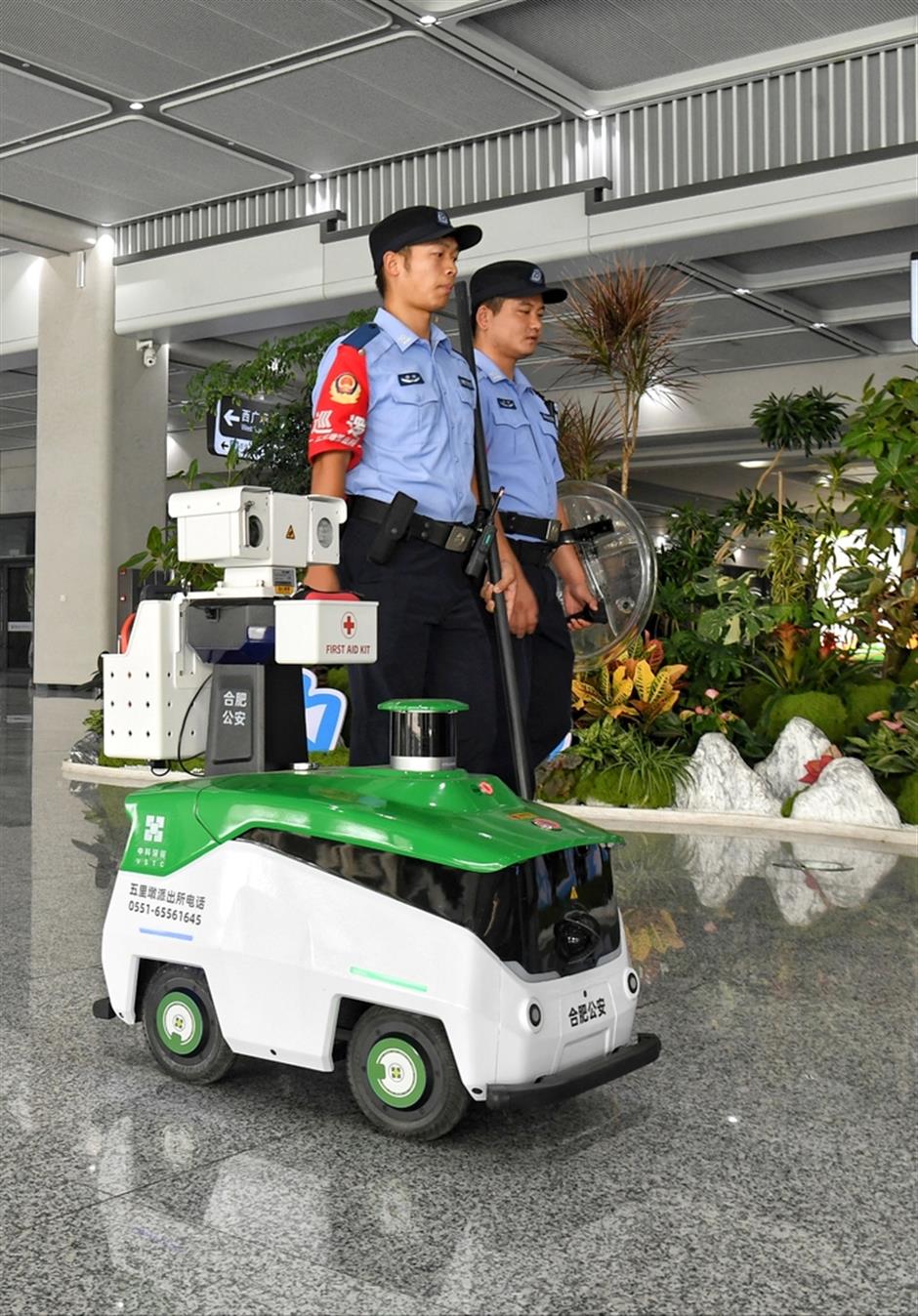
Modern communities depend on advanced security infrastructure to protect residents, property and public facilities from theft, trespass and other safety threats. The industry covers high-definition surveillance, AI image analysis, big data processing, smart sensor networks and automatic alert systems. Intelligent security technicians are cross-disciplinary experts in this fast-emerging industry, handling alarms, video surveillance, access control, intercoms, central monitoring platforms, and environmental sensors.
The WorldSkills competition in this sector closely follows real industry workflows to evaluate contestants' comprehensive practical abilities. Competitors must design targeted security solutions, install and debug surveillance, handle alarms and smart fire protection equipment, and optimize system performance and troubleshoot technical faults.
"As technology becomes more complex, reliability and safety become more valuable," said Fan Haobin,Deputy Director of Research Division of the Institute of Urban and Demographic Studies, Shanghai Academy of Social Sciences.
Surveillance cameras on street corners, sensors at parking lot entrances and drones servicing farmland fall squarely within the realm of security. With the rapid advancement of AI, traditional security is evolving into smart devices equipped with digital brains.
Smart security technology is a shining gem of the industry, said Qi Li, head of the expert panel for the intelligent security technology category at the WorldSkills Competition and research director of the Internet of things center at the Third Research Institute of the Ministry of Public Security.
The new competition tests the integration of hardware and software. Participants need to understand traditional hardware installation while also grasping the fundamental principles of AI, deep learning algorithms and large-scale models to effectively link these sensing and security technologies, Qi said.
Editor: Yao Minji
In Case You Missed It...
![[Chinamaxxing] Qiufen, AKA Autumn Equinox](https://obj.shine.cn/files/2026/09/22/28d32ec3-070f-4b2c-bcd0-6dfcb977995f_0.jpg)
 Sep 23, 2026