Shanghai Opens MedTech Center in Visa-Free Business Zone
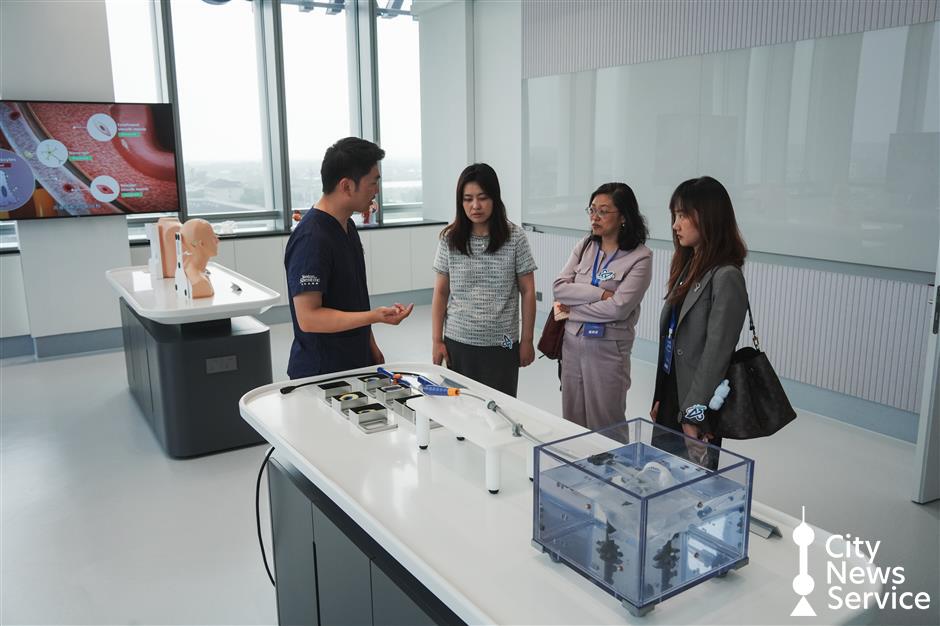
Shanghai launched a global medical technology center inside its new international business zone on Monday, drawing top foreign healthcare firms to the pilot area that offers visa-free entry and tax breaks.
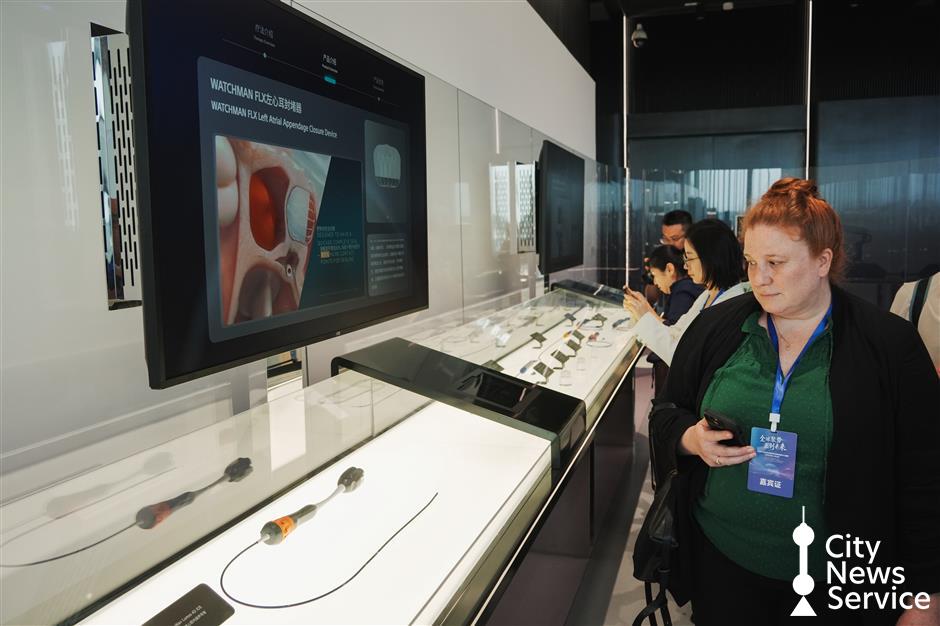
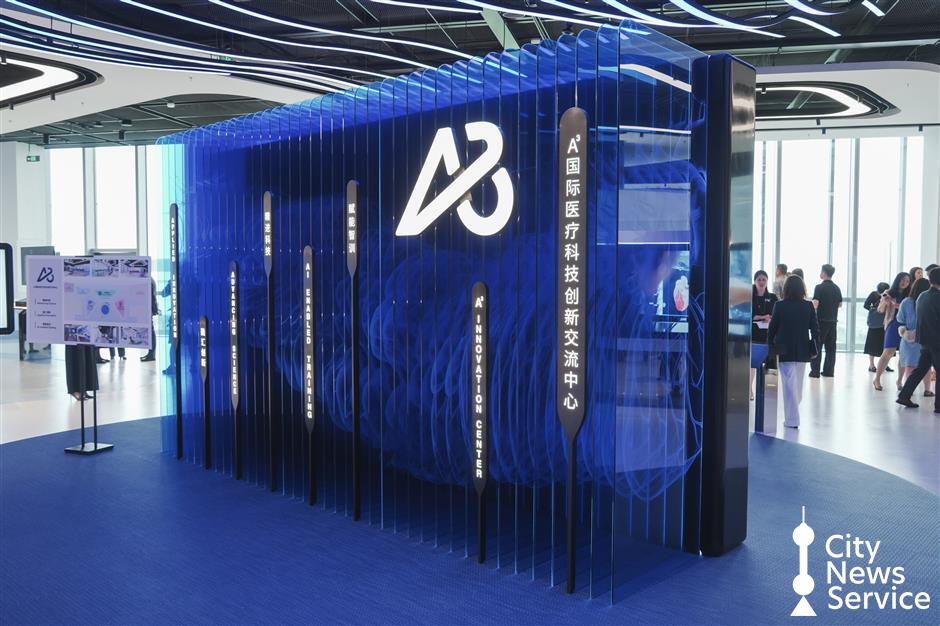
The Global Hub for MedTech Innovation & Exchange began operations inside the Eastern Hub International Business Cooperation Zone. Its first flagship project, the A3 International Medical Technology Innovation Center, also opened on Monday.
Global medical giants Boston Scientific, Danaher, and Siemens Healthineers jointly developed the project to create integrated treatment plans for cardiovascular diseases, tumors, and neurological disorders.
Local officials described the new facility as a milestone for the city's opening-up strategy and its medical sector.
"The center will build a high ground for high-end medical device training, displays, transactions, and innovation that faces and serves the entire world," said Zhao Yugang, deputy director of the business zone's administration bureau.
"It will facilitate the collision and exchange of cutting-edge theories and techniques, leading to the fruition of innovative projects."
Zhao noted that the international business zone has operated for 150 days and has already hosted major events like the Appliance & Electronics World Expo.
The new medical center will help Shanghai build a world-class biomedical industry cluster by serving both domestic and international markets, he added.
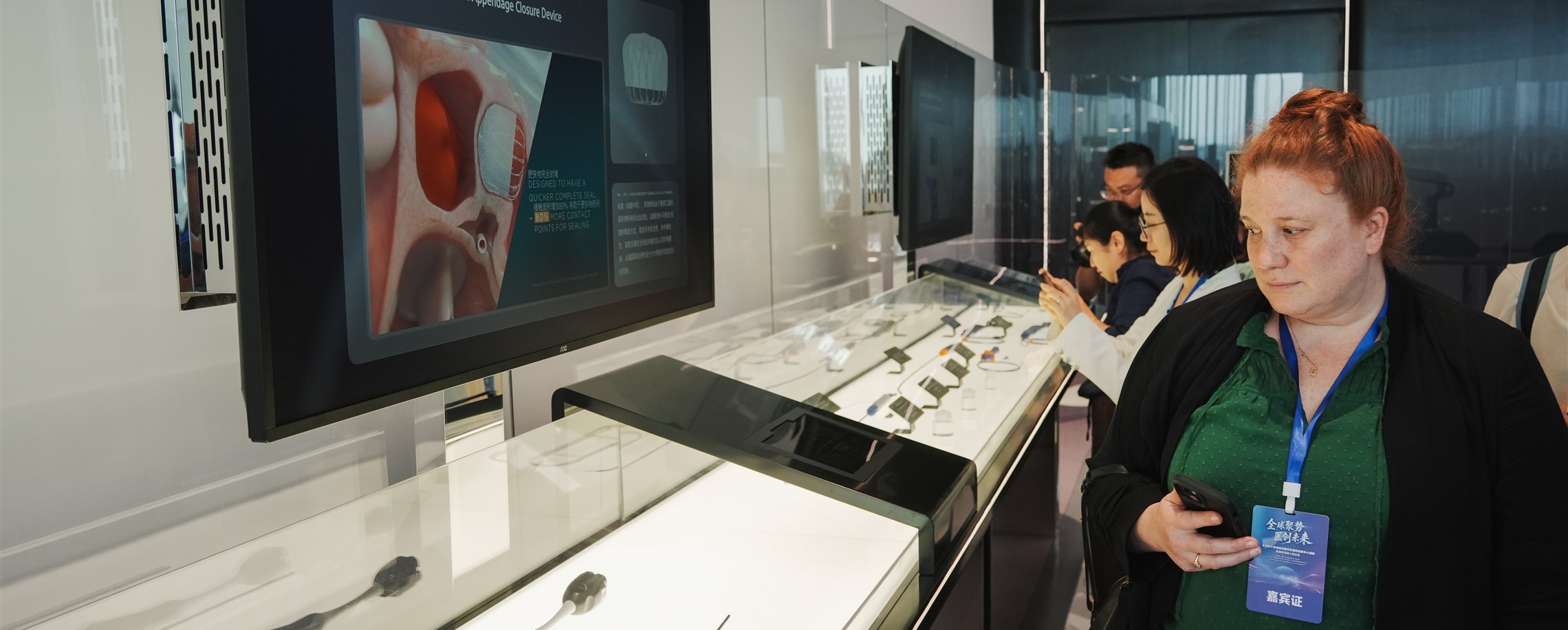
The center focuses on three core areas: international medical training, advanced product exhibitions, and cross-border research and development support.
The 0.88-square-kilometer business zone offers significant conveniences for foreign professionals. Overseas visitors can stay in the zone for up to 30 days without a visa upon invitation, and even extend their stay.
Eligible foreign medical equipment and materials can enter the area duty-free, which lowers the cost of international exhibitions and training.
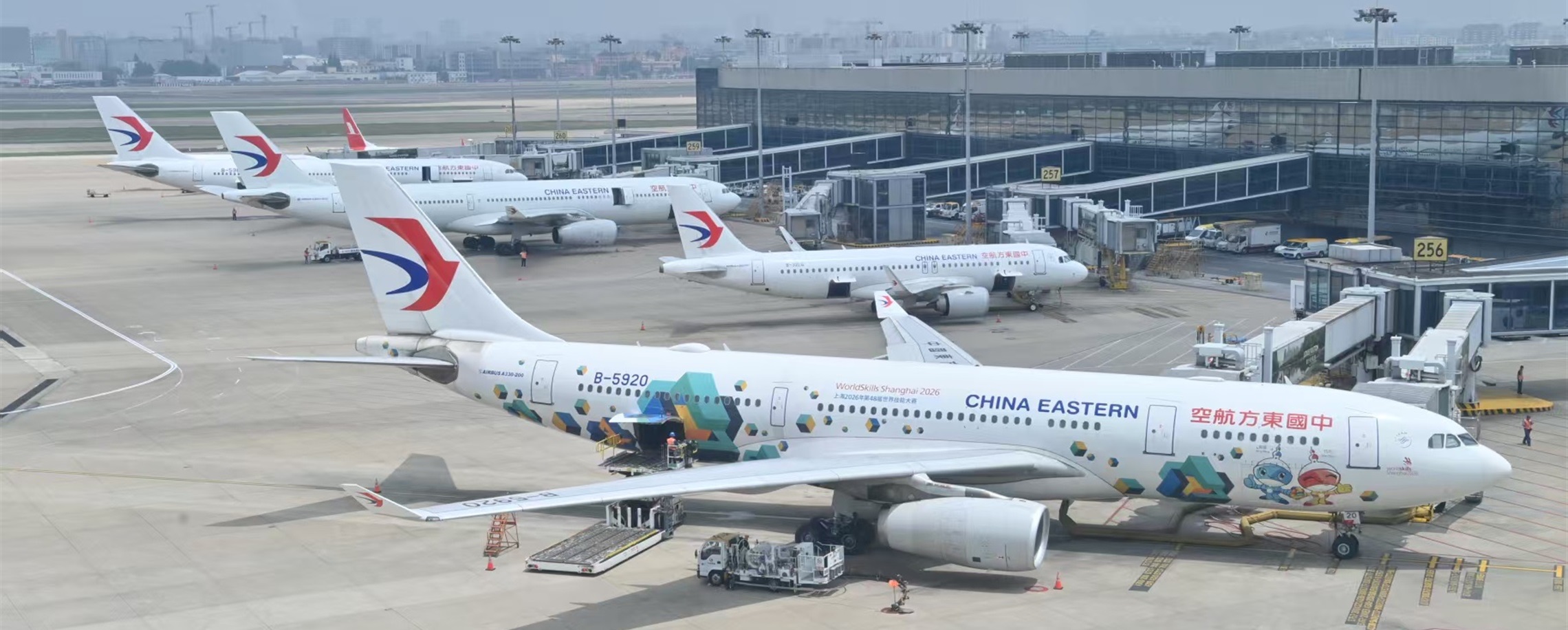
The hub sits between Pudong International Airport and the under-construction Shanghai East Railway Station. Foreign participants can reach the zone via dedicated shuttles within 15 minutes of landing, using only their passport and an invitation letter.
Before leaving the country, foreign travelers can complete their airline check-in, tax refunds, and security screenings inside the hub.
To expand the center's ecosystem, several new partnerships were signed during the opening ceremony. Boston Scientific launched its Asia-Pacific Brain-Computer Interface Training & Innovation Lab at the site.
The company also signed cooperation agreements with Fudan University Shanghai Medical College, the Mayo Clinic, and the Shanghai Institute for Physical Artificial Intelligence and Robotics to collaborate on academic exchanges, clinical technology conversion, smart medical equipment research, and talent training.
Additionally, Mindray Medical signed an agreement to launch a joint program for exporting domestic medical devices, while Shanghai Ninth People's Hospital signed on to establish an international diagnosis and innovation service center for medical aesthetics.
By the end of 2025, the city's bonded areas had already gathered 204 medical device enterprises, including 61 of the world's top 100 medical technology companies. These areas import nearly half of China's medical instruments each year.
The center currently operates on the fourth and fifth floors of an initial building site. Four new buildings totaling nearly 50,000 square meters will be built in the zone to house more training facilities and trade shows.
Plans also include adding high-level international medical institutions on the west side of the zone to create a full service system for the lifecycle of medical devices.
Editor: Yang Meiping