Storm Bet: Hurricane, Typhoon or Extratropical Cyclone?
Weapons and tactics are not the only factors that decide a major war's outcome. There is an unseen game-changer – the weather.
The newly screened film "Pressure" centers on the critical three days preceding the historic "Normandy Landings," (during World War II) featuring a thought-provoking detail. Staring the violent gales and towering waves across the English Channel, United States President Dwight Eisenhower labeled it a hurricane. His chief meteorologist, James Stagg, did not agree.
Here is a quick meteorology primer. Hurricanes describe tropical cyclones in the North Atlantic and Northeast Pacific. Identical weather systems earn the name typhoon in the Northwest Pacific.
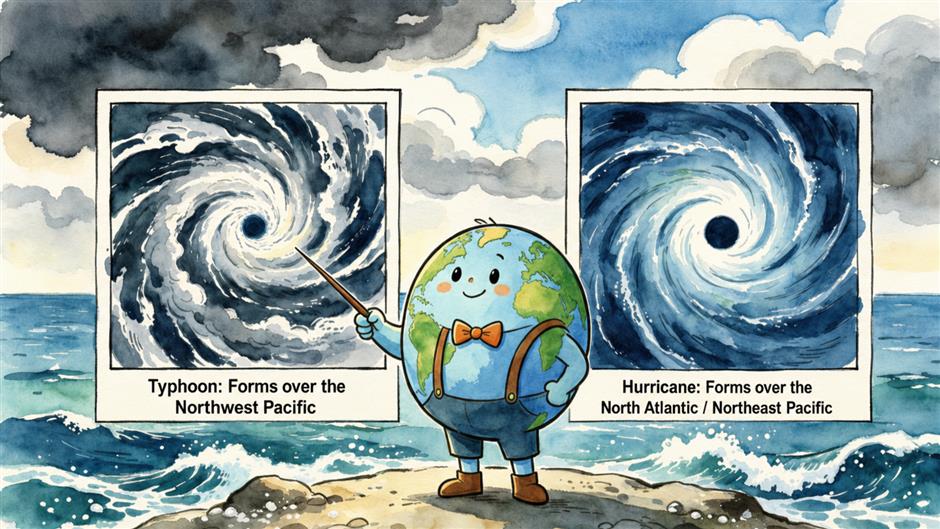
We use typhoon here since it's more widely known in China.
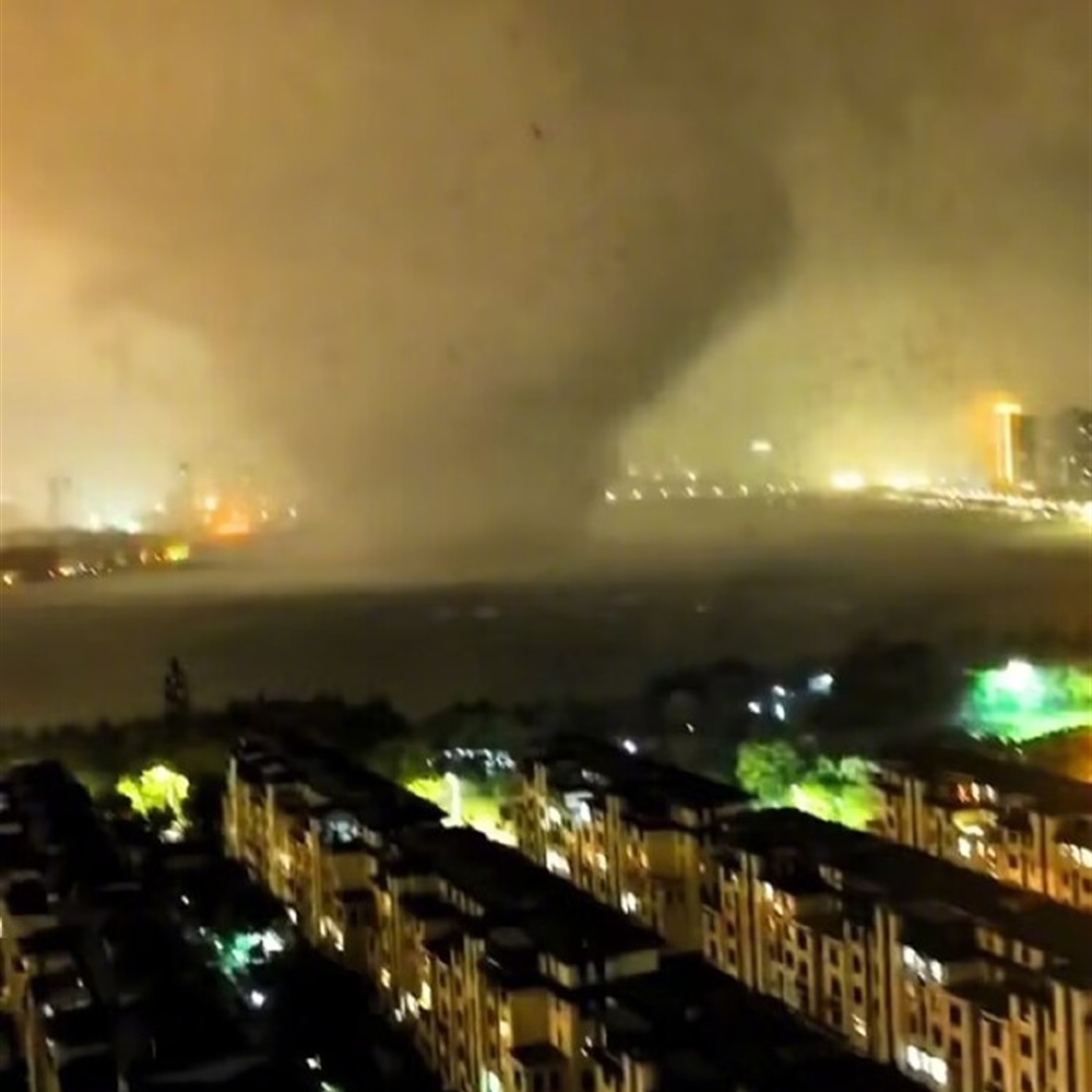
Many people associate fierce ocean winds and torrential rain with typhoons. Meteorologically speaking, however, the Normandy storm was neither a hurricane nor a typhoon – it was an extratropical cyclone, also known as a frontal cyclone. There are several differences between extratropical cyclones and typhoons, as we take Northern Hemisphere as an example.
They have different formation mechanisms.
Extratropical cyclones form within mid-latitude westerlies, fueled by violent collisions between cold and warm moist air. The boundary where these air masses converge is called a frontal surface, clearly marked on the surface weather charts shown in the meteorology room in the film.
Extratropical cyclones arise from conflicting air masses. In early June 1944, frigid polar air from Iceland drifted south and collided forcefully with warm, moist Atlantic airstreams above the English Channel, spawning the persistent extratropical cyclone appearing in the movie.
While typhoons develop exclusively over tropical ocean waters with temperatures of at least 26.5 degrees Celsius, they draw energy from massive volumes of warm vapor evaporated by hot sea water, forming self-contained, independent storm systems.
Meanwhile, the two have different structures.
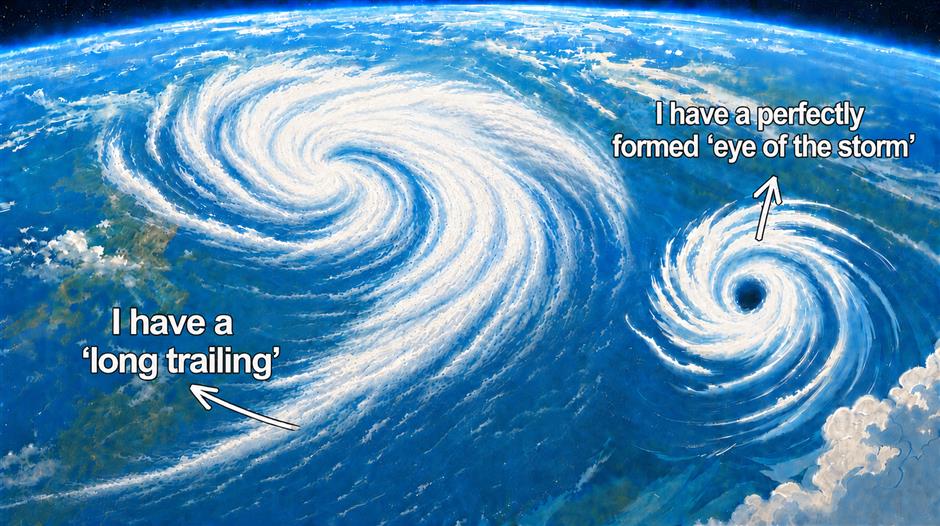
Extratropical cyclones boast sprawling cloud bands stretching thousands of kilometers with uneven patterns. Brief lulls with partial clearing often emerge within the storm – a window allied forces exploited to launch the landing.
However, typhoons feature tight, symmetrical structures. Powerful typhoons develop distinct calm, clear eyes with mild temperatures, a stark contrast to the ferocious wind and rain surrounding the core.
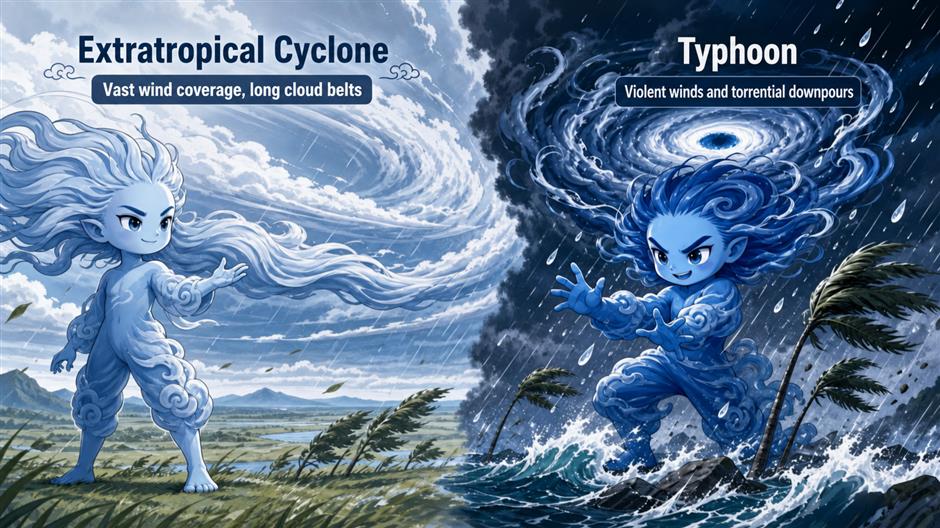
The two cyclone varieties produce vastly different hazardous conditions as well. Extratropical cyclones carry relatively moderate peak winds between 15 and 25 meters per second, but linger for seven to 14 days. Beyond heavy rain, they generate thick fog, low cloud ceilings and rough seas that cripple visibility, which was the primary reason allied aircraft could not take off.
Typhoons deliver extreme, concentrated wind and rain. Super typhoons sustain central wind speeds exceeding 50 meters per second yet dissipate rapidly, with typical lifespans of three to seven days.
Moreover, extratropical cyclones can form any time of the year, peaking in winter and spring. The North Atlantic and China's eastern coastal waters are frequent hotspots. Typhoons are seasonal, mainly affecting Northern Hemisphere from July through October. The Normandy landing took place in early June, a peak window for North Atlantic extratropical cyclones, confirming the storm's classification.
Shifting to present-day climate realities: Global warming destabilizes atmospheric circulation, triggering more frequent high winds and prolonged cloudy-rainy weather driven by extratropical cyclones.
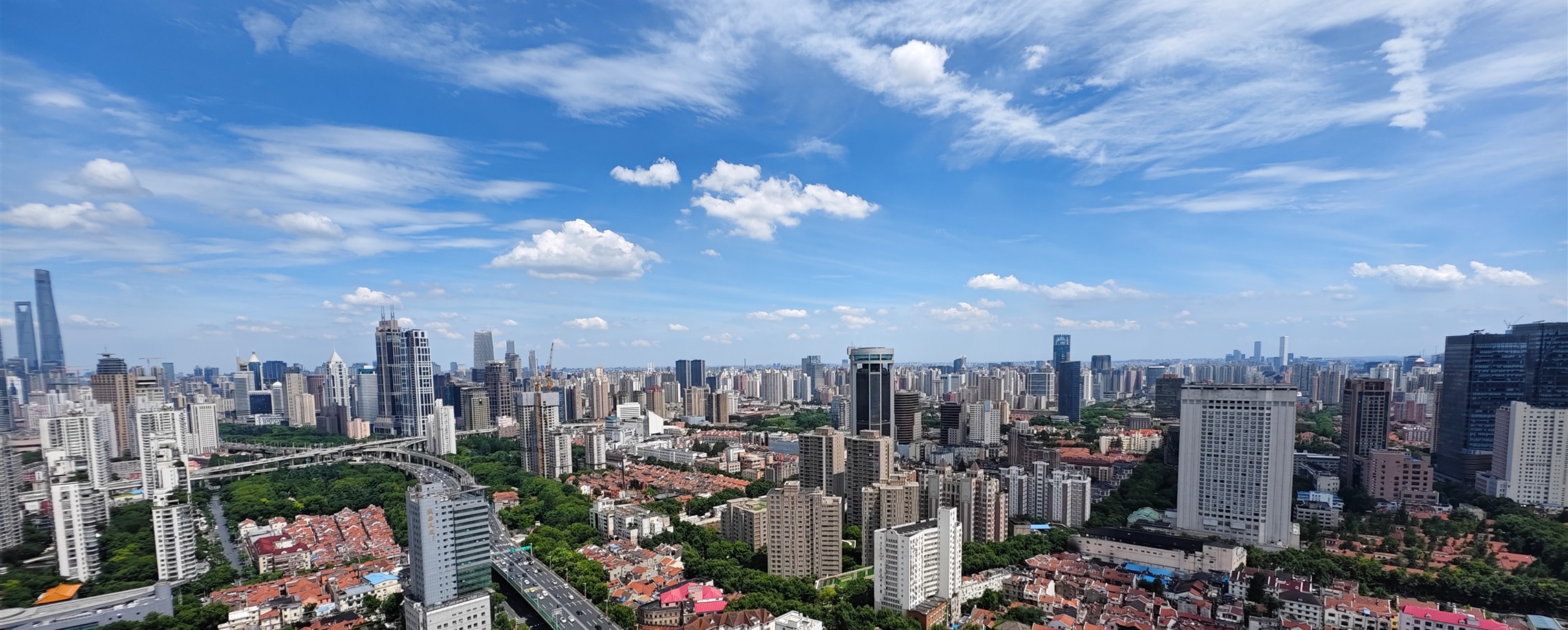
Since late May, repeated collisions between cold and warm air masses across the middle and lower Yangtze River basin have spawned extratropical cyclones, bringing persistent rain and stifling humidity reminiscent of the annual plum rain season. Typhoon activity intensifies in summer.
Meteorological forecasting has advanced drastically since the "Normandy Landings." Shanghai meteorological authorities have deployed cutting-edge technology to strengthen typhoon forecasting capabilities. They have rolled out an artificial intelligence-physics hybrid prediction model, launched an intelligent typhoon forecasting agent, upgraded national-level typhoon ensemble forecast systems, and coordinated cross-platform field observation campaigns. These advances sharpen forecasts of typhoon tracks and intensity, expanding lead time for disaster prevention and mitigation.
Editor: Li Qian
In Case You Missed It...
![[Health Byte] Hair Loss: Classification, Care and Common Misconceptions](https://obj.shine.cn/files/2026/07/05/c6d6ee12-b2cc-4004-80cb-cbd0be0aefdc_0.jpg)
 Jul 7, 2026
![[Hai Guide] How to Use Hongqiao Airport's New Free Luggage Storage Service](https://obj.shine.cn/files/2026/07/07/e157d448-552e-4b9e-8e7d-f7e562d4f17b_0.jpg)