Shanghai's First Metro Line Crossing Yangtze River Enters Key Testing Phase
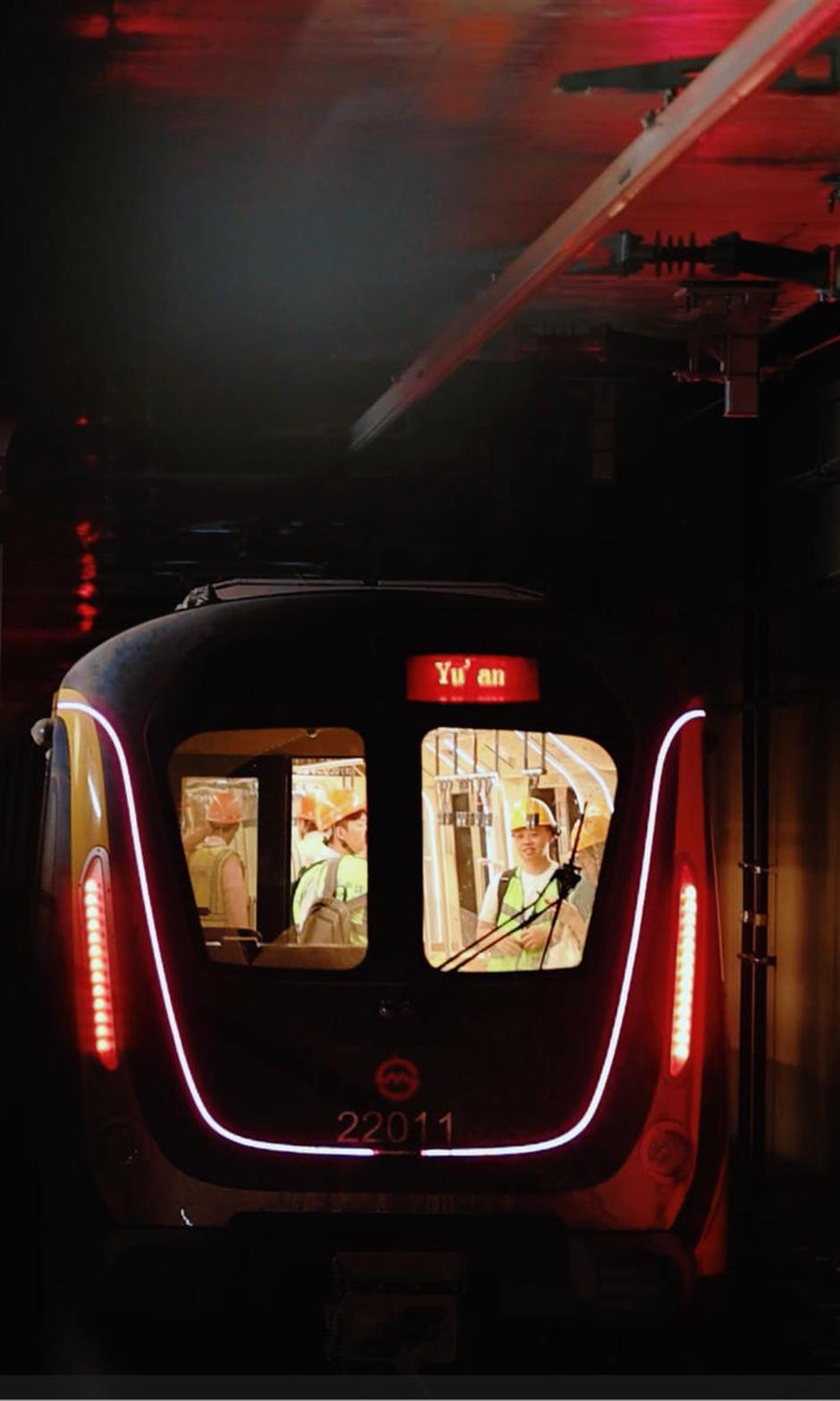
The first trains for Shanghai Metro Line 22, also known as the Chongming Line – the city's very first rail route to cross the Yangtze River – are undergoing on‑track testing and commissioning, Shanghai Daily has learned.
A total of 40 three-car fully automatic trains have been ordered for the line. Fourteen units have been delivered so far. Ten of them have wrapped up vehicle-level testing and been handed over for signalling integration, with all static communication and signalling tests now complete. Six trains are currently undergoing dynamic ATO (automatic train operation) trials, while full-line ATO dynamic testing is being carried out across the whole route simultaneously.
Built to GoA4 standards, the highest global grade for fully automatic, driverless Metro operation, the line can hit speeds of up to 120 kilometers per hour.
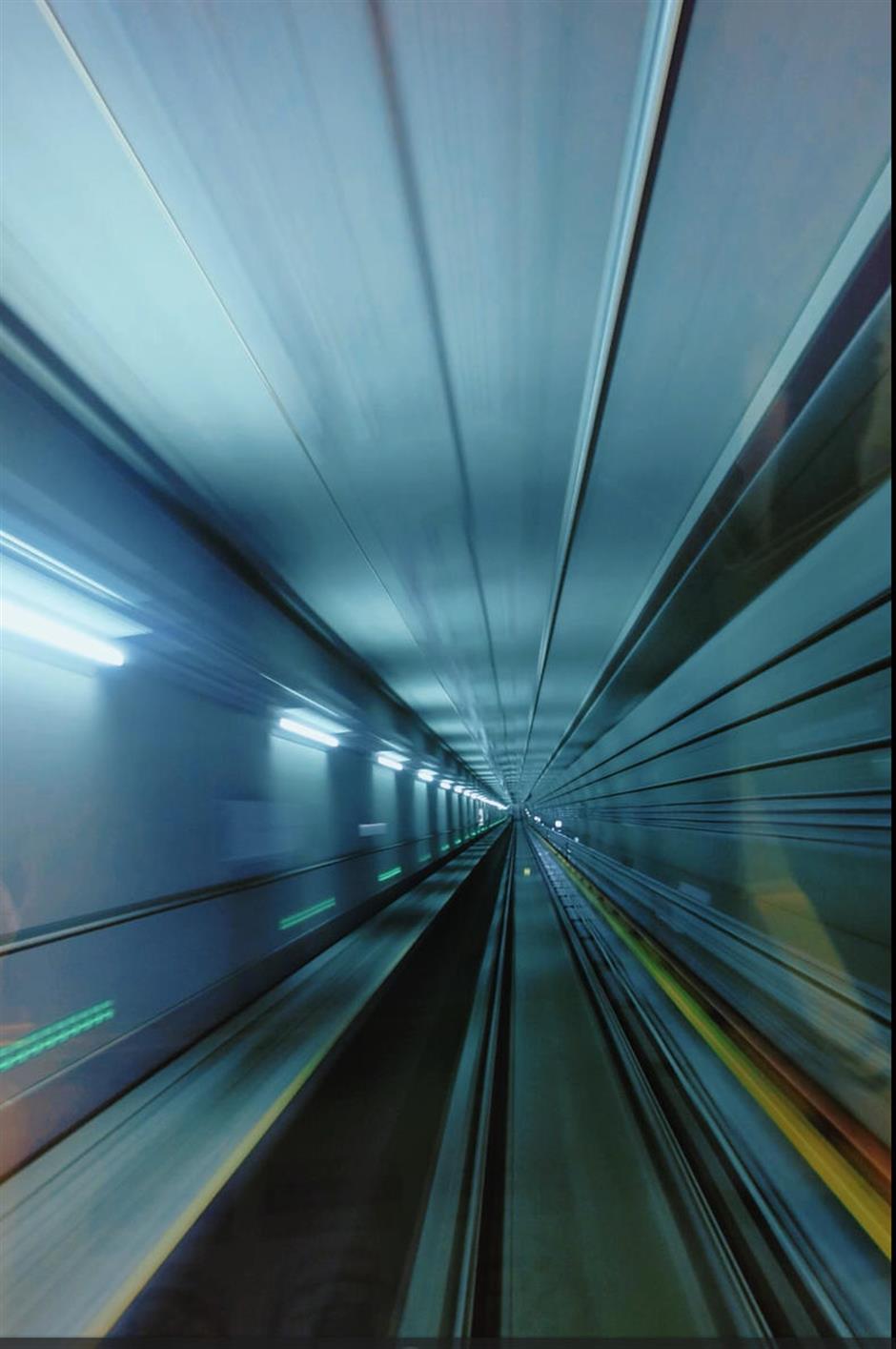
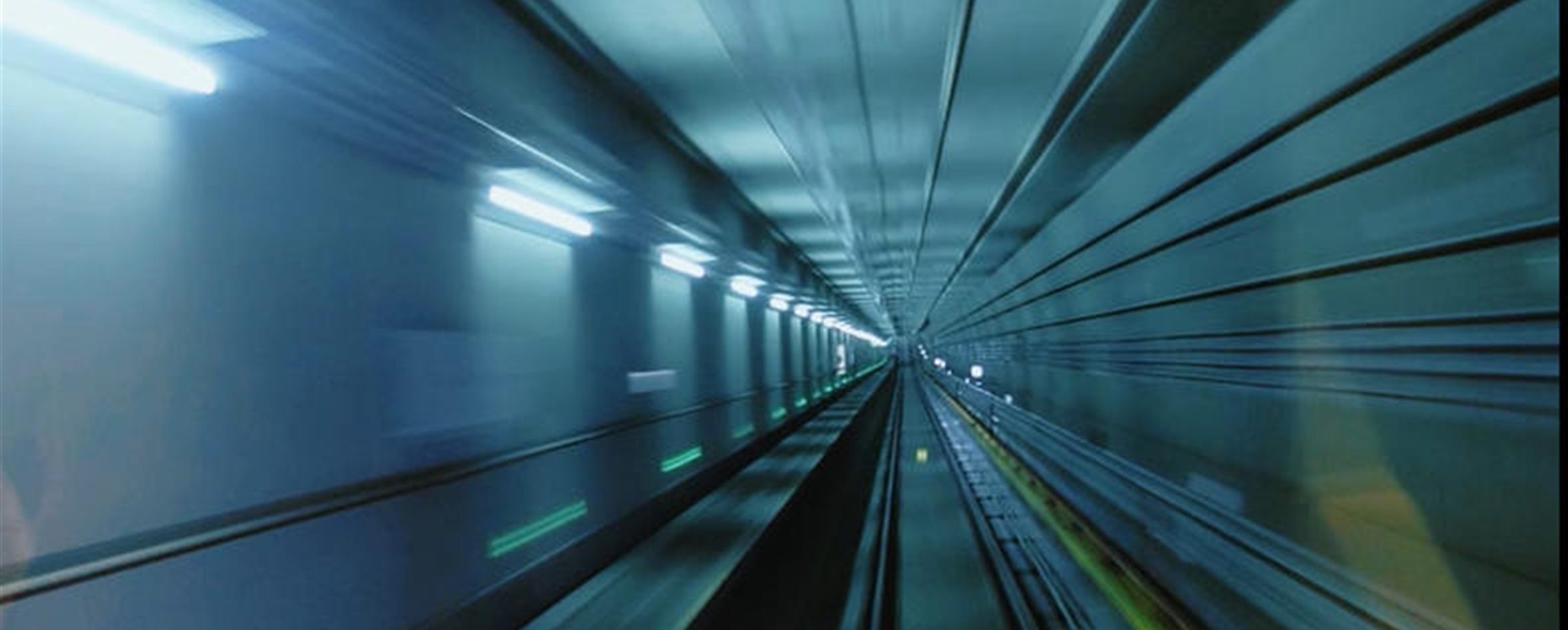
Our reporters hopped aboard one test train at Jinji Road Station on Wednesday morning. Running non‑stop northward across the Yangtze River, it reached Chenjia Town Station on Chongming Island in around 22 minutes. The two long stretches – from Pudong to Changxing Island, and Changxing Island to Chenjia Town – each took roughly seven minutes.
Since track‑laying finished, engineers from the Shentong Metro Construction Group have rolled out power, communication and signal systems in stages. Support systems, including power monitoring, tunnel pumping stations and full‑line trackside CCTV, are now active. Teams have also carried out multiple manual track inspections to check every piece of equipment, laying solid foundations for dynamic running trials, according to project manager Chu Senmao.
Full‑line testing has checked how wheels, rails and power‑contact hardware perform under fully automatic train movement. Power supply, current return, communication and signal systems all performed within design limits. This removes major roadblocks for large‑scale train trials on the line, Chu added.
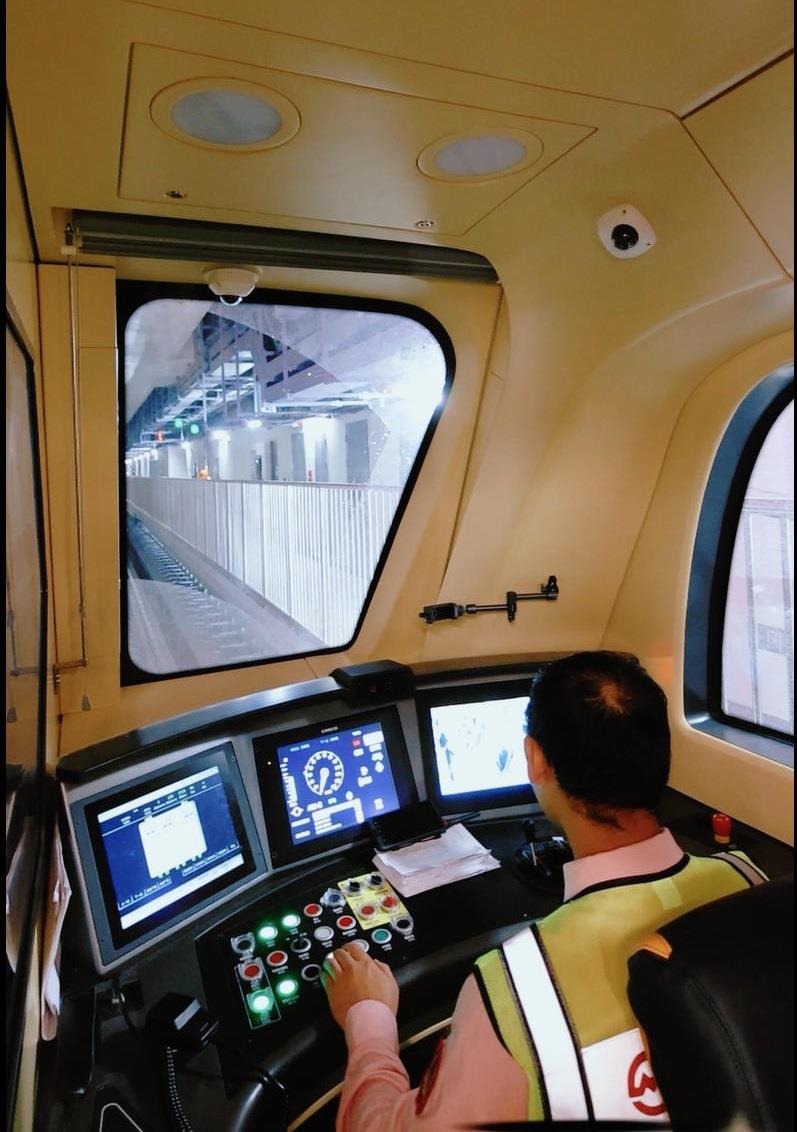
Line 22 trains use dual hardware‑and‑software backup systems, so minor glitches will not interrupt service for passengers. Redesigned passenger cabins offer a more comfortable ride, while smart train‑to‑ground connections speed up fault identification and repairs.
Round‑the‑clock testing is now on at the Dongjing Road Depot and along main‑line tracks. Staff work rotating shifts to run thorough checks covering basic vehicle performance, regular functions, specialized hardware and end‑to‑end driverless workflows to guarantee safe, reliable performance once trains go into passenger service.
Low‑speed signal tests are nearly complete. High‑speed driverless trials will start soon, said Xie Junjie, the signal project manager. Engineers have tweaked equipment interfaces for the unique cross‑river operating environment, while following China's latest national rail standards.
"When the line opens, the trip from Jinji Road Station to Chenjia Town Station will take about 30 minutes," Xie said.
Stretching roughly 44 kilometers, Line 22 runs from Jinji Road Station, in the Pudong New Area, underground all the way to Yu'an Station on Chongming Island.
Its eight stations are: Jinji Rd (interchange for Line 9), Shenjiang Rd (interchange for Line 12), Gaobao Rd, Lingkong Rd N., Changxing Island, Chenjia Town, Dongtan and Yu'an.
Once open, Line 22 will connect seamlessly with Shanghai's wider metro network. It will slash travel times between downtown Shanghai and Chongming Island, improve regional access and give fresh impetus to Yangtze River Delta integration.
Editor: Liu Qi
In Case You Missed It...

 Aug 26, 2026
![[SH Transit] How Shanghai's 'Air Express Lines' Speed Up Domestic Connections](https://obj.shine.cn/files/2026/08/25/ffea2ec9-370c-4bc7-b695-fec99dc0d73d_0.jpg)

![[Weather] Typhoon Saudel to Affect Shanghai From Thursday, Landfall Expected Friday](https://obj.shine.cn/files/2026/08/26/d9ea1fdd-07df-49e1-9dcb-19a2976c1bec_0.jpg)