[Hai Streets] Wujiaochang, a Hub For University Life in Shanghai
![[Hai Streets] Wujiaochang, a Hub For University Life in Shanghai](https://obj.shine.cn/files/2026/05/09/abf82ece-e689-4d49-b6d1-5770ca6ba303_0.png)
Hai Streets is our semi-regular column on Shanghai's great commercial arteries. From Nanjing Rd East's blend of heritage storefronts and pop-culture malls to Huaihai's luxe lanes and Hongqiao's international cultural diversity hubs, we explore how Shanghai's commercial hubs drive billions in sales and shape the city's identity – where commerce, culture and history collide in neon, nostalgia and nonstop foot traffic.
Wujiaochang knows how to hold a crowd. It has always been known.
By day, students stream out of lecture halls, office workers surface from Metro exits, and the whole mixed-up population of northeast Shanghai flows toward the roundabout like the roads themselves planned it this way (they did, actually, but more on that later). By night, the district's giant illuminated "egg" hovers over the intersection like a fever dream, and below it, the anime pop-ups and themed cafes and first stores are doing brisk business with people who are precisely, specifically, exactly where they want to be. That kind of certainty is contagious.
The easy explanation is that this is a youth district, a student district, and leave it at that. Yangpu has the universities; Wujiaochang has the foot traffic they generate. Fine. But that framing sells the place short.
Last year, Wujiaochang posted 24.1 percent consumption growth, the highest figure among the city's billion-yuan commercial circles. That is not a university-town number. That is a district that has figured something out. And to understand what, you have to go back further than the malls, further than the roundabout, further than the roads themselves, to a moment when this corner of Shanghai was supposed to be something else entirely, something grander and more official, and how the failure of that ambition quietly produced something more interesting.
![[Hai Streets] Wujiaochang, a Hub For University Life in Shanghai](https://obj.shine.cn/files/2026/04/12/035a6285-5ef0-4999-9923-7d68d3be9cfd_0.jpg)
Where Five Roads Made a Name
The name tells you something. Wujiaochang, "Five Corners," comes from the five roads that converge here in a radial formation: Siping, Huangxing, Songhu, Handan, Xiangyin. Seen from above, the geometry is genuinely striking, five spokes reaching out from a central hub like someone planned it this way. Someone did. What was fields and open land in the late Qing period became, by the early 20th century, a node. Roads do that. People follow roads, and eventually someone puts up a sign.
But the traffic geometry is the least interesting thing about this place's origins.
In the late 1920s, the Jiangwan Wujiaochang area was designated the heart of the Greater Shanghai Plan, an audacious attempt to build a modern Chinese municipal center entirely outside the foreign concessions. This was not a minor administrative decision. The concessions had their Bund, their grand hotels, their Sassoon-funded confidence. The Greater Shanghai Plan was a counter-argument in concrete and civic architecture: Shanghai's future, built by Chinese hands, on Chinese-administered land, according to Chinese ambition. Roads went in. Buildings went up. Public institutions took shape with the kind of optimistic momentum that, for a brief period, genuinely suggested this part of the city might become its real center.
It didn't. But the attempt mattered, and the idea never fully left.
![[Hai Streets] Wujiaochang, a Hub For University Life in Shanghai](https://obj.shine.cn/files/2026/04/08/e79d0999-de8d-4e38-a56b-bd55d2ddc56b_0.jpg)
Then the war came, and the plan didn't survive it.
The grand municipal vision stalled. The area's political status shifted, more than once, in ways that made the original ambitions look almost naive in retrospect. For a while, Wujiaochang was just a place that had failed to become what it was supposed to be. That is not a comfortable position for a neighborhood to be in.
But it didn't collapse into irrelevance, which is the more interesting outcome. People came back. Residences filled in. Institutions settled. Small businesses appeared where civic monuments were supposed to go. The ceremonial center that never quite materialized was replaced, gradually and without fanfare, by something considerably less impressive on paper and considerably more functional in practice: a real neighborhood, built from the bottom up, shaped as much by the people who actually lived there as by whatever the planners had originally intended.
That history is worth sitting with, because it gives Wujiaochang a texture that most of Shanghai's commercial districts don't have. This is one of the few places in the city where the story of opening to the world and the story of trying to build something independently of the world exist in the same geography, layered on top of each other, unresolved. The grand plan failed. The place survived. What grew in its place turned out to be stranger and more durable than anything the original blueprints imagined.
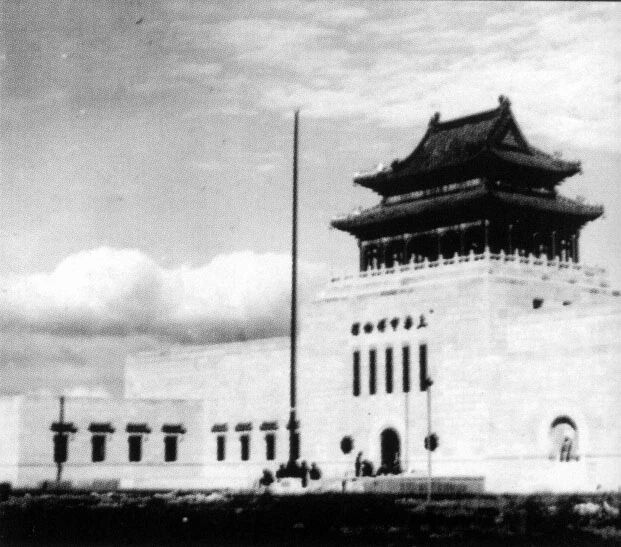
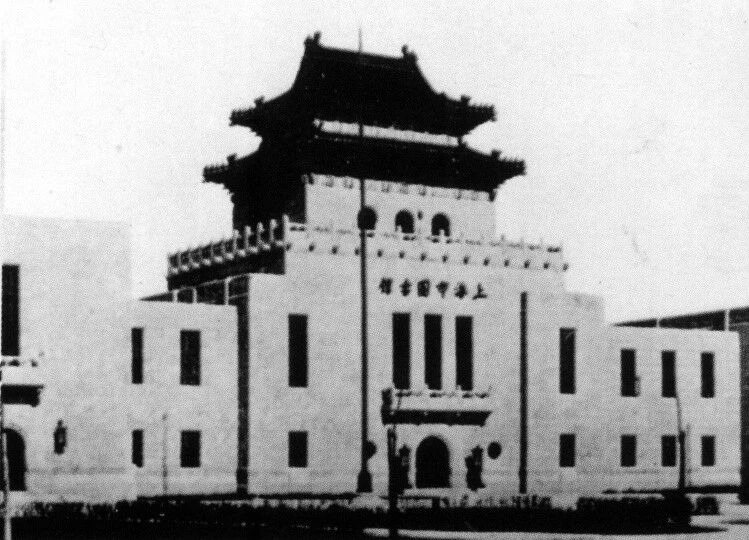
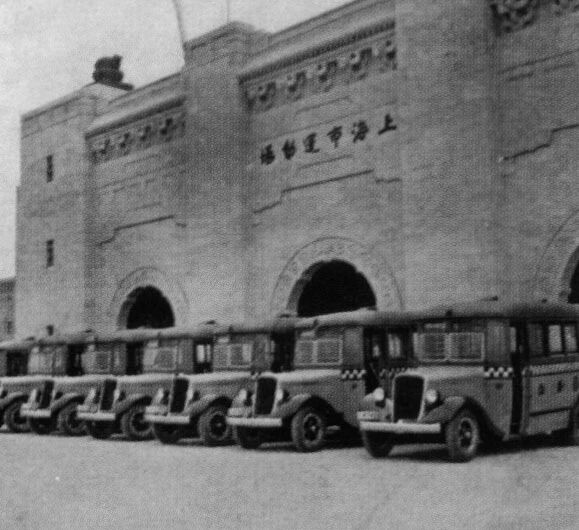
From Bamboo Shops to a Commercial Circle
For most of its commercial life, Wujiaochang was not trying to impress anyone.
The 1940s retail situation was sparse in the way that actually means sparse: tobacco shops, a few eateries, family-run stores moving goods for a local population that didn't need much and wasn't expecting much. After 1949, the area developed as a practical exchange point between the city and the countryside, which is a polite way of saying it was a place where things got bought and sold by people who needed to buy and sell things. Bamboo-framed temporary shops. State-run stores. Supply cooperatives. Corner retail clusters that inched outward from Xiangyin and Songhu roads toward Handan Road, accumulating around the roundabout with the unhurried logic of a place that had nowhere particular to be.
For decades, this was not a destination. It was a junction, a market town on the expanding edge of the city, useful and unpretentious and entirely unbothered by its own lack of glamor.
But the underlying logic was already there, and it was simple. The roads brought people in. People, once gathered, needed things. Things required sellers. The roundabout that was supposed to anchor a grand civic center ended up anchoring something more modest and, in the long run, more reliable: commerce organized around the fact that this was where the roads met, and the roads always brought someone new.
![[Hai Streets] Wujiaochang, a Hub For University Life in Shanghai](https://obj.shine.cn/files/2026/04/12/c4b92c21-970f-40ca-9a94-65525f603a64_0.jpg)
Reform and opening up did what it did everywhere: accelerated things.
By the 1980s, Wujiaochang was busier, with more shops, more services, more people passing through with money to spend and somewhere to be. In 1991, the government made it official, designating the area one of Shanghai's city sub-centers, which gave institutional language to what the footfall had been saying for years. Universities were already nearby; more followed. High-tech parks and entrepreneurial zones materialized in the surrounding blocks. The busy junction was becoming something with a little more self-awareness, a node that combined commerce, education and the kind of low-grade innovative energy that accumulates when you put a lot of young people with ambitions in close proximity to a Metro line.
The real money arrived later.
Hualian's Yangpu branch opened in 2001 and is now remembered, in the way that department stores of a certain era are remembered, as a turning point. Then came the wave: Wanda Plaza, Bailian Youyicheng, UMAX, Suning, eventually Hopson One, arriving through the 2000s and stacking up around the roundabout until the district had something it had never quite managed before, density. Competitive, vertical, glass-and-concrete density, with multiplexes and escalators and digital facades and food courts built above a road system that had been quietly waiting, for the better part of a century, for a commercial destiny large enough to justify its geometry.
The dusty low-rise department stores did not survive the transition. They were not missed.
![[Hai Streets] Wujiaochang, a Hub For University Life in Shanghai](https://obj.shine.cn/files/2026/04/12/87867586-4e0f-49ec-b2dd-60febf34d309_0.jpg)
The District That Grew Young on Purpose
The latest reinvention has a sharper edge than the previous ones. This time, it's not about roads or retail density or government designation. It's about who's showing up, and why.
The numbers are good, and worth knowing. During Spring Festival last year, Wujiaochang led all 12 of the city's key commercial hubs in consumption growth, up 5.2 percent. On January 1 and 2 this year, the district moved 130 million yuan, a 27.7 percent jump year on year. Foot traffic over those two days hit 896,600, up 52.3 percent from the previous year. These are not the numbers of a neighborhood commercial center punching at its own weight class. Something else is happening here.
Yangpu is Shanghai's youngest central district by resident age profile, with an unusually high concentration of people between 18 and 35. Within walking distance of the roundabout, more than 180,000 university students generate a baseline demand that most retail districts would architect an entire strategy around. And the retailers here have done exactly that, though not always in the ways you'd expect.
The easy shorthand is guzi (谷子), the catch-all term for merchandise tied to anime, comics and games, the ACG universe that has become the dominant cultural language of Chinese youth consumption. But guzi is really just the visible surface. What's actually being sold here, and what people are actually coming for, is harder to package in a trend report: atmosphere, tribal affiliation, the particular pleasure of being in a space that was built with you specifically in mind. That's a different proposition than a mall. And Wujiaochang has figured out how to deliver it.
![[Hai Streets] Wujiaochang, a Hub For University Life in Shanghai](https://obj.shine.cn/files/2026/04/13/bc3e9163-7692-477e-ab02-5985d43ad19a_0.jpg)
![[Hai Streets] Wujiaochang, a Hub For University Life in Shanghai](https://obj.shine.cn/files/2026/04/13/5ff7ca7e-045b-4308-ac79-f50482dc28ee_0.jpg)
Here is how it actually works, in practice, on the ground.
A restaurant brand angling for its Shanghai debut doesn't just sign a lease and open. It runs a vote, and tens of thousands of nearby students decide whether it gets in. A themed pop-up materializes in a mall atrium on a Friday, and by Saturday afternoon, it's all over your WeChat feed, which means it's all over everyone's WeChat feed, which means the line is already forming. A shopping center that spent years being quietly irrelevant discovers, apparently overnight, that if it just speaks directly to the people who have been walking past it for years, those people will actually come inside. The audience was always there. Nobody had bothered to ask what it wanted.
The clearest case study is Bailian ZX Fun Place, which opened at the end of 2024 in the former UMAX space. More than 60 brands moved in, nearly 80 percent of them first stores, organized around guzi merchandise, immersive fan experiences, themed dining, VR interaction, bookstore browsing, and a pop-up calendar that rotates fast enough to give regulars a reason to come back every few weeks. On opening day, foot traffic hit 53,000 and sales nearly tripled. In the first two months, sales more than doubled year on year.
Those are remarkable numbers for a mall relaunch anywhere. In Shanghai retail terms, they're the kind of numbers that make other mall operators very quietly start rethinking their tenant mix.
The anchors include the world's first Makoto Shinkai-themed cafe (Shinkai directed "Your Name" and "Suzume," for anyone arriving to this without context), themed restaurants cycling through concepts at high frequency, and direct collaborations with university anime clubs, which is either a marketing strategy or a genuine community relationship depending on how cynical you're feeling. The line between campus culture and commercial programming has become genuinely difficult to locate. Which is, of course, exactly the point.
![[Hai Streets] Wujiaochang, a Hub For University Life in Shanghai](https://obj.shine.cn/files/2026/04/13/95ea67c2-d132-4baf-bec4-20514b90d9ac_0.jpg)
The rest of the district has gotten the message.
Wanda now has a dedicated Goodslove zone for anime and gaming culture. Suning, which you would not previously have associated with any particular cultural ambition, has built anime-themed home-appliance experience zones where gaming and electronics blur together in ways that would have seemed eccentric five years ago and now seem obvious. Hopson One runs a steady rhythm of pop-ups and first-launch events, designer toy activations, nationally debuting themed campaigns, the kind of programming calendar that requires a dedicated team and a very active group chat to keep up with.
Taken together, this is no longer a collection of malls that happen to be near each other. It is a coordinated ecosystem, each project differentiated enough to justify its own visit, connected enough that moving between them feels less like comparison shopping and more like a day out with an itinerary.
Local officials have been refreshingly direct about what they're building. Wujiaochang is being developed as an ACG-themed business district, they say, one where differentiated projects link into a full-day experience for young consumers. That phrase, full-day experience, is the one worth paying attention to. What's being sold here isn't any individual piece of merchandise or any single themed cafe. It's time. It's the ability to arrive at noon, move from one emotional register to another across five or six different commercial spaces, and look up at some point to discover it's already nine in the evening and you've covered maybe 800 meters. That's a specific and genuinely difficult thing to engineer. Wujiaochang has engineered it.
![[Hai Streets] Wujiaochang, a Hub For University Life in Shanghai](https://obj.shine.cn/files/2026/05/12/6fba1802-6180-47f0-928f-d6b4c64a4550_0.jpg)
The Campus Pulse Behind the Commerce
Here is the thing about Wujiaochang that the guzi headlines tend to skip over.
This district does not derive its character from old European façades or glamorous treaty-port architecture or the kind of French colonial residential architecture stock that gets photographed for relocation packages. There are no Wukang Road moments here, no heritage sycamores, no art-deco lobby bars trading on a colonial atmosphere. Wujiaochang's depth comes from somewhere less photogenic and considerably more interesting: institutions.
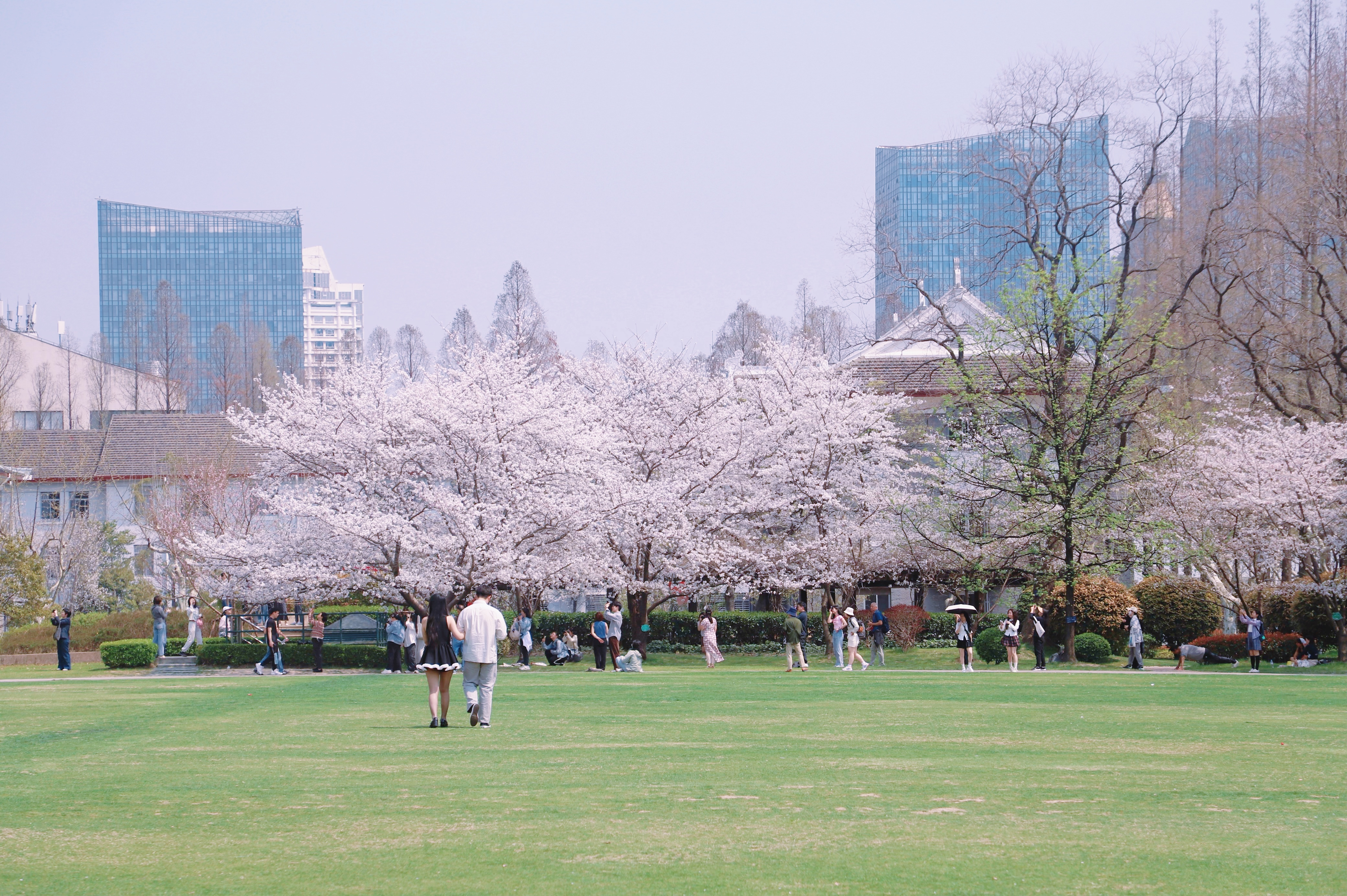
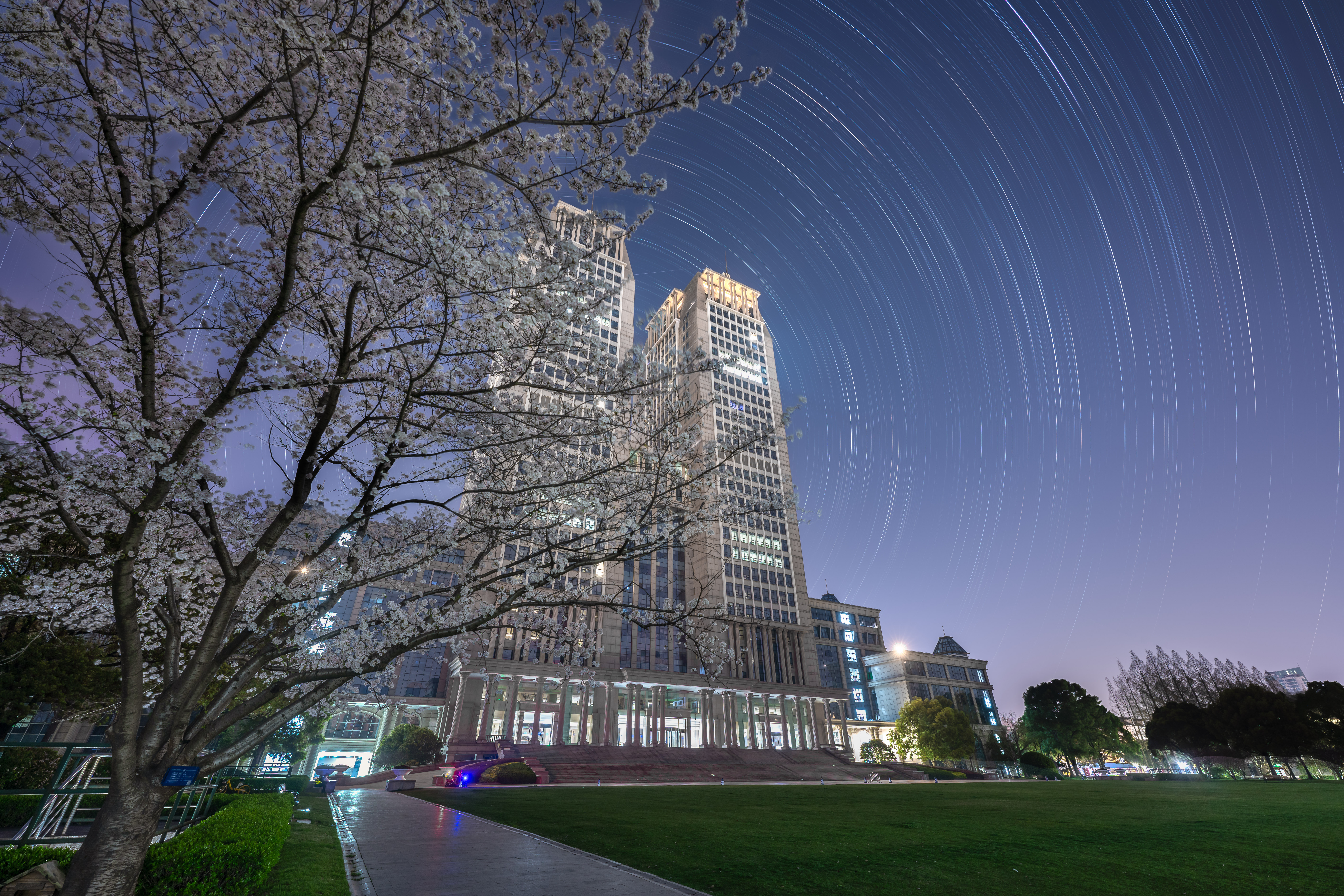
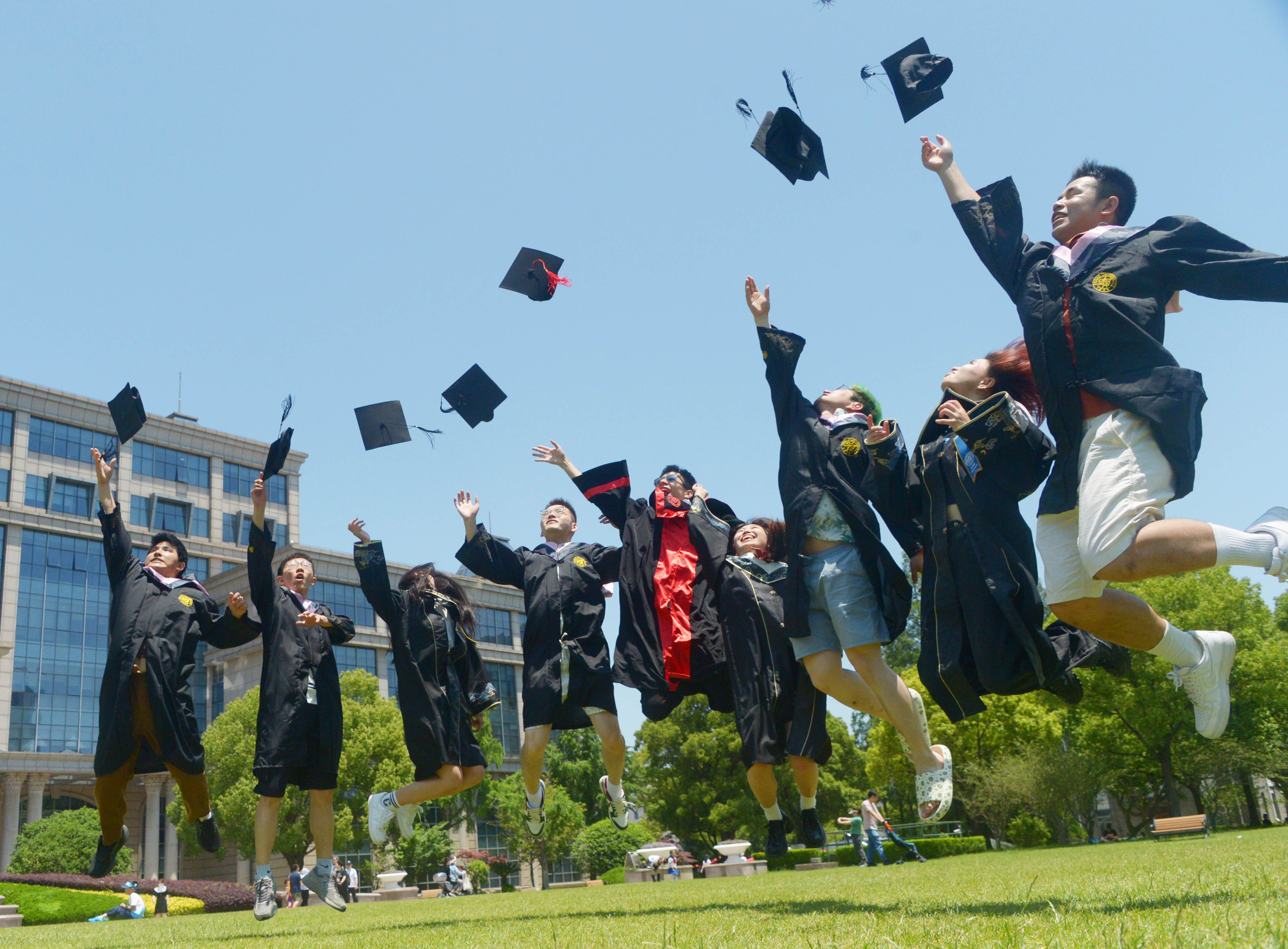
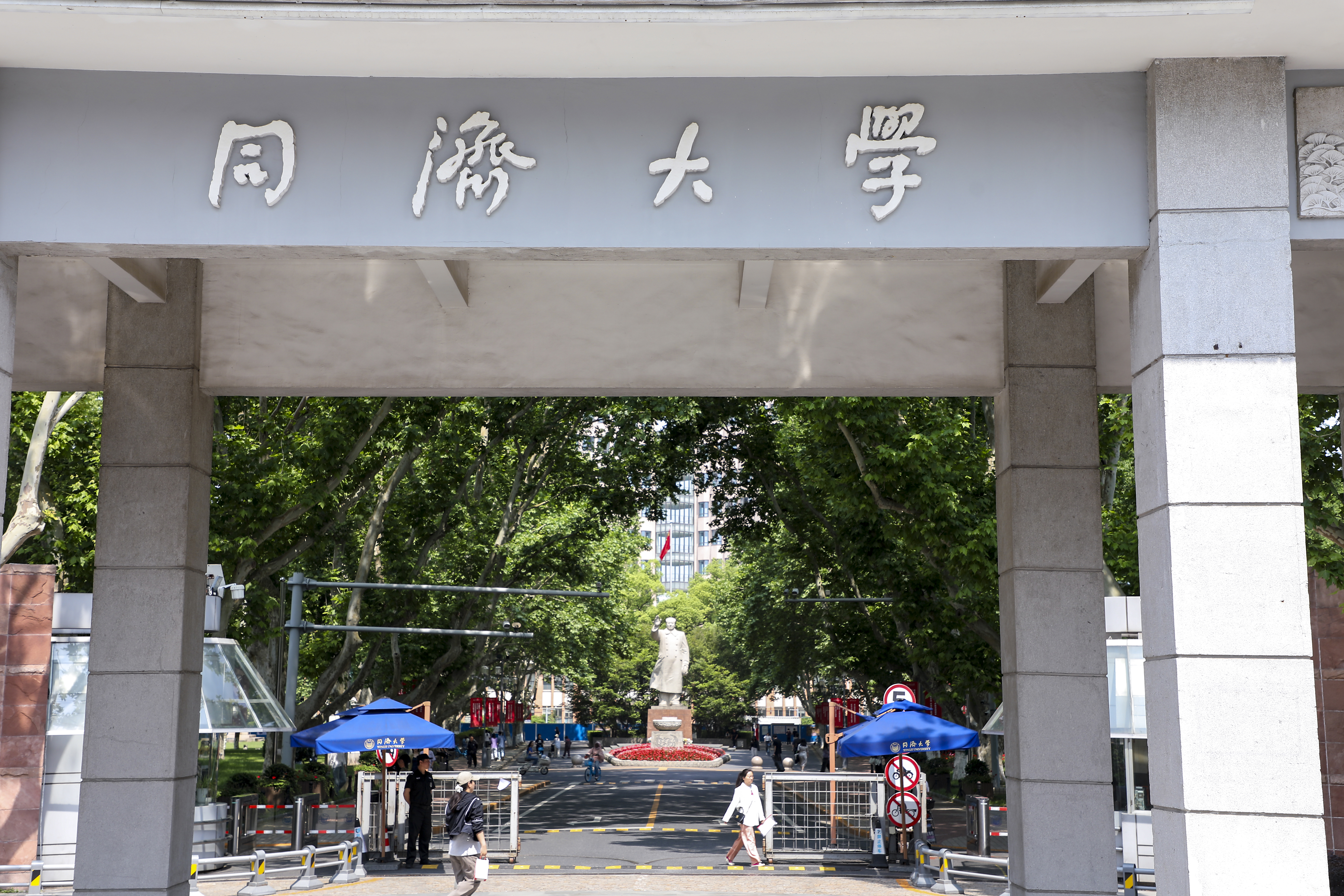
Fudan is nearby. Tongji is nearby. Shanghai University of Finance and Economics is nearby. Around them sits a constellation of innovation platforms, business parks, and the broader knowledge economy that Yangpu has been quietly building for decades. This is not incidental to what Wujiaochang has become. It is the foundation of it. The commercial district has always fed off the intellectual geography around it, and the intellectual geography has always fed off the commercial district. They grew up together.
What that produces is a mental climate you can actually feel if you spend enough time here. Yes, it's commercial. Obviously, it's commercial. But it's also discursive in a way that most retail districts aren't. Trends don't just arrive via advertising and brand rollout; they move through recommendation, group chat, club culture, campus word of mouth, the particular velocity of a population that is young, educated, online, and has very strong opinions about where to eat after the pop-up. A restaurant lives or dies here not because of its marketing budget but because of what 180,000 university students decide to tell each other about it.
That is a different kind of commercial gravity. And it's not something you can replicate by opening another mall.
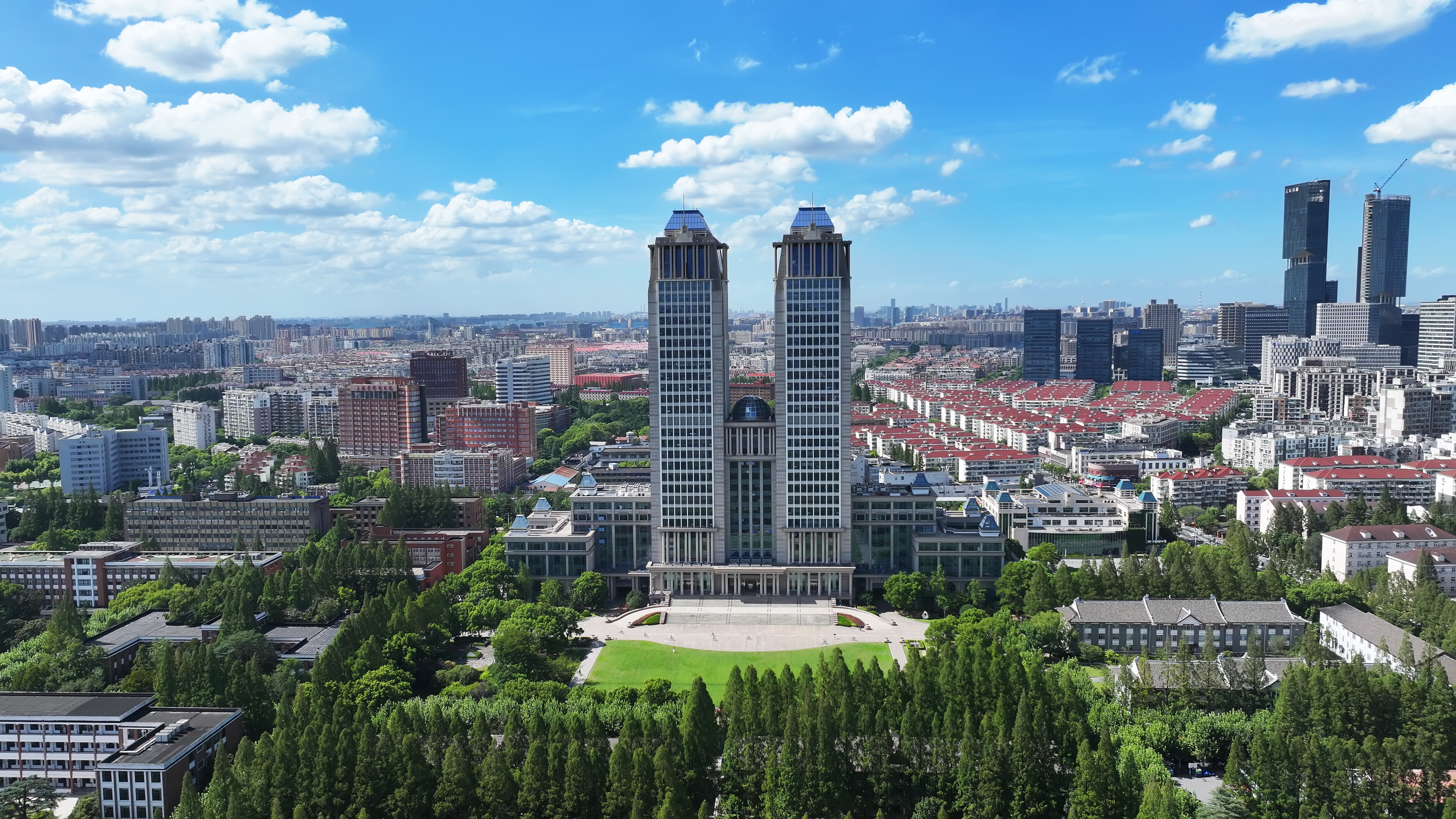
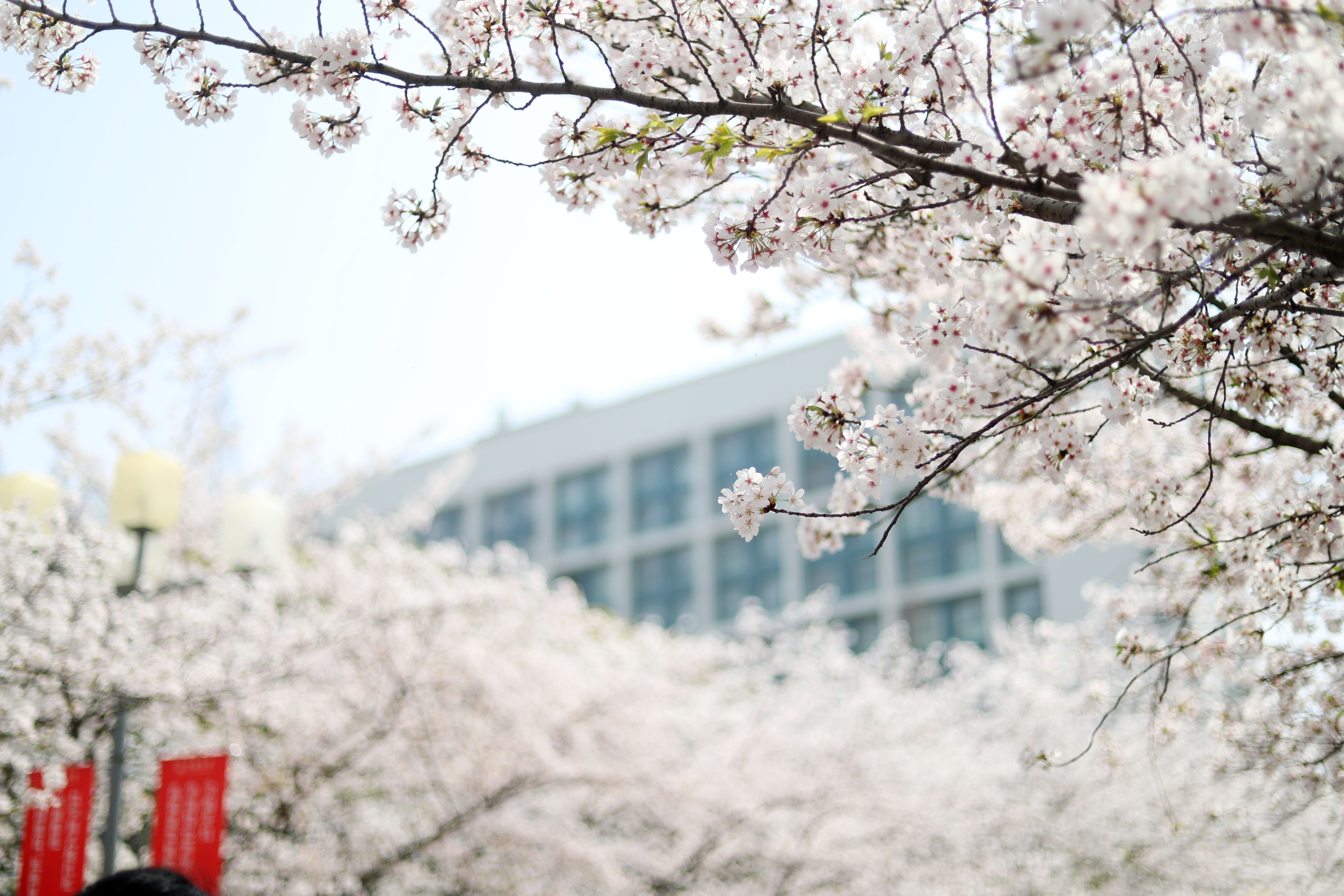
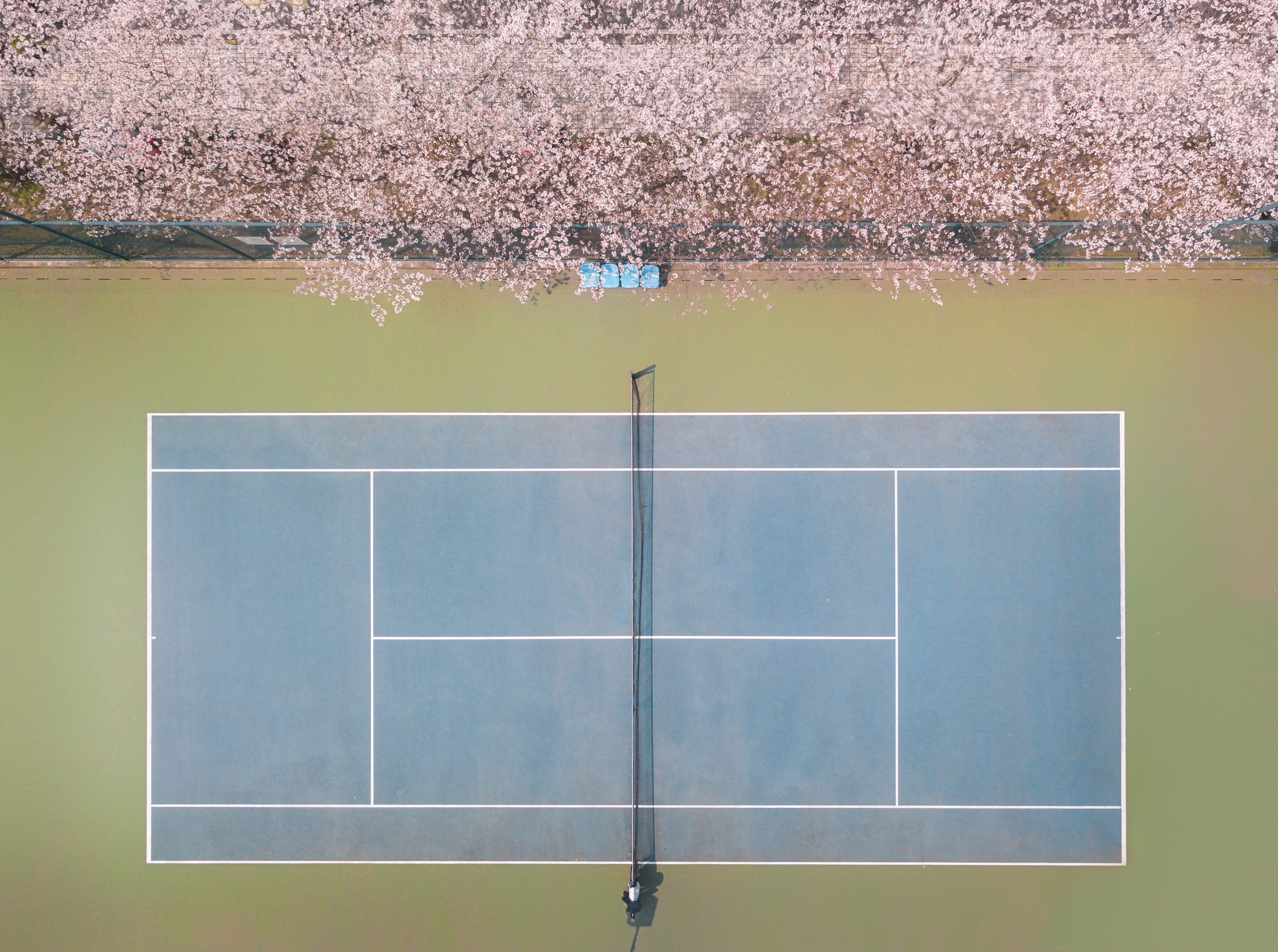
Go on a Saturday and just watch who shows up.
Teenagers arrive in coordinated groups with shopping routes they planned on Xiaohongshu the night before. University students drift in after class with no particular agenda and stay for three hours. Office workers come for dinner and somehow end up, forty minutes later, standing in front of a display case of blind-box collectibles, making a decision they didn't anticipate. Parents bring their children. Tourists show up for anime events with rolling suitcases and a list. Out-of-towners who have made a specific trip for a specific first store do not look embarrassed about this, because nobody here would find it embarrassing.
The mix is genuinely broad. The mood is coherent anyway, casual and curious and slightly overstimulated, the particular atmosphere of a place that has given a lot of different people a reason to be in the same space at the same time without any of them feeling like they're in the wrong place.
The catchment data makes the point more precisely. Hopson One reports drawing customers from beyond Yangpu, beyond the neighboring districts of Hongkou and Baoshan, from more than 10 kilometers out. People are making a trip here. Not passing through, not stopping because it's convenient, but actually deciding that Wujiaochang is where they're going today. For a district that spent most of its history as a practical junction for the people who already lived nearby, that represents a fairly significant upgrade in ambition.
A Circle Still Expanding
There is something fitting about the circle.
Wujiaochang's history has never moved in a straight line. It started as an ambitious projection of a future Shanghai, stalled, got repurposed, accumulated slowly, then accelerated, then arrived, a century later, at a version of centrality that the original planners would not have recognized and probably would not have chosen. Not a civic capital. Not a ceremonial heart. Something more useful: one of the most consistently alive commercial and cultural districts in the city, organized around a roundabout that was always, in the end, just waiting for enough people to show up.
The place has never been more interesting when it's reaching for someone else's idea of prestige. No Bund adjacency to trade on, no old city nostalgia, no heritage brand to license. What it has is the thing that actually sustains a district over time: a reason for people to come, reasons to stay, and enough going on that you can do the whole day here without running out of district.
As the evening comes in, the LED egg glows above the roundabout, which sounds ridiculous written down and looks genuinely good in person. The towers light up. The escalators keep moving. Students queue for themed café launches with the focused patience of people who have decided this matters, which means it does. Couples wander between malls with no urgency. Somewhere in the complex, a new pop-up is already drawing a line of people who heard about it on a group chat this afternoon.
Wujiaochang was once imagined as the city's future, drawn up in blueprints and civic ambition before the city was ready for it. It never became that. What it became instead is harder to plan for and more durable: a district that knows where Shanghai is headed because the people heading there are already here, every day, in very large numbers, with somewhere specific to be.
Editor: Fu Rong