[China Tech] Shanghai Cord Bank Reaches Milestone with 8,000 Transplants
China Tech is a column dedicated to the innovations reshaping China – and, inevitably, the world. From cutting-edge AI labs and next-gen robotics to home-grown apps that redefine daily life, we explore the breakthroughs that emerge from the country's relentless drive for technological dominance. Some are game-changers, others cautionary tales, but all offer a glimpse into the future as it's being built, at breakneck speed, in China.
Shanghai Cord Blood Bank has announced the successful completion of its 8,000th transplant, marking a milestone in China's cell therapy sector.
The most recent case involved an elderly leukemia patient at Ruijin Hospital. According to the blood bank officials, the patient recovered after the transplant, with all indicators returning to normal. This achievement demonstrates the growing medical capability of using umbilical cord blood to address health challenges associated with an aging population.
Established in 2004, the bank has become China's largest facility for storing umbilical cord blood. To date, it has partnered with hospitals to perform 8,000 transplants for patients both in China and abroad. The therapy has been applied to a wide range of ages – from infants as young as 6 months to elderly patients up to 82 years old – with a five-year survival rate of 62.69 percent, meeting international standards.
The bank has actively engaged in innovation and cell therapy research. Its team has developed an innovative deep-temperature storage technology at minus 196 degrees Celsius, which maintains a cell viability rate of 94.7 percent after five years – significantly higher than the international benchmark of 85 percent.
In clinical practice, the bank has also pioneered a combined transplantation method using umbilical cord blood alongside half-matched stem cells from family members. This approach effectively reduces rejection rates and improves transplant success.
About Umbilical Cord Blood
Umbilical cord blood contains cells that can treat leukemia, various immune deficiency disorders and most enzyme deficiency diseases. The probability of a genetic match between siblings is one in four. Cord blood can be stored after a baby's birth, and Shanghai Cord Blood Bank accepts both public donations and private storage.
If You Want to Consult
Staff can provide Q&A services, while medical professionals can conduct bilingual clinical consultations.
Hotline: 400-675-5599
Editor: Liu Xiaolin
In Case You Missed It...

 Apr 2, 2026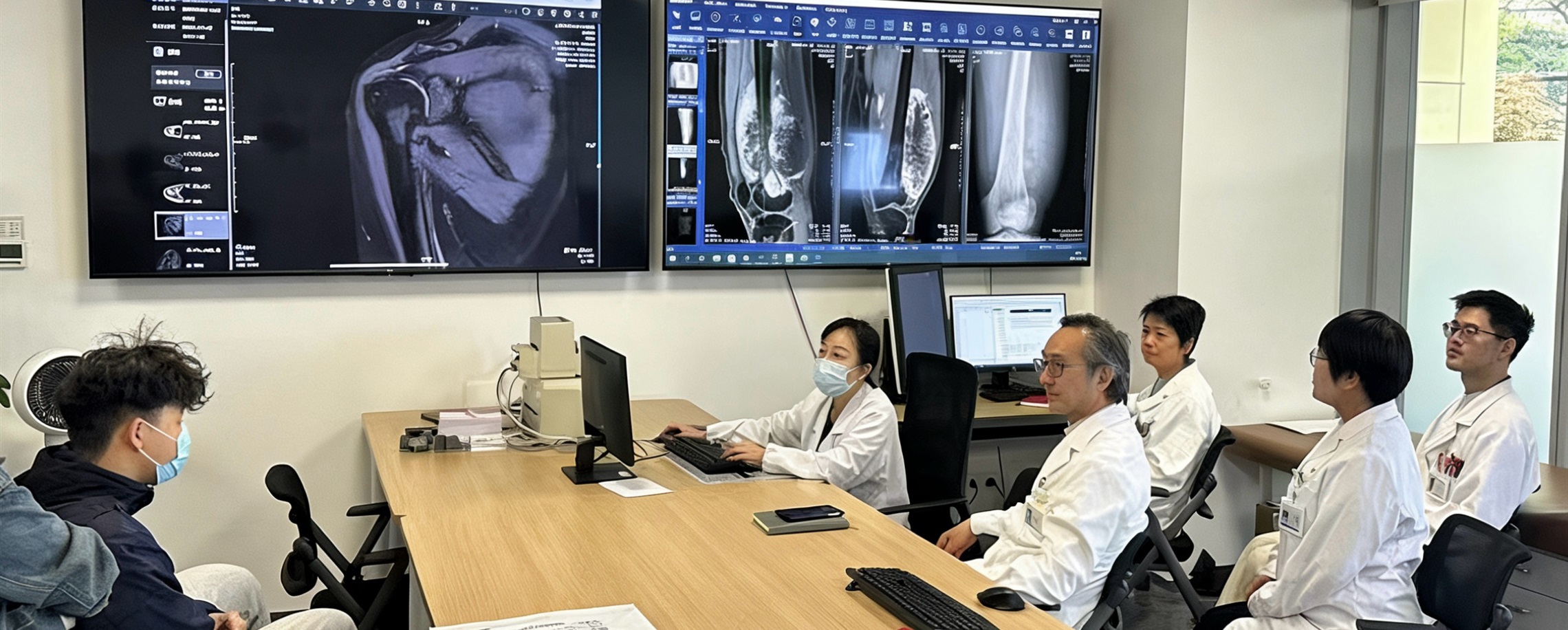
![[Expats & Ailments] Mongolian Children Undergo Liver Transplant Surgery in Shanghai](https://obj.shine.cn/files/2026/04/01/8b9765f0-9283-4b8e-9c5b-f2af9fe759a7_0.jpg)
![[China Tech] Breakthrough study on robot-assisted esophagus cancer surgery](https://obj.shine.cn/files/2026/04/01/d6ccf1c9-98a4-48c8-8d50-afe37a835352_0.jpg)


![[Explainer] Your Guide to Applying for A 5-Star Card in Shanghai](https://obj.shine.cn/files/2026/03/25/abba9cd8-a391-4d52-89cc-78e198e96628_0.jpg)