[Only In SH] Seven Things That Made a Day in Old Shanghai
What was a typical day in old Shanghai?
There was no phone alarm, delivery app, or quiet elevator ride downstairs. It usually began with a voice echoing through the lane before sunrise: "Motong ling celai va?" Or, time to bring out the chamber pot.
Many old Shanghainese families lived in lane neighborhoods, where life was boisterous, practical, and full of small shared moments. One lane could have dozens of families, shared kitchens, staircases, gossip, and a sense that everyone knew what everyone was doing.
Privacy was limited, and life was rarely lonely.
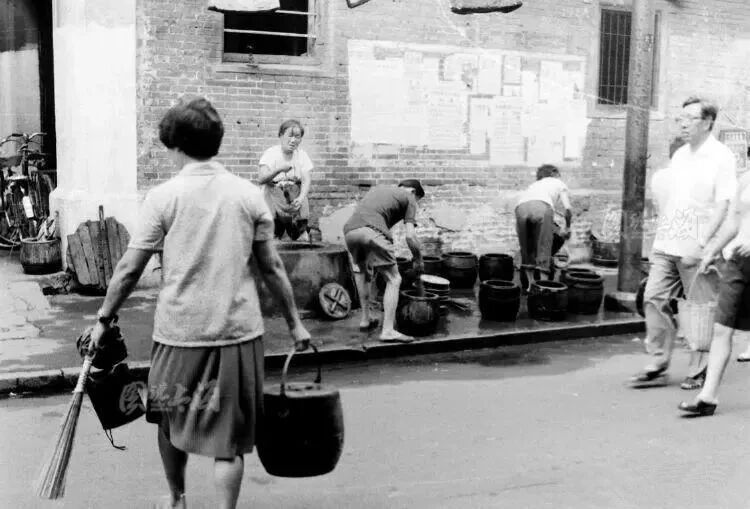
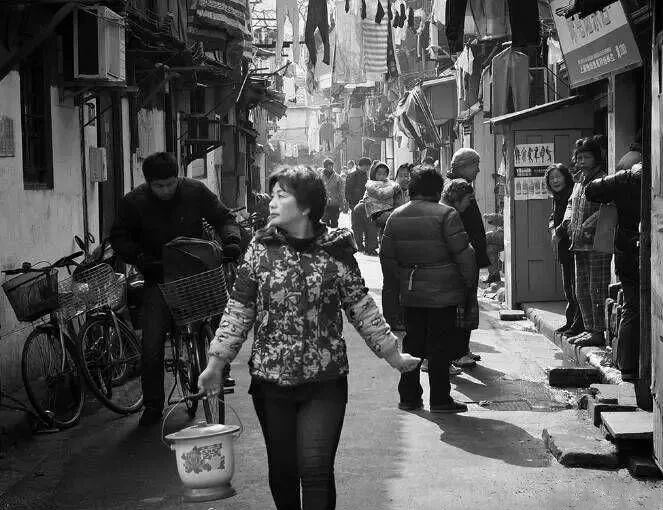
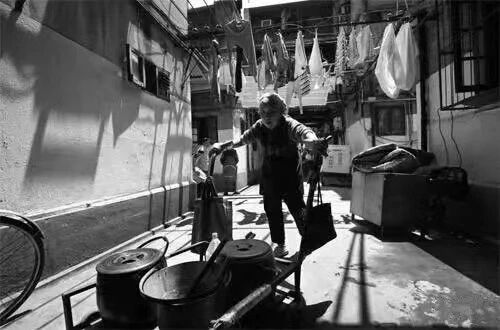
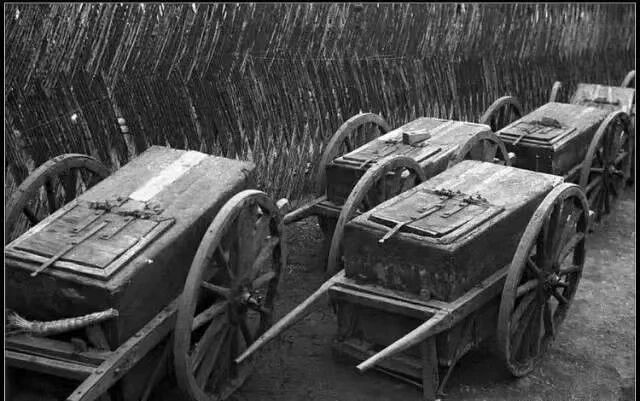
1. Dao Ma Tong 倒马桶 (Emptying the Chamber Pot)
The first sound of the day wasn't birdsong. It was the call to empty the chamber pots.
Before private restrooms became common, many households used chamber pots. Residents carried them downstairs to be emptied in the morning, then cleaned and dried them outside. Not glamorous, but it was part of the daily order of lane life.
The alley woke up together. Doors opened, footsteps descended the stairs, wooden slippers clicked, water splashed, and neighbors greeted in half-awake voices.
In old Shanghai, a day did not simply start. It was announced.
2. Mai Xiao Cai & Jian Xiao Cai 买小菜 & 拣小菜 (Buying and Preparing Food)
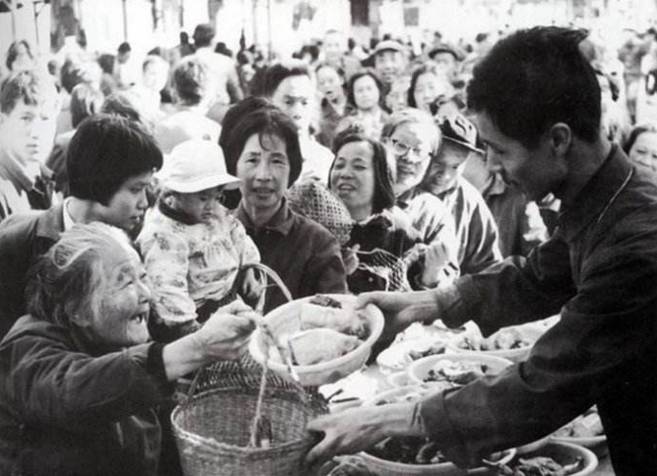
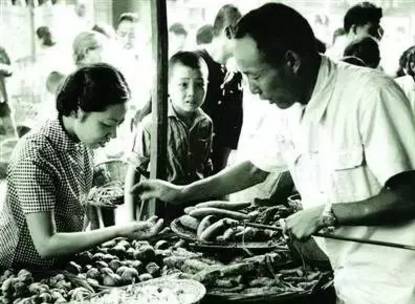
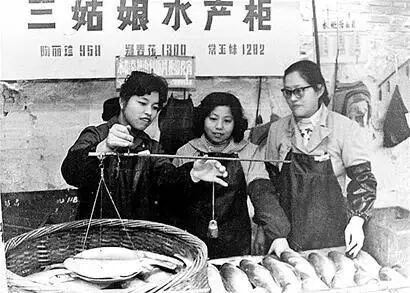
After the lane woke up, housewives bought "Xiao Cai" in bamboo baskets at the wet market.
"Xiao Cai" meant more than veggies. Fish, pig, chicken, duck, tofu, leafy greens, or whatever was fresh and cheap that day. Choosing "Xiao Cai" required organizing the day's meals based on taste, affordability, and availability.
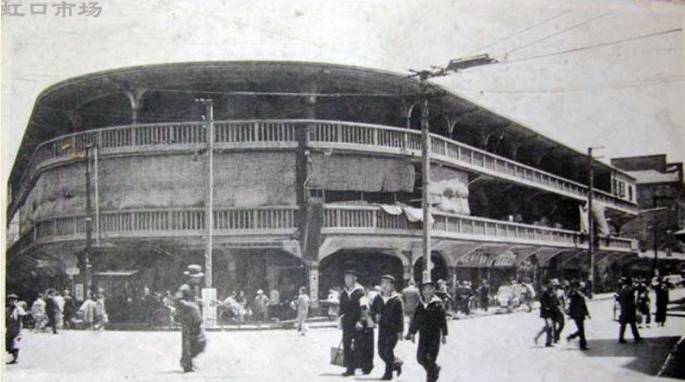
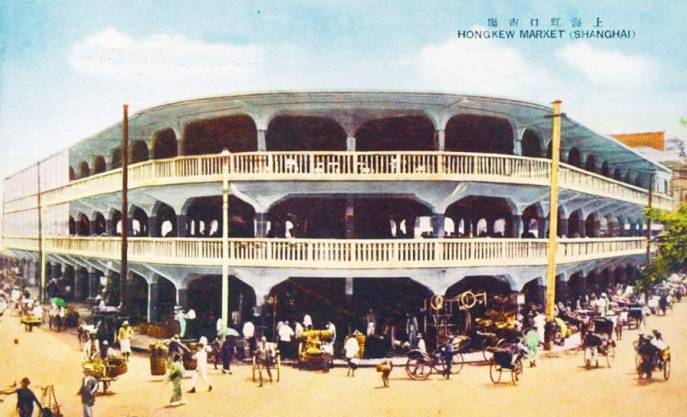
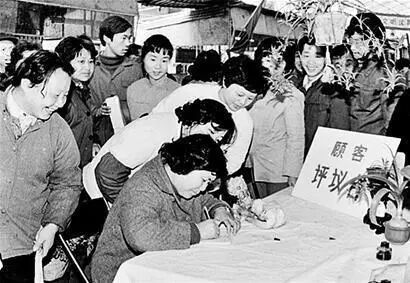
Shopping wasn't just about money when many commodities were rationed. A few foods needed coupons. Meat, oil, sugar, grain and tofu products all had to be carefully planned.
Expert shoppers knew which stand to visit first, what may sell out, and how to make a family meal from a few ingredients.
Making it home from the market was social. Locals compared purchases, discussed prices, and returned with full baskets and lively conversations.
Then came home preparation: gathering greens, shelling edamame, washing vegetables, cleaning fish, cutting meat, and getting everything ready before the coal stove burned.
3. Mai Zao Fan 买早饭 (Buying Breakfast at the Street Stall)
Not every family cooked breakfast at home.
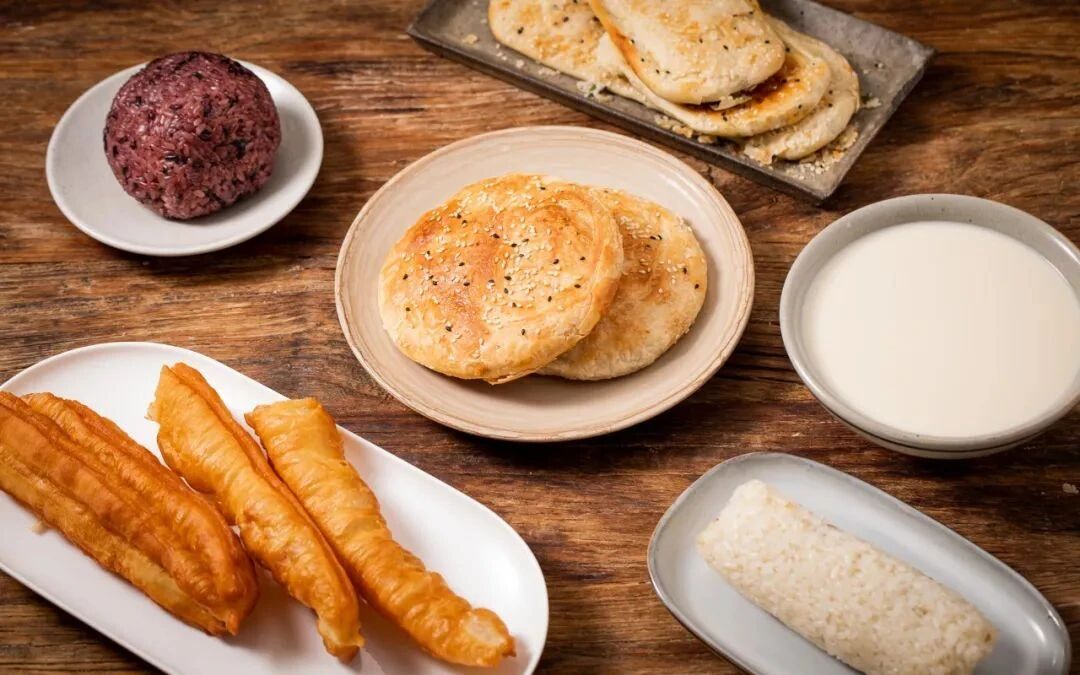
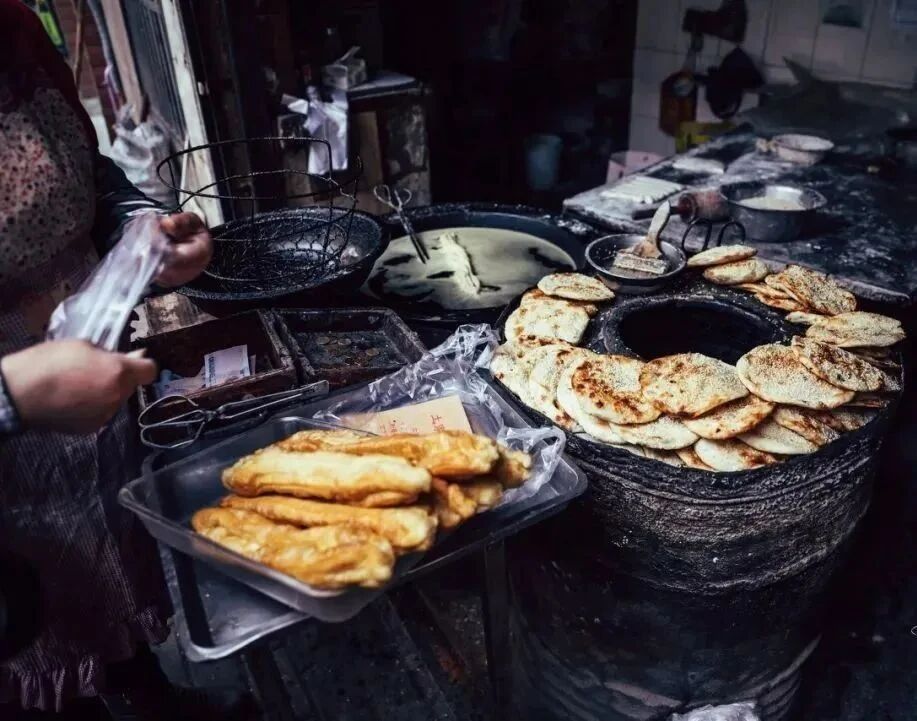
Many people bought the famous "Four Heavenly Kings (四大金刚)" of Shanghai breakfast: dabing (flatbread), youtiao (fried dough sticks), soy milk and cifan sticky rice rolls. Some took them home. Others simply sat on a small stool near the doorway, sipping hot soy milk and eating slowly as the lane came alive.
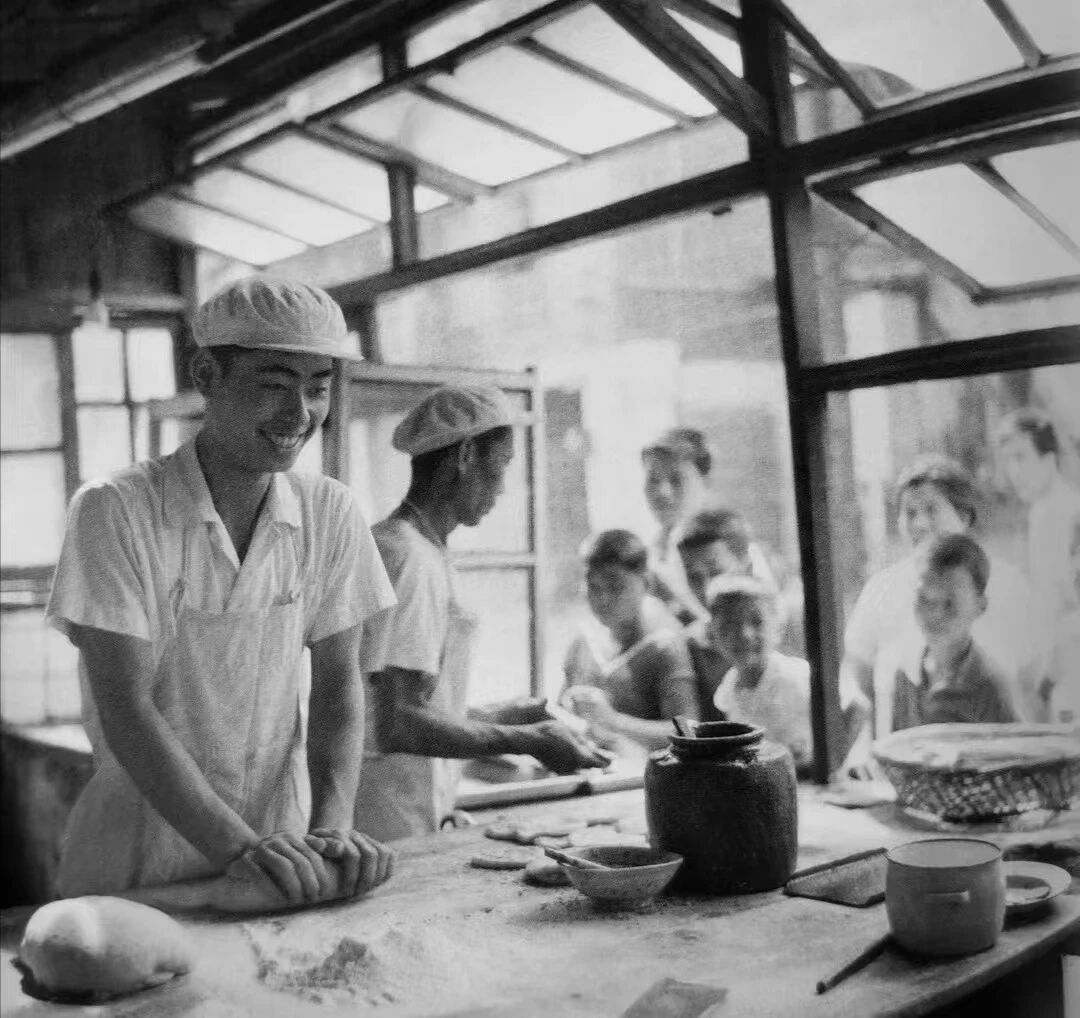
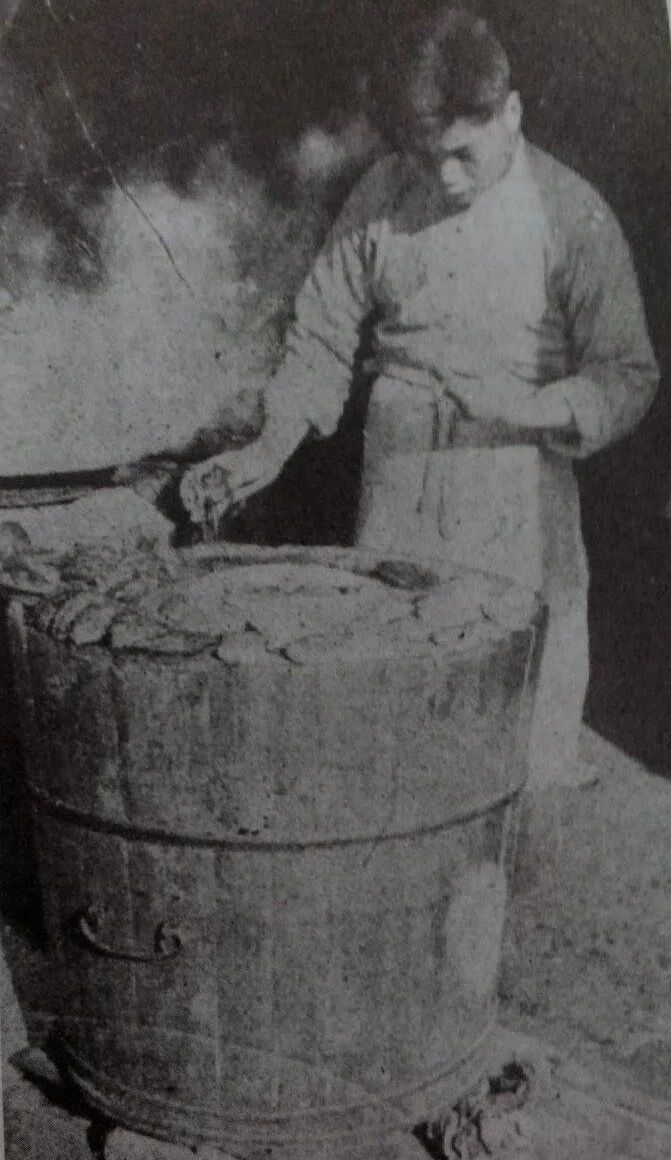
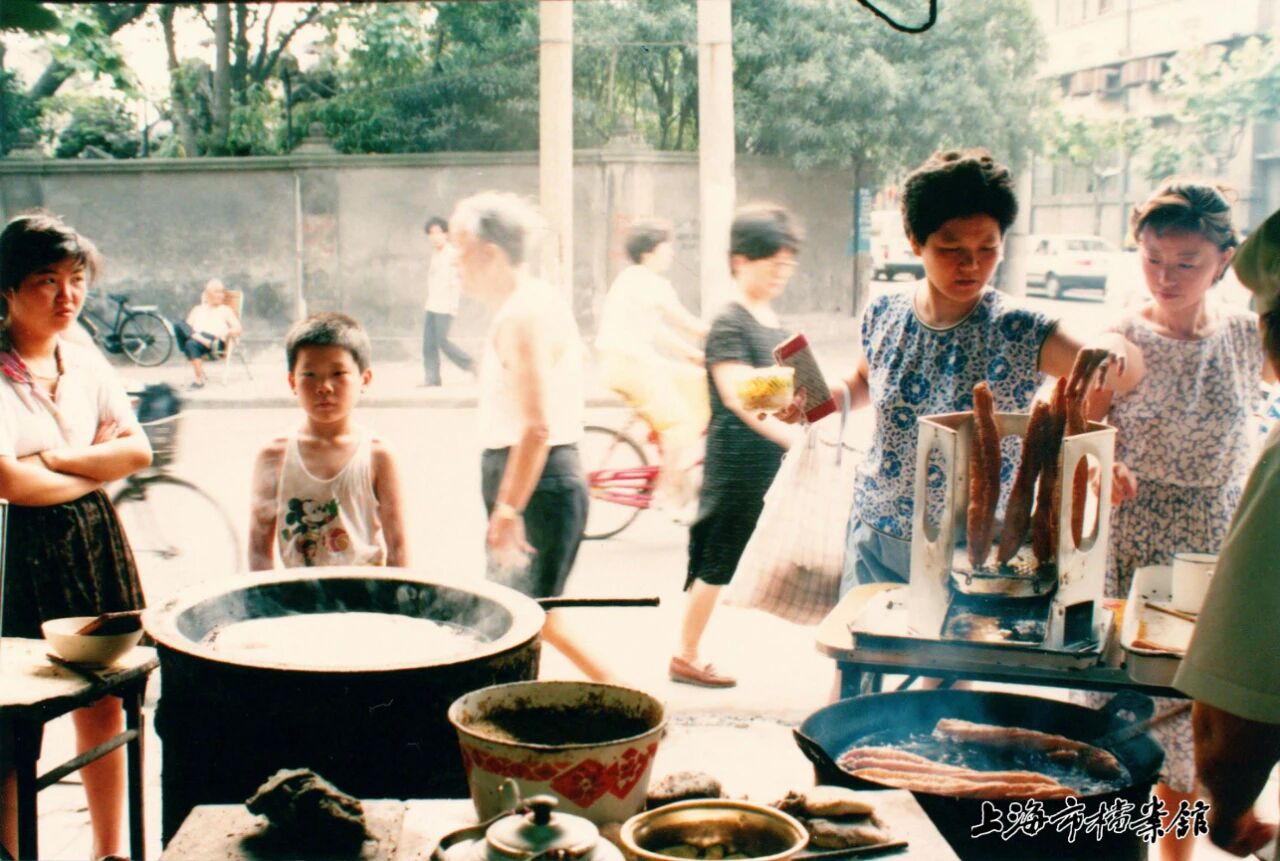
A bowl of soy milk with a lightly floating egg could feel luxurious. Children from low-income homes would have rice porridge for breakfast.
Even that tasted like old Shanghai mornings. A hot bowl, a short lunch, neighbors, and the smell of fried dough from the breakfast store across the street.
The day had already begun with noise, smoke, and hunger.

4. Sheng Mei Lu 生煤炉 (Lighting the Coal Stove)
The coal stove followed.
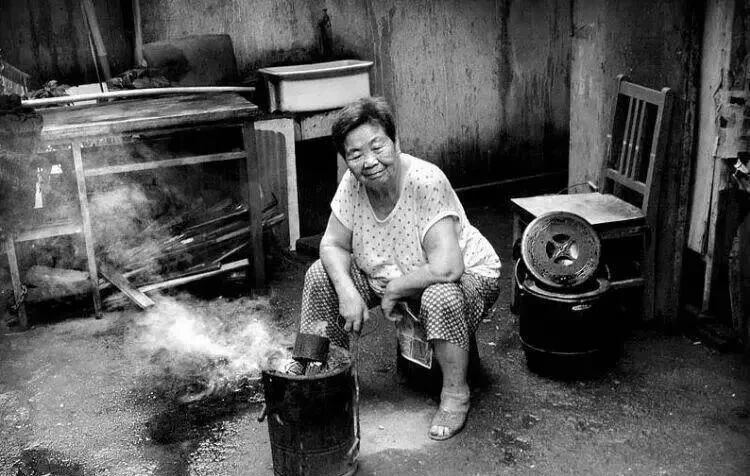
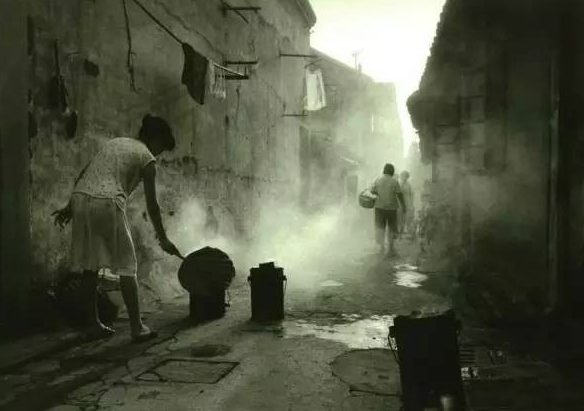
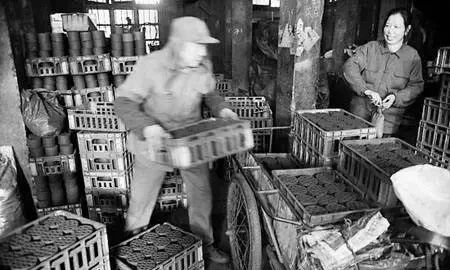
Before gas stoves, many families cooked using coal-ball burners. Lighting one required patience. People put paper and little wood pieces in the stove, fanned the flame, waited for it to catch, then added coal balls.
The scene was hard to romanticize. The smoke could be thick and choking. The air smelled of coal, burning paper, and cooking food.
Meals started this way.
For noodles, rice, stir-fried greens, or little fish, that stove was essential. When multiple families ignited their burners at once, the lane seemed to cook together.
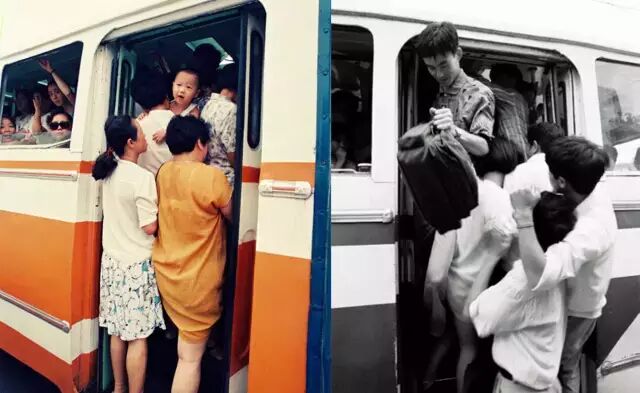
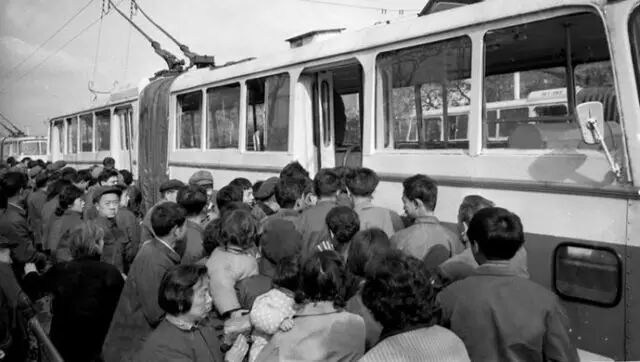
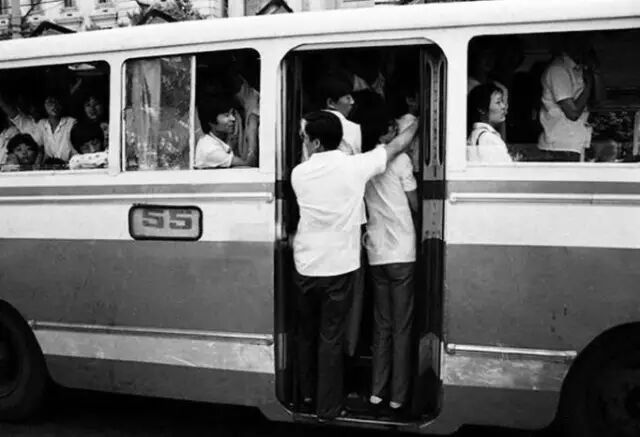
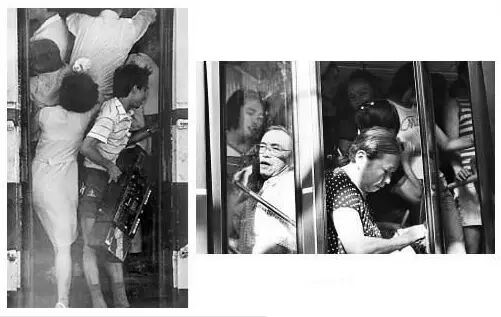
5. Ga Gong Jiao 轧公交 (Squeezing onto the Bus)
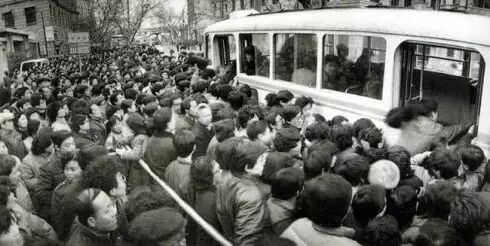
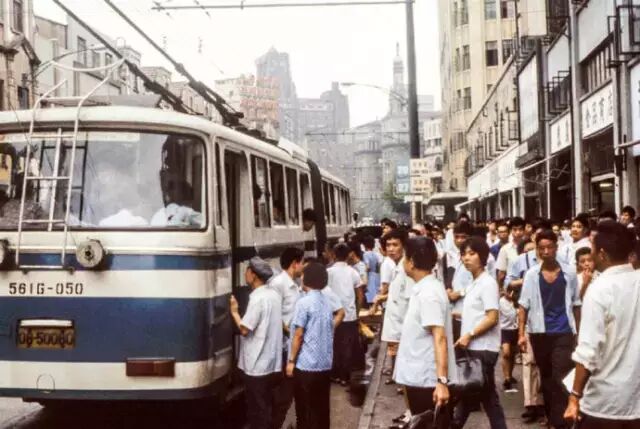
Around 7am, adults headed to work. Students went to school. Some rode bicycles, creating the famous bicycle waves once seen across Shanghai streets. Others squeezed onto buses.
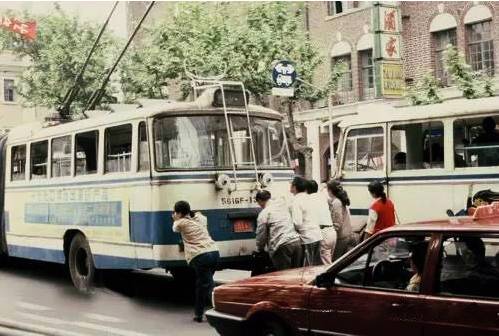
Old Shanghai buses were not for the faint-hearted. Platforms filled during rush hour, commuters waited for the next bus, and getting on board required strategy. Spot the bus early, guess where the door would stop, move rapidly, and hold your ground.
It was common to squeeze into the bus daily.
If the bus was too crowded, people still tried to get in. If it broke down on the road, passengers might have to get off, wait, walk to the next stop, or even help push. For those rushing to work, every delay mattered.
Shanghai now has subway lines, ride-hailing apps, shared bikes, and more. But for older generations, the memory of crowded buses, monthly passes, long waits, and bodies pressed together remains part of the city's working-day history.
6. Da Yu 汏浴 (Taking a Bath)
By late afternoon or evening, bathing became another family affair.
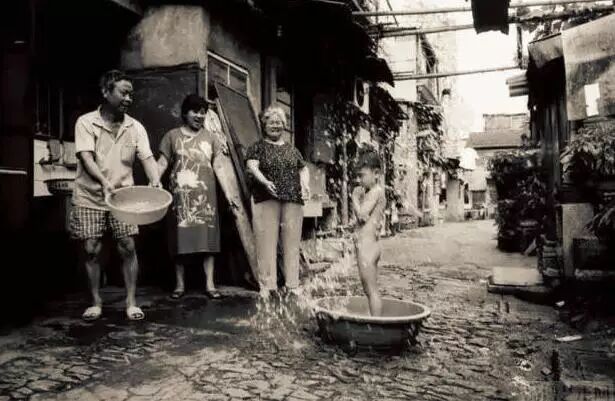
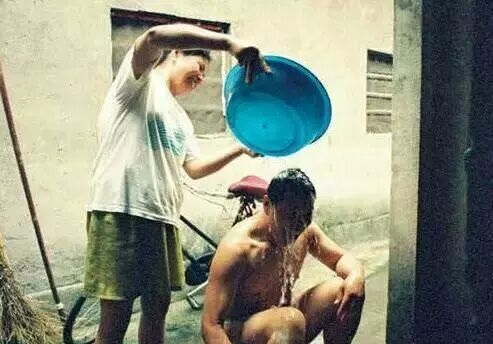
Lane homes often lacked individual bathrooms. Parents may wash kids in wooden tubs or huge basins. If a household had one room, others might have to leave while someone showered behind a screen.
Some boys bathed in the alley in shorts and chilly water. Nobody noticed this in summer because it was so common. Home life often went outside the front door on the semi-private, semi-public lane.
Children were dusted with prickly heat powder or dabbed with flower water after bathing. The smell of clean skin, talcum powder, warm pavement, and food lingered in summer.
Families relocated chairs and small tables outside soon after. Some dined in the lane while fanning, conversing with neighbors, and providing homemade food.
Meals were never just meals. It was also a conversation.
7. Kan Dian Shi 看电视 (Watching Television Together)
Night brought the closest thing to a neighborhood theater.
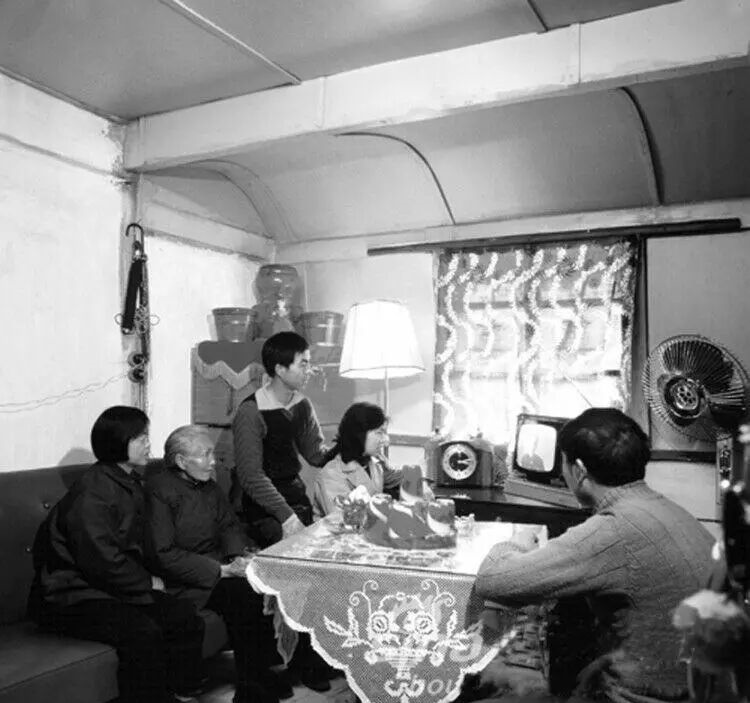
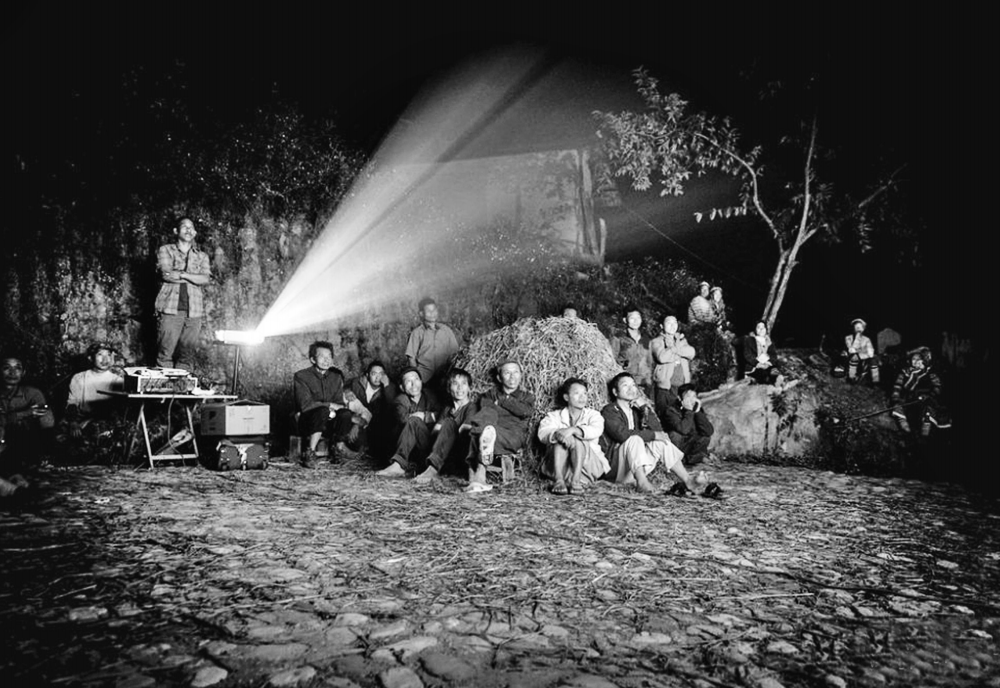
When television sets were still rare, one small black-and-white TV could attract an entire lane. Residents gathered around, sitting on stools or standing in layers, watching news, opera, dramas, or whatever happened to be on.
The screen was tiny, but the audience was large.
People laughed together, commented together and sometimes argued together. Children squeezed into the front. Adults stood behind them. Someone always had an opinion about the story, the actors or the news of the day.
In today's world, everyone has their own screen. Back then, one screen belonged to the whole lane.
The City Inside One Day
Looking back, many of these daily tasks sound inconvenient.
Emptying chamber pots. Lighting coal stoves. Washing in basins. Fighting for a spot on a bus. Planning meals with coupons. Sharing a television with half the neighborhood.
None of it was easy.
But these small acts made up the everyday life of old Shanghai. A day was built through shared sounds: the morning call for chamber pots, wet market bargaining, the crackle of coal stoves, the shout of breakfast vendors, the rumble of buses, the splash of bathwater and the chatter around a television set.
That was old Shanghai in its most ordinary form.
Messy, crowded, practical and deeply human.
Editor: Fu Rong
In Case You Missed It...

 Sep 19, 2026