[Only In SH] How a City of Migrants Created Shanghaihua
Foreigners trying to speak the local Shanghai dialect are no longer surprising.
Some learn it from short videos. Some pick it up from neighbors, colleagues, or in-laws. Some can say "Nong Ho" and "Xie Xie Nong" with such confidence that even local Shanghainese pause for a second and laugh, half amused and half impressed.
But what exactly are they learning?
The city's dialect, Shanghaihua, is frequently considered a single sound. But in actual fact, it's more like Shanghai itself: complex, fast-changing, influenced by migrants, trade, communities, and a long history of absorbing what works.


The Local Roots Beneath Shanghaihua
Long before Shanghai became a global city, there was already a local language rooted in the lower Yangtze River Delta.
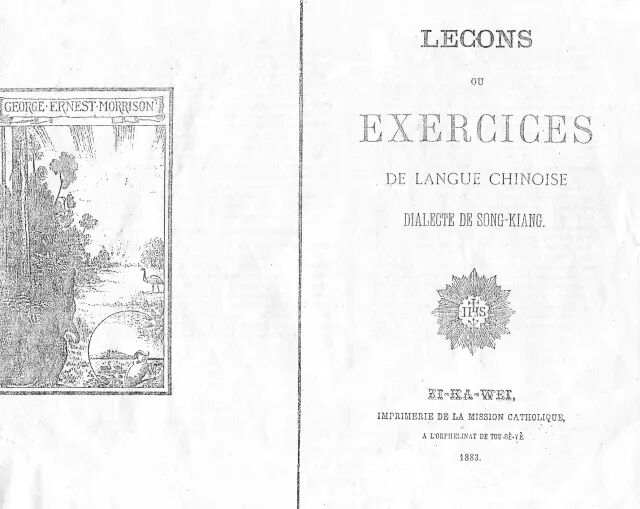
According to historical documents, the Shanghai dialect developed along with administrative changes. Former local gazetteers linked the location to Jiaxing, Suzhou, and Songjiang and underlined its Wu linguistic connection. One important conclusion in the material is clear: the deeper root of the Shanghai dialect lies in the Songjiang dialect.
The roots of Shanghai dialect can be traced to older settlements around today's old city area, where local speech had already taken shape long before the city's rapid urban growth.
When New Arrivals Changed the Language
Shanghai's 1843 treaty port opening was the turning point.
In a rapidly rising metropolis, merchants, workers, bankers, craftsmen, and families arrived. Before the port opening, topography and government molded the dialect most heavily, while migration and the economy drove it forward.
This is how the modern urban Shanghai dialect began to take shape.
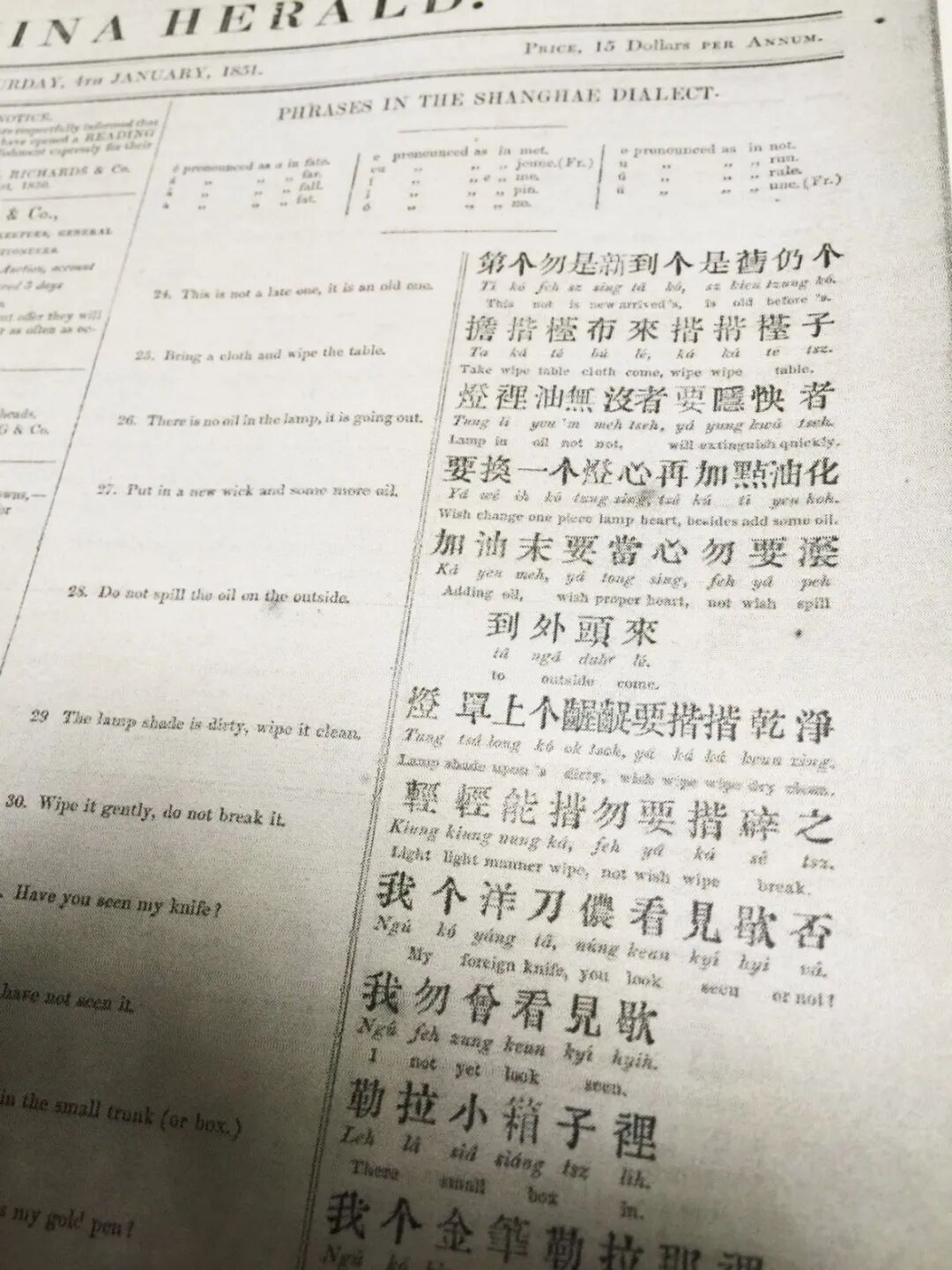
It was built locally but quickly moved. It adopted the Wu sounds, language and practices from Suzhou and Ningbo. The Shanghai word "ala," meaning "we" or "us," is associated with Ningbo, Hangzhou, Suzhou, northern Jiangsu, and other cities that also contributed words.
In other words, the Shanghai dialect became Shanghainese by doing what Shanghai does best: mixing.
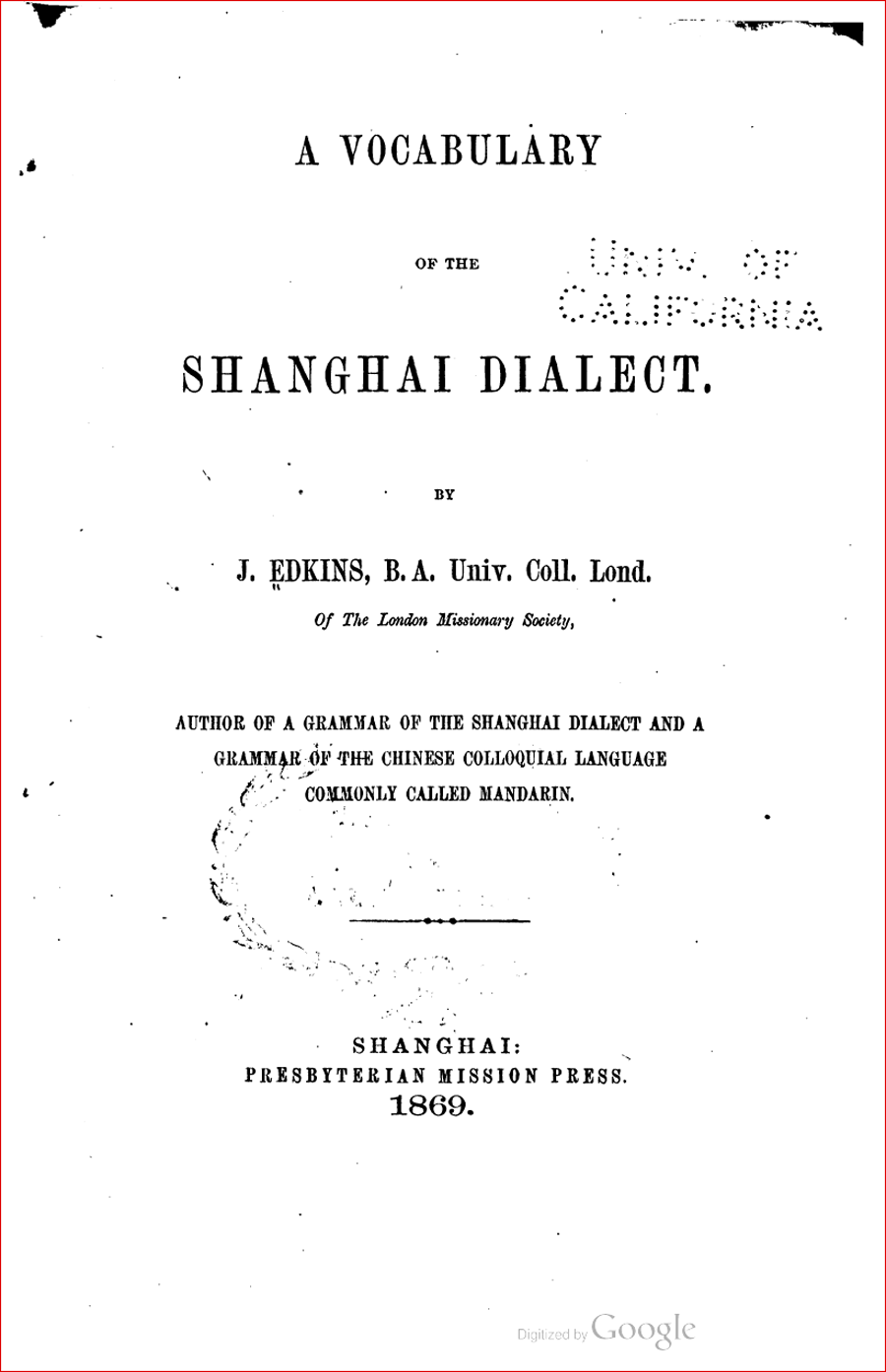
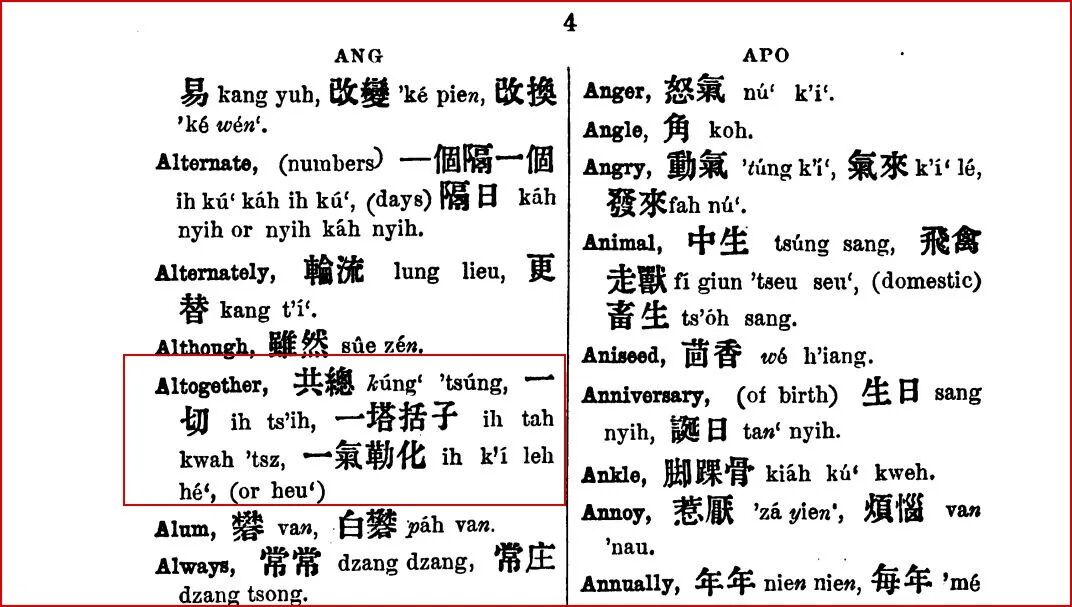
A Language Made for City Life
The Shanghai dialect is full of words that feel born from daily life.
Some are precise. Some are funny. Some are almost visual.
A tiny amount is not just "a little." It can be "Yi Mi Mi," "Yi Xie Xie," or "Yi Di Di," each carrying a slightly different feeling. The knee can be called "Jiao Man Tou," literally "foot bun," because a bent knee really does look a bit like a bun. Eggplant becomes "Luo Su," a word that sounds unexpectedly elegant.
This contributes to its charm. The Shanghai dialect not only names things, it observes them.
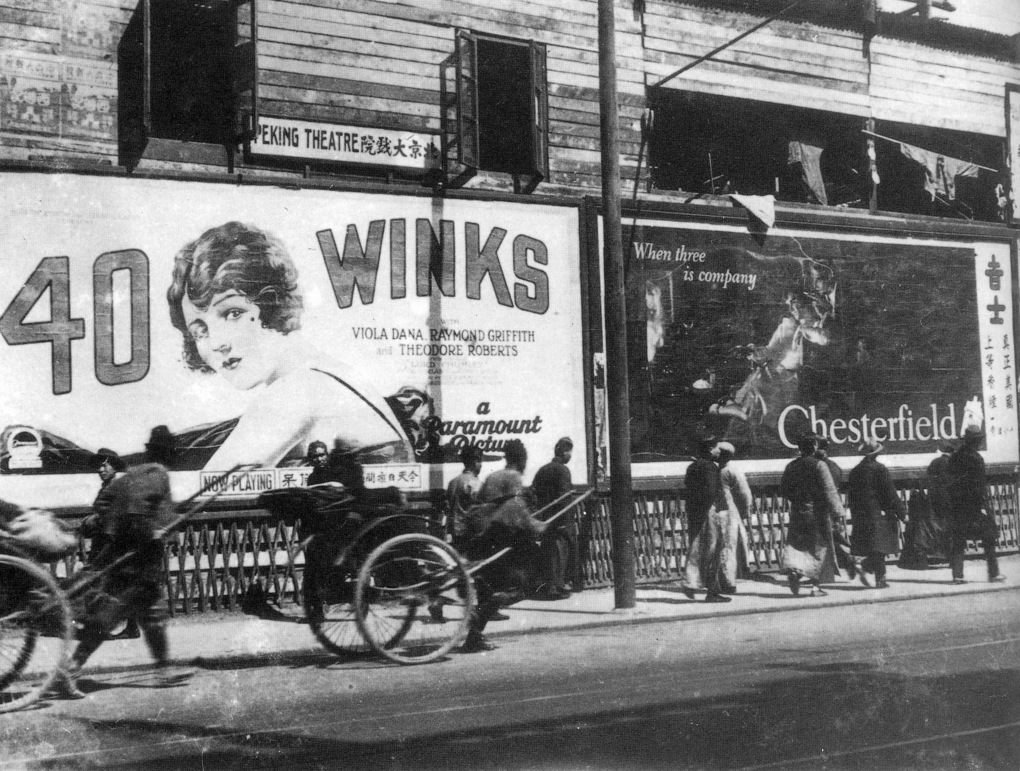
It also grew with the modern city. As Shanghai encounters new objects, technologies, and lifestyles, the dialect creates or absorbs new words for them. Some came from English, including words related to sofas, butter, motors, cement, and other imported items.
Others emerged from the city's own imagination. The material notes that many modern words related to transportation, urban life, and commerce first appeared in Shanghai's speech before spreading more widely.
A city that was learning how to be modern needed a language quick enough to keep up.
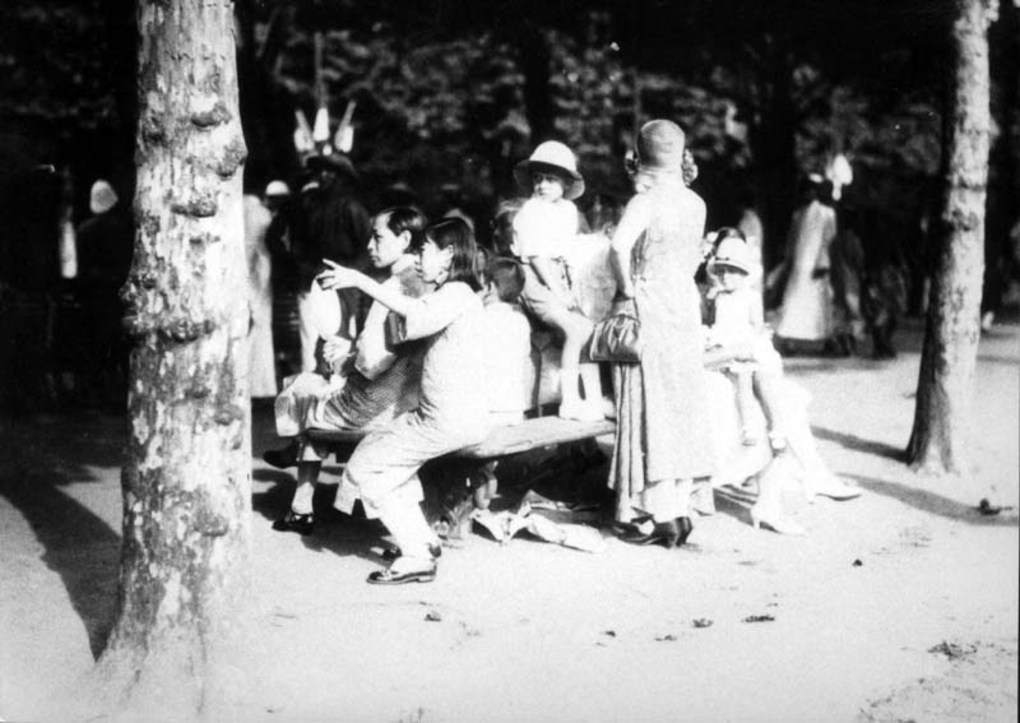
Business Also Left Its Mark
Shanghai was also a commercial city, and that commercial spirit entered its language.
Many expressions began in the world of trade and business before moving into everyday speech. Words about accounts, prices, bargaining, contracts, and appearances became ways to describe people, relationships and behavior.
For example, "Mai Xiang" (pronounced Ma Xiang in Shanghai dialect) once used to describe how marketable or presentable goods looked, later came to describe a person's appearance and overall impression.
That is why the Shanghai dialect can sound practical, sharp and witty at the same time. It carries the habits of a city where people made deals, read the room, thought about details, and valued clarity.
In daily speech, wit often appears as a quick joke, a precise adjective, or a phrase that says in three syllables what another language might need a full sentence to explain.
Is There One "Real" Shanghai Dialect
It gets interesting here.
People argue whether the Shanghai dialect is "standard" or "authentic," but the Shanghai dialect has never been definitive.
There is an old Shanghai dialect, linked to the city's older local speech. There is an urban Shanghai dialect, which grew rapidly after the port opened. There are also suburban dialects throughout Shanghai, including Songjiang, Jiading, Chongming, and others.
The material explains that "Shanghai dialect" can mean the narrow urban dialect of central Shanghai, or more broadly, the dialects spoken across the Shanghai region.
Even within the urban Shanghai dialect, generations speak differently. Older speakers may preserve sounds and words that younger speakers seldom use.
Mandarin has a greater influence on younger speakers. Their Shanghai dialect may sound different, but that does not mean the language has stopped being Shanghai dialect.
It means the city is still changing.
![[Only In SH] How a City of Migrants Created Shanghaihua](https://obj.shine.cn/files/2026/06/04/4486ec49-669a-4ef0-bda1-ec62c67cffa8_0.jpg)
Maybe Imperfect Is the Point
Shanghai has always had accents.
The material even indicates that "impure" or "non-standard" language should be considered. Mixed speech may also document a city's culture, contact and movement. Today's "not standard enough" may become tomorrow's local term.
That feels especially true in Shanghai.
Foreigners learning the Shanghai dialect today are not contaminating the language. They become part of its oldest tradition. During a time of mass immigration, the Shanghai dialect strengthened. Because it could absorb, adapt, and localize differences, it became a major urban dialect.
Therefore, when a foreigner exclaims "Nong Ho" in a lane, café, or metro station, it is not merely a charming moment. It is a reminder that the Shanghai dialect has never belonged only to the past.
It belongs to anyone willing to listen closely to the city.
Editor: Fu Rong
In Case You Missed It...

 Sep 20, 2026
![[SH Transit] Shanghai Speeds Up Work On Five New High-Speed Rail Stations](https://obj.shine.cn/files/2026/09/18/e4351051-0478-4845-88fe-8ca3b4c41ef7_0.jpg)