Domestic Airline Fuel Surcharge in China to Rise Sixfold Starting April 5
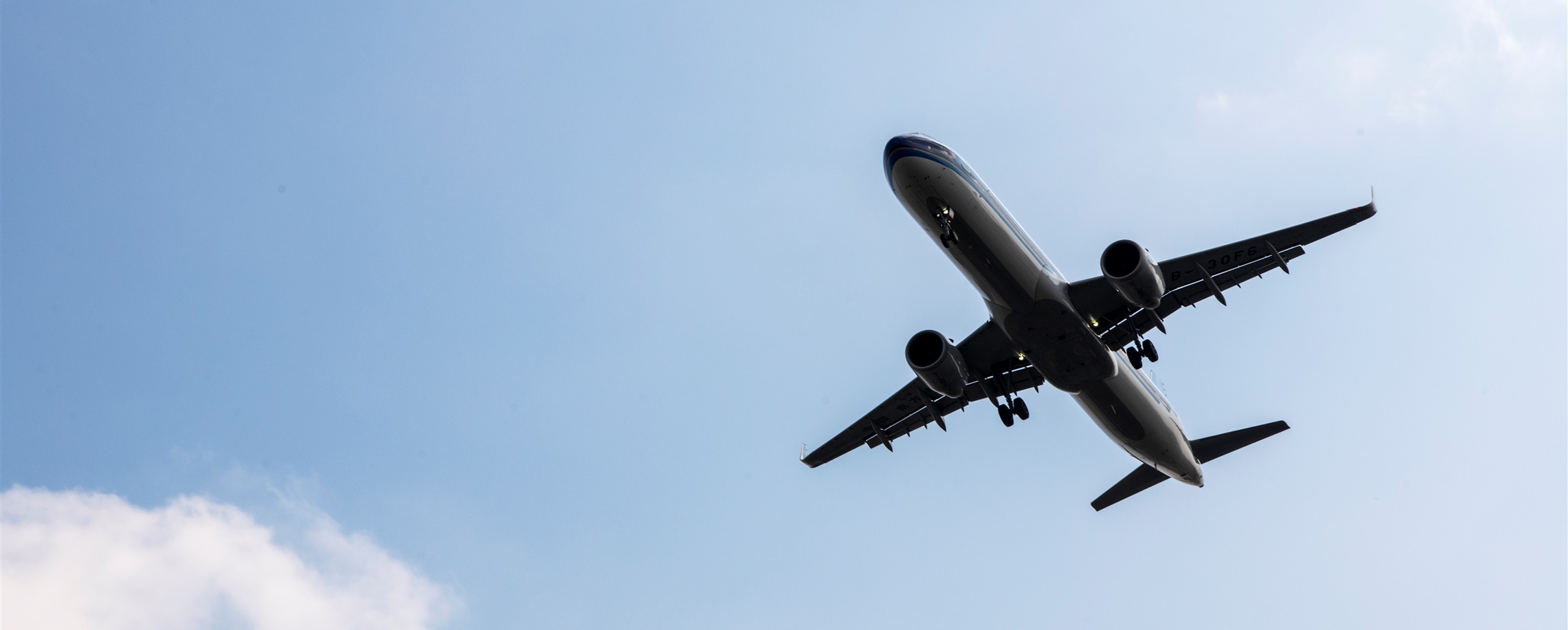
China’s domestic air travel is about to get significantly more expensive, with fuel surcharges set to rise sharply from April 5. Major carriers, including Xiamen Airlines and China United Airlines, announced that fees will jump from 10 yuan (US$1.45) to 60 yuan for flights under 800 kilometers, and from 20 yuan to 120 yuan for longer routes, marking a sixfold increase driven by surging jet fuel costs.
The new rates, effective for tickets issued from midnight on April 5, will be applied based on the original ticket issuance date, with no adjustments for reissued tickets. After the adjustment, passengers will pay between 110 yuan and 170 yuan in combined taxes and surcharges, including the existing 50-yuan airport construction fee.
The sharp increase follows a series of international fuel surcharge hikes in mid-March, driven by sustained volatility in global oil prices amid ongoing geopolitical tensions in the Middle East. Fuel costs typically account for more than 30 percent of airline operating expenses.
Carriers, including Spring Airlines and Cathay Pacific, have already implemented multiple rounds of increases. Spring Airlines raised fuel surcharges on its Shanghai–Malaysia routes by 180 yuan starting March 12. Cathay Pacific more than doubled its long-haul fuel surcharge from HK$569 (US$72.6) to HK$1,164 on March 18, and later announced a further hike on Japan–Hong Kong routes to HK$1,560, effective April 1.
In response to the looming increase, travelers have rushed to book tickets ahead of the adjustment window. Some social media users posted screenshots showing they had purchased tickets for the remainder of the year. According to data from Tongcheng Travel, bookings made 30 days or more in advance for domestic flights rose more than 30 percent year-on-year as of March 20, while international advance bookings increased by over 20 percent. Travel platform Qunar reported that bookings for the upcoming May Day holiday had already risen by nearly 20 percent compared with the same period last year.
Editor: Wang Qingchu
In Case You Missed It...

 Mar 31, 2026
![[Current Trends] What the New York Times Sees in Shanghai – and What It Doesn't](https://obj.shine.cn/files/2026/03/31/6807579f-920e-4cb5-a720-f4490463e7a0_0.png)