Pretty But Poisonous: Authorities Warn of Ginkgo Fruit Risks
Following the solar term Cold Dew (寒露), ginkgo fruits are appearing across Shanghai's streets and parks.
While the yellow-green fruits are commonly admired for their seasonal appeal, local health experts are reminding residents that they contain toxic substances and should be handled and consumed with caution.
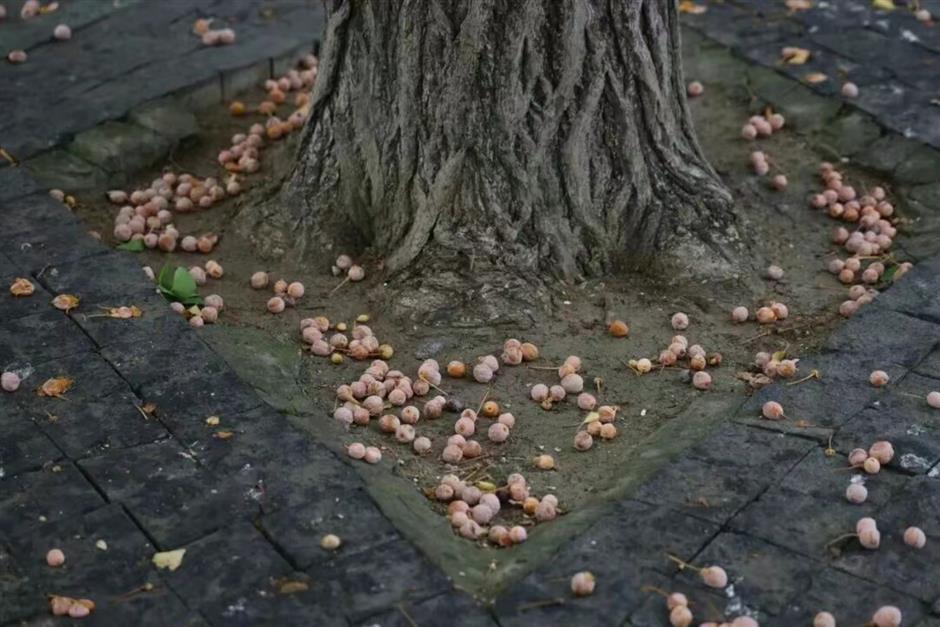
Unprocessed ginkgo fruits contain about 20 milligrams of ginkgolic acid per kilogram, a compound known to cause skin irritation and even damage to cells and the immune system.
Both the kernel and germ contain cyanide and other alkaloid-like toxins. The pulp and seed coat, meanwhile, are rich in allergenic substances that can cause redness, itching or even blistering when the juice touches the skin.
The yellow core – the kernel itself – harbors hydrogen cyanide, ginkgolic acids and ginkgotoxin, which can lead to poisoning if consumed in excess or undercooked. The green embryo inside is the most toxic part.
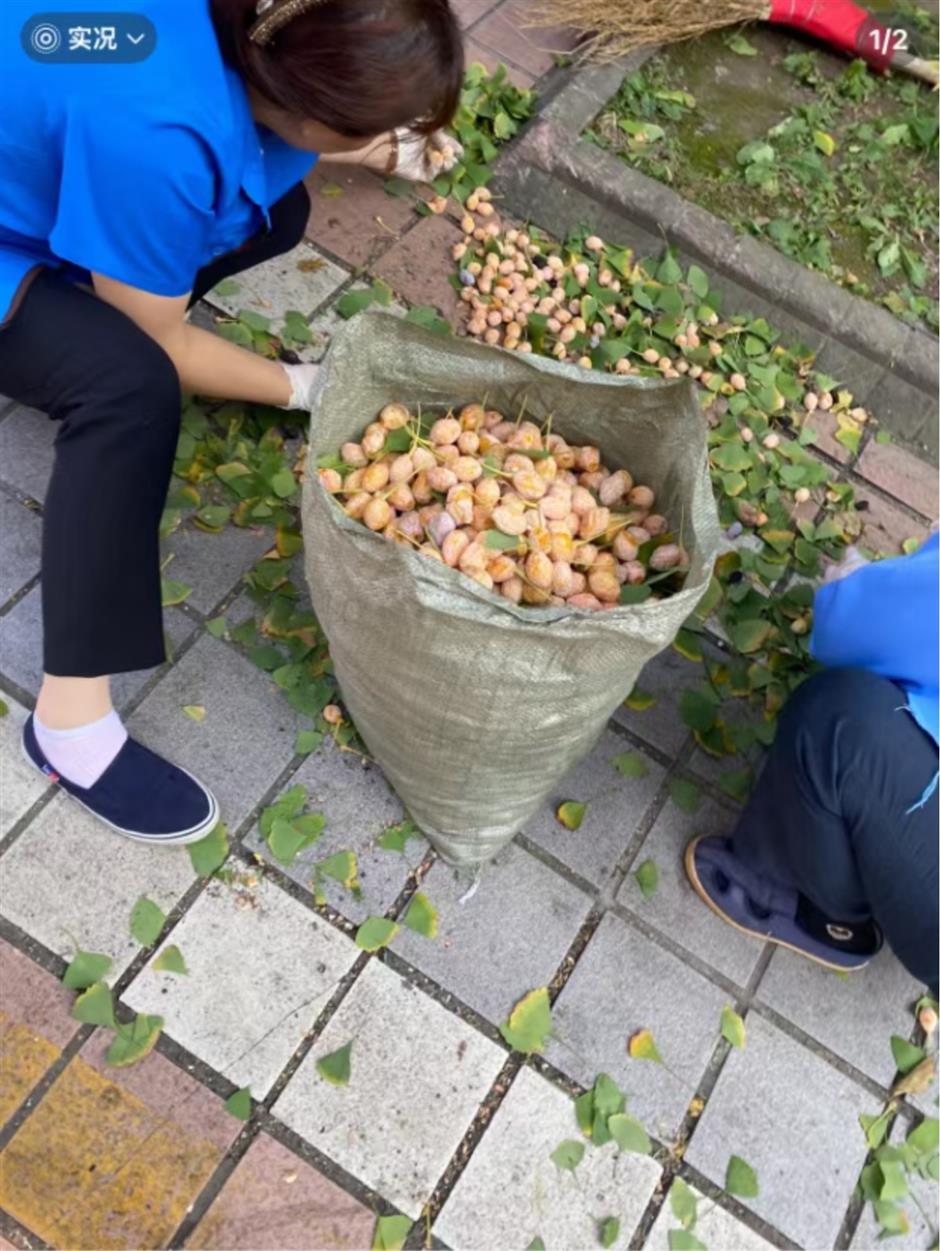
Fruits collected from roadsides may also be contaminated with dust, exhaust emissions and pesticide residues.
Symptoms of ginkgo poisoning usually appear within three to four hours and include fever, vomiting, abdominal pain, diarrhea, convulsions, seizures, bluish skin and breathing difficulty.
If ginkgo juice touches the skin, wash that part thoroughly with soap. In severe cases – rashes, pain, or breathing difficulty – seek medical help immediately.
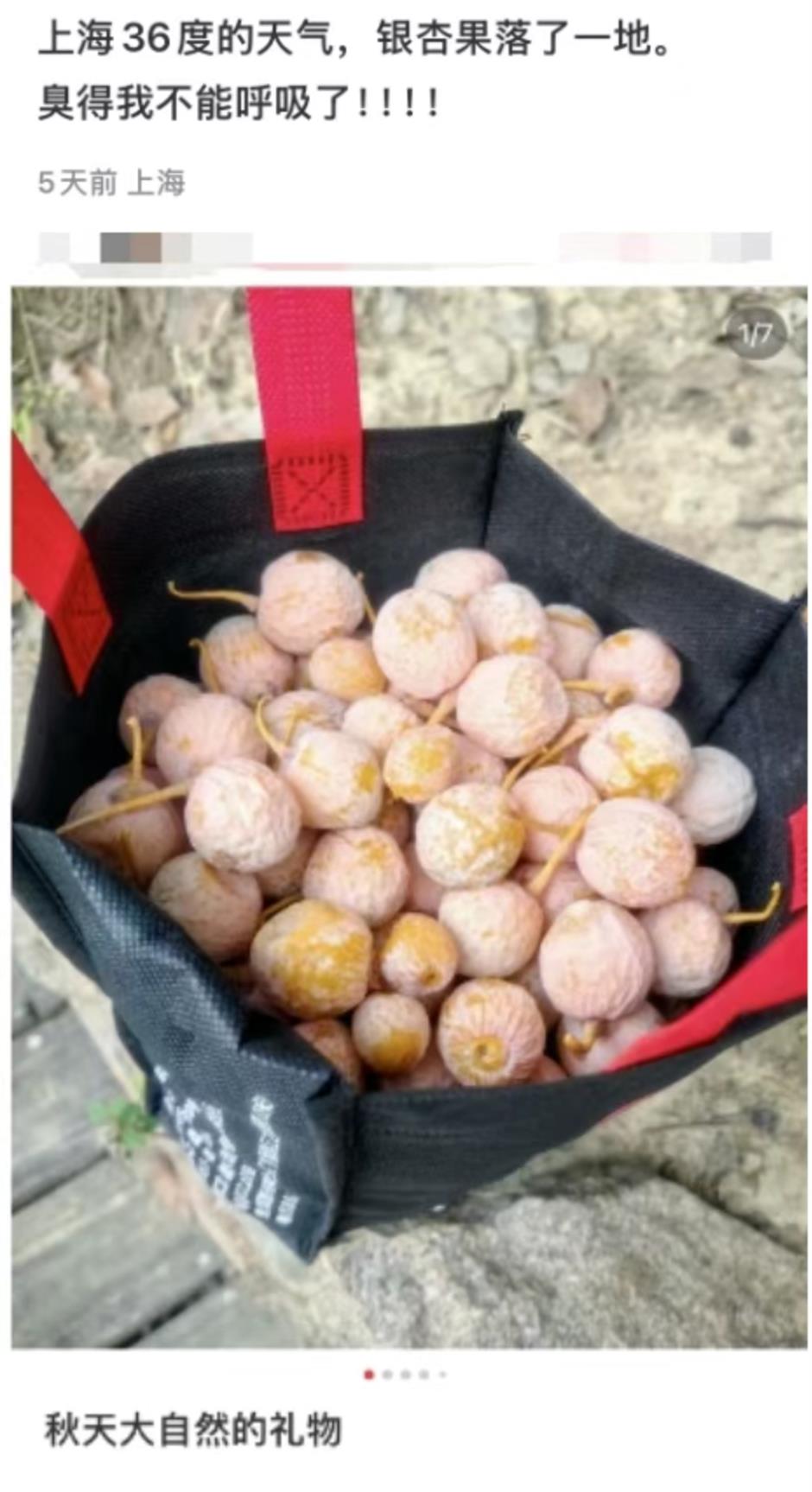
Ginkgo nuts should never be eaten raw. Experts recommend purchasing from reliable markets rather than picking from streets, wearing gloves when removing shells, and boiling the nuts for at least 10 minutes to reduce toxin levels. Cooking at high temperatures destroys most harmful compounds and allergens, making them safe to eat in moderation.
Adults should limit intake to no more than 10 cooked ginkgo nuts per day, while children should have fewer than five, and infants should avoid them entirely, experts said.
Editor: Wang Xiang
In Case You Missed It...

 Mar 31, 2026