Foreign Tourists Fall in Love With Everyday China
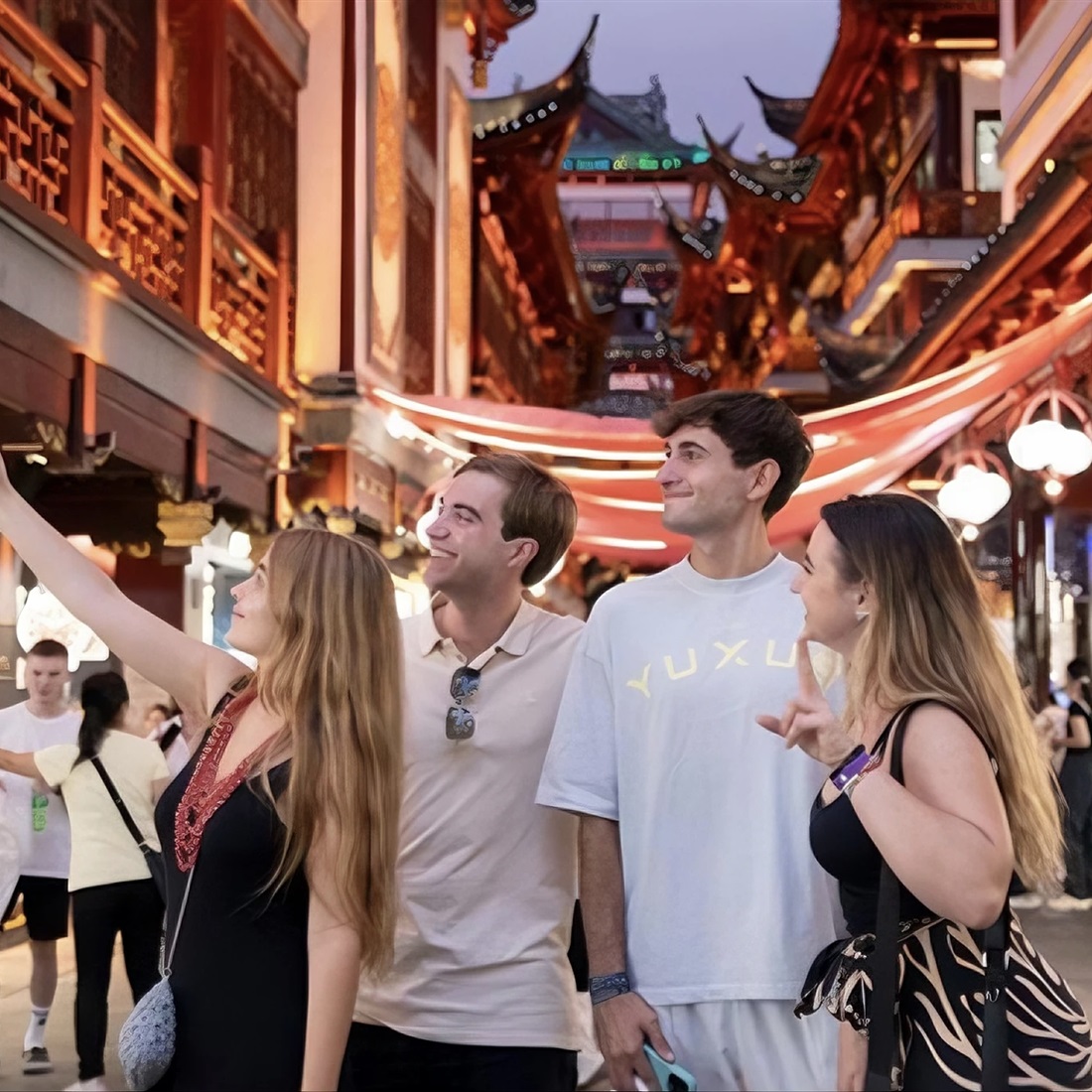
A bucket list of landmarks alone is no longer driving China's inbound tourist boom. According to Xiaohongshu's "2026 Tourism Trends of Foreigners in China" report, a growing number of foreign travelers are chasing something less scripted: everyday life in China.
One traveler arrives with an empty suitcase; another turns to strangers online in search of a Mandarin-speaking guide. Elsewhere, a late-night "safety challenge" through a Chinese city evolves into an unexpected tribute to street food stalls, 24-hour convenience stores, and the rhythm of ordinary urban life.
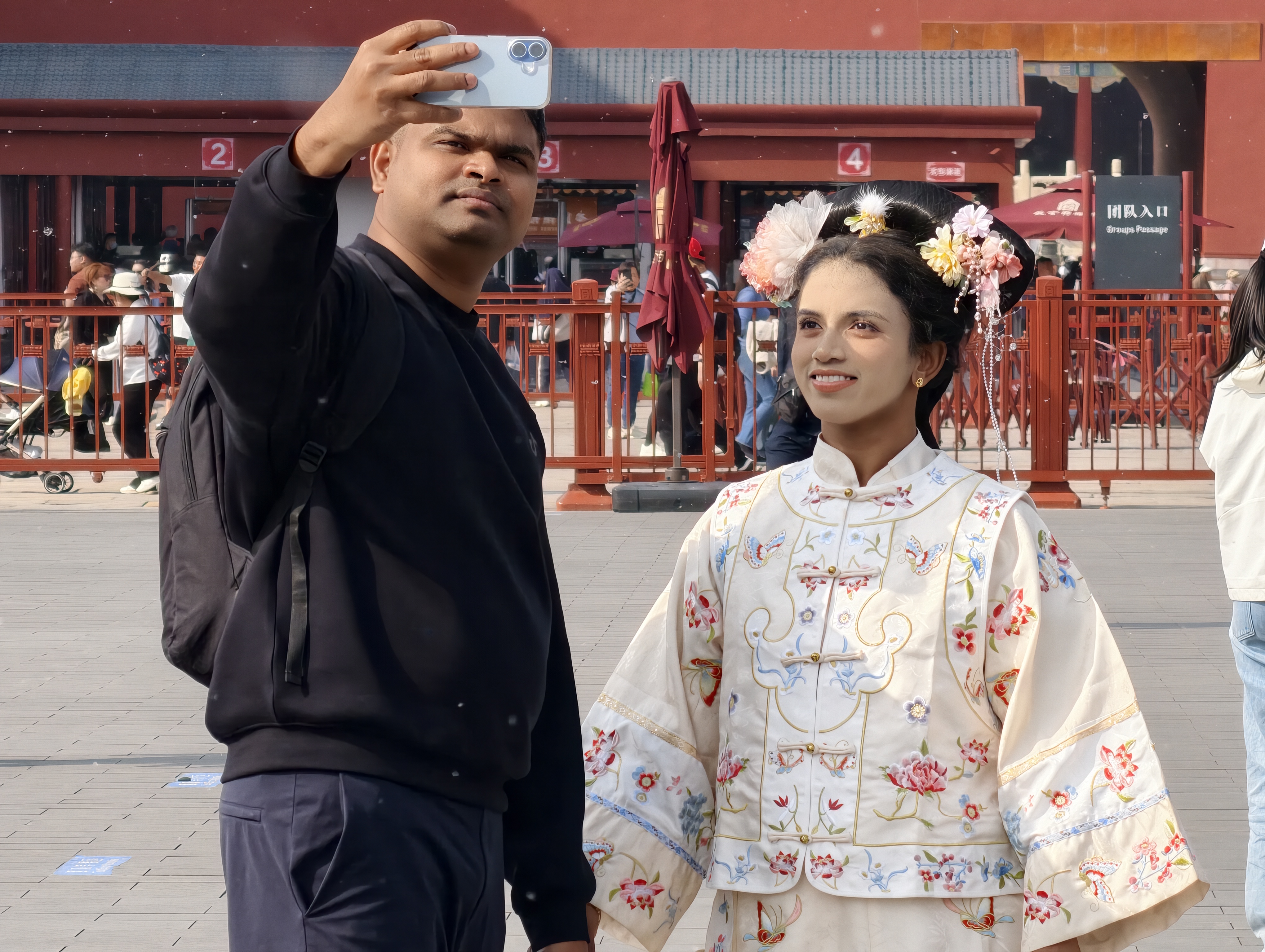
For a new generation of travelers, the appeal of China lies not just in its landmarks, but in its daily life – the small discoveries, spontaneous encounters, and local moments that rarely appear in traditional travel brochures.
China becomes a searchable travel diary
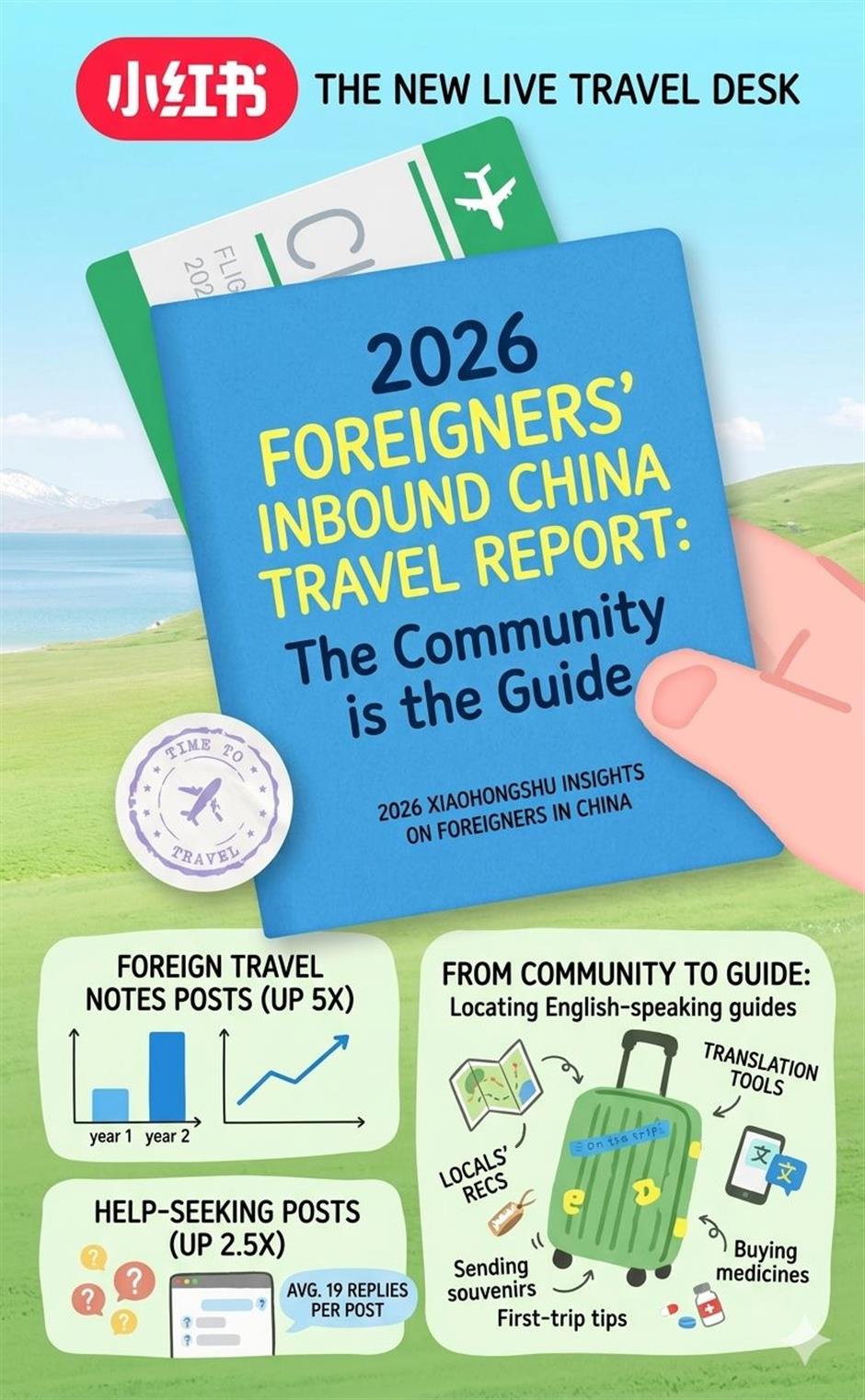
Over the past year, travel notes about China posted by foreign users on Xiaohongshu, also known as RedNote, increased fivefold. Help-seeking posts also rose to 2.5 times the previous year's figure, with each such post receiving an average of 19 replies.
For many visitors, Xiaohongshu has become a live travel desk. They ask where to find English-speaking guides, how to send souvenirs home, where to buy certain medicines, or what to prepare before their trip to China.
Many of the replies come from locals and experienced travelers sharing practical advice and recommendations. A post can become a map, a translation tool, a recommendation list, and a friendly hand all at once.
Shanghai tops the wish list
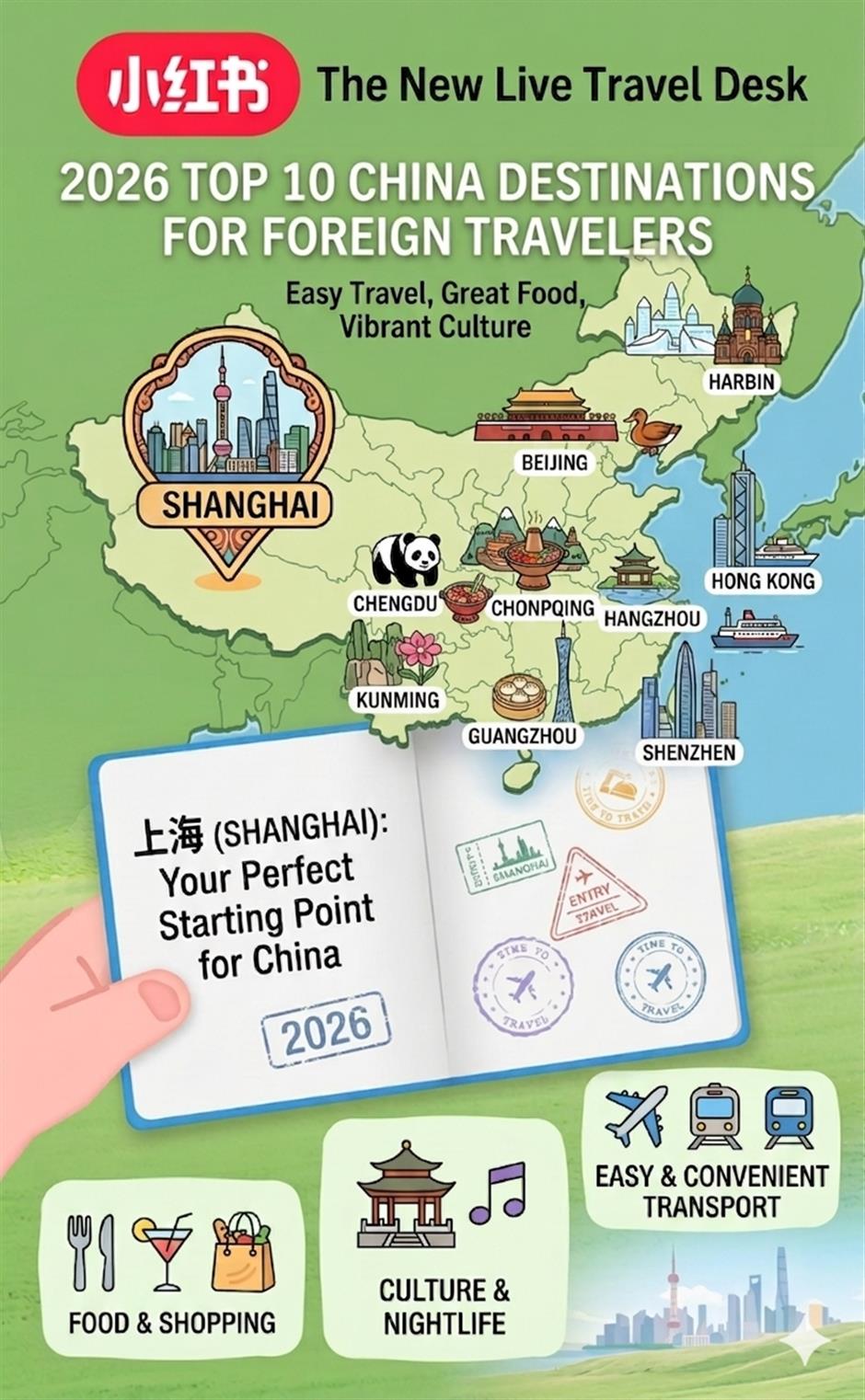
Shanghai ranked No. 1 among Chinese destinations for foreign travelers, followed by Guangzhou, Beijing, Hong Kong, Shenzhen, Chongqing, Chengdu, Hangzhou, Kunming and Harbin.
The ranking reflects what many inbound visitors are looking for right now: effortless urban travel, strong food scenes, shopping, culture, nightlife, and convenient transportation.
For a first-time visitor, Shanghai often works as the perfect starting point. For returning travelers, it serves as a base for deeper trips to China.
The rise of China's "black horse" cities
Beyond the usual gateway cities, smaller and less expected destinations are gaining attention.
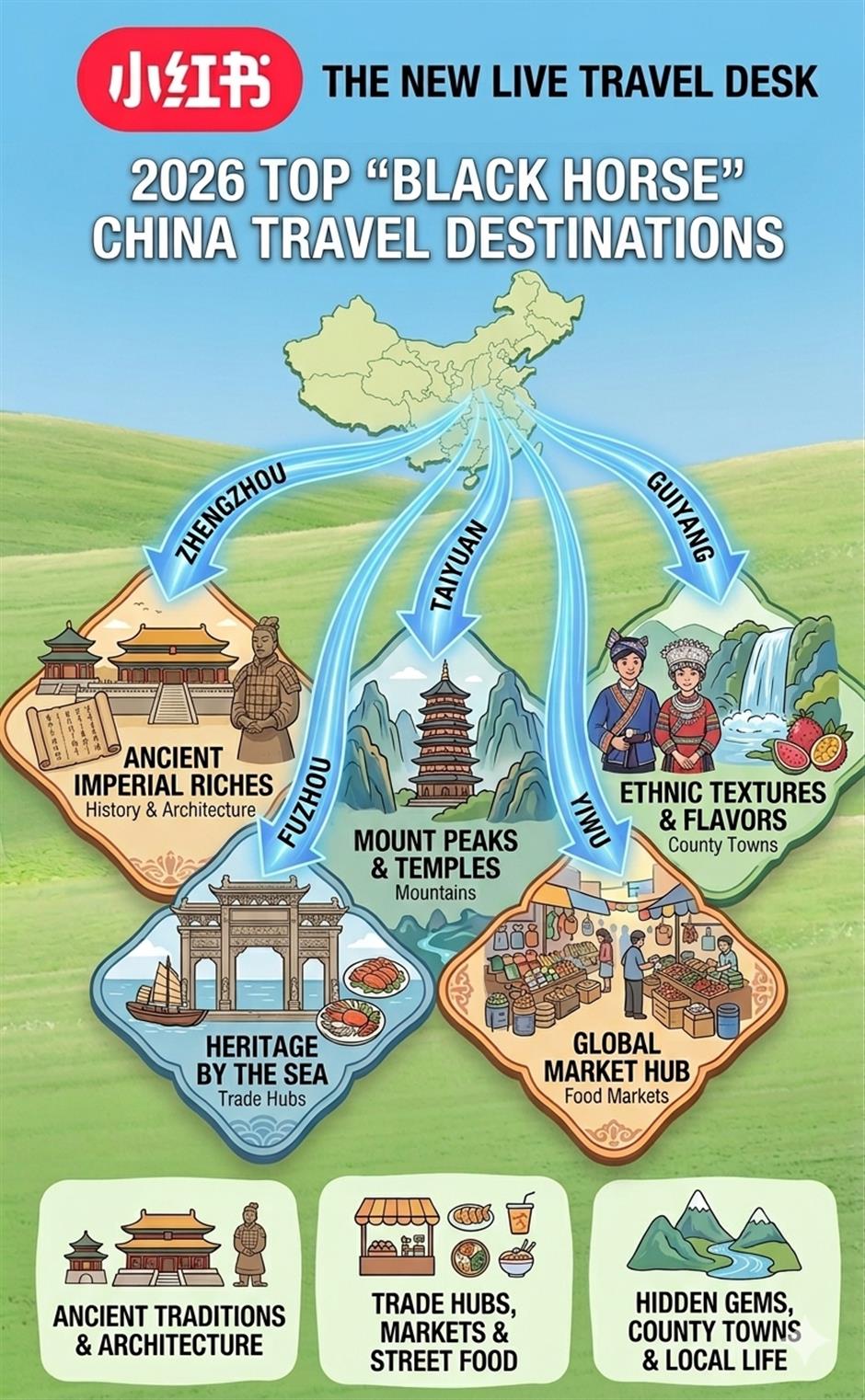
Zhengzhou, Taiyuan, Guiyang, Fuzhou and Yiwu were named among the top "black horse" cities that foreign travelers were most interested in.
History and ancient architecture draw some visitors. Others come for food, markets, trade hubs, mountains, county towns, or simply for the thrill of going somewhere less familiar.
The report indicates that people no longer perceive China as a single destination. It is becoming a patchwork of very different local lives.
Travel as a challenge
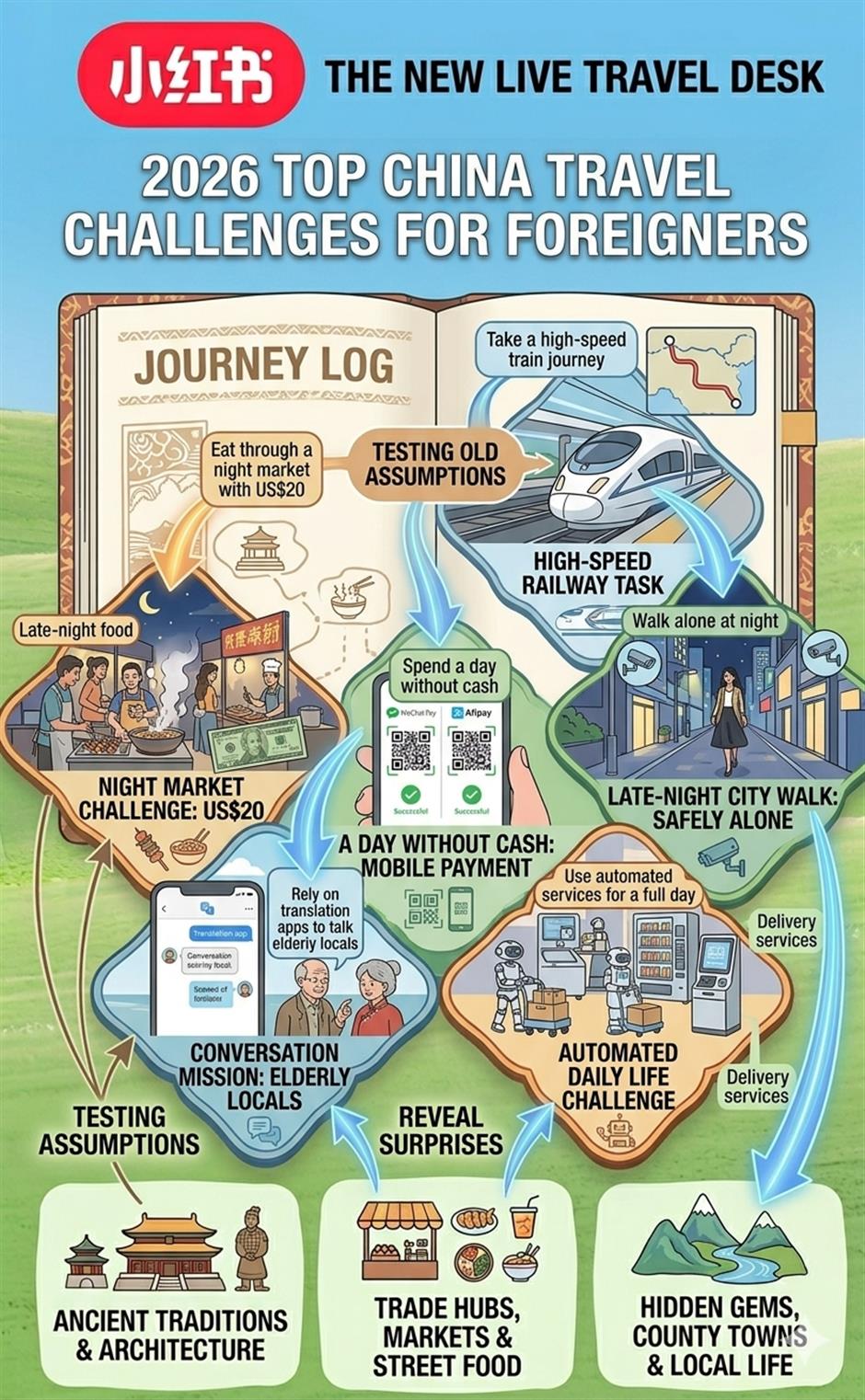
One of the most talked-about trends is "challenge-style travel."
Foreign creators are giving themselves small missions: Spend a day without cash, eat through a night market with US$20, take a high-speed train journey, walk alone at night, use automated services for a full day, or rely on translation apps to talk with elderly locals.
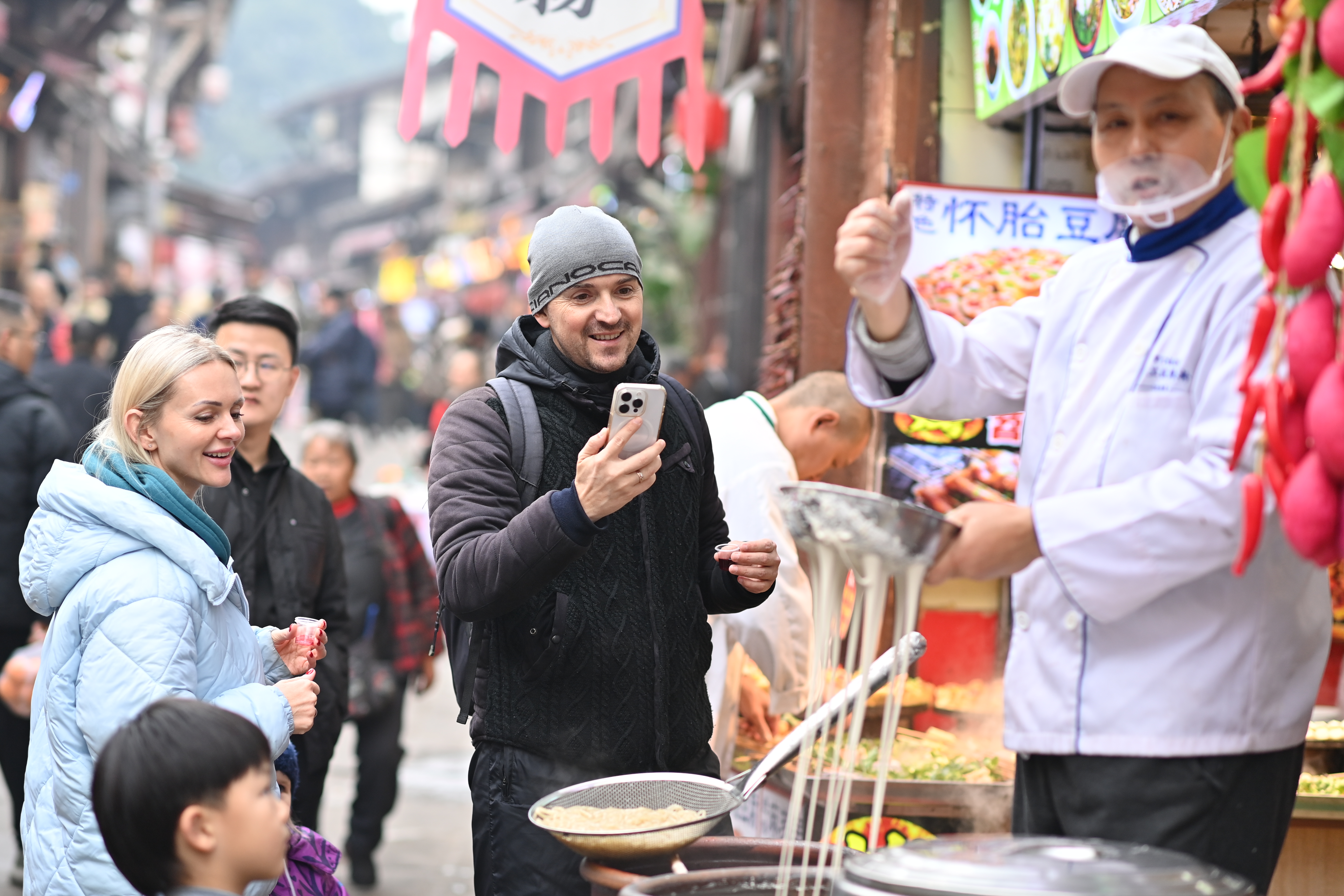
These challenges are fun to watch, but they also reveal what surprises visitors most about China: mobile payment, public safety, delivery services, late-night food, high-speed transport, and the speed of daily life.
In the end, many of these videos are less about completing a task and more about testing old assumptions.
From sightseeing to living like a local
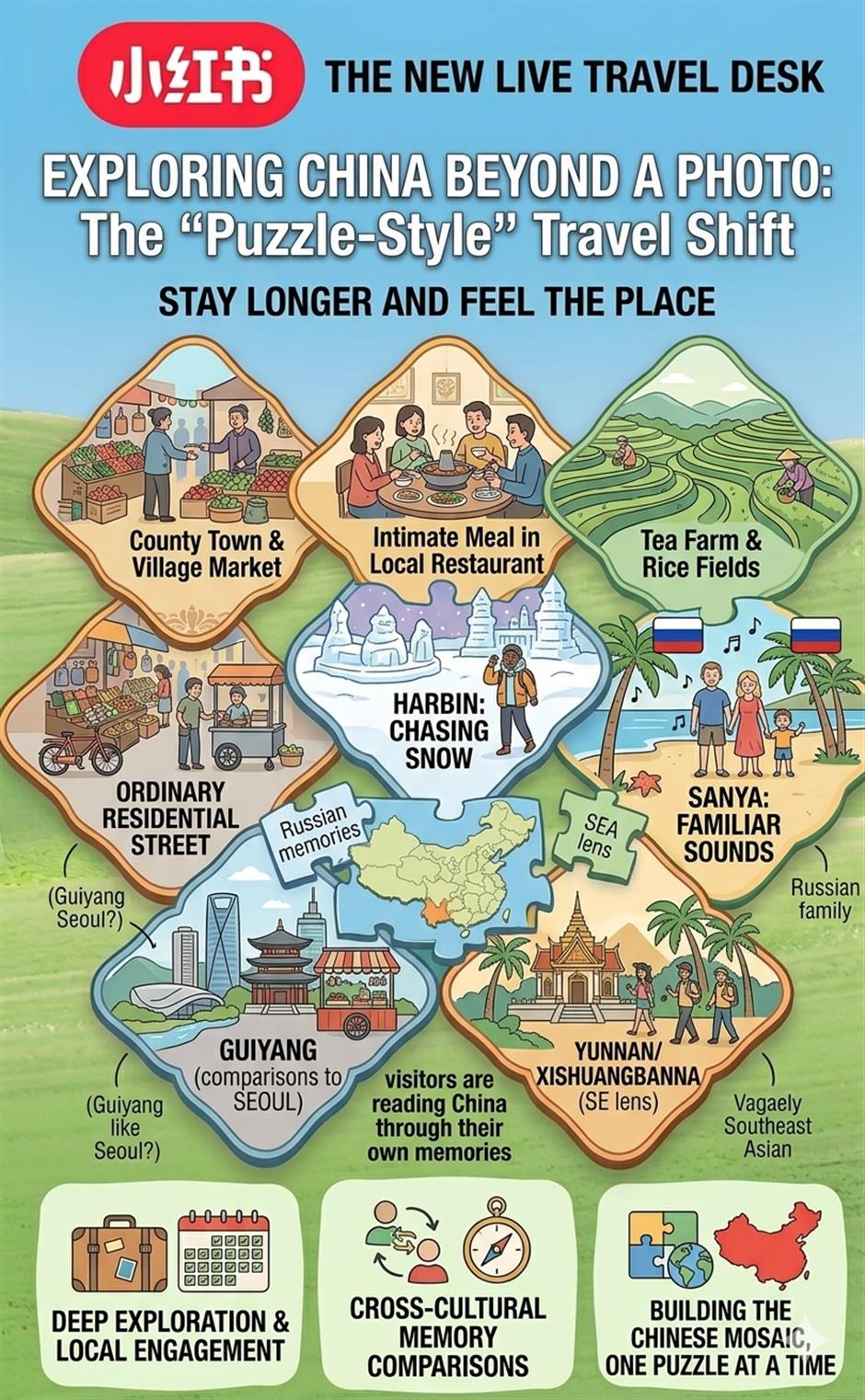
Another clear shift is the move from "go there and take a photo" to "stay longer and feel the place."
Foreign travelers are exploring county towns, second- and third-tier cities, village markets, tea farms, rice fields, local restaurants, and ordinary residential streets.
Some creators compare Chinese cities with places from their own countries. Russian travelers find familiar sounds in Sanya. Southeast Asian visitors chase snow in Harbin. Others compare Guiyang with Seoul, or see parts of Yunnan and Xishuangbanna through a Southeast Asian lens.
This "puzzle-style travel" shows how visitors are reading China through their own memories while discovering something new.
New Chinese-style shopping
Shopping is also changing.
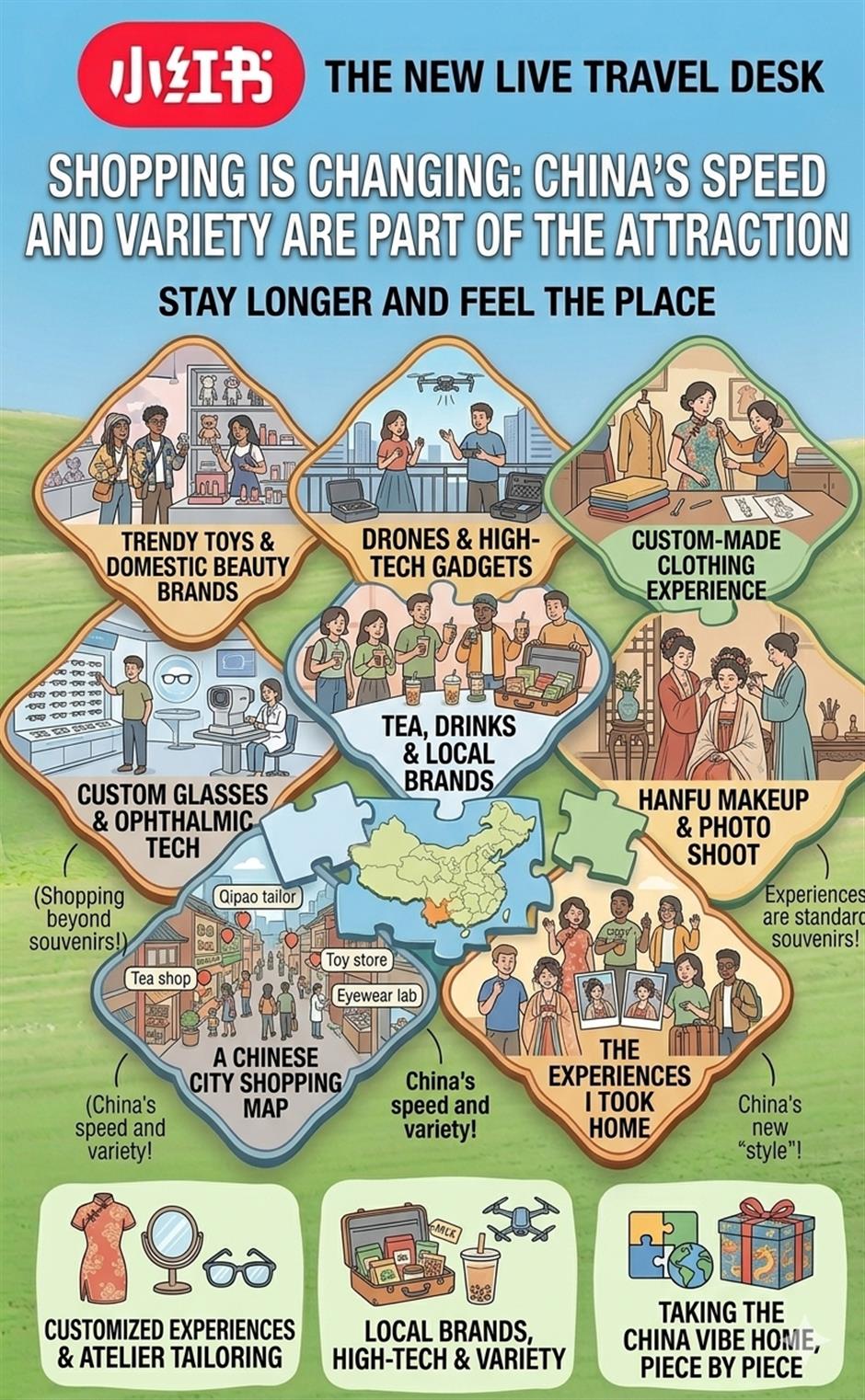
The most-searched "new Chinese-style specialties" among foreign users included trendy toys, Hanfu, milk tea, domestic beauty brands, drones, customized clothing, and custom glasses.
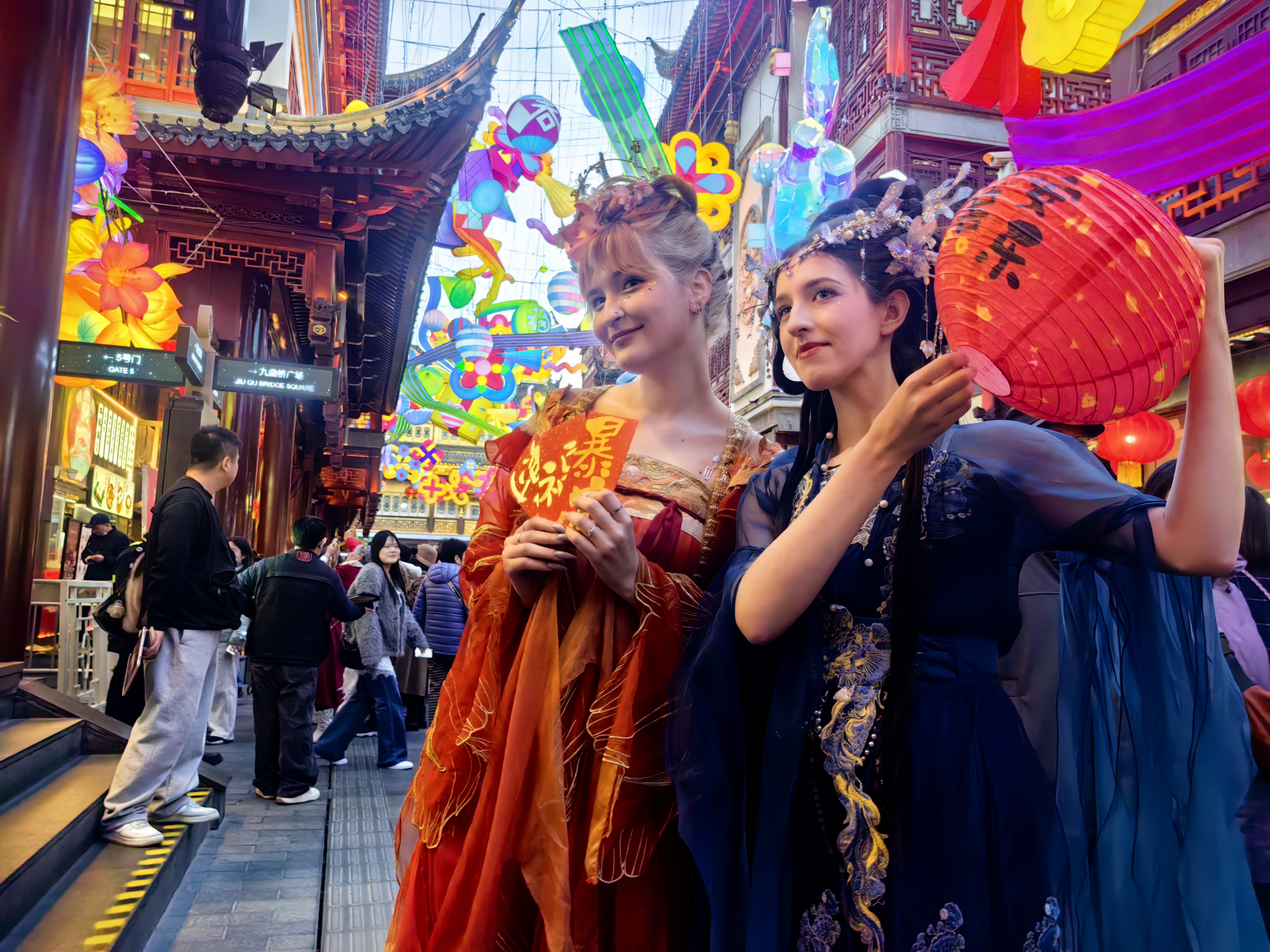
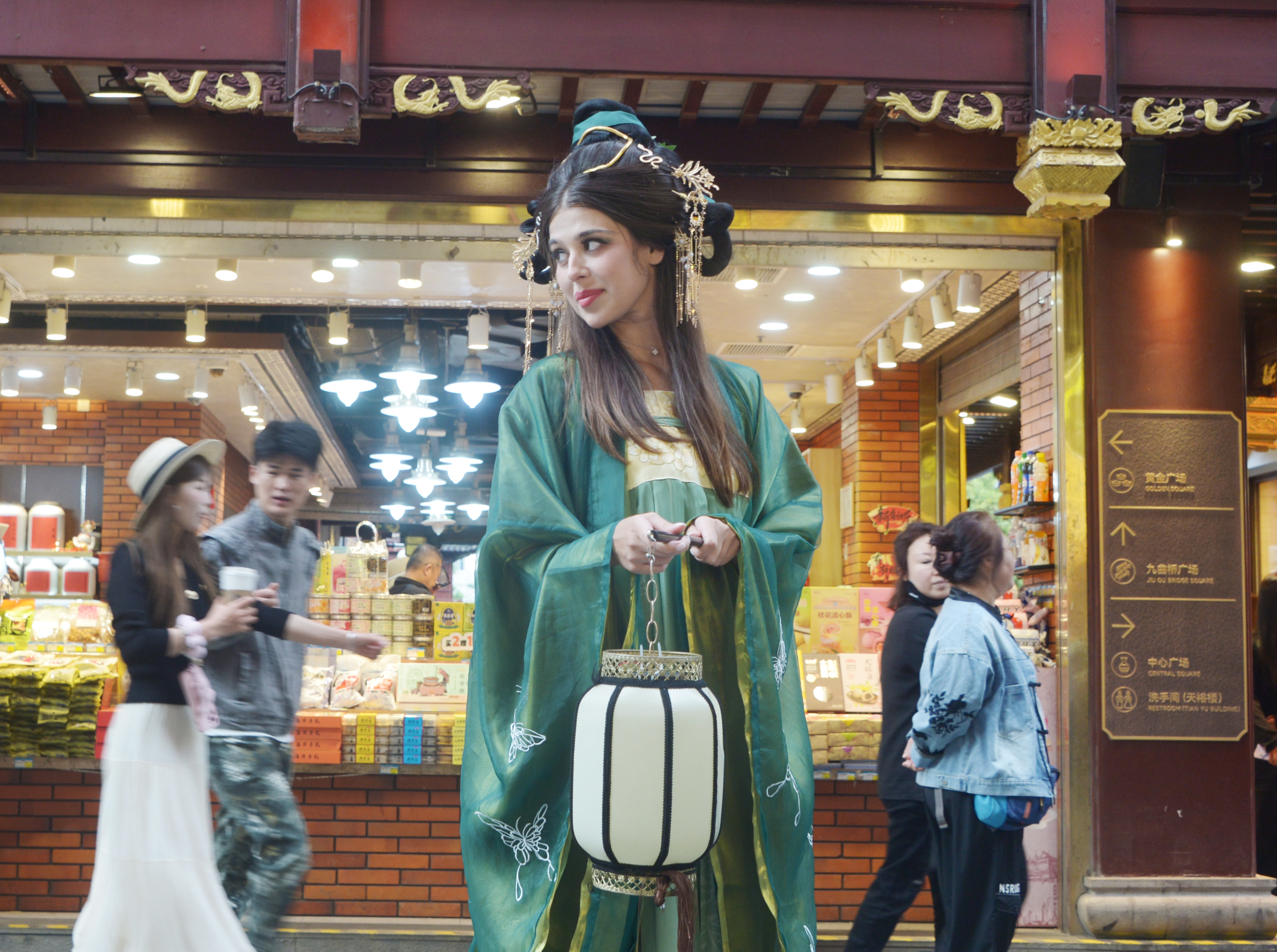
Instead of buying standard souvenirs, many visitors are looking for experiences they can take home: a tailored qipao, a Hanfu makeup shoot, a pair of glasses made on the spot, or a suitcase filled with local brands.
China's speed and variety have become part of the attraction.
A warmer kind of travel
Perhaps the most intriguing change is emotional.
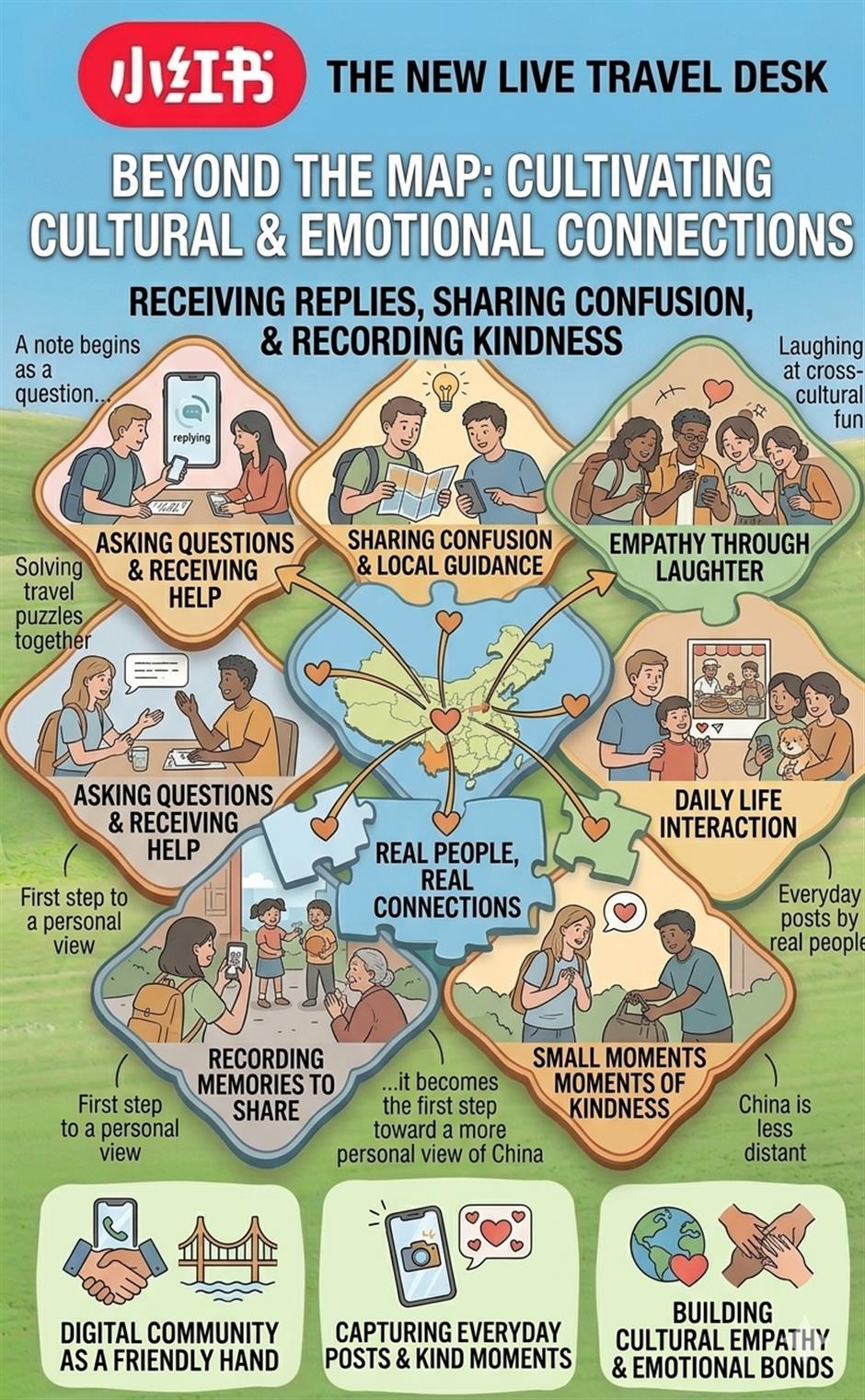
The report suggests that foreign travelers are not only using Xiaohongshu to plan trips but also to connect with people. They ask questions, receive replies, share confusion, laugh at misunderstandings, and record small acts of kindness.
One idea runs through the report: China is becoming less distant when experienced through everyday posts by real people.
A Xiaohongshu note may begin as a simple travel question. However, for many foreign visitors, it serves as an initial step toward a more personal perspective on China.
Editor: Xu Qing
In Case You Missed It...
 Oct 14, 2026