Food-Delivery Price War That Served Up One-Yuan Coffee Faces New Curbs in China
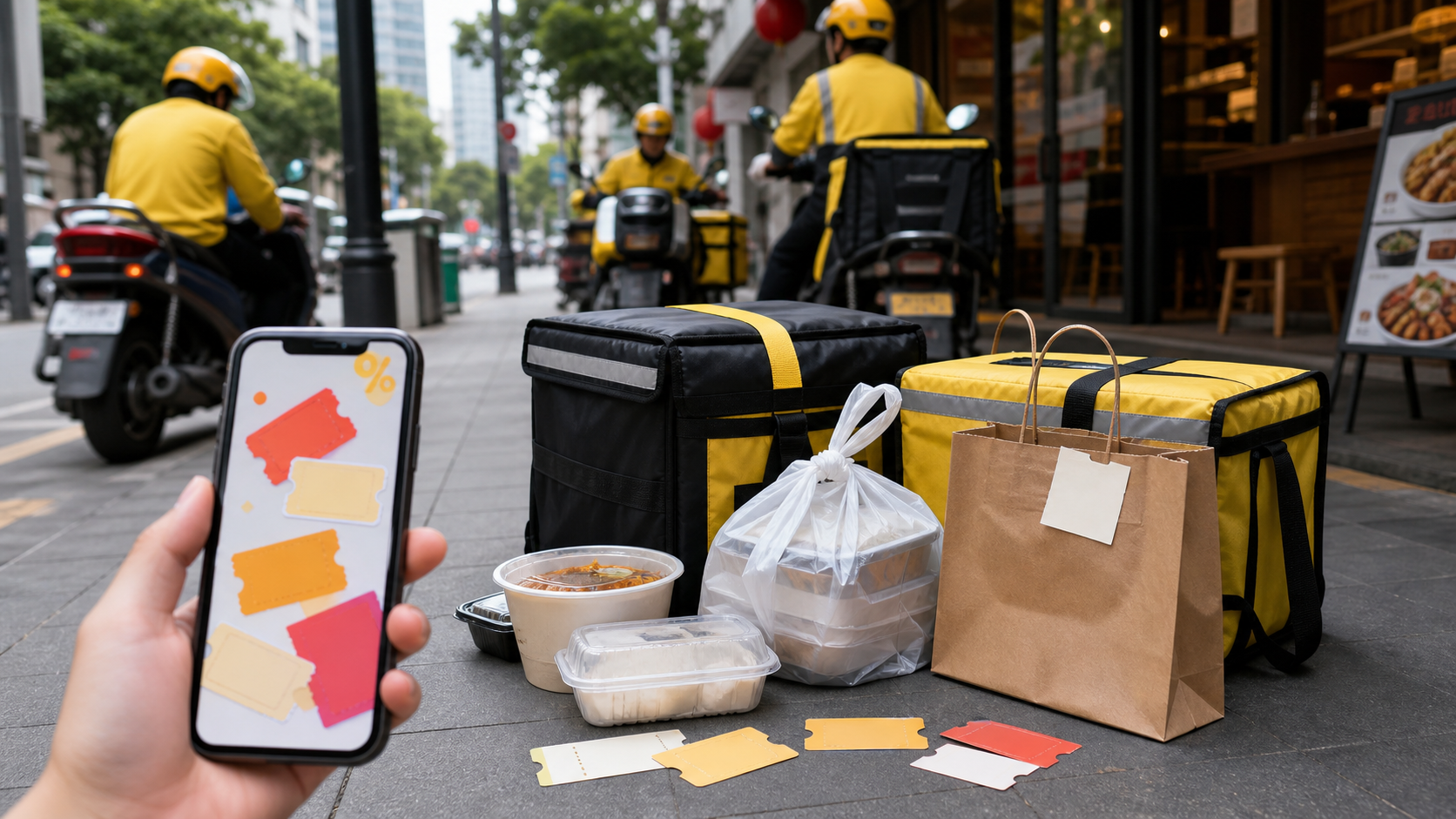
For more than a year, ordering lunch in China could feel like a glitch in the system: a latte for one yuan, a bubble tea for the price of the cup it came in, a hot meal delivered to the door for less than the cost of the ingredients. The era of near-free takeout may be drawing to a close.
China's top market regulator on Wednesday released draft rules aimed at curbing the aggressive subsidies that have fueled a costly price war among the country's biggest delivery platforms. The State Administration for Market Regulation said the proposed Ten Rules on Food-Delivery Platform Subsidy Practices are open for public comment through July 17.
The draft bars platforms from using long-term, large-scale subsidies to squeeze out competitors or disrupt market order. It also says platforms may not force merchants to join promotional campaigns or shoulder the cost of discounts, may not use their capital advantage to engage in monopolistic or unfair competition, and may not sell goods below cost. Platforms would be required to disclose subsidy campaigns to the public both before and after they run.
The regulator said the move is an effort to cool what it called involution-style competition – a reference to the Chinese buzzword neijuan, describing a self-defeating race in which players pour in ever more resources for diminishing returns. Heavy subsidies and repeated price-cutting, it said, have hurt merchants, delivery riders and consumers, squeezed the economy and pushed the industry toward irrational competition.
Meituan said it firmly supports the rules and would work to put them into practice, adding that long-running, large-scale subsidies had disrupted normal market order and that the industry should shift toward competing on quality and service. JD.com and Alibaba's Taobao Flash have also backed the regulatory efforts.
The rules follow a saga that began in early 2025, when e-commerce giant JD.com pushed into food delivery, challenging a market long dominated by Meituan and Alibaba's Ele.me. The three sides responded with waves of coupons, free-order cards and weekend giveaways. At one point, consumers could find premium crawfish for only a few yuan a serving, while Alibaba's Taobao unit later unveiled a 50-billion-yuan (US$7.4 billion) subsidy plan.
In May 2025, multiple departments summoned JD.com, Meituan and Ele.me over food-delivery competition. In July, the market regulator again summoned major delivery platforms and told them to regulate promotional behavior, compete rationally and build a healthier ecosystem for consumers, merchants, riders and platform companies. In April this year, regulators fined seven platforms a combined 3.597 billion yuan, about US$524 million, over ghost delivery listings and food-safety violations.
China's online food-delivery sector grew 24.5 percent in 2025 to 2.29 trillion yuan, its strongest growth in years, according to a report released in April by the e-commerce research center 100EC. The three platforms together poured roughly 173 billion yuan into subsidies over the year, the report said, helping push average daily orders from about 80 million before the war to 250 million at the peak.
Editor: Wang Xiang
Popular Reads
Shanghai's Position as Global Financial Hub Gets Fresh Stimulus: Lujiazui Forum
Food-Delivery Price War That Served Up One-Yuan Coffee Faces New Curbs in China
Ride-Hailing Driver Permanently Banned After Dozing Off Six Times While Relying on Assisted Driving