Inside the Online Trade in Fake 'Luxury Life' Photos
Scroll through social media and it is easy to be dazzled by snapshots of globe-trotting adventures, snow-capped mountain hikes, luxury cars and candlelit fine dining. But behind some of these seemingly authentic "live photos" lies a thriving online business selling ready-made lifestyles for just a few yuan, according to China Central Television.
On several e-commerce platforms, vendors offer so-called live photo packs priced between 1 yuan (14 US cents) and 8 yuan. Product descriptions say the images can be used for social media posts or to help launch new accounts. Delivered via cloud storage links, the packages often contain thousands of photos covering domestic and overseas travel, gourmet dining, shopping scenes and sports such as golf and skiing.
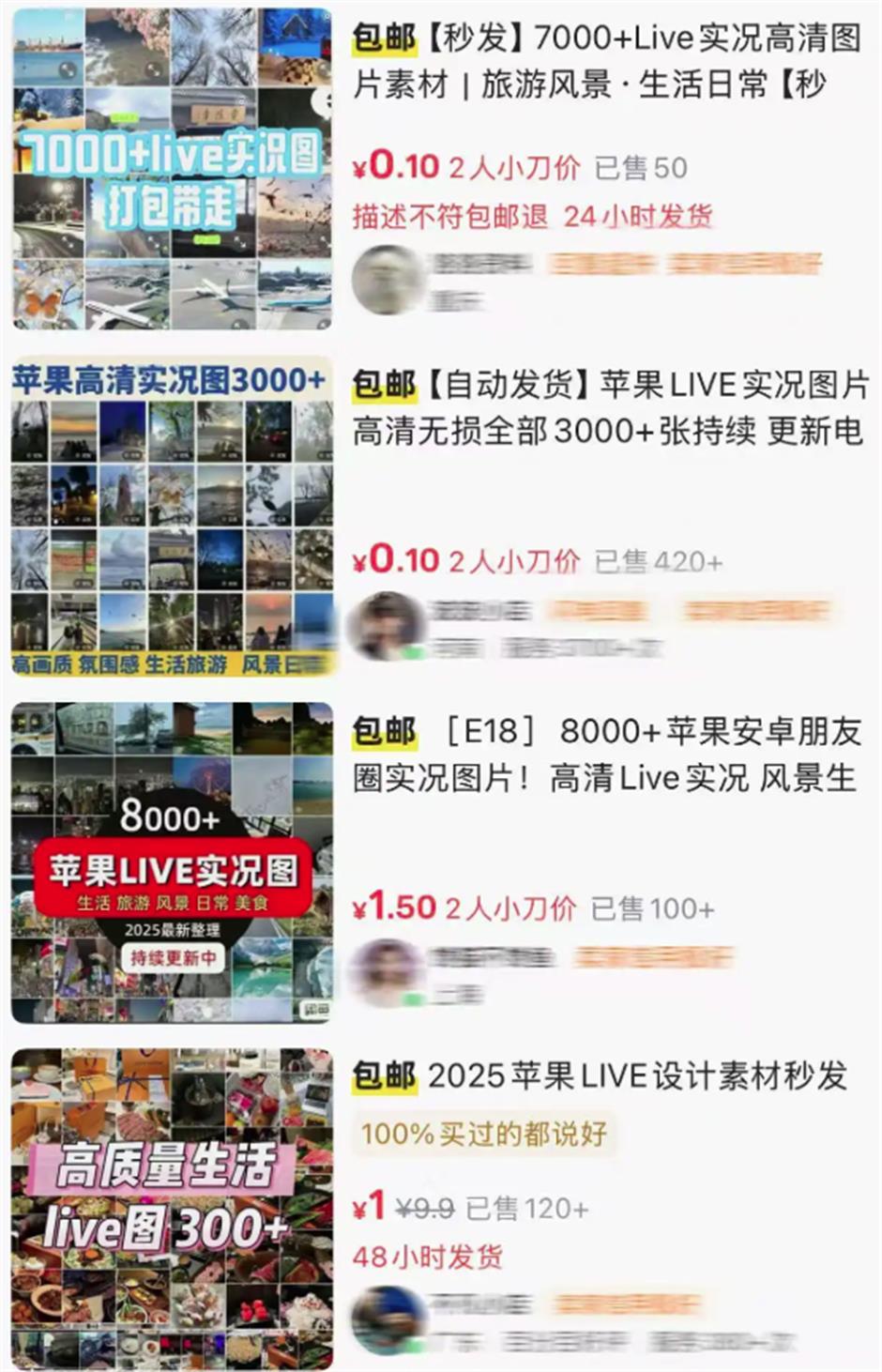
Some consumers have questioned where the images originate. One buyer said they purchased travel photos to make up for bad weather during a trip, only to later discover visible watermarks from the original creator on the images.
A CCTV reporter used reverse image search tools on several purchased photos and found identical images circulating on social media platforms, making it difficult to determine whether the sellers were the original creators or had authorization to distribute them.
Beyond low-cost image bundles, some vendors offer higher-end "profile customization" services, combining staged travel and business photos to craft the image of a wealthy individual for dating or commercial networking purposes.
One high-volume seller promoted a 3,999-yuan package that includes two days of group photo shoots featuring surfing, yacht outings, helicopter rides, sports cars, horseback riding, underwater restaurants and luxury pool settings, with six to eight participants per group. The vendor said guidance would also be provided on how to post the photos strategically on social media and insisted the service is legal and risk-free.
However, legal experts disagree. Liu Junhai, a professor at the Law School of Renmin University of China, told CCTV that if a provider knowingly assists clients in using staged images of wealth to mislead others, such conduct may amount to malicious intent or gross negligence. If a third party suffers financial losses as a result, businesses involved in planning or facilitating the deception could be held liable.
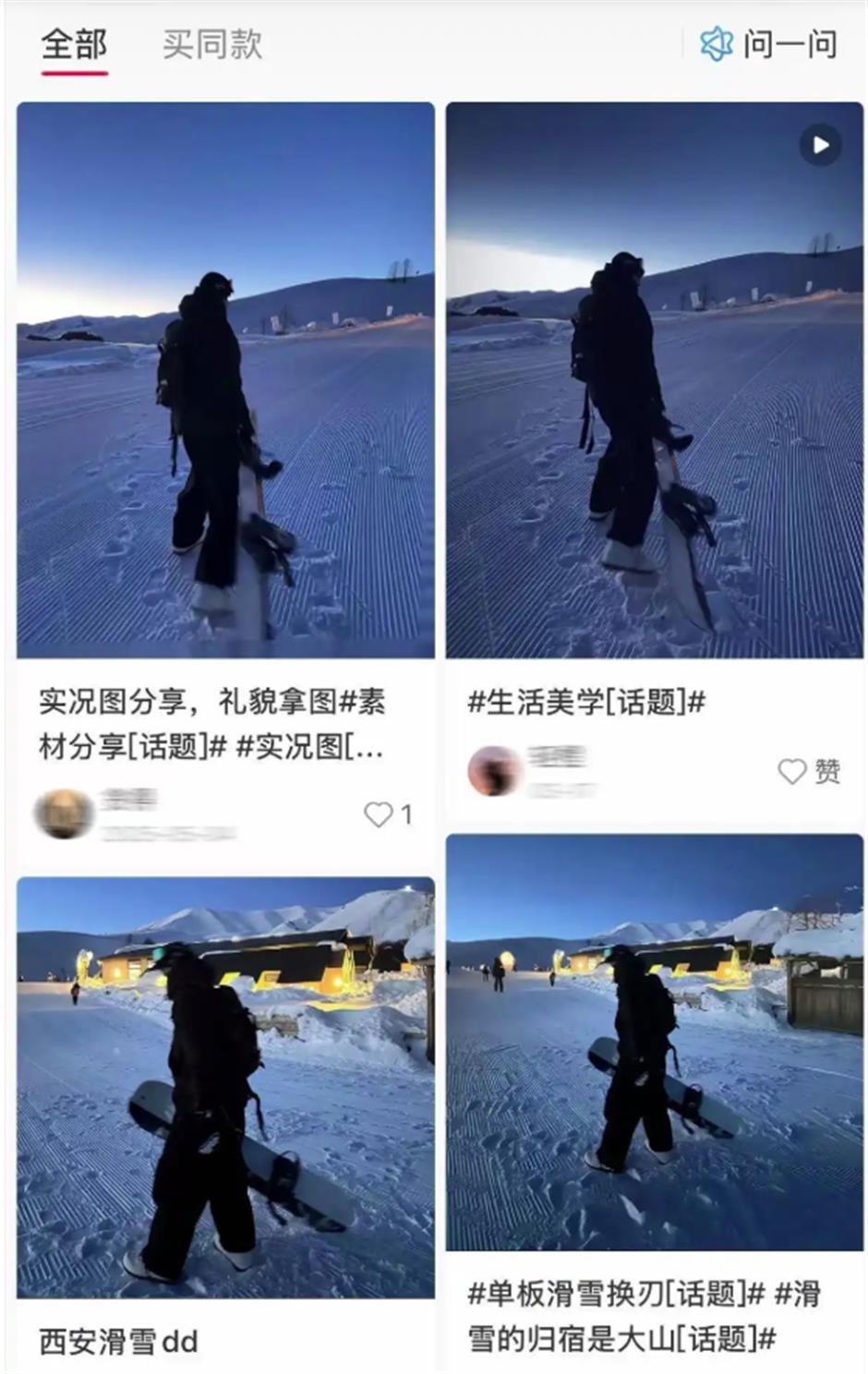
Yue Shenshan, deputy director of Beijing Yue Cheng Law Firm, told CCTV that reselling others' photos could infringe multiple legal rights. If images contain identifiable individuals, unauthorized commercial use may violate portrait rights under China's Civil Code. Distributing copyrighted photos online without permission may also constitute copyright infringement. If the content involves private information, sellers could additionally face claims of privacy violations.
Editor: Wang Qingchu
In Case You Missed It...

 Apr 15, 2026