Jensen Huang Quits Nvidia Days After Admitting Affair in Letter to Staff
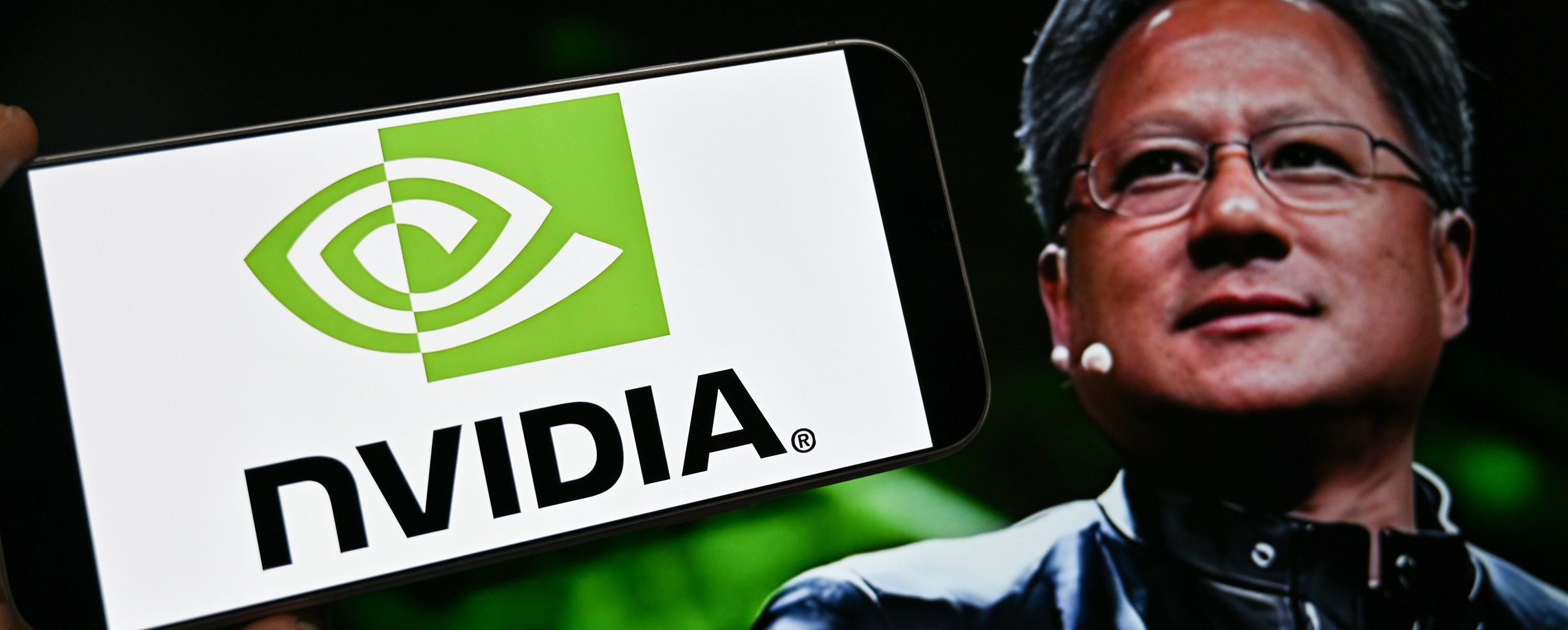
Nvidia said on Thursday that co-founder Jensen Huang has resigned as the company's president, chief executive and a member of its board, with the departure taking effect immediately, according to a statement from the Santa Clara, California-based chipmaker.
The board appointed Colette Kress, Nvidia's executive vice president and chief financial officer since 2013, as interim chief executive. She will keep the finance post until a permanent successor is named, and the board said it would consider both internal and external candidates. It also named Harvey C. Jones, a longtime technology executive who previously served as chief executive and executive chairman of Synopsys, as the first chairman in the company's history.
"NVIDIA's strength has always come from its people, and together with our leadership team, I am committed to building on the extraordinary foundation Jensen created over the last 33 years," Kress said in the statement. The company said it would still report its third-quarter fiscal 2027 results on Tuesday, November 17, as planned.
Huang's exit follows a letter he sent to staff on November 8, in which he wrote, "I was unfaithful to my wife. My actions hurt her and our children. There is no excuse for what I did," and said he would take full responsibility and accept criticism, according to the text posted on Nvidia's newsroom. On November 10, the board's independent directors said they had retained Joon H. Kim, a former acting US attorney for the Southern District of New York, and his firm, Wachtell, Lipton, Rosen & Katz, to conduct an independent investigation, a step also reported by Jiemian News.
The New York Times reported on Wednesday that Huang had also had an extramarital relationship with an Nvidia executive who reported to him, citing five people who had worked at the company.
Nvidia shares tumbled as much as 14.3 percent to US$148.80 shortly after trading opened in New York on Thursday, their lowest level in more than a year. The stock had already fallen more than 9.5 percent over the two sessions through Tuesday, wiping out more than US$420 billion in market value.
Editor: Wang Xiang
In Case You Missed It...
 Nov 9, 2026