US expat finds value and vibes in Shanghai homecoming
For Wu Zeli, a Chinese-American living in California's Bay Area, the 10-plus hour flight to Shanghai wasn't just a journey home for the Chinese New Year — it was a strategic supply run.
Landing at Pudong International Airport with her husband and three-year-old son, Wu arrived with three large suitcases and one carry-on, knowing full well they would be bursting at the seams on the return trip. Despite being in the late stages of her second pregnancy, she wasted no time. Her first stop wasn't a hotel to sleep off jet lag, but the bustling streets of Nanjing Road.
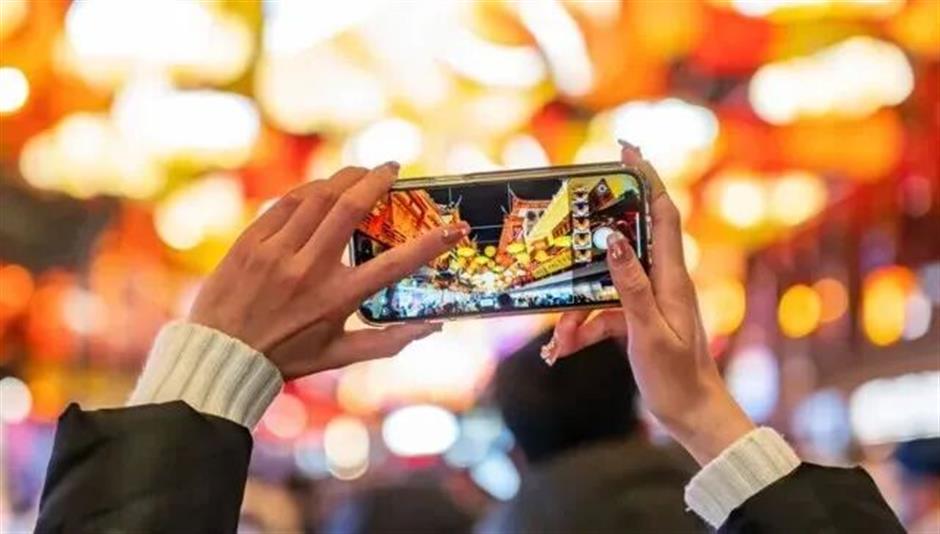
"I wanted my son to see what a truly lively Spring Festival looks like," Wu said. "And I wanted to see how Shanghai has changed."
The 'Reverse' Shopping Spree
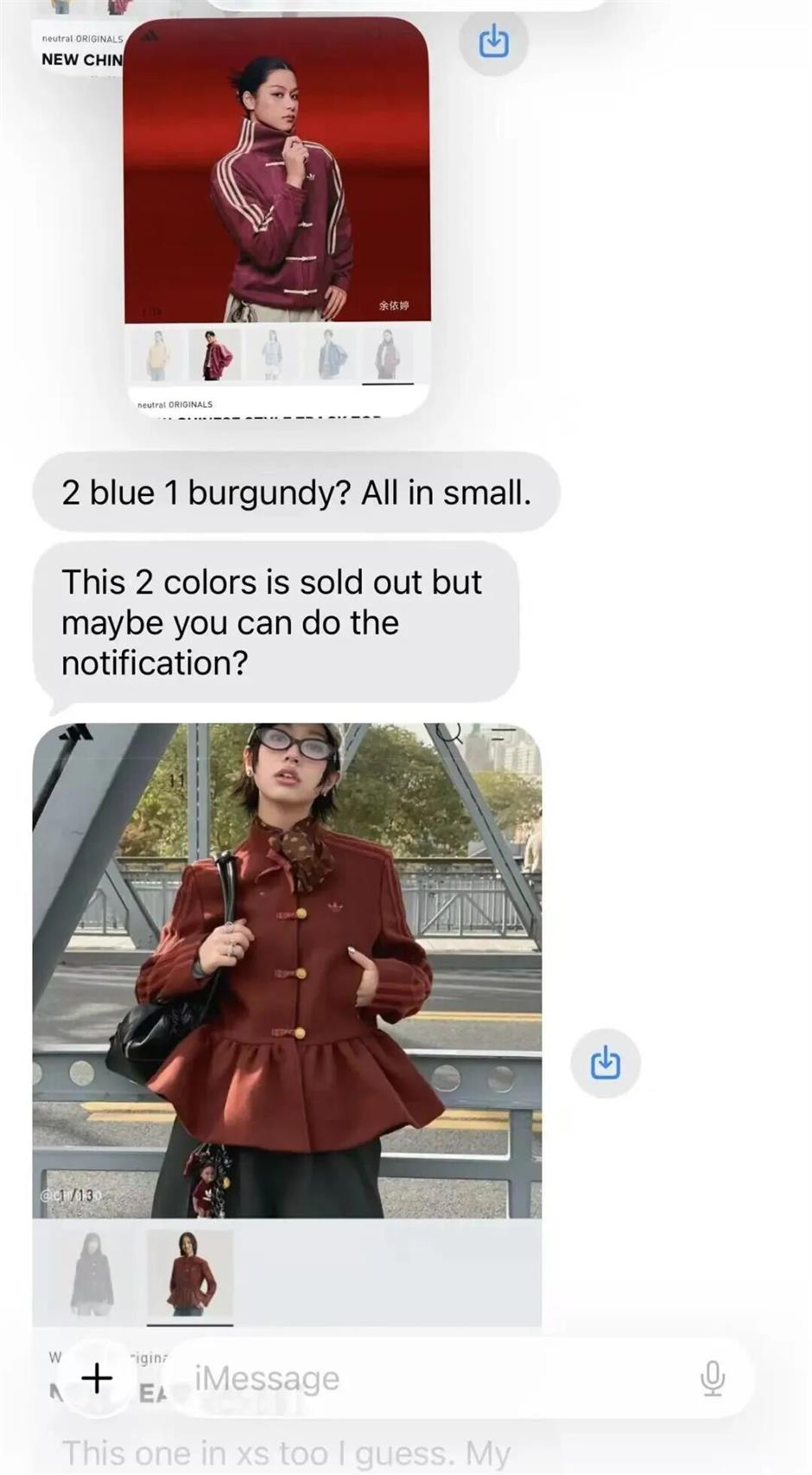
Wu's shopping list was already long before she boarded the plane. Her American colleagues had specifically requested Adidas jackets from the "Clover New Chinese Style" collection—items that have gained a cult following overseas but are hard to find.

"They cost about US$160 each, which isn't cheap, but my colleagues were adamant," Wu said. "They just really wanted that specific Chinese element."
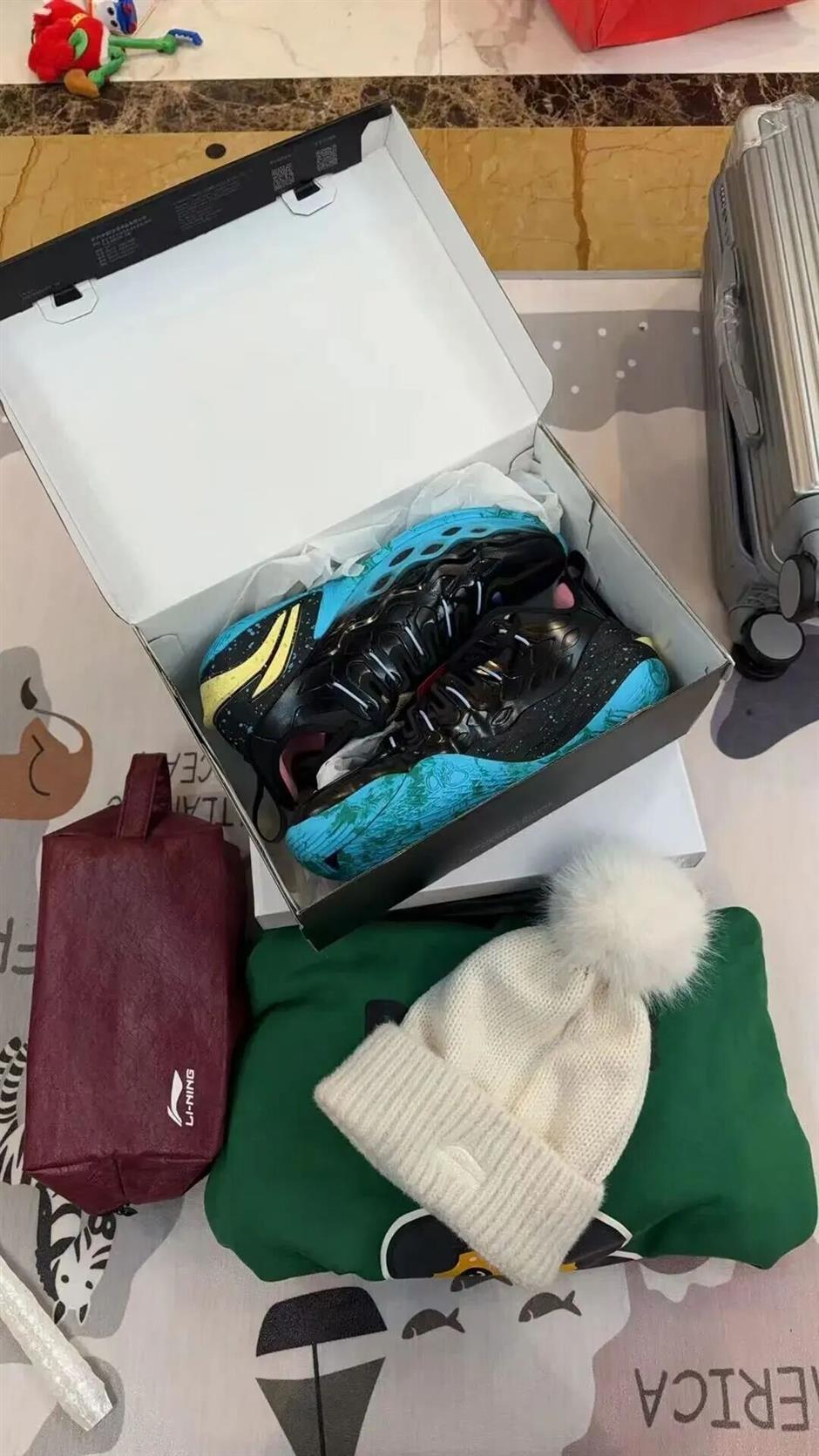
The demand for Chinese aesthetics and brands is growing in her circle. Wu and her husband picked up shoes and hats from Li-Ning, noting that the brand is increasingly paired with streetwear in the US. For their children, they stocked up on Balabala, a domestic brand praised for its quality and bright designs, while older relatives preferred the high-end baby brand YeeHoO.
"A trip back always fills the kid's wardrobe," she laughed.
Service was another highlight. Wu recounted helping her brother buy glasses at Mujosh, a Chinese eyewear brand. Unlike the self-service style common in the US, the staff meticulously adjusted frames and analyzed face shapes. Her brother bought three pairs on the spot.
Value for Money
Beyond the products, Wu found relief in Shanghai's consumption environment. The contrast with the US, currently grappling with inflation and "tipping fatigue," was stark.
"In the US, you're constantly calculating tips—15, 18, 20 percent are the defaults," she explained. "Even for average service, there's pressure to pay. Here, good service is standard."
She noted that a decent meal for two in the Bay Area now costs upwards of US$50 per person, whereas Shanghai's prices have remained relatively stable for her. "Spending US dollars here feels really good," she summarized.

Safety and 'Fireworks'
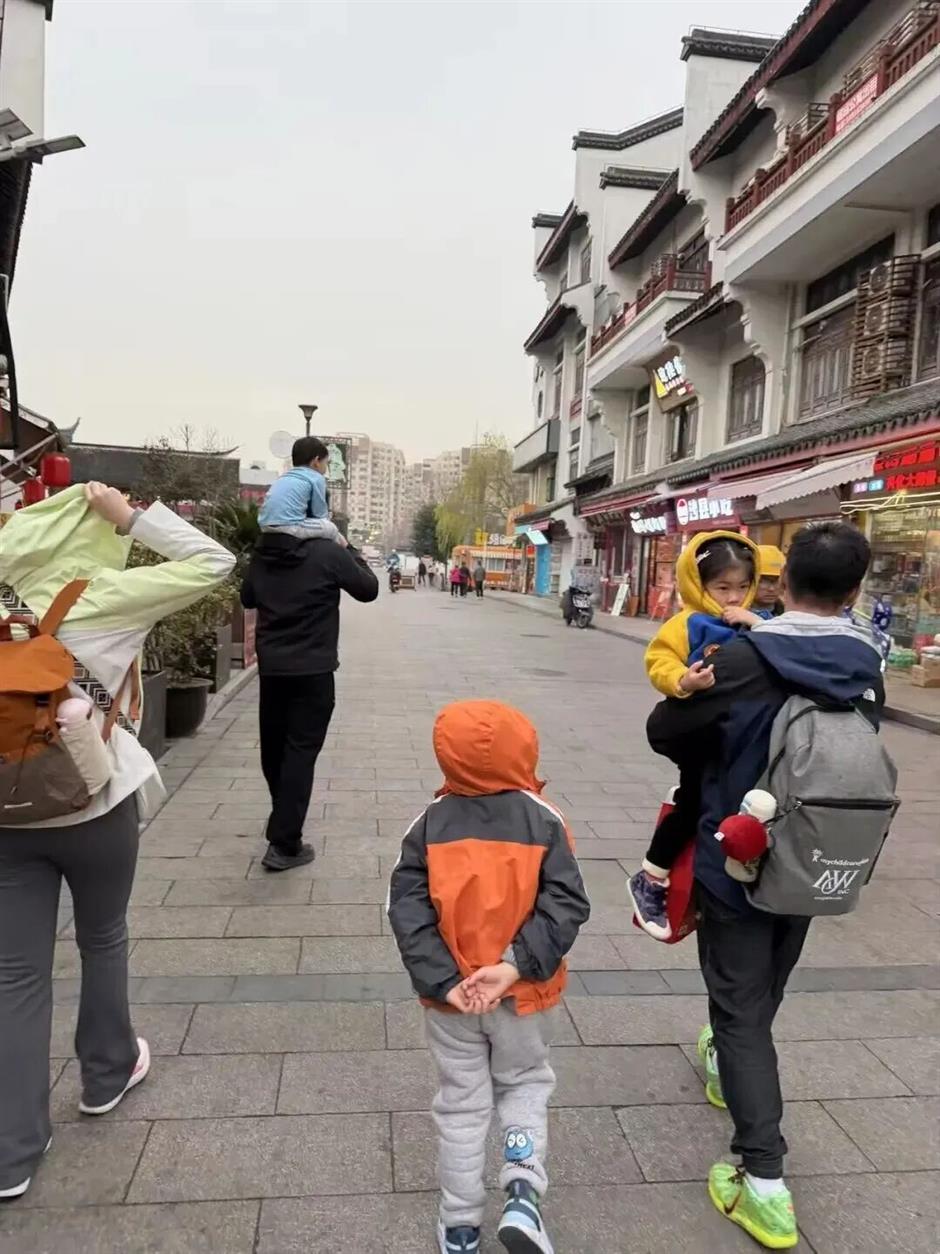
Wu also ventured to Qibao Ancient Town, seeking the *yanhuoqi*—the smoke and fire of daily life—that malls can't replicate. She bought a 30-yuan sugar painting for her son, not for the taste, but to share a childhood memory.
Walking through the crowded streets, Wu felt a sense of security she often lacks abroad. "In the US, I'm always checking exits and sitting near walls because of news about gun violence," she admitted. "Back here, I actually want to squeeze into the crowds. I missed this kind of public liveliness."
Tech and Tradition
The family's luggage will also likely include the latest Chinese tech. Wu is eyeing the new DJI Pocket 4, noting the price advantage and tax refunds available domestically. On a previous trip, they filled half a suitcase with Xiaomi smart home devices, praising their ecosystem integration over pricier American alternatives.
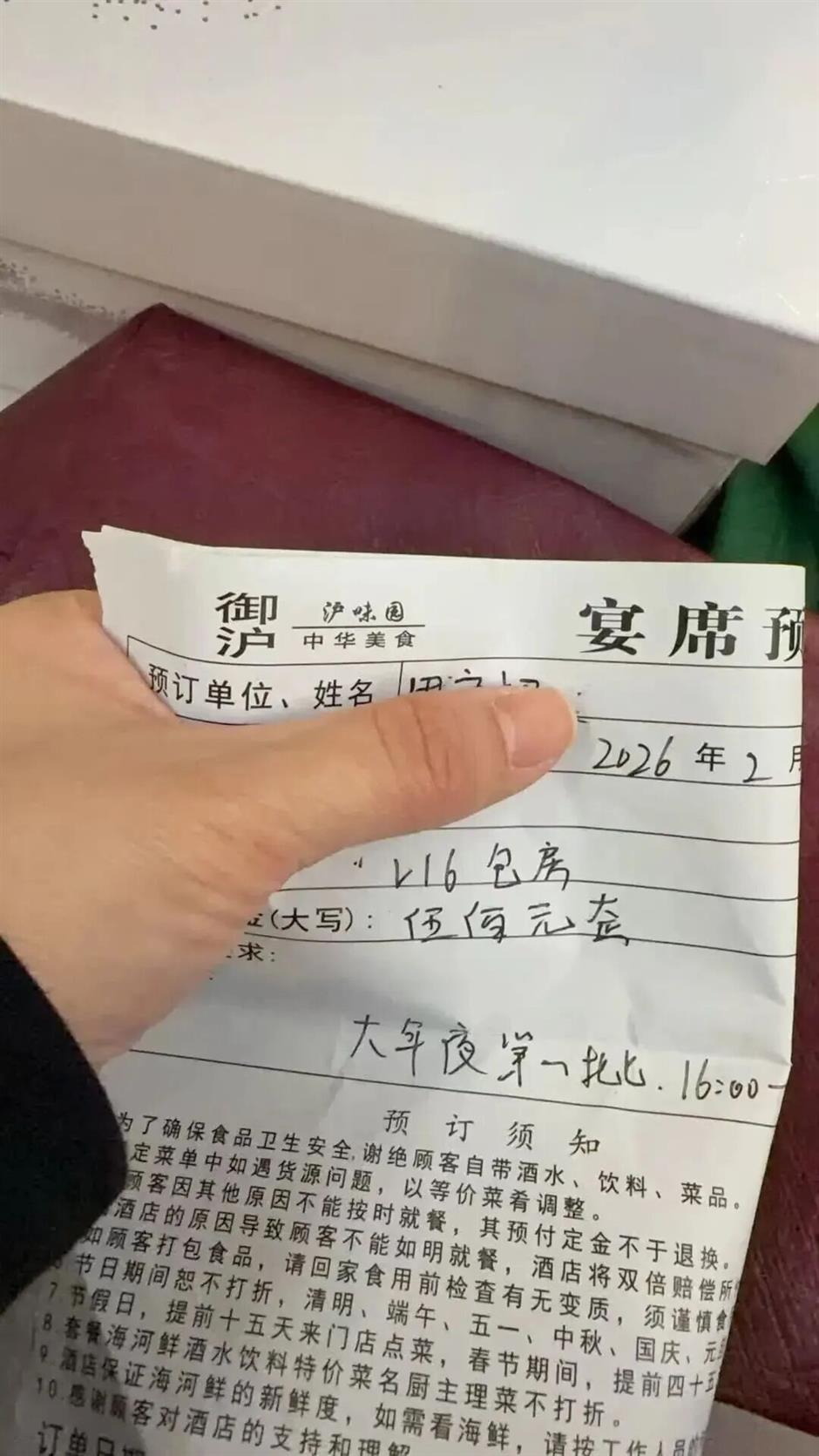
As the Chinese New Year approaches, Wu's Shanghai home is ready, complete with an automatic mahjong table they previously shipped from China to the US — a testament to their desire to keep the festive spirit alive across the Pacific.
"This trip isn't just visiting relatives; it's a recharge," Wu said. "We're taking back the goods, the flavors, and the excitement we can't find anywhere else."
In Case You Missed It...
 Apr 3, 2026

![[Current Trends] What the New York Times Sees in Shanghai – and What It Doesn't](https://obj.shine.cn/files/2026/04/01/a96bd403-c80c-481b-9a39-d9a049b45404_0.jpg)