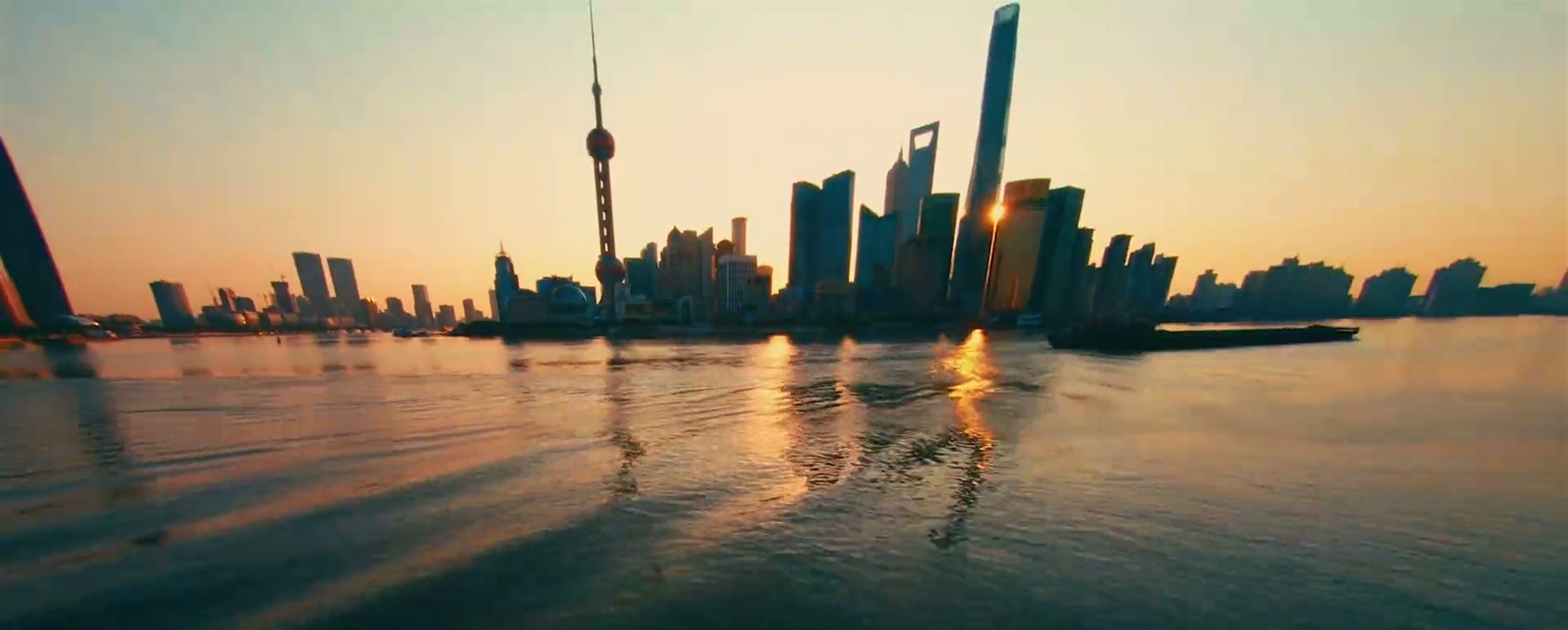
Dark-sky proposal calls for reduced light pollution
To make our planet more habitable, we shall learn to light up the night sky again with stars.
Many scientists agree that light pollution — caused by inappropriate use of artificial light — has not only deprived many human beings of the benefit of seeing the wonders of the universe at night, but also led to climate change and extinction of some species.
According to the US-headquartered International Dark-Sky Association, light pollution is increasing worldwide at twice the rate of global population growth.
Eight out of 10 people live under a light-polluted night sky, and at least US$3 billion is wasted on outdoor lighting each year in the US, and virtually every species studied has been harmed by light pollution.
But there are simple solutions, because light pollution can be reversed. What humans need to do most is to take action now to turn off unnecessary lights at night. To this end, the China Biodiversity Conservation and Green Development Foundation has recently proposed to the International Union for Conservation of Nature to set up an international day for night-sky protection.
“A starry night is human beings’ precious heritage,” said the foundation in an article posted over the weekend. “A beautiful China needs a beautiful starry night.”
We are part of the nature, but as a result of artificial light, many of us are living in such an unnatural way that it contributes to increasing cases of obesity, sleep disorder and diabetes, to name but a few.
The latest proposal from the Chinese foundation testifies to humans’ relentless effort to protect nature as it is.
In Case You Missed It...

 Sep 29, 2026