'Swords into Plowshares:' A 10th-Century Lesson in Unity and Peace
This past winter break, as a rare, faint sun filtered through the windows of my Shanghai home, I found myself immersed in the turbulent currents of the 10th century.
I was binge-watching "Taiping Nian" (literally "The Era of Peace," with the official English title "Swords into Plowshares"), a historical TV drama that depicts the turbulent fall of the Five Dynasties and Ten Kingdoms (AD 907-979) – a period of Chinese history marked by fractured loyalties and unyielding conflict.
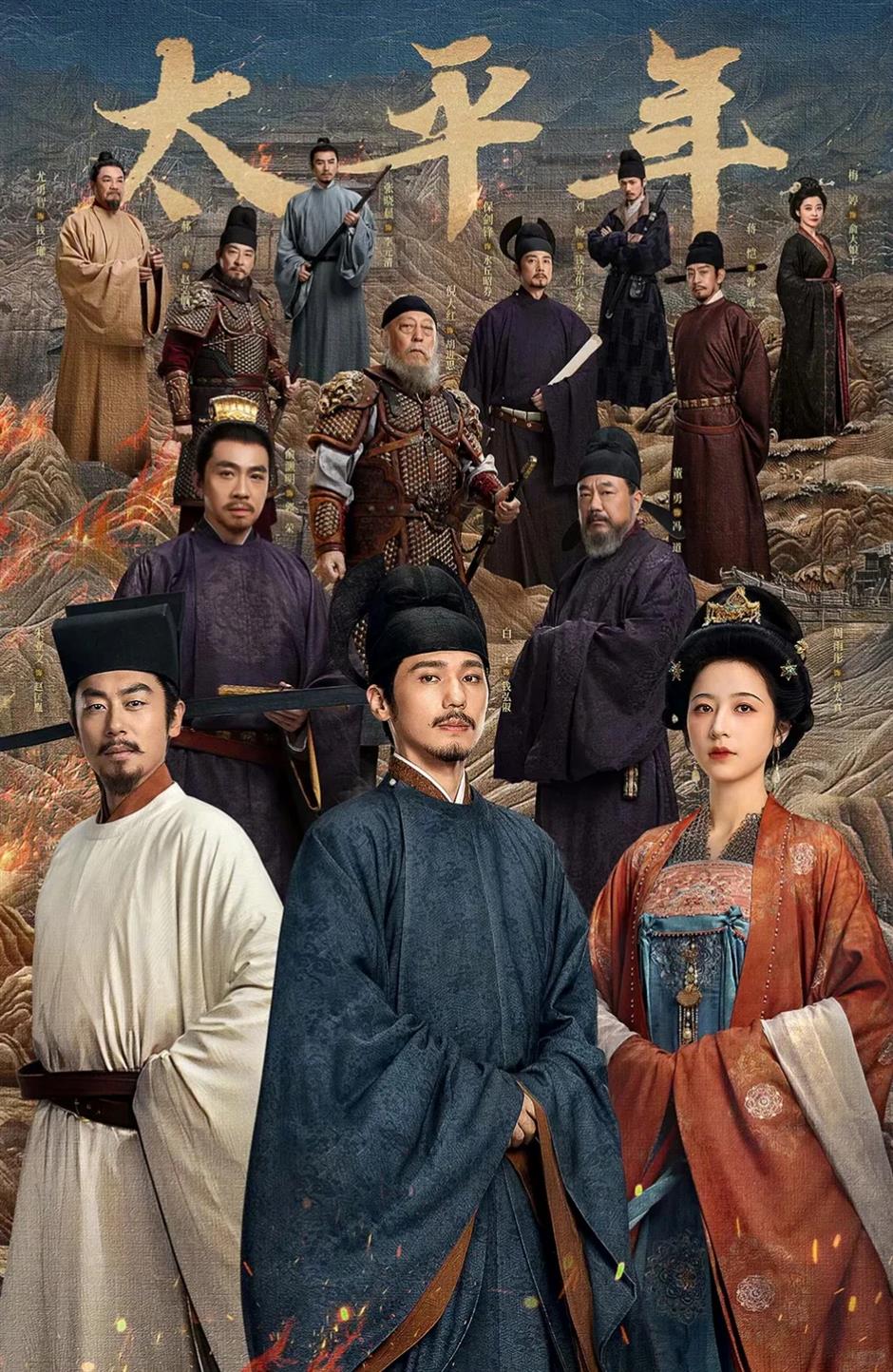
By the time I reached the final episodes – where King Qian Chu of the Wuyue Kingdom voluntarily surrendered his realm to the rising Song Dynasty (960-1279) to spare his people from further bloodshed – I was utterly overcome.
My tea grew cold as I sat surrounded by a mountain of crumpled tissues. My wife, sensing my distress, asked what had moved me so deeply. Holding her hand, I struggled to find the words. It wasn't just the onscreen tragedy; it was the recognition of a centuries-old ache.
As a Taiwan professor of English living in Shanghai, married to a Chinese mainlander, I found the drama's English title – "Swords into Plowshares" – not merely a biblical allusion, but a visceral mandate for our modern era.
For 70 years in the 10th century, China was a patchwork of warring states, where regimes shifted as swiftly as the turning of a lantern. The common folk bore the brunt, their lives sacrificed in the pursuit of ephemeral power.
The show's climax hinges on a profound realization by the Qian kings: That true "great wisdom" (dazhi) lies not in defending a border, but in preserving a people. By "submitting the land" (natu) to the Song, they chose a unified peace over a futile war of sovereignty.
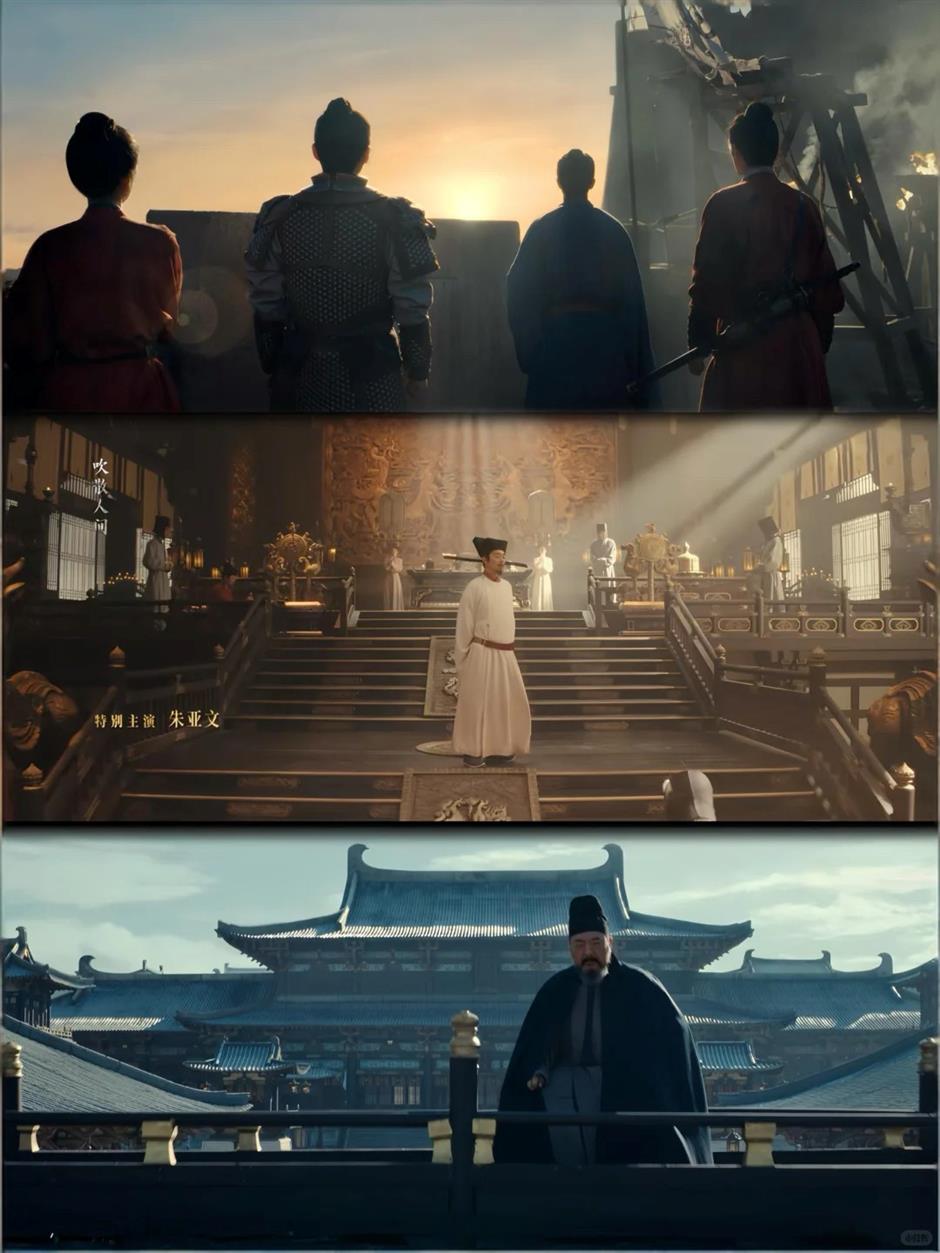
"To begin in chaos and end in peace – this is the greatest fortune of our generation," a character remarks. That line pierced me. For those of us living in the shadow of a different historical fracture – the 110-mile-wide (177.03 kilometers) Taiwan Strait – the longing for a taiping nian is far from academic. It is the core of our identity.
I spent most of my life in Taiwan, raised on traditional characters and Chinese literature, always aware that my roots lay across the water in Fujian Province. As a child, the Strait felt like an unbridgeable chasm. As an adult, I realized the water is actually quite narrow – narrow enough that a single call from one shore can be heard on the other.
As a "Shanghai son-in-law," I joined the faculty at Sanda University in Shanghai in 2021. My life is now a microcosm of cross-Strait integration. In my classroom, I see the "swords" of political rhetoric forged into the "plowshares" of academic inquiry and personal friendship.
When I watch the characters in the TV drama perish without ever witnessing the peace they fought for, I am reminded that our current stability was paid for with the blood of ancestors who never lived to see it. We are the beneficiaries of their unfulfilled dreams.
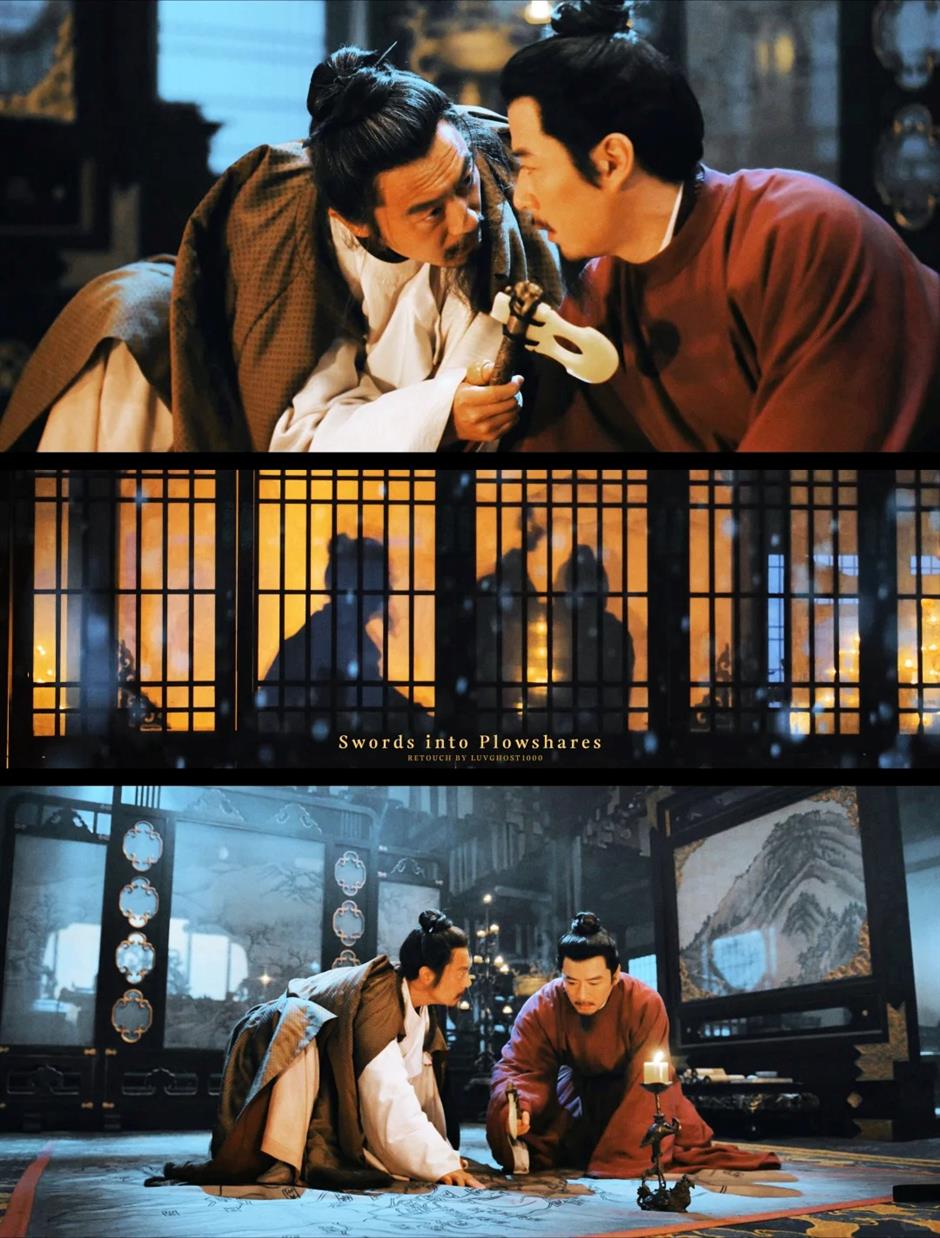
The decision of the Wuyue King was not an act of cowardice, but one of great wisdom. He recognized the "Mandate of Heaven" – which, in modern terms, is the unstoppable momentum of history and the collective will of the people. He understood that a family's desire to live without fear outweighed the pride of a local throne.
Today, the situation across the Strait remains a lingering ache of a bygone era. Yet, my own family – my Taiwan relatives and my Shanghai-born wife – proves that "integration" is not a political slogan; it is a lived reality. We yearn for a future where no family is subjected to the pain of separation by a "narrow strip of water."
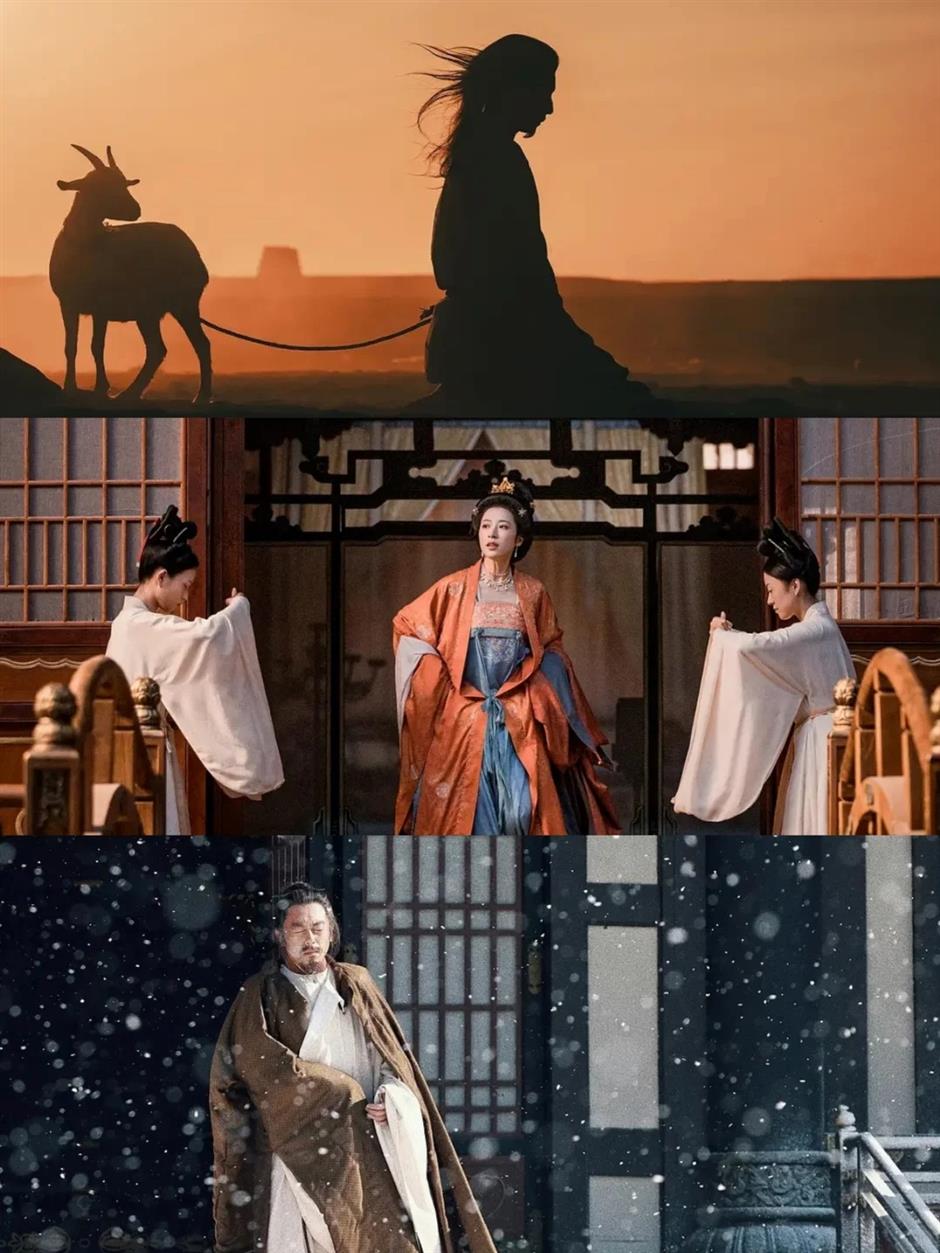
History has shown, time and again, that those who move against the current of the times are eventually swept away. The people of both sides share the same blood, the same culture and an inextricable economic bond. To resist the tide of peaceful development is to betray the very "Era of Peace" we all claim to pursue.
The series suggests that certain choices remain "the spiritual anchor of the Chinese people even a thousand years later." We still remember King Qian's choice because it represents our eternal yearning for reunion.
As an educator, I see my role as an extension of this mission. Every time I bridge a misunderstanding between a Taiwan student and a mainland peer, we are carrying forward the work of turning swords into plowshares.
We were born into a legacy of division, yet we are granted the extraordinary opportunity to witness a return to wholeness. If we can approach our shared future with the same heart as those a millennium ago, we will be able to say with pride: We knew separation, but we chose peace.
(The author is dean of the School of Foreign Languages at Sanda University in Shanghai.)
Editor: Liu Qi
In Case You Missed It...
![[SH Transit] China Eastern Adds Flights On World's Longest Air Route](https://obj.shine.cn/files/2026/08/28/abe0727c-b1f3-4620-88b1-a74bdbb16dbf_0.jpg)
 Aug 28, 2026

![[SH Transit] China Eastern Adds Flights On World's Longest Air Route](https://obj.shine.cn/files/2026/08/28/4a8a5cbe-893f-424c-b58c-aaee72c66015_0.jpg)
![[Weather] Typhoon Saudel Makes Two Landfalls in Zhejiang](https://obj.shine.cn/files/2026/08/28/eff9c2d3-5f3a-4ba1-be2f-d33ee430c832_0.jpg)
![[Weather] Typhoon Saudel to Hit Zhejiang Coast Tomorrow, Shanghai Braces for Night Wind, Rain](https://obj.shine.cn/files/2026/08/27/593f9cf1-3889-425d-bd09-0f5d57e60ac3_0.jpg)