[Hai Streets] Past and Present on China's No. 1 Commercial Street
Editor's Note
Hai Streets is our semi-regular column on Shanghai's great commercial arteries. From Nanjing Rd East's blend of heritage storefronts and pop-culture malls to Huaihai's luxe lanes and Hongqiao's international cultural diversity hubs, we explore how Shanghai's commercial hubs drive billions in sales and shape the city's identity – where commerce, culture, and history collide in neon, nostalgia, and nonstop foot traffic.
Pop Mart has been taking the world by storm – its iconic designer toys have become must-haves among Gen-Z consumers around the world. In Shanghai, the Pop Mart flagship store on Nanjing Road E. is a magnet for foreign tourists, who queue daily to grab the latest limited-edition releases.
But Pop Mart is just one piece of the puzzle.
On this historic street, known as "China's No. 1 Commercial Street," the neon signs of century-old stores still flicker alongside the glowing LED screens of modern brand flagships.
Here, anime-themed boutiques, street-style toy stores, and cutting-edge digital showrooms coexist with traditional restaurants, calligraphy shops, and Shanghai-style food markets. The result is an urban collage, where nostalgia and futurism are fused into one unforgettable walk.
![[Hai Streets] Past and Present on China's No. 1 Commercial Street](https://obj.shine.cn/files/2025/06/10/18e95386-045a-4796-9a55-cb59bc78df50_0.jpg)
A district of movement and momentum
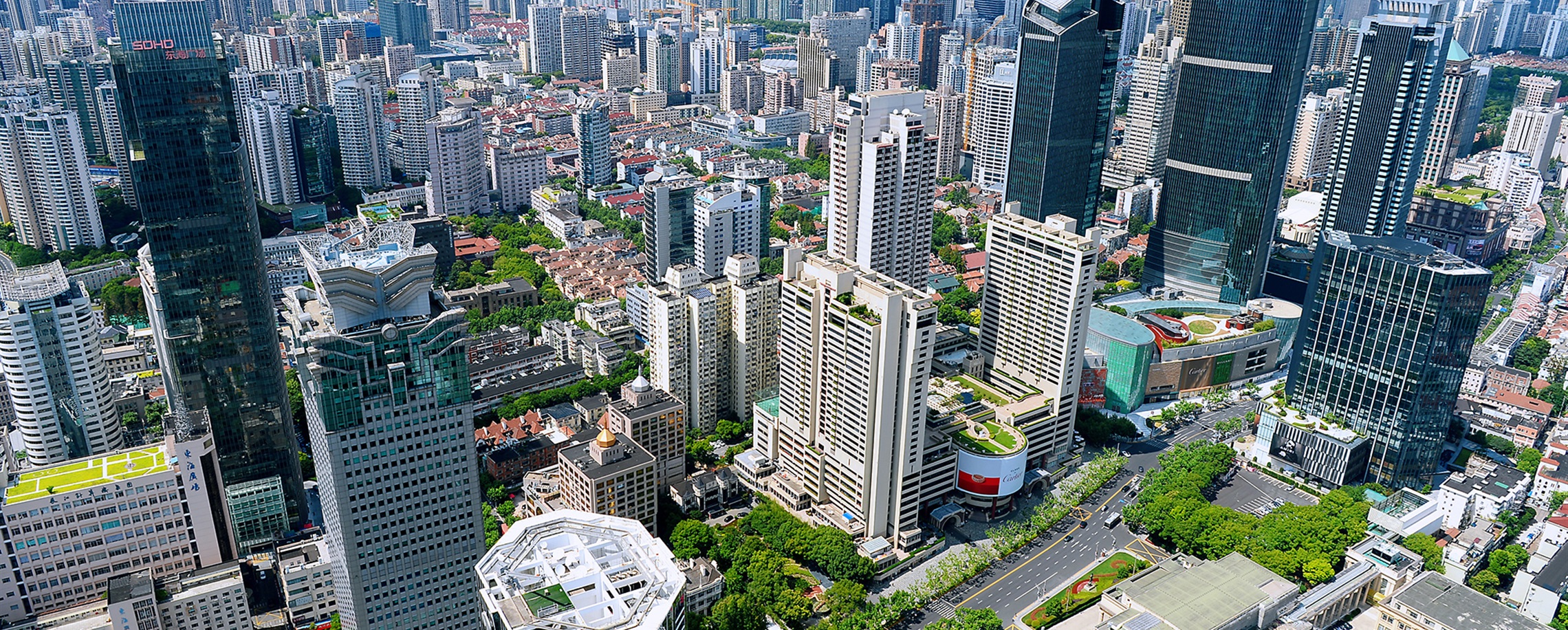
Nanjing Road E. welcomes over 120 million visitors a year, making it one of the busiest commercial corridors in Asia.
During peak seasons, the average daily foot traffic surpasses 550,000 people, with camera shutters clicking 328 times per minute, according to urban soundscape monitoring.
The commercial energy is equally staggering. In 2022, retail sales in the expanded Nanjing Road E. Business District approached 80 billion yuan, with continued double-digit growth expected. It's not just a shopping street – it's a consumption ecosystem powered by tourism, fashion, culture and lifestyle services.
![[Hai Streets] Past and Present on China's No. 1 Commercial Street](https://obj.shine.cn/files/2025/06/08/edeaf9d8-8b80-46b8-a5c7-5ec95a4acf56_0.jpg)
From a horse trail to a commercial powerhouse
Long before it became a hotspot for designer toys and global fashion brands, Nanjing Road E. already stood as a symbol of Shanghai's transformation.
Established in 1851, it began humbly as "Garden Lane," a path linking the waterfront Bund to a racecourse near what is now People's Square. As Shanghai opened its port to foreign trade, this modest road quickly evolved into the city's commercial spine – and, eventually, into China's No. 1 Commercial Street.
![[Hai Streets] Past and Present on China's No. 1 Commercial Street](https://obj.shine.cn/files/2025/06/09/c2cd8706-bbc5-4a30-ac65-14966870bbc7_0.jpeg)
By the late 19th century, the street had acquired a distinctly international character. British businessman Silas Hardoon played a major role in developing the area, investing in infrastructure and leasing plots to both Chinese and foreign entrepreneurs. His efforts laid the groundwork for what became China's first modern department store district, giving rise to a retail revolution that shaped the urban consumer culture of modern Shanghai.
During the 1920s and 1930s, Nanjing Road E. flourished as the epicenter of commerce in East Asia. It became home to the famous "Four Great Companies" of Chinese retail – Wing On Department Store, Sun Sun Department Store, Dah Sun Department Store and Sincere Department Store.
These stores introduced Shanghai residents to innovations that included escalators, elevator attendants, window displays, and the novel idea that shopping could be a leisure activity. The blend of Western architectural styles and Eastern commercial practices gave the street an elegant, cosmopolitan charm.
![[Hai Streets] Past and Present on China's No. 1 Commercial Street](https://obj.shine.cn/files/2025/06/09/675636cf-860e-4f7c-907a-98b0a10c2c38_0.jpg)
![[Hai Streets] Past and Present on China's No. 1 Commercial Street](https://obj.shine.cn/files/2025/06/09/88f6adf2-79f7-4d23-b1f0-e7998921913c_0.jpg)
![[Hai Streets] Past and Present on China's No. 1 Commercial Street](https://obj.shine.cn/files/2025/06/09/042c5f8a-a4c4-4784-85f0-f044fedb3edd_0.jpg)
Today, walking along Nanjing Road E. is like exploring an open-air museum of architecture. The Bank of Communications Building exemplifies the bold Art Deco style of the 1930s, with its strong vertical lines and geometric detailing.
The former Hardoon Building, now home to Huawei's global flagship store, reflects international-style modernism with rounded corners and minimalist surfaces.
Nearby, a preserved row of early 20th-century structures still showcases Queen Anne revival features – red brick facades, Baroque gables, and Ionic columns – offering a rare glimpse into the elegance of Shanghai's historical mixed-use architecture.
![[Hai Streets] Past and Present on China's No. 1 Commercial Street](https://obj.shine.cn/files/2025/06/09/9ba0e6f6-08a8-449f-86a5-40be17edf748_0.jpg)
![[Hai Streets] Past and Present on China's No. 1 Commercial Street](https://obj.shine.cn/files/2025/06/09/077e84bd-e268-4422-bc0a-0be51574e6ed_0.jpg)
Even the street's lighting holds symbolic meaning. In 1882, the very first electric streetlamp in Shanghai was installed here, quietly marking the city's entrance into the modern age. This small but historic act cemented Nanjing Road's role as a testing ground for innovation and progress.
The street has also served as a stage for history beyond commerce. During the turmoil of the 1930s and 1940s, as war swept through China, many educational institutions were forced to relocate. The iconic Continental Emporium – now Mosaic Shanghai – temporarily transformed into a sanctuary for schools such as St John's University and Furen College, becoming "a mall of classrooms" and a rare cultural refuge during wartime.
![[Hai Streets] Past and Present on China's No. 1 Commercial Street](https://obj.shine.cn/files/2025/06/09/bb9bbfcd-bf85-4167-9bdb-73c19d7cc223_0.jpg)
![[Hai Streets] Past and Present on China's No. 1 Commercial Street](https://obj.shine.cn/files/2025/06/09/03f8981c-6751-4be1-a9fe-da8465afbcfd_0.jpg?x-image-process=style/style-watermark)
After the founding of the People's Republic of China in 1949, the street evolved yet again. By 1956, over 600 businesses were officially registered on Nanjing Road and, remarkably, 36 of them still operate at their original addresses. These include long-established names like Lao Feng Xiang, makers of handcrafted silver and gold jewelry since 1848; Zhang Xiao Quan, master artisans in blades since 1628; and Tai Kang Food Store, famous for its classic Shanghainese pickled vegetables and snacks. These brands are living testament to the city's enduring blend of craft, memory, and innovation.
Nanjing Road E. has managed to honor its past while embracing the future. It's a street where electric streetlamps and LED panels, golden phoenix hairpins and 3D-printed keychains, and pianists playing old Shanghai jazz next to anime cosplayers all coexist. It's this unique layering of time, space, and culture that gives the district its timeless magic.
![[Hai Streets] Past and Present on China's No. 1 Commercial Street](https://obj.shine.cn/files/2025/06/09/0efd700a-8b1d-4105-95f2-3a0a4b837844_0.jpg)
The expanding borders of a historic street
Yet the biggest change came in recent years.
What was once confined to the main thoroughfare has now expanded. During the Double Five Shopping Festival this year, Nanjing Road E. was officially listed among Shanghai's Nine Major Business Zones. Its boundaries now stretch into a network of charming side streets, each offering a unique window into Shanghai's evolving urban culture.
Jiujiang Road is known for its cozy charm, filled with local boutiques, heritage cafés, and artisan shops. It provides a slower, more intimate alternative to the bustling main street, making it a favorite for those seeking a more relaxed, lifestyle-oriented shopping experience.
Jiangxi Road M. stands out for its turn-of-the-century architecture and the presence of cultural institutions nestled within historic buildings. This street feels like a quiet stroll through Shanghai's colonial past, enriched by galleries, studios and old-world façades.
![[Hai Streets] Past and Present on China's No. 1 Commercial Street](https://obj.shine.cn/files/2025/06/09/d16fdf7a-aae0-4f0c-85b6-b73bf7ee5b57_0.jpg)
Fuzhou Road, historically renowned as Shanghai's "book street," continues to host numerous bookstores and stationery shops. It blends intellectual atmosphere with nostalgia, offering visitors a chance to browse literature, calligraphy tools and antique maps – all within steps of the modern commercial core.
Hankou Road and Zhejiang Road are the district's creative pulse. These streets have emerged as hubs for youth fashion, experimental street art, and pop-up markets. They attract trend-conscious locals and tourists alike with their edgy boutiques, mural-covered walls, and ever-changing cultural events.
Together, this urban patchwork expands the identity of Nanjing Road E. beyond a traditional shopping destination. It redefines what it means to shop, stroll, and socialize in the heart of Shanghai, where every side street tells its own story.
![[Hai Streets] Past and Present on China's No. 1 Commercial Street](https://obj.shine.cn/files/2025/06/10/12d1f1da-049d-4f42-a81c-505050491bc6_0.jpg)
A new kind of consumer is emerging
The rise of Pop Mart and other designer toy stores isn't just a fad – it reflects a deeper shift in emotional, symbolic and aesthetic consumption in China. Today's consumers, especially the young, are buying more than products – they're investing in stories, identity and self-expression.
Characters such as Labubu, Chiikawa, Molly and Hello Kitty have become emblems of inner healing, nostalgia and social belonging. The flourishing "cute economy" has transformed Nanjing Road E. into a new kind of soft-power hub – one that attracts Russian vloggers, Korean influencers, and French fashionistas with equal ease.
This cultural momentum is perhaps best embodied by the explosive success of Bailian ZX Creativity Mall. Just two years after opening, it has been nicknamed "Shanghai's Akihabara," becoming the nation's first vertical 2D-themed retail complex and a pilgrimage site for anime, game and cosplay enthusiasts. With over 40 brands – many of them national or global firsts – spanning seven floors of themed zones, the mall recorded over 700 million yuan in sales and more than 15 million visitors in just 18 months.
![[Hai Streets] Past and Present on China's No. 1 Commercial Street](https://obj.shine.cn/files/2025/06/10/33e624fa-f6d9-4285-bab1-98e0fef24802_0.jpg)
But more than a shopping destination, it's a cultural community, curated by a Gen-Z team who are fans as much as they are operators. These consumers seek immersion, connection, and recognition. Whether it's buying guzi (anime merchandise), cosplaying their favorite characters, or attending a themed café, they are participating in a new kind of lifestyle economy – one rooted not in status, but in shared symbols and emotional meaning.
This shift signals not just a transformation in how people consume – but a redefinition of what it means to belong, to feel joy, and to express selfhood in a hyper-modern world.
![[Hai Streets] Past and Present on China's No. 1 Commercial Street](https://obj.shine.cn/files/2025/06/10/00a045be-e97d-4a92-9506-a0fe38b2ca3f_0.jpg)
What foreign visitors can do in this business district
Whether you're a first-time tourist or a returning explorer, this district offers a multifaceted cultural playground. Here's what international visitors can enjoy:
Explore global flagship stores
Nanjing Road E. is where global retail meets local culture. Flagship stores Apple, Huawei, Lego and M&M's blend innovation with immersion – think tech demos, candy labs, and hands-on play zones. The star of the show? Pop Mart, where designer toys meet emotional storytelling, attracting fans from around the world.
These aren't just stores – they're experiences. Visitors browse, interact, and share. Every space feels tailored, not just to sell, but to engage. In this ever-evolving retail landscape, global brands find new meaning through Shanghai's cultural lens, turning shopping into an expressive, playful, and personal journey.
![[Hai Streets] Past and Present on China's No. 1 Commercial Street](https://obj.shine.cn/files/2025/06/10/65e02861-e3a9-4613-86bc-86ef9f61358f_0.jpg)
Discover time-honored Chinese brands
For a taste of authentic Shanghai, explore Nanjing Road E.'s heritage brands. At Lao Feng Xiang, handcrafted silver and gold reflect centuries of artistry. Zhang Xiao Quan's iconic blades combine function and history. Tai Kang Food Store tempts with traditional snacks – plum candies, sesame pastries, and more.
Art lovers shouldn't miss Duoyunxuan, a literati haven for brushes, ink, and paper. What makes these shops special isn't just their legacy, but their willingness to evolve. Many now feature digital displays, AR try-ons, and interactive exhibits that bring old crafts to life.
These brands offer more than products – they offer a connection to time, tradition, and craftsmanship reimagined for the modern world.
![[Hai Streets] Past and Present on China's No. 1 Commercial Street](https://obj.shine.cn/files/2025/06/10/9843b188-afb2-4d4f-abd5-6fcde02da388_0.jpg)
Create your "old Shanghai" moment
Strike a pose at Wangkai Photo Studio, where you can dress in 1930s qipao under vintage lighting. Then sip afternoon tea at the Peace Hotel, where Art Deco charm and live jazz evoke golden-age Shanghai.
Hop on the modern dangdang tram, a nostalgic ride through history and modernity. For performance lovers, the Tianchan Yifu Theater presents classic Chinese opera, while Star Space in the Asia Building offers bold contemporary shows in a heritage setting.
These moments let you feel the soul of the city – not as a tourist, but as a time traveler immersed in the elegance, rhythm and drama of Old Shanghai.
![[Hai Streets] Past and Present on China's No. 1 Commercial Street](https://obj.shine.cn/files/2025/06/10/61885756-580d-4b25-827d-84db40aca236_0.jpg)
![[Hai Streets] Past and Present on China's No. 1 Commercial Street](https://obj.shine.cn/files/2025/06/10/f8720440-6ece-421f-8e35-b95927cdc815_0.jpg)
Wander the hidden streets
Just beyond Nanjing Road's neon glow lies a gentler pace. In quiet alleys and shaded lanes, old villas house cafés, record shops and bookstores that invite unhurried browsing and conversation.
Street performers, artists and jazz musicians animate unexpected corners. As night falls, soft lights and music transform side streets into pockets of charm where anything might happen – a pop-up event, a spontaneous dance, a sketch done on the spot.
It's here that the district reveals its true depth – a place not just to shop, but to pause, wander, and discover stories tucked between the storefronts.
![[Hai Streets] Past and Present on China's No. 1 Commercial Street](https://obj.shine.cn/files/2025/06/10/9255f618-f05c-4ef9-92ae-d5e10b3b9633_0.jpg)
Culture and arts around every corner
Nanjing Road E. borders one of Shanghai's richest cultural zones. Just minutes away, Shanghai Museum dazzles with ancient art, while Shanghai History Museum brings the city's story to life. The Shanghai Urban Planning Exhibition Center offers a peek into the city's future through scale models and digital installations.
At the Shanghai Grand Theater, top-tier productions unfold – from Chinese opera to global musicals.
Together, these landmarks offer a deeper layer of experience, showing that this district isn't just about commerce – it's about connecting with Shanghai's creative heartbeat.
![[Hai Streets] Past and Present on China's No. 1 Commercial Street](https://obj.shine.cn/files/2025/06/10/8bb7a8f4-7682-4da8-b94b-eae4689554a2_0.jpg)
The street that never stops evolving
Nanjing Road E. is not just surviving the times – it's thriving through them. A century ago, it sold silk and biscuits. Today, it sells ideas, icons, and imagination. It welcomes everyone: the child holding her first blind box, the retiree savoring soy sauce duck, the vlogger livestreaming street views for millions abroad.
Here, 160-year-old brands share space with 16-month-old startups. It's where China's retail past meets its consumer future – and where you, whether a shopper or a storyteller, can find your own chapter in the evolving tale of Shanghai.
Editor: Xu Qing
In Case You Missed It...
 Mar 31, 2026