[Decades Club] Kylie Bisman, and the Shanghai Gardening Club
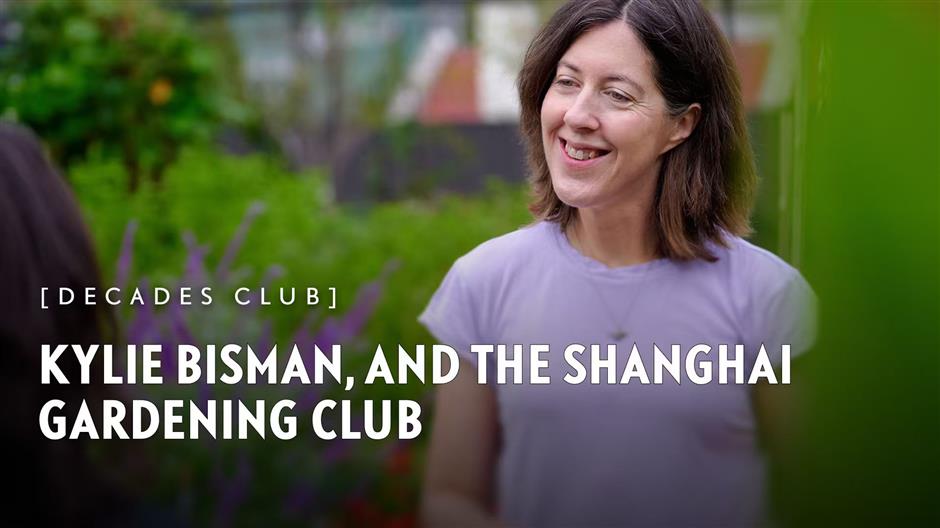
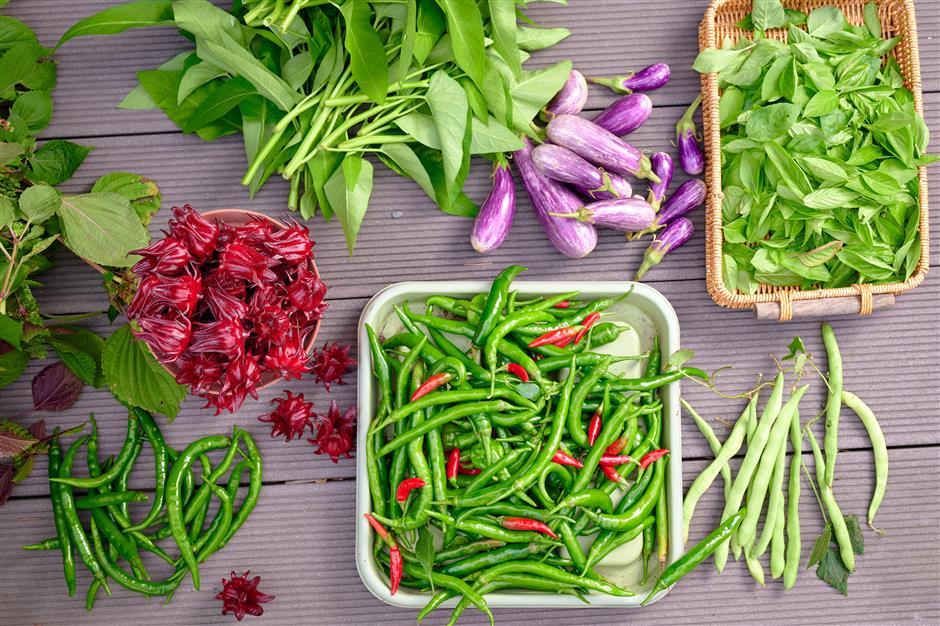
Urban sustainability is often discussed in terms of architecture and technology, but Kylie Bisman – also known as The Shanghai Gardener – proves that the greenest solutions come from the soil. A qualified horticulturist from New Zealand who has called Shanghai home for over two decades, Bisman is the driving force behind one of the city's most celebrated organic community rooftop farms – playfully dubbed Skygarden – situated on the rooftop of Anken Air. Skygarden serves as a community hub where volunteers from all over the world gather to learn about sustainable urban agriculture, compost, and growing food in a dense megacity.
By turning barren rooftop spaces into fully functioning, organic ecosystem hubs, Bisman has redefined what it means to live sustainably in a modern megacity. We sat down with Bisman to chat all things composting, urban farming hurdles, her blueprint for a greener urban future, and, most importantly, about turning Shanghai's concrete jungle green.
CNS: Before we dive into Skyfarm at Anken Air, please introduce yourself.
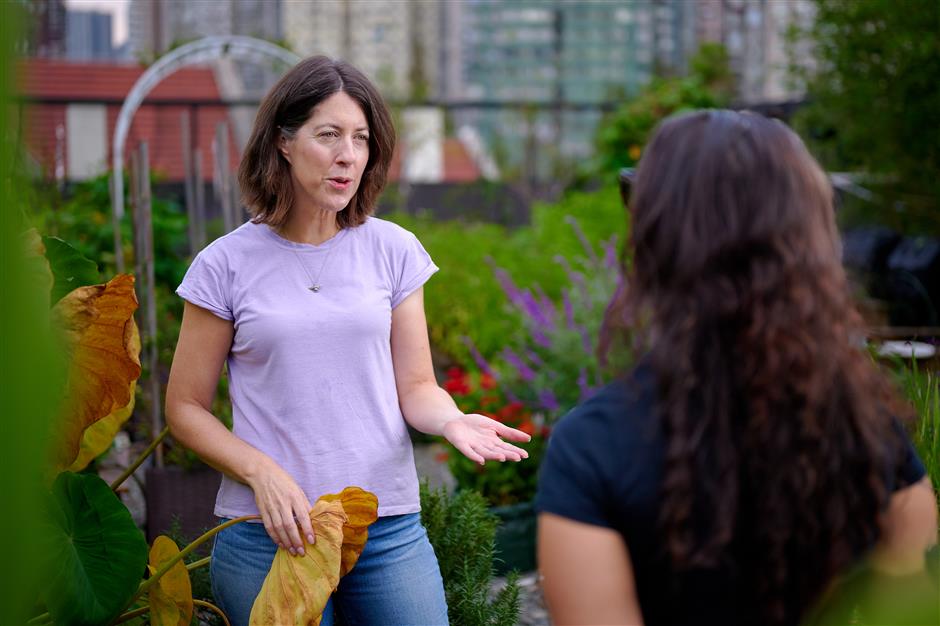
I'm originally from New Zealand and grew up in Christchurch, a very green city, surrounded by parks and gardens. I moved to Shanghai with my partner more than 20 years ago to start a wine company, which we still do today. Like many people who come here, we thought we'd stay for around five years and then go back home. I don't think I could have imagined back then that I would fall so deeply in love with Shanghai (and with China) and still be here after all this time!
As for my gardening background, my family is all keen gardeners. I had a weekend and holiday job on a local vegetable farm throughout my teenage years, so I was fortunate to learn some very practical skills early on. I'm now a qualified horticulturalist, with gardening taking on a much bigger part of my life since moving here. I love to be constantly learning, experimenting with new plants and techniques, and expanding my knowledge.
CNS: What is Skyfarm?
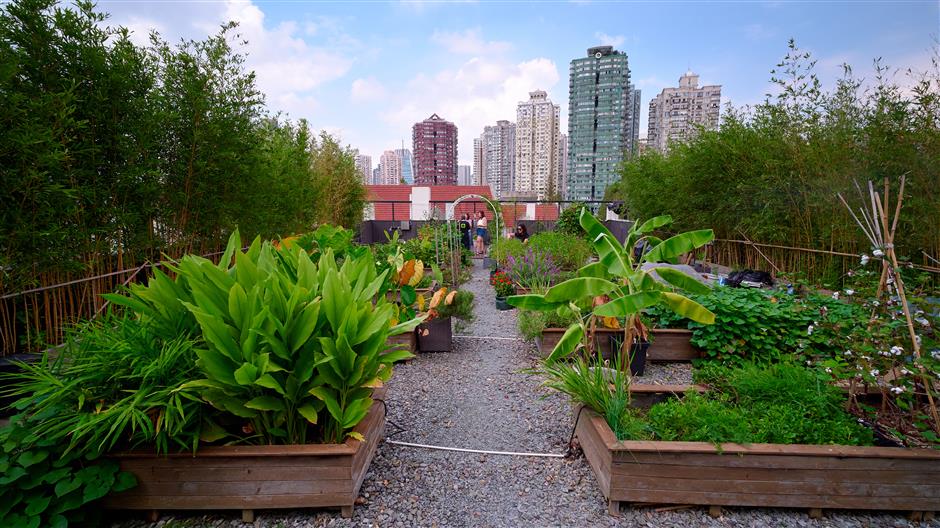
Skyfarm is a non-profit, volunteer-driven, community rooftop farm located on the rooftop of one of the buildings at Anken Air on Zhenning Rd. It's where people come together to grow food, learn about gardening and spend time outdoors.
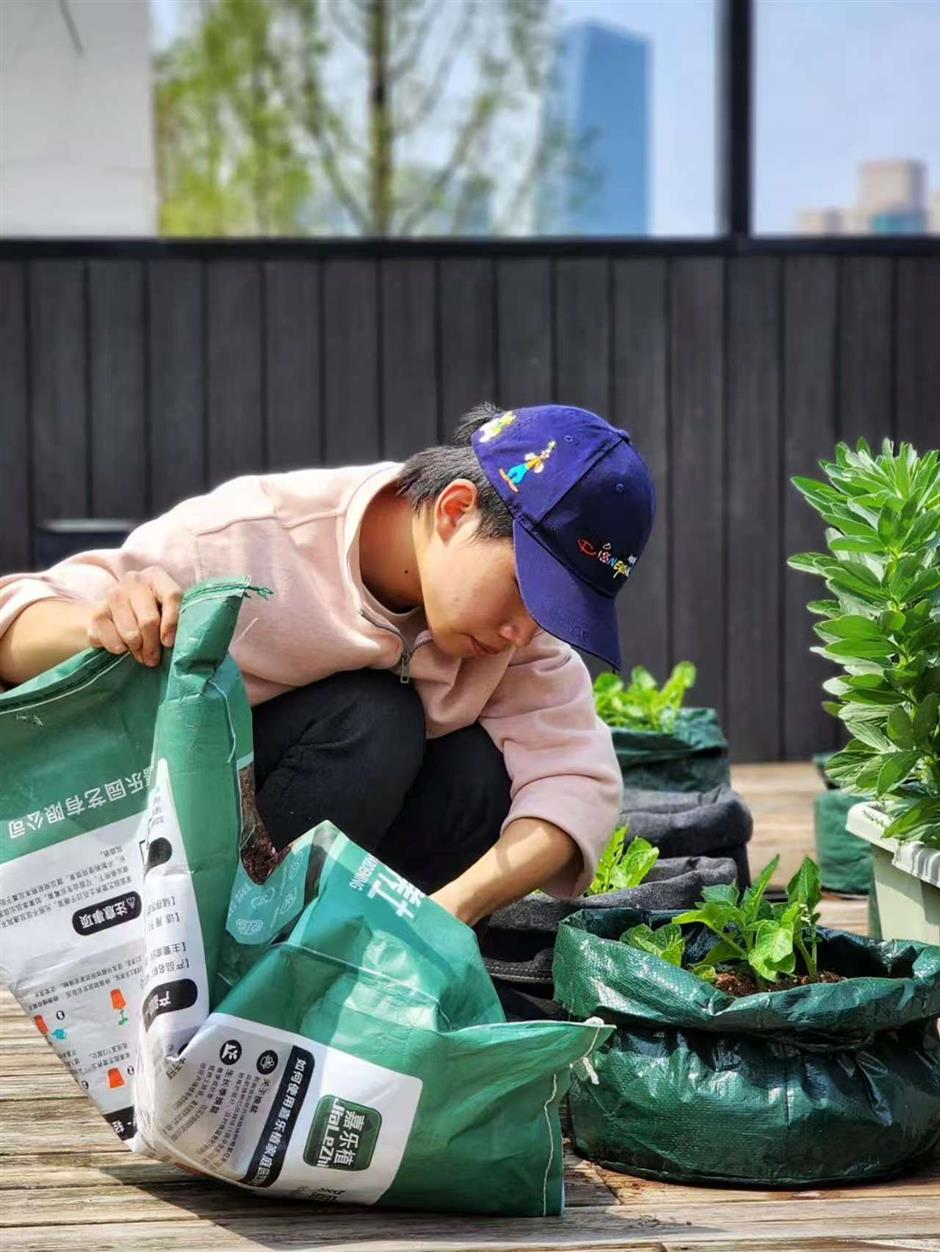
We have a pretty international group of volunteer farmers. Over the years we've had nearly 20 different countries represented at different times, with people from all sorts of ages, backgrounds and life experiences. Some are experienced gardeners, while some are completely new to gardening but keen to learn. We believe commitment and passion count for more than any other qualification.
But the garden is about more than just growing vegetables. It offers our volunteers an escape from some of life's stresses and work pressures. A couple of hours spent pulling weeds and chatting with others surrounded by all that greenery can be a really beneficial mental reset.
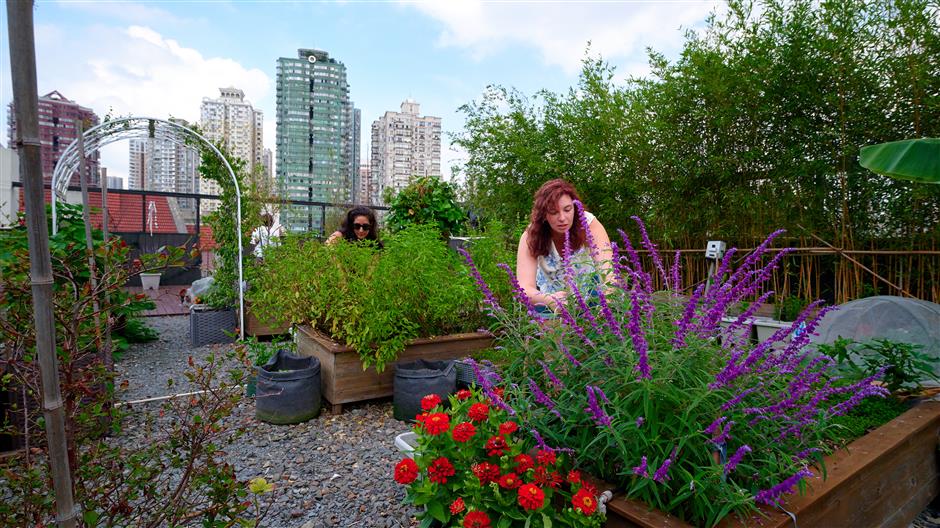
I think that's one of the reasons people become attached to Skyfarm. Volunteers come for the gardening, but end up staying because of the community, the connection with nature, and the chance to switch off from their usual routine for a while. Harvesting and eating our fresh organic vegetables is the bonus!
CNS: What was the impetus for starting Skyfarm, and how did it all come together?
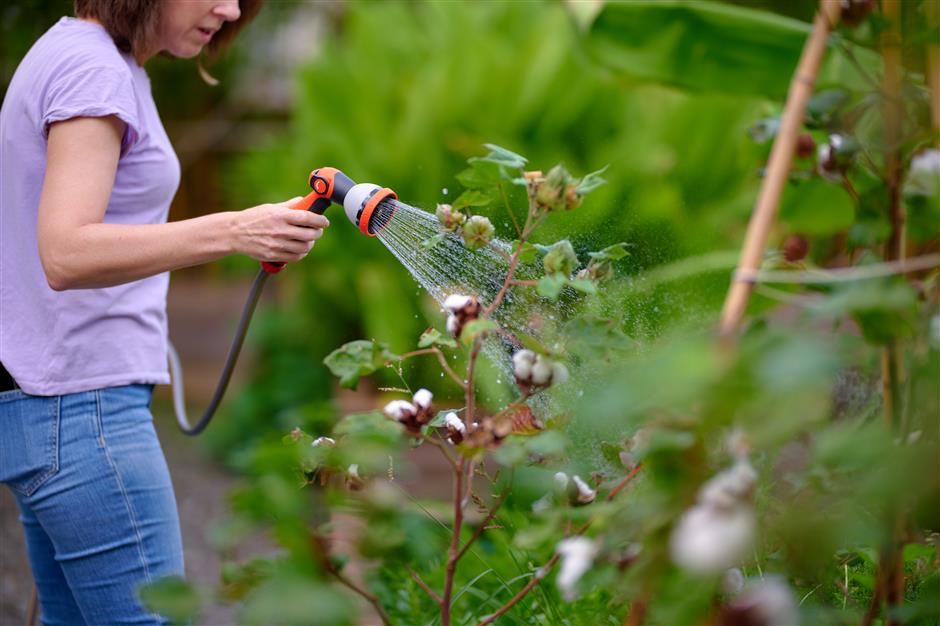
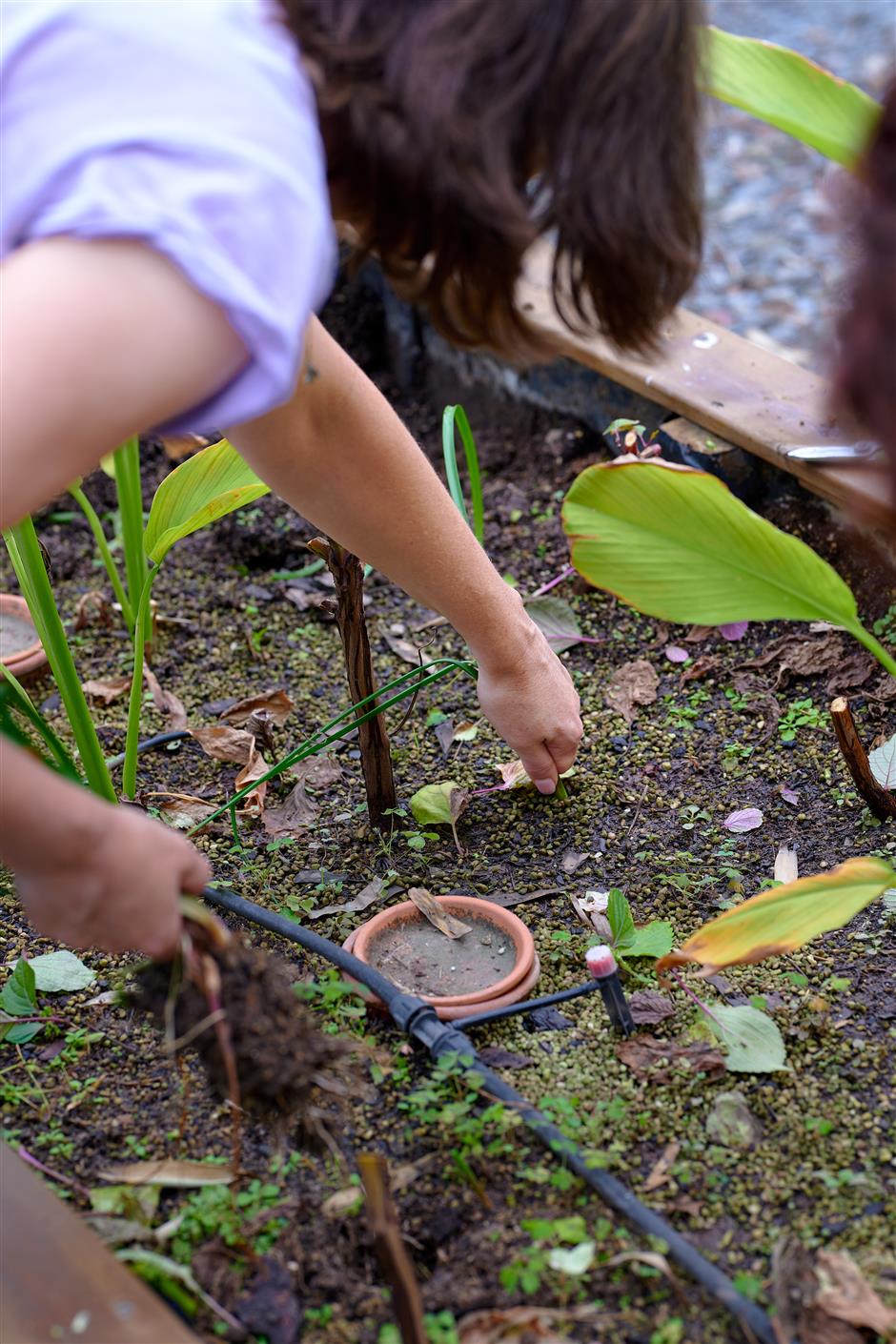
After many years working here, I began looking for ways to connect more with nature. Because I grew up surrounded by plants, easy access to greenery was probably the thing I missed most from home. I was already growing a lot of indoor and balcony plants in my apartment, and I still do. But I only get partial sun there, and it can be too shaded for a lot of plants to grow. However, I always loved the idea of being outdoors, working with plants alongside other people who are interested in gardening too.
It was never my intention to start or run my own community farm. I simply wanted to find one to join, and I searched on and off for several years without any luck. Then, in typical Shanghai fashion, one person I met connected me with someone who connected me with someone else, and so on, until I was eventually introduced to the Anken Property Group. They very generously offered to let me come and set up a community farm on the rooftop of one of their buildings in 2014, and because I knew I might never have another opportunity, I jumped at it!
I'm forever grateful for that opportunity and for the faith Anken placed in me to make it work, especially in those early days. Learning how to run a Shanghai rooftop farm involved a fairly steep learning curve!
CNS: Who is Skyfarm for?
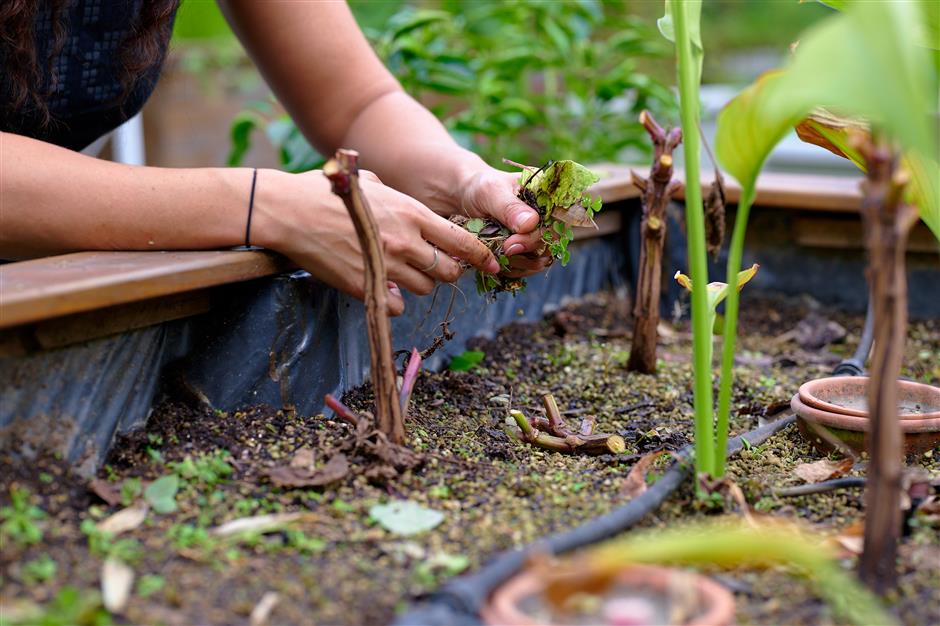
Skyfarm is for people who want to make a regular commitment to working outdoors, growing food, and being part of an international community.
We're not fussy about gardening experience. In fact, we have plenty of people who arrive with no gardening experience at all and learn as they go. Enthusiasm and a willingness to get along with everyone are probably the two things that matter most to us.
The other important thing is being able to make a regular commitment to the community. We work early every Saturday morning, and often in all kinds of weather, so it actually requires quite a bit of dedication!
CNS:What can one expect from a standard Saturday morning gardening session?
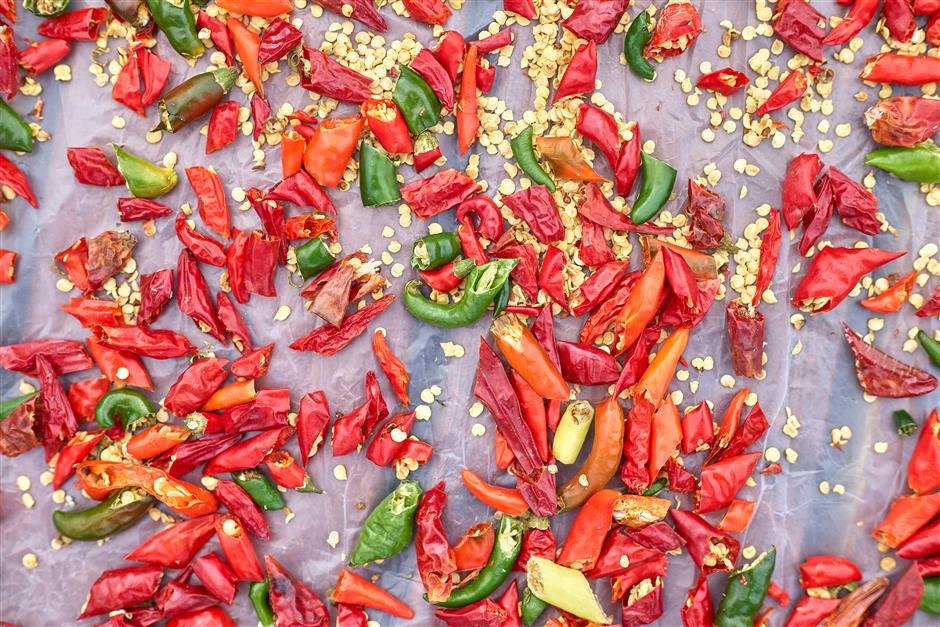
Our Saturday mornings start early, and we spend a couple of hours working through whatever needs doing that week. That might mean planting seedlings, harvesting vegetables, weeding, pruning, watering, composting, repairing things, or dealing with whatever unexpected problem has appeared since the previous week. We usually finish with a harvest; there's something very satisfying about going home with vegetables that you've helped grow yourself!
So far this year we've been overwhelmed by a record number of requests to join our Skyfarm, and we've had to close applications for the rest of 2026. Unfortunately, we simply don't have enough space on our rooftop to accommodate everyone.
It is my long-term dream that everyone who wants access to a community farm or growing space should have the opportunity to do so. So, while we are currently closed to applications on our rooftop, we do still work with other communities and organizations looking to start or run a garden of their own, in their own spaces. In the future, I would love to see more and more city rooftops and unused spaces becoming greener and more community-focused. That's the dream!
CNS: What are the economics behind Skyfarm? Since it's a not-for-profit organization, how is it funded?
Skyfarm operates through a combination of donations and in-kind support. Anken, the property company, generously provides the rooftop space and water, which is an enormous help. We gratefully accept donations of money, seeds, plants, equipment and other things we need to keep the garden running.
Our volunteers contribute their time, and in return they get to learn, enjoy the garden, and take home some of the harvest. I also run beginner gardening workshops from time to time, which bring in a little additional income for the garden.
It's a very grassroots operation, and we do the best we can with what we have. Every donation, large or small, helps us keep the garden growing.
CNS: What makes Shanghai the ideal place for Skyfarm?
I think Shanghai residents have a growing interest in sustainability, urban agriculture, and greener ways of living. I can see that there's a real appetite for projects like ours that give people a chance to get their hands dirty and connect with where their food comes from.
Shanghai's climate is also ideal, as it allows for year-round growing. And the city itself has a huge number of potentially available sites that could be used. With so many people interested in having more access to plants, nature, and growing food – but who don't have the space for a garden of their own – this could be the solution.
Are there any other communal gardening groups around the globe that inspired Skyfarm?
There are so many wonderful community and rooftop gardening projects around the world that have inspired us and continue to inspire us. Brooklyn Grange in New York was the first rooftop farm we ever became aware of, so it has a special place in our history. We also really love DakAkker rooftop farm in Rotterdam, and all the many community gardens in France, especially in Paris.
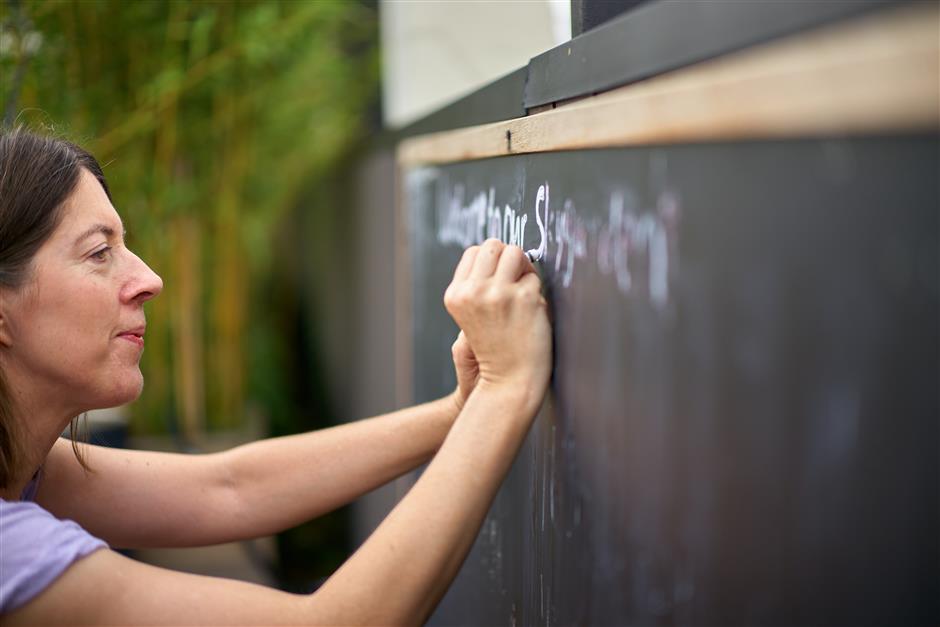
I have a real soft spot for the community gardens back home in New Zealand too. There are so many great options for residents, and I love the way they bring growing into everyday community life. In particular, my old university now runs three community gardens, each one slightly different. Those ones occupy a very special spot in my heart, and I always enjoy seeing what they're doing.
CNS: What were the biggest challenges when starting Skyfarm? And what are the main challenges you face today?
Initially, it was a very steep learning curve, just trying to figure out how to grow plants and keep them alive on a Shanghai rooftop. Because of the exposure on the rooftop, our summer temperatures in the garden often exceed 50°C when it is 38°C at ground level. Our volunteers and our plants do wilt a bit during that time! But over the years, we've learned how to grow in this extreme kind of microclimate, and we've become much better at working with it, though weather will always be an ongoing challenge.
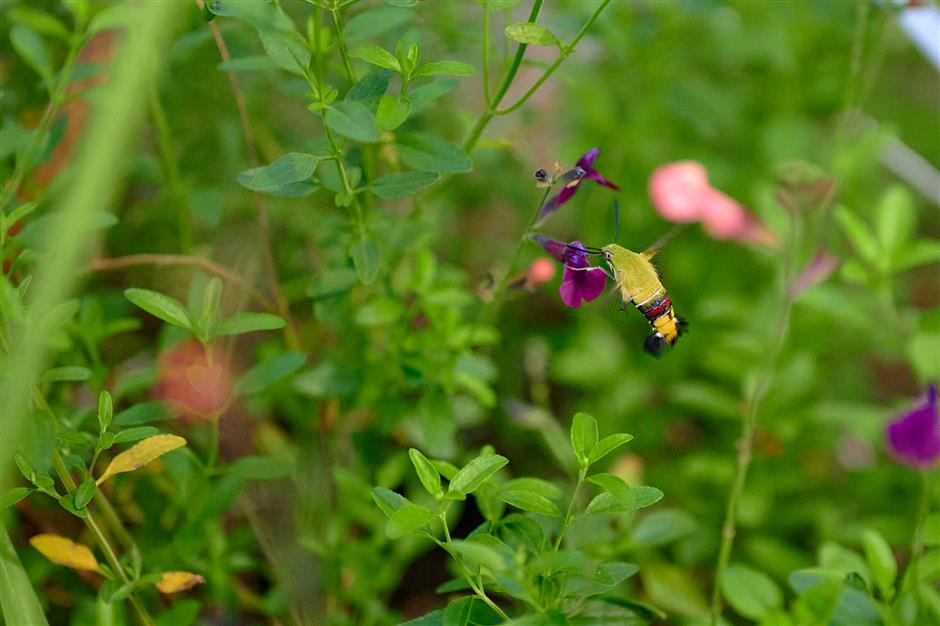
These days, the other challenges are mostly around organization, funding, and time. From an organizational perspective, one of the biggest challenges is always balancing the number of available volunteers with the amount of work that needs doing. It's a lot harder than you might think.
And then there's the time commitment. Running this kind of project can't be one morning a week and then forgotten about until the following Saturday. I'm generally doing something for the garden most days of the week. In summer, I often need to go in daily to check the irrigation and water areas that are drying out. During the week, I'm buying seeds and seedlings, planning the work list for the weekend, and checking on newly planted seeds and seedlings until they're established. Then there are all the daily things that just come up: moving plants before a typhoon, adding or removing netting, dragging pots in and out of the sun as seasons change, fixing things that have broken, etc. There is always something!
I almost never have a day when I'm not thinking about the garden, planning for the garden, buying things for the garden, or going to check on the garden. I've become quite good at planning over the years!
CNS: What was the moment that made you most proud of the Skyfarm community you've created?
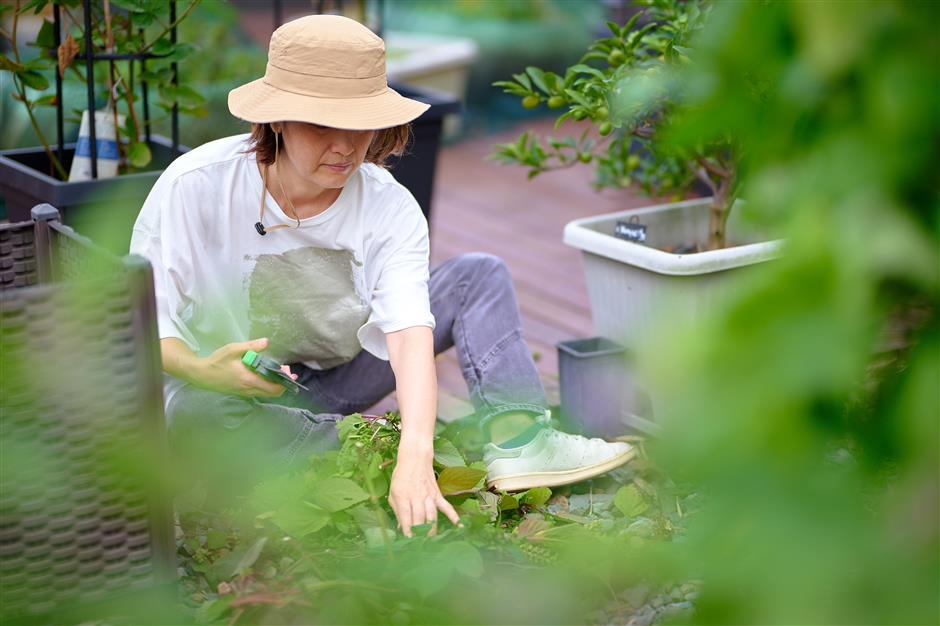
I'm really proud of the community, for so many reasons. I'm proud that we've managed to create this warm and welcoming environment that people keep coming back to. We're a pretty eclectic bunch, with people from all sorts of backgrounds and from all over the world, so we have a lot of different cultures and personalities, but somehow everyone just gets along. It's wonderful.
I'm proud of all our volunteers, too. When I hear someone repeating something they've learned in the garden about the plants, the animals that live there, or the ecosystem, and then teaching it to someone else, I find that really meaningful and rewarding.
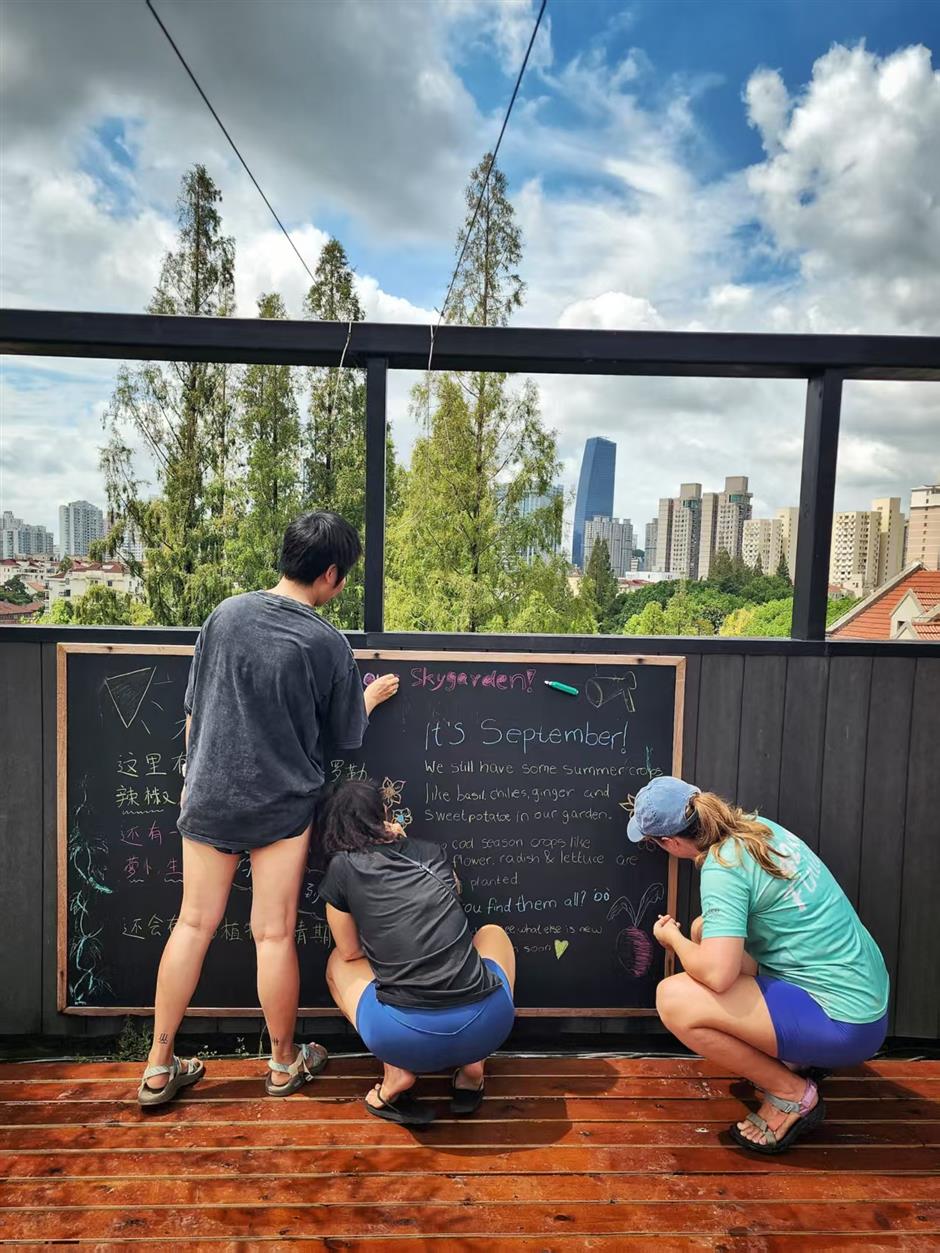
I'm also really proud of our volunteers who have developed a much deeper interest in the environment through their time at Skyfarm, and have gone on to study environmental subjects at university. At least two people have been inspired by their time volunteering at Skyfarm to go on to Master's-level environmental studies, which I think is pretty incredible. I'm really enjoying watching their careers take flight and cheering them on from the sidelines.
And over the years, we've built a lovely network beyond the garden, too. Former volunteers who have moved on still stay in touch, our volunteers' families and friends follow us from afar, and we now have strong relationships with other community farms, gardeners, and researchers all over the world. We regularly stay in touch and share information.
So I think that's probably the thing I'm proudest of: Skyfarm's reach is no longer just local. It's become a community on a global scale, and for our volunteers, it's something they can carry with them after they've left, no matter where they go.
CNS: What are you working on next for Skyfarm or other gardening groups around Shanghai or China?
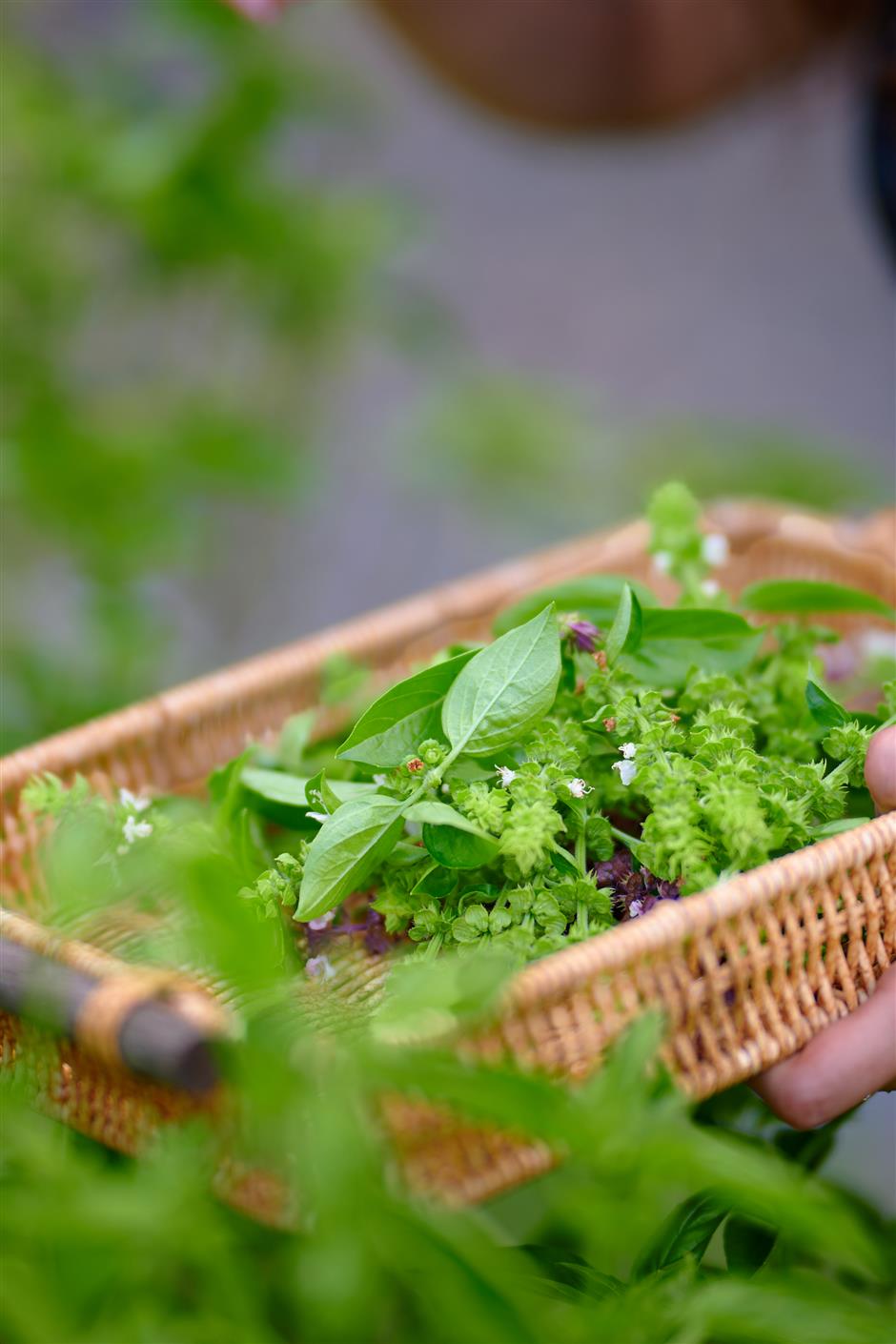
Skyfarm will continue for as long as we're able, connecting people with plants, food, and ecosystems through our community farming days and gardening workshops. But we're a small rooftop farm, and there is a limit to how many people we can accommodate. The huge amount of interest we now receive has actually made me think more about developing more projects like it.
I'm already working with a few organizations who want to start or develop gardens of their own, and I'd like to expand this further. I've learned a huge amount from running Skyfarm over the years, including what works, what doesn't, how to deal with the practical challenges of growing in the city, and just how much planning and ongoing work is involved in making a community garden function well. I'd love to share that knowledge with other people who want to do something similar and help them get their projects off the ground.
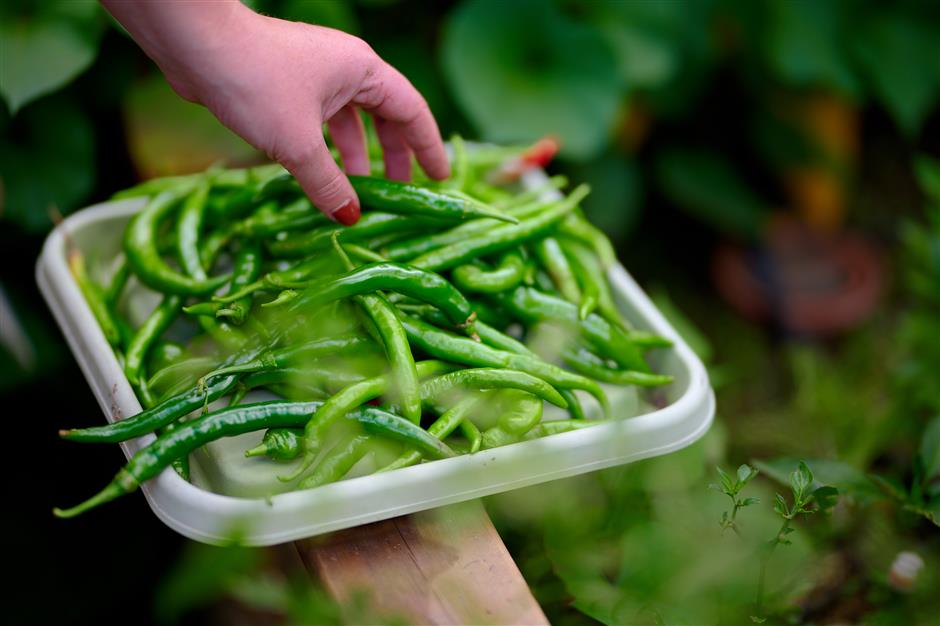
There are so many rooftops, schools, residential communities, and other spaces around Shanghai that could potentially become productive, green spaces. If we can help some of those places become gardens, then we can reach far more people than Skyfarm could ever accommodate on its own. So I think the next chapter for me will be about using what I've learned to help other people grow more gardens across Shanghai.
CNS: How can readers sign up to join Skyfarm in the future?
For anyone wanting to make contact with me, I'm at @theshanghaigardener on Instagram, where I post all manner of plant and Shanghai green-space things, including information about our rooftop farm and workshops. If anyone would like to talk about future involvement, donating, or starting a garden of your own, they can add me on WeChat (Shanghai_Gardener).
Editor: Fu Rong
In Case You Missed It...
 Nov 23, 2026


Popular Reads
[Shanghai Transit] Shanghai Revises Metro Fares, Shortens Base-fare Distance to 4km

Global Tech Selloff Snares Chinese Stocks Amid Doubts About the AI Boom

Shanghai, Singapore Ink 16 Deals, Advancing Cross-border Finance, Innovation and Cultural Ties