Tongji University Unveils World's First Cloud-Controlled Autonomous Driving Test System
Imagine driving on a highway in heavy fog when a flock of sheep suddenly crosses the road. Can an autonomous driving system detect the animals and respond in time?
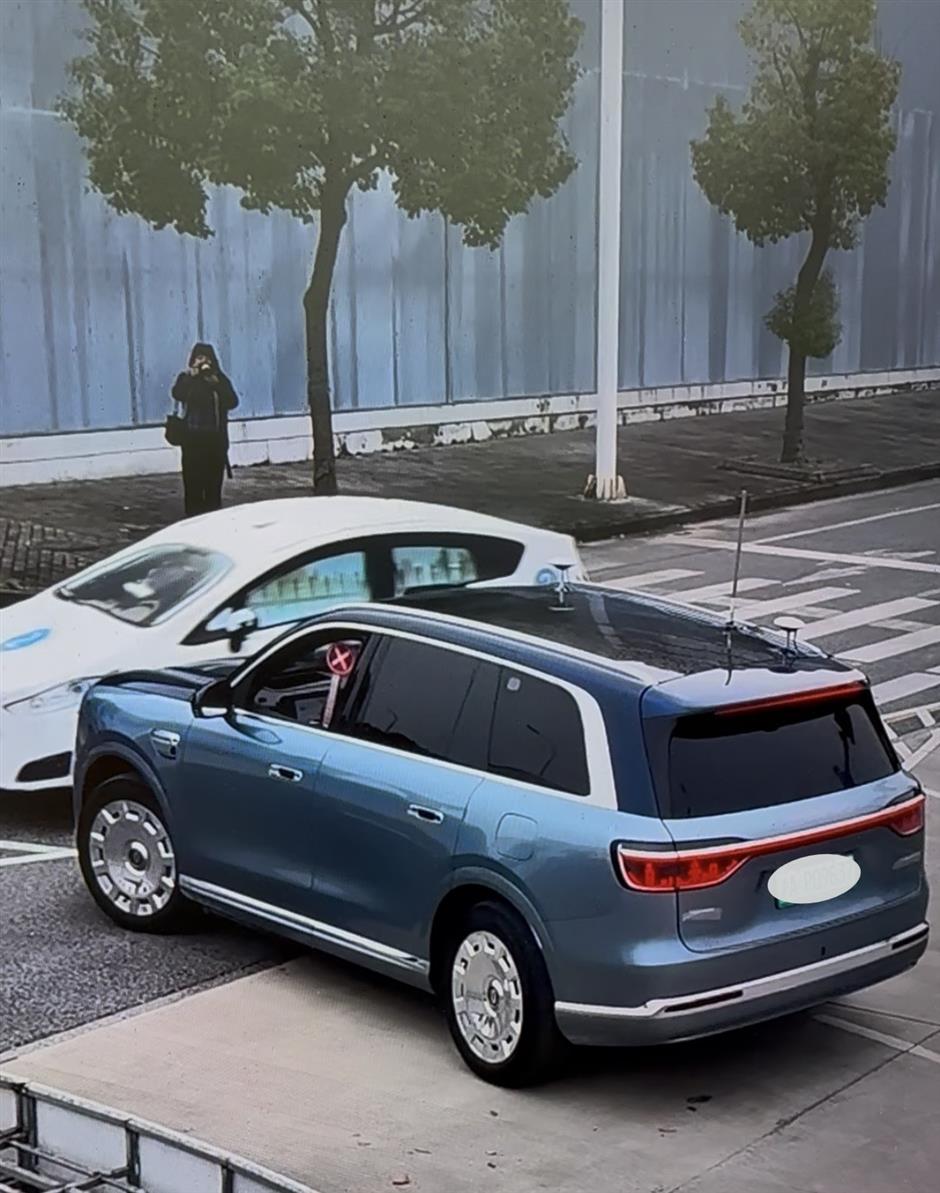
Tongji University is exploring this question with a new testing platform, the Cloud-Controlled Traffic Flow Emulation Test System, now operating at its vehicle evaluation base on the university's Jiading campus.
According to the university, conventional closed testing grounds for autonomous vehicles mainly rely on pre-programmed scenarios featuring static obstacles, soft dummies and mock vehicles.
Such setups have limitations when it comes to testing the safety of L3 (conditional automation) and L4 (high automation) vehicles in complex, dynamic and highly interactive traffic environments.
"As smart driving technologies see large-scale deployment, safety challenges in complex road conditions and sudden emergencies have become increasingly prominent, sparking public concern," said Xiong Lu, dean of Tongji's School of Automotive Studies.
Statistics show a frequent occurrence of autonomous driving accidents in recent years. For instance, in late 2023, a Cruise autonomous robotaxi in San Francisco struck and dragged a pedestrian, leading to the suspension of its driverless operations.
Last year, on the Jiguang Expressway in China, a vehicle failed to detect and crashed into a broken-down semi-trailer just 40 seconds after its integrated auto-driving system was activated, claiming the lives of a family of three.
Tongji's new system simulates large-scale group traffic behaviors by controlling dozens of traffic participants. The system lets testing vehicles interact intensely and dynamically with traffic participants using original AI algorithms."
After activating Navigate on Autopilot, testing vehicles face six difficult dynamic scenarios on the testing ground. In a foggy environment where lidar and visual range are severely impaired, pedestrians or animals may suddenly appear on the road, or a test car driving through a roundabout may encounter dynamically merging vehicles.
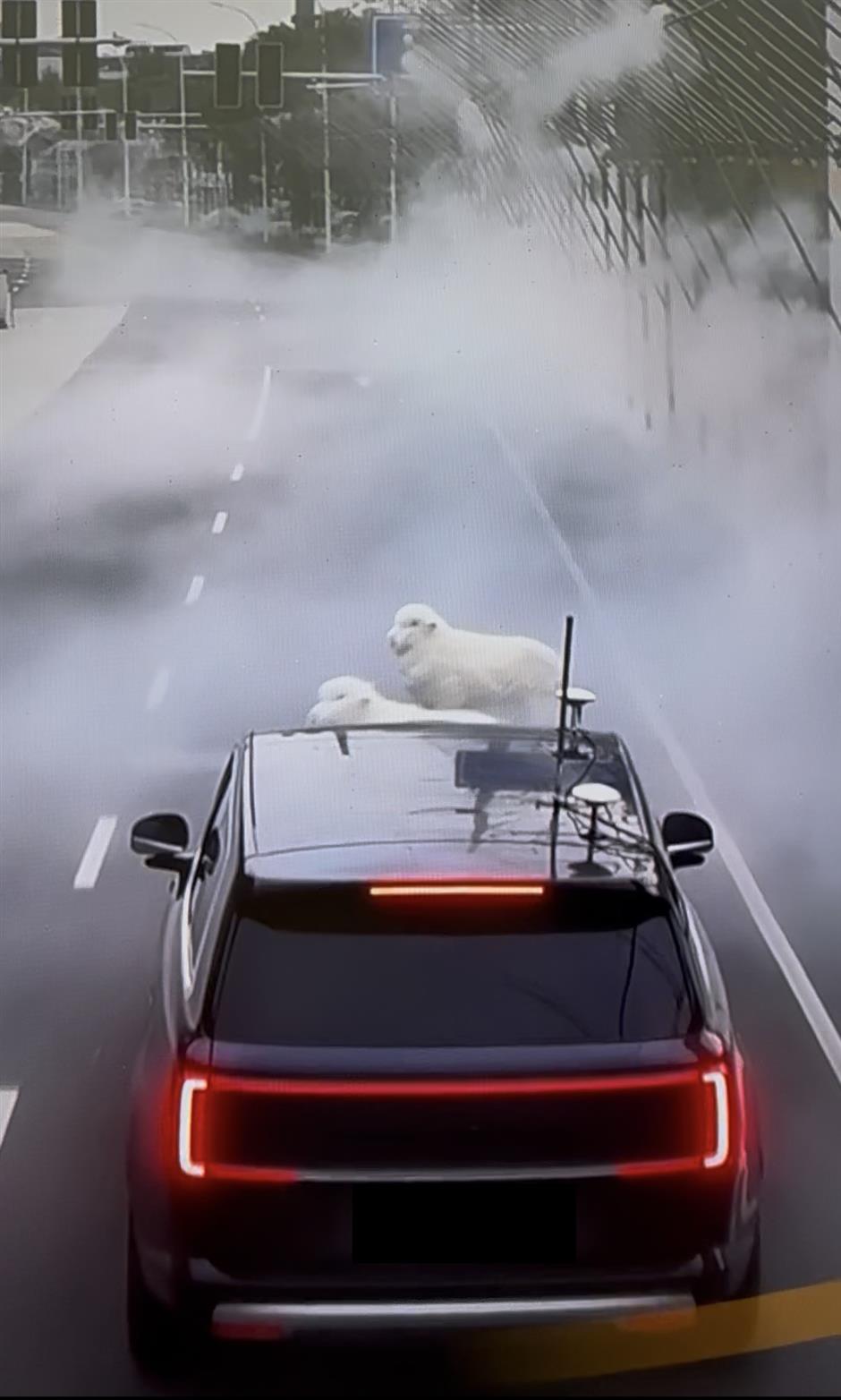
"Our system acts as an extremely sturdy 'shield' that attacks and challenges those 'spears' during testing. Only when the shield is powerful enough can we force automakers to forge their smart driving 'spears' to be sharper and safer," Xiong said.
Now that Chinese automakers are expanding internationally, smart driving technologies must meet stricter regulatory and safety standards in the EU. Xiong stated that the system assists automakers in recognizing potential safety hazards and enhancing the safety of their exported products while establishing the foundation for standards.
"Regarding L3 autonomous driving, which is set to be implemented in 2027, there is still a lack of specific testing standards globally, and existing L3 standards mostly remain at the framework level of requirements," he said.
"Our team is collaborating with authoritative institutions to promote the development of national smart driving testing standards. In the future, we hope the rigorously verified "Chinese standard" can be upgraded to an international standard, becoming a leader in global autonomous driving safety rules."
Editor: Yao Minji
In Case You Missed It...
 Nov 9, 2026