Pharma Fair Sheds Light on Chinese Drugmakers' Changing Strategies
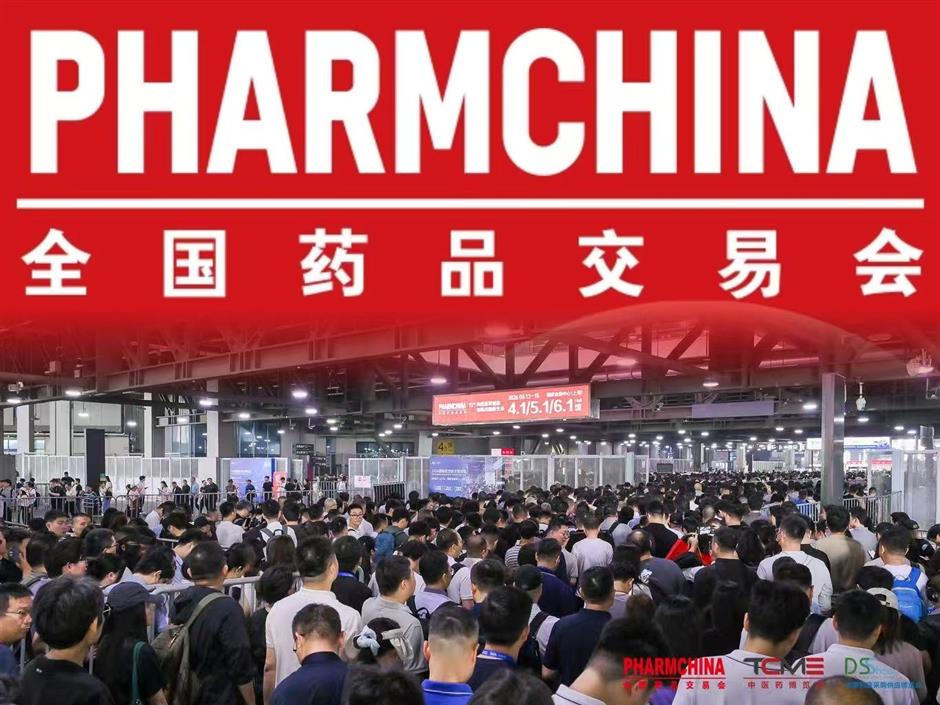
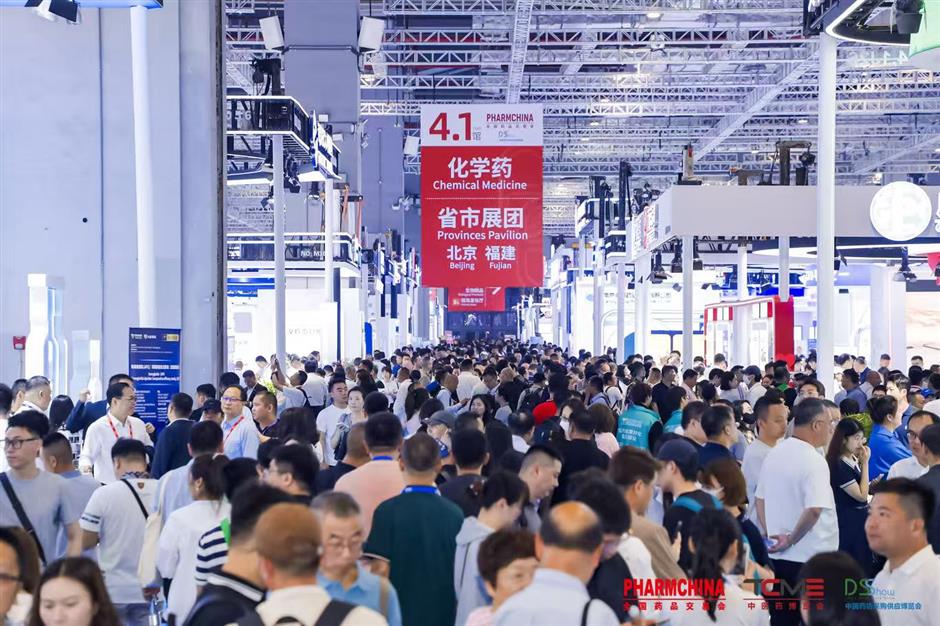
More than 3,000 pharmaceutical and healthcare companies gathered in Shanghai this week for the 92nd PHARMCHINA, one of China's largest industry sourcing fairs. Held at the National Exhibition and Convention Center in suburban Qingpu District, the event covered more than 170,000 square meters, spanning sectors from APIs and manufacturing equipment to finished drugs and health nutrition products.
Across the exhibition halls, a clear theme emerged: China's generic drug makers are no longer competing only on volume. They are searching for new ways to survive after years of state-led bulk procurement pushed prices down sharply.
Mature chemical drugs still dominated the floor. Products such as ibuprofen, amoxicillin and metformin appeared across multiple booths, alongside treatments for hypertension, diabetes and respiratory infections.
But behind the familiar product names, companies were telling a more complicated story.
Some emphasized that their drugs had passed consistency evaluation or won bids in provincial and national procurement programs, betting on guaranteed volume to offset lower prices. Others promoted modified dosage forms, including sustained-release tablets, chewable tablets and orally disintegrating tablets, hoping technical differentiation can slow the slide into pure price competition.
"The industry is moving away from the old model of competing purely on scale and low prices," said Original Pharmacolabo from northeast China's Liaoning Province. "With centralized procurement and e-commerce reshaping the market, companies are under pressure to differentiate through product quality, formulation upgrades and clinical value."
The drugmaker used the fair to launch a new effervescent paracetamol-vitamin C product that recently passed China's generic consistency evaluation, highlighting improved formulation stability and patient compliance as selling points.
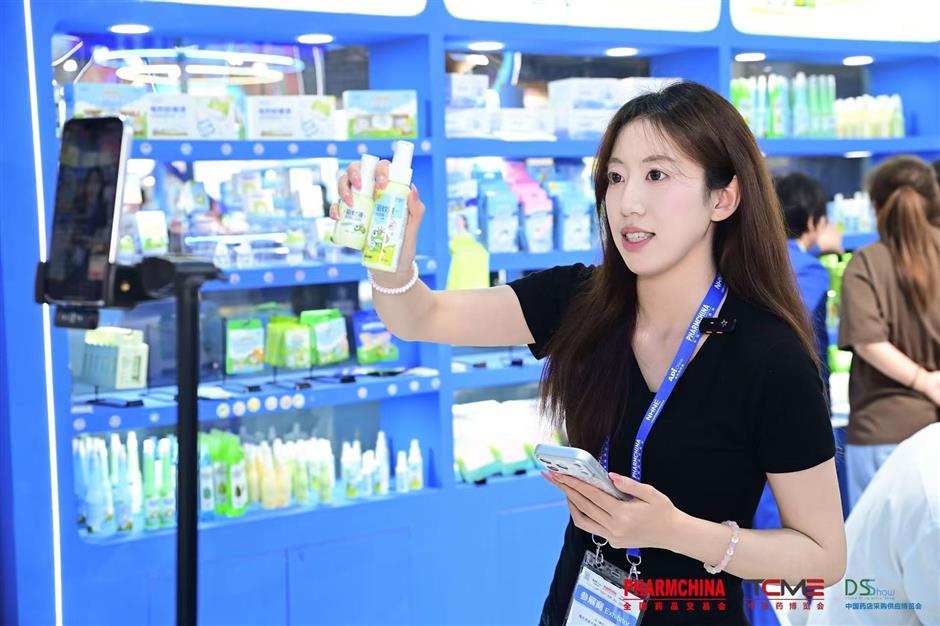
Another major section of the fair was API (Active Pharmaceutical Ingredient) China, where more than 1,200 exhibitors covered APIs, intermediates, excipients and manufacturing equipment. The boundary between upstream suppliers and downstream drugmakers appeared increasingly blurred. Some traditional API producers, including companies, displayed not only raw materials but also finished formulations, signaling a broader move toward vertical integration.
The logic is straightforward. Rising chemical raw material costs are squeezing margins for API suppliers, while finished-drug prices have fallen to historical lows. Moving into formulations, contract manufacturing or direct market supply offers upstream companies a possible new profit channel.
"For API producers, finished drugs are no longer just a downstream extension," said Stella Qi, an overseas business sales specialist at Zhejiang Shenzhou Pharma. The company displayed a list of steroid hormone APIs, including progesterone and spironolactone, but also promoted its own finished-drug brands, including Aileyi progesterone soft capsules and Dapuling spironolactone tablets, both of which are also sold overseas.
"They allow us to capture more value from the products we already know well, especially in mature categories where quality control and stable supply matter," she said.
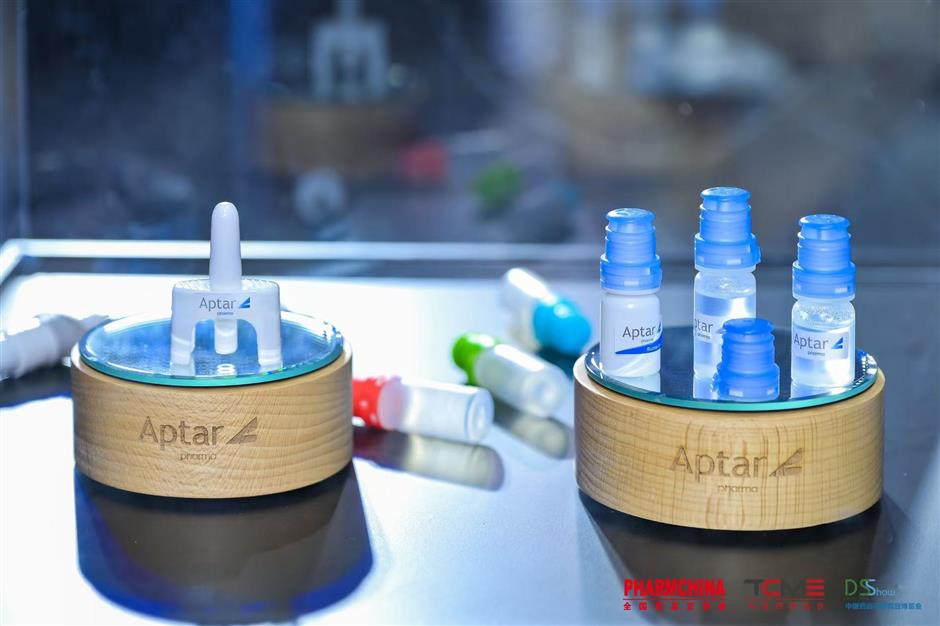
The fair also reflected a second shift: the rise of service providers around innovative drugs. A new demonstration area in the north hall showcased full-chain solutions for drug discovery, preclinical research and commercial manufacturing, bringing together Contract Research Organization (CRO) and Contract Development and Manufacturing Organization (CDMO) companies.
This part of the exhibition told a different story from the crowded generic-drug booths. While many companies are still fighting over price and capacity, others are trying to capture value from research, process development and global supply-chain services.
"Our work starts very early in the drug-development process," said a representative of Viva Biotech, a Shanghai-listed CRO and CDMO service provider that was named to the 2026 China CRO Excellence Brand list at the fair. "We help innovative drug companies with structure-based drug discovery, and then support them as projects move toward development and commercial manufacturing."
According to Sinolink Securities, China's CDMO sector posted revenue growth of about 20 percent in the first quarter of 2026, as demand for innovation-related outsourcing continued to recover.
Taken together, the fair offered a snapshot of a pharmaceutical industry still under pressure, but fragmented in its survival strategies. And one thing is clear: China's drugmakers are no longer simply competing to produce more cheaply. Increasingly, they are competing to prove they can offer something different.
Editor: Yao Minji