Top News
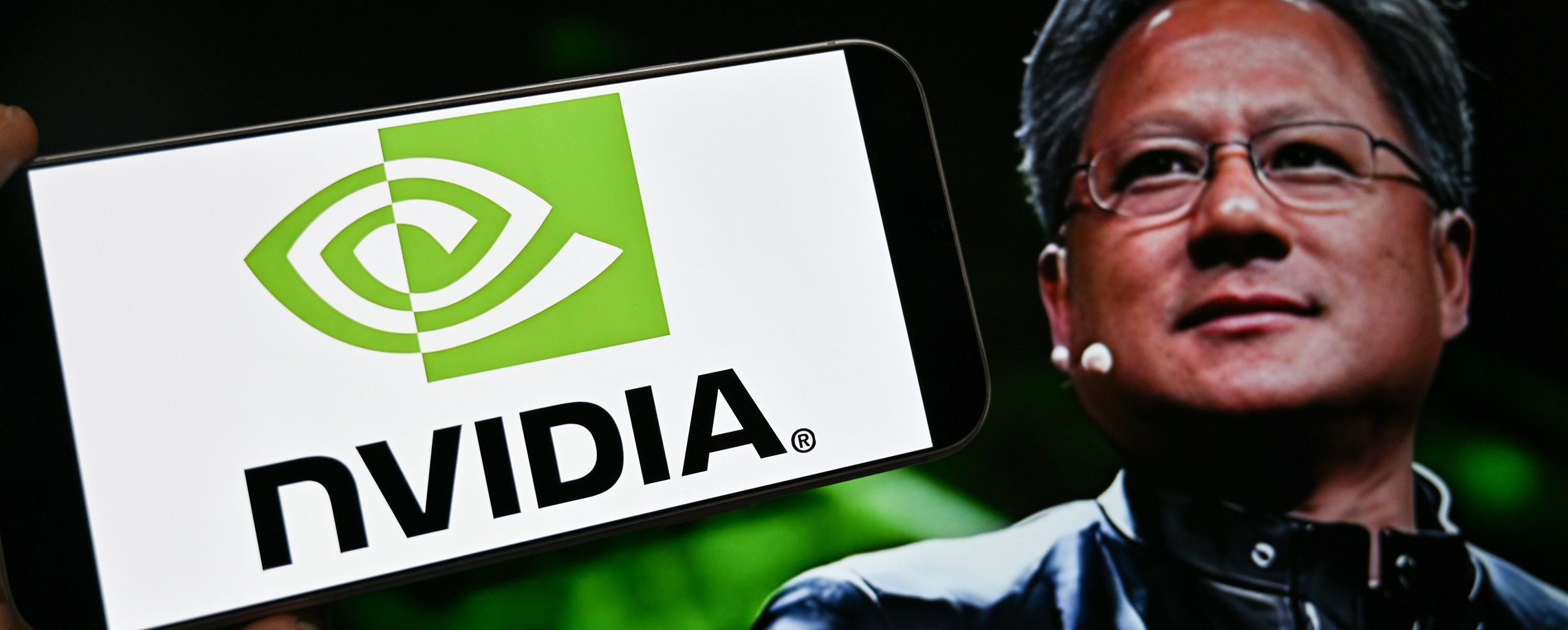
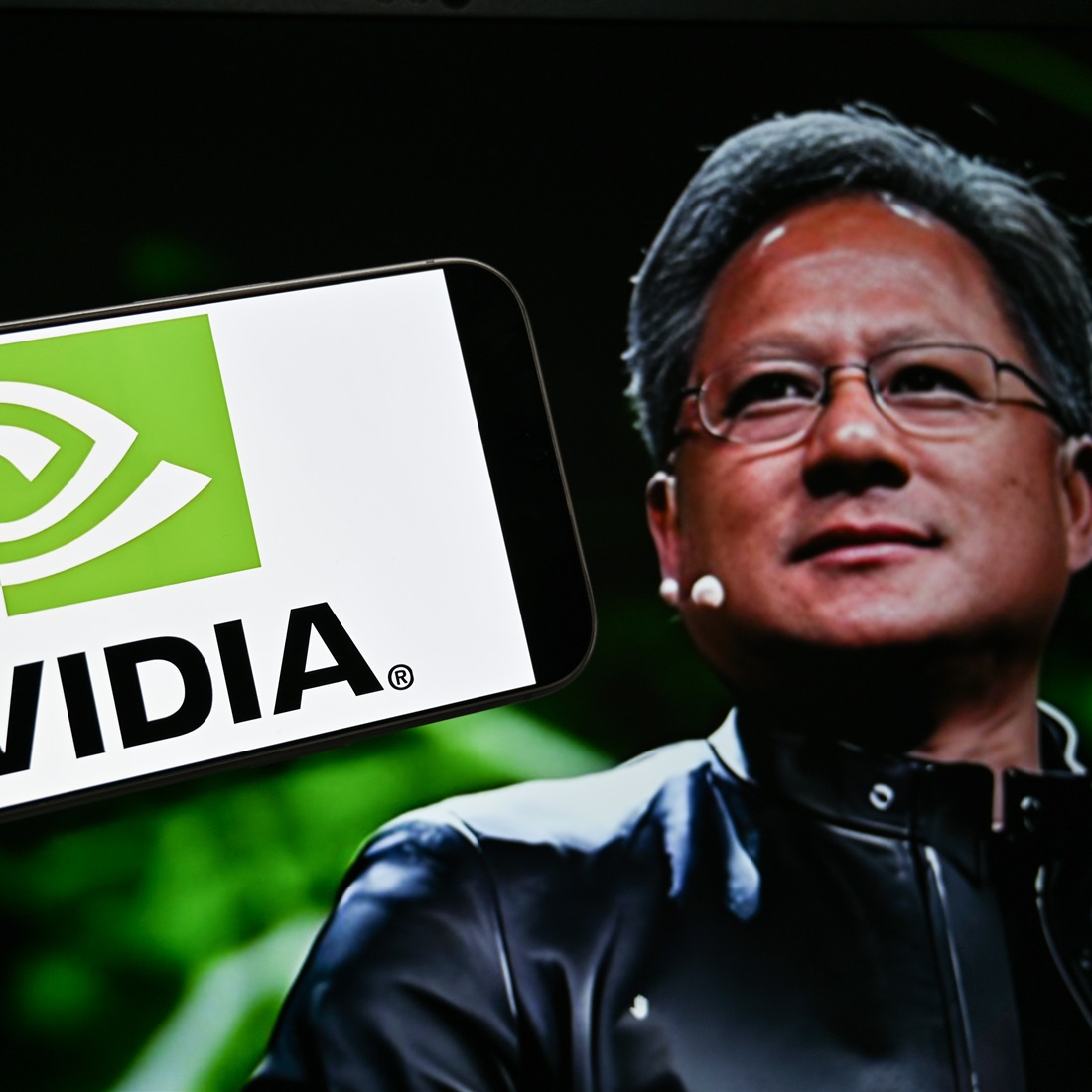
Nvidia Chief Jensen Huang Resigns Amid Scandal
Nvidia founder Jensen Huang has resigned as president and chief executive after more than three decades leading the AI chip giant he co-founded. Chief Financial Officer Colette Kress was named interim chief executive. The announcement came after the board of directors held an overnight meeting to discuss his possible ouster after the company's shares dived more than 25 percent from their October peak amid a sex scandal with overtones of foreign espionage and breaches of confidential information. Taiwan-born Huang admitted an affair that is reported to be with a Chinese businesswoman, whose Singapore-based company was a big buyer of Nvidia chips. The scandal was followed by reports yesterday that Huang also had affairs with two Nvidia employees in the US. Nvidia shares fell 4.3 percent on Thursday after heavier losses earlier this week.Huang is credited with transforming Nvidia, founded in 1993, into a global powerhouse. The company was not only dominant in development and sales of advanced AI chips, but it also has been a massive investor in all segments of the AI industry. Huang, 63, came to be known as "the rock star of AI."
Replacing him will not be easy. The names of a host of industry luminaries lead market speculation, with prospects including AMD's Lisa Su, Intel's Lip-Bu Tan, Amazon Web Services' Matt Garman, Arm Holding's Renee Haas and OpenAI Chairman Bret Taylor. US President Donald Trump proposed former Apple chief executive Tim Cook. In answer to a question, Elon Musk, head of Tesla and SpaceX, said it "would be an honor" to hire Huang.
SMIC Profit More Than Doubles, Factory Utilization Rises
Semiconductor Manufacturing International (SMIC), the largest contract chip foundry on the Chinese mainland, reported a 123 percent increase in third-quarter net profit as sales grew from a year earlier and its factories operated closer to full capacity. Net profit attributable to shareholders reached US$428.4 million, with revenue rising 34 percent to US$3.2 billion. Quarter-on-quarter growth was less impressive. Profit fell 11 percent from the prior three months on a 6.1 percent gain in revenue. However, gross margin climbed to 29.9 percent from 22 percent. The Shanghai-based company attributed its earnings performance to a doubling in its capacity utilization rate to 97.3 percent, expanded wafer sales and changes in its product mix. SMIC forecast fourth-quarter revenue growth of 4 percent to 6 percent from the third quarter but signaled a lower gross margin of 26 percent to 28 percent.
US Negotiators Continue Shuttle Diplomacy to End Ukraine War
US envoys Jared Kushner and Steve Witkoff arrived in Ireland to brief Ukrainian President Volodymyr Zelensky on their earlier Moscow talks with Russian President Vladimir Putin. Kushner told reporters before leaving Moscow that some progress has been made toward an agreement to end the nearly five-year war and trilateral talks involving the US will continue. Witkoff seemed to signal that the talks may be expanded to include Ukraine's European allies – a move Kiev favors but Moscow has resisted. There has been no apparent breakthrough in the sticky central issue of who will control what territory under a peace settlement. Ahead of the talks in Dublin, Zelensky reported renewed disruptions to Starshield – a military-grade version of Elon Musk's Starlink service that is critical to Ukraine's ability to shoot down Russian drones.
Top Business
Foxconn Profit Rises 34 Percent on Demand for AI Products
Hon Hai Precision Industry, commonly known as Foxconn, the world's largest contract maker of electronics like Apple phones, reported a 34 percent rise in third-quarter net profit as an improved product mix and greater operating scale lifted earnings. The Taiwan-based company said net profit attributable to shareholders reached NT$77.5 billion (US$2.4 billion) on a 46 percent increase in revenue to NT$3 trillion. Operating profit increased 64 percent to NT$115 billion, while operating margin widened to 3.8 percent from 3.4 percent a year earlier. Cloud and networking products accounted for 54 percent of quarterly revenue, compared with 29 percent for smart consumer electronics. However, gross margin narrowed to 6.02 percent from 6.35 percent, and net non-operating income fell 79 percent. Foxconn raised its full-year outlook and forecast strong fourth-quarter growth. It also projected high double-digit growth next year in AI rack shipments.
Double 11 Festival Sales Slow From Year-Earlier Growth
The Double 11 online shopping festival, which has lost some of its initial public luster amid weaker consumer spending and interest in recent years, ended earlier this month with a 4.8 percent sales increase from a year earlier to 1.8 trillion yuan (US$270 billion), according to data provider Syntun. That compared with a 14 percent increase last year. The festival, the biggest e-commerce event of its kind in the world, relied heavily on chatbots this year to drive sales of goods. The major players, Alibaba's Taobao and Tmall, and JD.com, no longer release gross merchandise value figures. The Syntun estimate covered the period October 7 to November 11, spanning both a long promotions period and what was once a single-day event on November 11. The festival is also called Singles' Day because it originated years ago on a university campus where students celebrated their marriage-free status.
A separate report by iiMedia Research said home appliances, mobile phones and digital products ranked highest in sales. Sellers, it said, shifted from the low-price rat race of years past to competition based in value, with services and AI hardware becoming new growth drivers.
Xpeng Flying Car Unit Targets Mid-2027 Commercial Launch
Carmaker's Xpeng flying-car subsidiary Aridge said it aims to commercialize its detachable flying car, the Land Aircraft Carrier, as early as next summer. The vehicle pairs a six-wheeled electric vehicle with a two-seat electric vertical takeoff and landing. Priced at about US$300,000, with more than 7,000 preorders already worldwide, vehicle is at the forefront of low-altitude aviation. Aridge has received limited-use approval from China's aviation regulator but needs additional certification before delivering to general customers. Tesla has also unveiled a Roadster prototype targeting 2028 production, though it has not been approved as a road-legal flying car. The key hurdles to marketing such vehicles are safety validation, flight regulation and high prices.
Cisco Earnings Beat Market Forecasts
US technology giant Cisco, a leading maker of networking gear, reported better-than-expected earnings for its fiscal first-quarter ended October 24. Revenue increased 24 percent to US$18.5 billion, and net income rose 59 percent from a year earlier to US$4.6 billion. Cisco is trying to gain a foothold in the AI buildout after missing out on the early years of the generative AI boom. It raised its forecast for AI infrastructure revenue from "hyperscalers" to US$9 billion this fiscal year, more than double the figure in fiscal 2026.
Economy & Markets
MSCI to Add Zhongji Innolight, Two Other Companies to China Index
MSCI, following a quarterly review, said it will add Zhongji Innolight, Huadian New Energy and Yunnan Germanium to the MSCI China Index, effective December 1. Zhongji Innolight, the world's largest manufacturer of optical transceivers used in AI data centers, will also be added to its MSCI Emerging Market Index. Huadian New Energy is involved in renewable power, and Yunnan Germanium mines the chemical element used in infrared and fiber optics, semiconductors and solar cells. Thirty-eight stocks will be removed from the China index, including C&D International, China National Building Material, Longfor Group, Ganfeng Lithium and China Feihe. For the MSCI Hong Kong Index, the compiler said it will remove Sands China. Inclusion on these widely watched indexes gives constituent companies a higher global profile. MSCI stands for Morgan Stanley Capital International.
Hosin Electronics Ends Flat in Hong Kong Trading Debut
Shares in Shenzhen chip maker Hosin Electronics fell 0.04 percent from their offer price on their first day of trading in Hong Kong after an initial public offering that raised a net HK$994 million (US$127 million). The debut comes during a period of volatile trading in technology stocks. In the first four months of the year, the company reported net profit rose 30-fold to 3.8 billion yuan (US$576 million), riding the boom in AI-driven memory prices. Revenue was 8 billion yuan. But inventory stood at 10.9 billion yuan and operating cash flow was a negative 2.7 billion yuan.
China Approves Eli Lilly's First Oral Weight-Loss Drug
China has approved Eli Lilly's orforglipron, making the US pharmaceutical company the first to secure regulatory clearance for an oral GLP-1 weight-loss drug in the country. The once-daily pill, marketed as Foundayo in the US, offers an alternative to injectable GLP-1 treatments currently available in China, including products from Lilly, Novo Nordisk, Pfizer and Chinese drugmaker Innovent Biologics. Orforglipron belongs to a class of medicines that mimic a gut hormone involved in regulating appetite and blood sugar. In a Phase III clinical trial, patients receiving the highest dose lost an average of 12.4 percent of their body weight over 72 weeks.
The approval comes as competition intensifies in China's weight-management market. Danish-based Novo Nordisk has also submitted an application for the oral version of its obesity drug Wegovy, while several Chinese companies are developing oral GLP-1 candidates.
Corporate
UBtech to Sell Yongda Auto 400 Robots, Collaborate on Distribution
Shenzhen-based robot maker UBtech said Yongda Auto signed an agreement to purchase 400 of its UI Pro super-bionic humanoid robots in a deal valued at about 68 million yuan (US$10 million). The two sides also agreed to collaborate to use the U1 series to enter the consumer market, build a sales and services model, and advance embodied intelligence application services and product leasing in the automotive industry. Yongda specializes in dealerships, maintenance, and after-sales services. The companies also plan to establish a robotics showcase center in Shanghai.
Tencent Denies Online Rumor of Massive Staff Cut
China tech giant Tencent denied online rumors that it will cut 50 percent of its workforce, or 8,000 jobs. Public relations director Zhang Jun called the claim "a pure misunderstanding." He explained that the "50 percent army, 50 percent navy" framework raised by management at the company's 28th-anniversary meeting was a metaphor for reallocating resources in the AI era – half the workforce defends and improves efficiency in existing core businesses, while the other half embraces the AI wave and explores growth areas. The change emphasizes "efficiency gains" rather than passive "cost cutting," he said.
Satellite Chemical to Invest US$3.1 Billion in Propylene Project
China's Satellite Chemical announced it plans to invest 20.7 billion yuan (US$3.1 billion) in a new propylene and downstream new materials project in the city of Lianyungang in Jiangsu Province. Once fully operational, the project will have annual capacities of 600,000 tons of acrylic acid, 300,000 tons of butyl acrylate and 1.6 million tons of polycarbonate alcohol.
Vtech Posts Six-Month Profit Decline
Hong Kong-based Vtech, a global electronics company specializing in educational toys, cordless phones and baby monitors, reported net profit for its fiscal first half ended September 30 fell 13 percent to US$65 million on increased costs of electronic components. Revenue rose 5.6 percent to US$1.1 billion. Europe was VTech's largest market, accounting for 47 percent, followed by North America. Profit margin slipped to 30.1 percent from 31.9 percent.
Commercial Solar-Powered Drone Makes Maiden Flight
The China Academy of Aerospace Aerodynamics said it completed the maiden flight of an unmanned commercial, solar-powered electric drone that can fly over 30 hours. The drone, called Light Cavalry, has an 8-meter wingspan and maximum 5-kilogram payload capacity, and can be launched without a runway. Its uses target work related to pipelines, surveying, water conservancy and disaster patrol.
Microsoft Pushes Back on China Tech Ban
Microsoft is urging the Trump administration to drop plans to ban imports of Chinese optical transceivers, a key component used in AI data centers, three people familiar with the matter told Reuters. The proposed restrictions, which were first reported in August, stem from US security concerns that the devices could be used to steal data, install malware or disrupt data center operations. China's Zhongji Innolight is a leading global supplier of optical transceivers. Microsoft and other technology companies have warned that a ban could slow the expansion of US data centers and undermine the country's competitive position in the race for AI dominance.
Doubao Work Adds Third-Party AI Models
ByteDance's Doubao Work AI platform added several third-party AI models on Thursday, including Kimi 3.1 Pro, GLM 5.3 and DeepSeek V4.1 Flash, expanding users' options beyond its in-house Doubao 2.1 Lite and Pro models. The platform, an AI agent designed to execute tasks and deliver work products, allows users select models based on their specific needs. Doubao Work has also introduced model-specific credit consumption rates on its selection page, allowing users to compare usage costs.
Editor: Yao Minji
In Case You Missed It...
 Nov 12, 2026