Top News
China Confirms Trilateral Leadership Talks With US, Russia
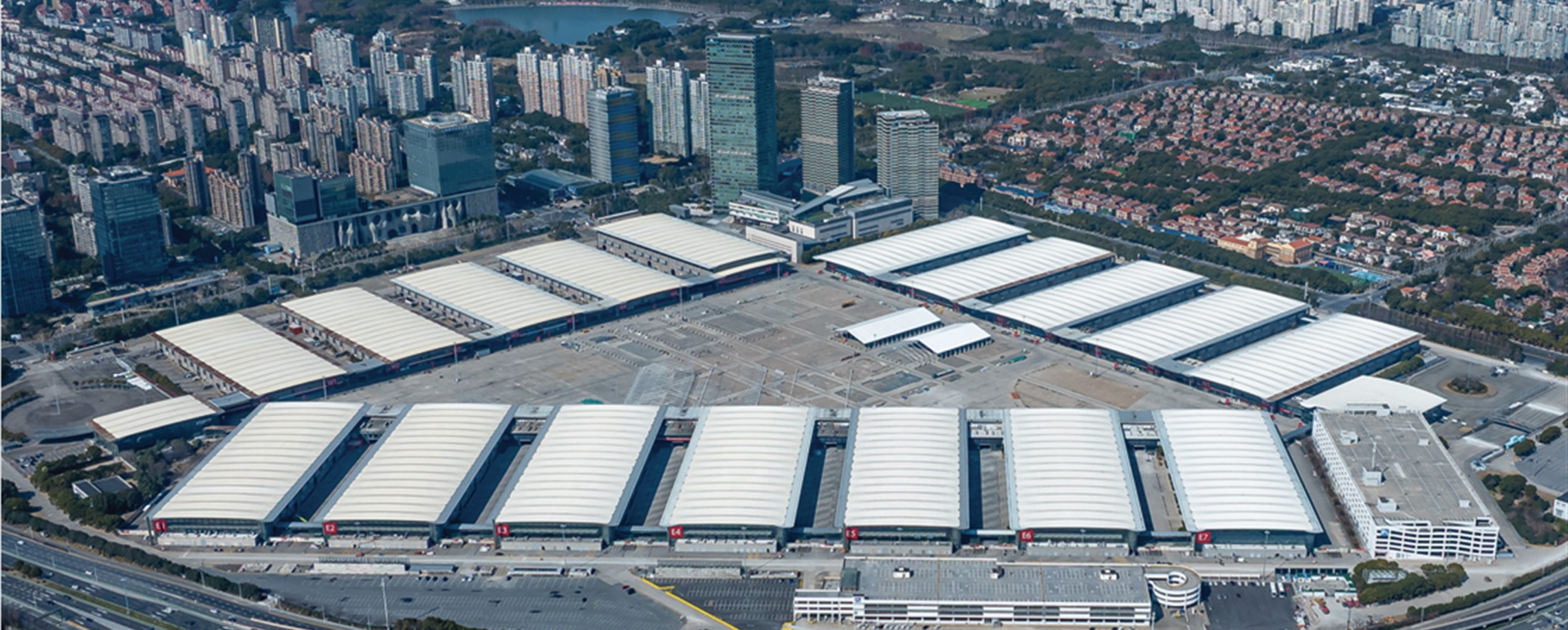
China confirmed on Monday that President Xi Jinping will meet with Russian President Vladimir Putin and US President Donald Trump on Thursday, setting up an unprecedented trilateral meeting on the sidelines of the Asia-Pacific Economic Cooperation (APEC) summit in the southern Chinese city of Shenzhen. The talks have been compared in historical significance with the famous Yalta Conference in 1945, when US President Franklin Roosevelt, UK Prime Minister Winston Churchill and Russia leader Joseph Stalin met to discuss a postwar carve-up of Europe. The agenda of the summit in Shenzhen isn't so weighty, but the three leaders are expected to discuss nuclear arms control and the war in the Middle East. Xi, Putin and Trump have met one another numerous times, but always on a bilateral basis.
Trump and Putin separately said they might meet with Kim Jong Un, leader of the Democratic People's Republic of Korea, if he attends the APEC summit. It's not clear if Kim will attend. DPRK is not among the 21 members of the bloc.
China is hosting the summit of nations bordering the Pacific Ocean for the first time since 2014. The focus of talks will be on regional economic integration, digital innovation, supply chain resilience and global trade. The meeting is also attracting global industry heavyweights, including representatives from 115 Fortune Global 500 companies. Shenzhen is the biggest technology hub in China.
US Tightens Chip Export Ban on China, Nvidia Rules Out Rehiring Huang
The US Commerce Department on Monday tightened export restrictions on AI chip exports to close a loophole that allowed Chinese and other foreign companies to buy chips from locations abroad. The decision comes just days before President Donald Trump is due to meet Chinese President Xi Jinping in China. The rule makes it clear that US chips can't be sold to data centers that provide "significant volumes" of computing to companies based in countries subject to US arms embargoes, such as China, Russia and Iran.
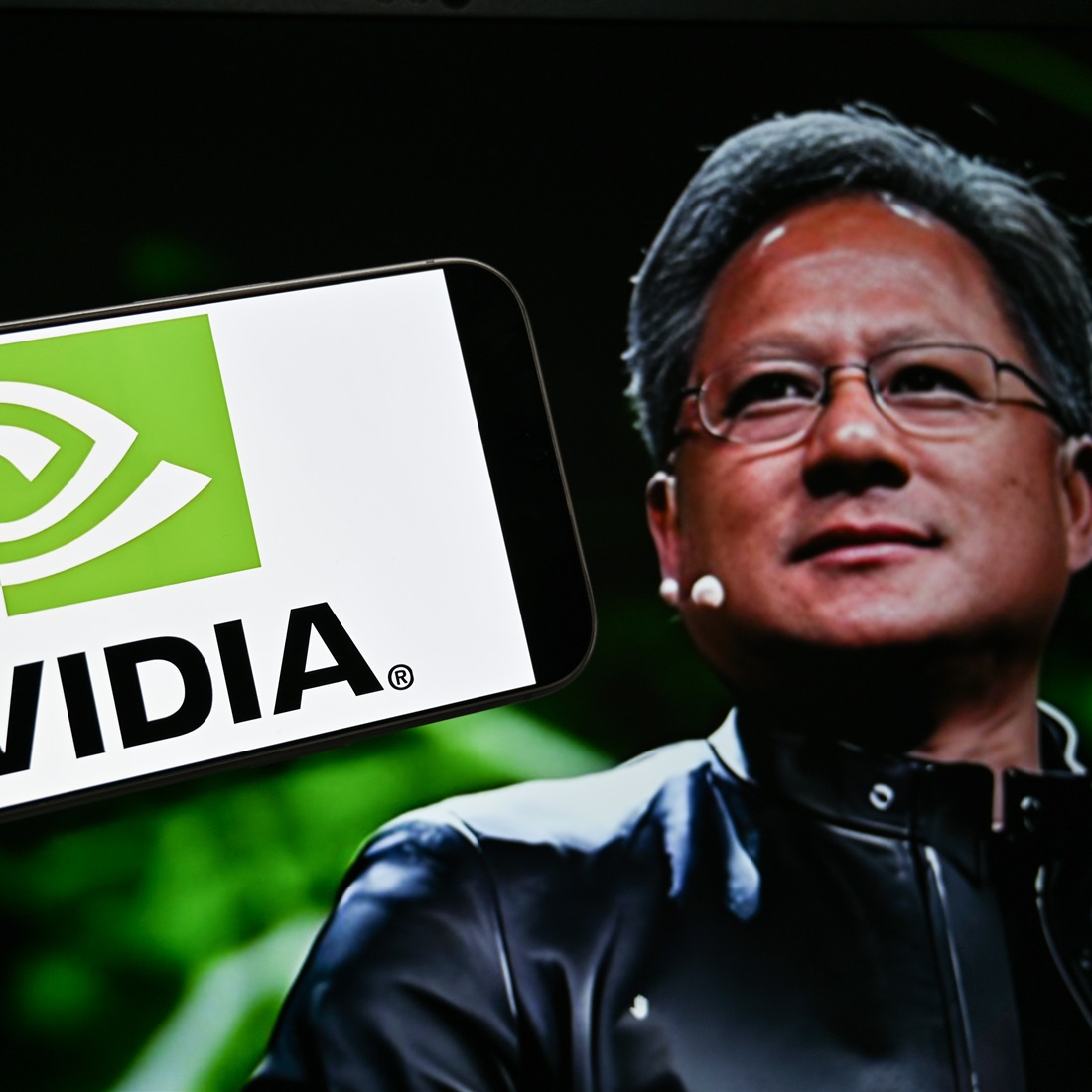
The move is in response to criticism that the department was lax in enforcing chip-export restrictions, in the aftermath of Nvidia chief executive Jensen Huang resigning over an extramarital affair with overtones of foreign espionage and chip diversions. Nvidia shares, which have been declining since the scandal became public, fell 4 percent on Monday, with the Nvidia board announcing Huang will not be considered for reinstatement despite a groundswell of support. An online petition demanding his return has garnered more than 180,000 signatures, with supporters including employees, fund managers, fellow tech mogul Elon Musk and even Trump calling for him to be rehired. Nvidia is due to report third-quarter earnings today. The tech-heavy Nasdaq fell 2.5 percent.
Ukraine Reports Major Russian Ballistic Missile Attack on Kiev
Ukraine reported a major ballistic missile attack on Kiev by Russia, disrupting heating and water systems. Two bridges spanning the Dnipro River were also hit. The assault came as US President Donald Trump was telling reporters in Washington that Russian President Vladimir Putin is "backing off a bit" from his hardline stance on the war in Ukraine.
Top Business
Akeso Shares Plunge After US Rejects Its Novel Lung Cancer Drug
Shares in Hong Kong-listed Chinese drugmaker Akeso plunged 22 percent in Hong Kong on Monday after the US Food and Drug Administration rejected its application for approval of the novel lung-cancer drug ivonescimab, one of the most closely watched innovative drugs emerging from China. The US regulator cited a late-stage trial showing that, while ivonescimab significantly delayed disease progression, it did not demonstrate a statistically significant improvement in overall survival time for patients. "This is also the most disheartening moment for me personally in the company's 14-year history," said Akeso Chairman Xia Yu.
In 2022, Akeso licensed part of the drug's overseas rights to US-based Summit Therapeutics in a deal valued at up to US$5 billion – the largest overseas licensing deal for a Chinese novel drug at the time. The drug gained prominence in 2024 after beating US pharmaceutical giant Merck's Keytruda in a late-stage clinical trial in China. However, Akeso and Summit have faced challenges in showing that ivonescimab works as well for Western patients as it does for the Chinese population. British drug maker AstraZeneca announced in September a US$2 billion equity investment in Summit, pledging to jointly evaluate ivonescimab in combination with AstraZeneca's own cancer drugs.
Baidu Swings to Profit, AI Cloud Growth Cushions Ad Slump
Baidu, the giant Chinese search engine and AI company, turned to third-quarter net profit of 1.4 billion yuan (US$208 million) from an 11.2-billion-yuan loss a year earlier, when it took a large one-time impairment charge. Excluding extraordinary items, however, adjusted net profit in the quarter fell 36 percent to 2.4 billion yuan, while group revenue slipped 1 percent to 30.8 billion yuan. AI cloud infrastructure revenue rose 94 percent to 8.2 billion yuan, cushioning a 22 percent fall in online marketing revenue to 12 billion yuan. Baidu's core AI-powered business accounted for 53 percent of general revenue, excluding separately listed, on-demand video arm iQIYI. Baidu said higher cloud and traffic acquisition costs pushed up the cost of revenue. The group reported 7.3 billion yuan in capital spending.
IQIYI narrowed its third-quarter net loss to 173.3 million yuan from 249 million yuan a year earlier, even as revenue fell 10 percent to 6 billion yuan. Membership revenue, its largest source of sales, fell 6 percent to 4 billion yuan. The company said the decline was mainly due to fewer new releases than a year earlier. Advertising revenue rose 3 percent to 1.3 billion yuan, and content costs fell 13 percent to 3.5 billion yuan.
XPeng Widens Loss, Higher Revenue Offset by Rising Costs
XPeng reported a third-quarter net loss of 870 million yuan (US$130 million), widening from 380 million yuan a year earlier but narrowing from 1.3 billion yuan in the previous three months. Revenue rose 19 percent from a year earlier, driven by a 2.1 percent rise in deliveries to 118,390 vehicles and a higher average selling price resulting from an improved product mix. Gross margin fell to 18.9 percent from 20.1 percent. Earnings were eroded by costs of research and development on new models and AI technologies, higher marketing expenses, and investment losses. Looking ahead, the automaker said it expects fourth-quarter deliveries of up to 174,000, with revenue projected at between 30.4 billion yuan and 31.8 billion yuan. It said it plans to double overseas sales in 2027.
Alibaba Launches Qwen4-Max With New Safeguards, Lower Costs
Alibaba released its flagship AI model Qwen4-Max on Monday, saying it can handle longer tasks at lower cost and includes new safeguards against misuse. The model can process images as well as text and has a context window of one million tokens, allowing it to work with large amounts of material in one session. Alibaba said the model used 35 percent fewer tokens in a high-effort reasoning mode and cut the average cost per task by about 60 percent, compared with Qwen3.8-Max. The model scored 14.7 percent on a secure code generation benchmark, up from 8 percent for its predecessor.
Economy & Markets
China Industry Output, Retail Sales, Fixed-Asset Investment Miss Forecasts
China's industrial production growth in October, on an annual basis, slowed to 4.8 percent from 5.5 percent in September, trailing market forecasts. Retail sales rose a smaller-than-expected 0.4 percent, down from 1.1 percent in September, the National Bureau of Statistics reported. For the first 10 months, investment in fixed assets, including infrastructure and property, shrank 8.1 percent from a year earlier, worse than forecast. Property investment fell 21.6 percent. The urban unemployment rate last month edged down 0.1 percentage point to 5.1 percent. The property market, once a main driver of economic growth, continued to show weakness. Property investment, sales and new construction all fell by double digits in the first 10 months of the year.
The bureau said its monthly survey of home prices across 70 cities showed flat growth in the biggest four cities after a 0.1 percent gain in September. Existing home prices rose 0.2 percent, matching prior month growth. However, prices across both categories in all 70 cities fell 2.4 percent from a year earlier, hitting smaller cities hardest. Shanghai was a standout, with new home prices rising 2.7 percent from a year earlier and existing home prices up 2.2 percent. A downturn in the national property market began five years ago amid developer defaults. National and local governments have introduced a series of measures to increase homebuying.
In its statement, the statistics bureau described the economy as "overall stable" but flagged headwinds that include an uncertain international environment, an imbalance between supply and demand, and operating difficulties at some companies.
US Banks Reportedly Suffer Software Glitch
JPMorgan Chase, the largest US lender, said on Monday it experienced problems processing transactions due to a software bug, adding that the issue may have affected other banks receiving its slowed transactions. User reports of disruptions in online services also indicated problems at Bank of America, US Bank and Wells Fargo. Chase said the problem was not related to cybersecurity.
Separately, United Airlines, a major US carrier, said it resolved a "technology issue" that caused a widespread system outage affecting departing flights for about 30 minutes. The Monday glitches follow a global outage of Microsoft's email service last week and an air-controller problem that grounded thousands of flights in the US over the weekend.
Japanese Economy Surprises Market With Contraction
Japan's economy unexpectedly contracted in the third quarter, shrinking an annualized 0.1 percent from the previous three months, reflecting higher energy and import prices weighing on consumer demand and pressures on export growth from weaker demand abroad. Private consumption dropped 0.3 percent quarter-on-quarter, affected by sticky inflation, rising utility bills and severe weather. Net exports and external demand subtracted 0.6 percentage point from growth.
Chinese Companies Continue Wave of Share Buybacks
Some 20 Chinese mainland listed companies announced buyback plans on Monday totaling a combined 3 billion yuan (US$450 million) as efforts to bolster sagging stock prices continue. The announcements included repurchase plans from Shengtun Mining, Megmeet, Victory Giant Technology, Lianxun Instruments, Han's CNC, Southchip Semiconductor and Zhongbei Communications.
Corporate
JW Therapeutics Shares Slide After 78 Percent Cut in Drug Price
Shares of JW Therapeutics plunged more than 7 percent on Monday in Hong Kong after the Shanghai-based biotech firm slashed the price of its star CAR T-cell therapy by 78 percent to enter China's national medical insurance catalog. The drugmaker said in a filing that its Carteyva injection, a treatment for lymphoma, will carry a national reimbursement payment standard of 288,600 yuan (US$43,264) per dose starting next year, down from 1.3 million yuan. The inclusion makes Carteyva the first and only CAR T-cell therapy covered under the state insurance system, cutting patient out-of-pocket costs to under 100,000 yuan, the company said.
Indebted New World Unveils Rights Issue, Shares Dive
Hong Kong-based New World Development, the most indebted property developer in the city, with extensive investments on the Chinese mainland, unveiled a HK$25 billion (US$3.2 billion), 11-for-1 rights issue as it seeks to cope with repayment obligations. The shares dropped 41 percent to their lowest since listing in 1980. The company said it will offer shareholders 11 shares for every existing share at a price of 90 HK cents, an 81 percent discount to the price when the shares were suspended. The company said it would use part of the proceeds to repay about 10 percent of HK$82 billion in bank loans. New World is aiming to reduce debt to between HK$83 billion and HK$103 billion by the end of 2031. The rights issue, as priced, would ease the company's near-term liquidity risk but not entirely eliminate its longer-term liquidity stress.
Pony.ai, Toyota Robotaxi Begins Trial Operations
A seventh-generation robotaxi jointly developed by China's Pony.ai and Toyota entered trial operations in the southern city of Guangzhou. The self-driving bZ4X robotaxi is billed as capable of handling complex scenarios such as heavy rain, nighttime conditions and traffic congestion. The mass-production version rolled off the assembly line at GAC Toyota's production line in February.
H World Raises Revenue Outlook as Hotel Expansion Lifts Profit
Shanghai-based hotel operator H World Group said third-quarter net profit rose 23 percent from a year earlier to 1.8 billion yuan (US$269 million). Revenue rose 11 percent to 7.8 billion yuan, led by a 26 percent increase in revenue from managed and franchised hotels. H World opened 664 hotels in China during the quarter, 660 of them under management or franchise agreements. Expansion helped lift results even as per-room revenue from established hotels fell. The group raised its 2026 revenue growth forecast by up to 10 percent.
Editor: Lu Feiran
In Case You Missed It...
 Nov 14, 2026