Top News
Chinese President Calls for End to Trade Barriers at Asia-Pacific Summit
Chinese President Xi Jinping called for the elimination of trade and investment barriers in a keynote address to the Asia Pacific Economic Cooperation (APEC) summit being held in Shenzhen, China's technology hub. Xi also urged greater global collaboration in the development and sharing of artificial intelligence. He defended the importance of the World Trade Organization and said China is expanding its imports, fending off criticism of China's large trade surplus. "We should not only eliminate trade and investment barriers ... but also promote inclusive and balanced development," he said. "We should actively build partnerships for scientific and technological innovation, deepen cooperation in the digital economy and artificial intelligence, and promote a green and low-carbon transition."
Russian President Vladimir Putin told the summit that the US dollar's share of Russian trade has fallen sharply and Europe is struggling as it weans itself off cheap Russian energy. He said the EU is falling behind in industrial capacity and competition, and noted that Russia is a leader in digital transformation. He emphasized Russia's economic resilience despite US sanctions, and played up opportunities for APEC members in his country, from technology to economic development.
What has become the centerpiece of the summit is the unprecedented trilateral meeting today of Xi, Putin and US President Donald Trump. The talks among the world's three biggest nuclear powers are expected to include nuclear arms reduction, the war in Ukraine and other geopolitical issues.
Xi hosted a banquet for APEC dignitaries. The bloc was founded in 1989, under a concept first proposed by Australia, in recognition of the growing economic power of nations bordering the Pacific Ocean. Its 21 member nations seek to forge closer trade, business and investment ties. This is the first time China has hosted a summit since 2014.
Anthropic Lifts Price of IPO Ahead of Trading Debut
Anthropic announced it is raising its IPO pricing to US$83 per share ahead of its trading debut later today, setting the stage for the world's largest listing. The company upsized the offering from 980 million shares from 825 million and increased the price from an original range of US$70-US$78 a share, after the offering was oversubscribed more than six times. The changes bring the amount raised to US$81.3 billion, valuing the company at US$1.5 trillion. The company also raised US$26 billion in a separate private share placement with seven major technology companies. SpaceX's record June IPO raised US$75 billion initially.
Anthropic shot to global dominance with the development of the Claude family of AI models, and it primarily sells its products and services to other businesses. The company reported third-quarter revenue of US$17 billion. Strong investor interest has dispelled fears that recent selloffs in technology shares, concerns about overpricing of AI companies and the turmoil attached to the resignation of Nvidia's scandal-plagued chief executive might take the shine off Anthropic's highly anticipated market entry.
Nvidia Stops Shipment of AI Chips to China
Nvidia interim Chief Executive Colette Kress, who replaced the scandal-plagued Jensen Huang last week, said the company has stopped shipping powerful H200 AI chips to China, raising doubts about the future of a special licensing agreement negotiated by Washington and Beijing. In Nvidia's third quarter ended October 25, Nvidia sold US$2.4 billion worth of Hopper series chips to China, which include the H200, a powerful processor used to train and run advanced AI models. Kress didn't explain the reasons behind the decision or whether it will be permanent.
Democrats Flip Alaska in Final US Senate Race to Be Decided
In the remaining election to be decided for US Senate seats, Alaska Democrat Mary Peltola defeated incumbent Republican Dan Sullivan, giving Democrats 56 of 100 seats in the upper chamber of Congress. Ballot counting is traditionally slow in Alaska because of the state's preferential voting system. The victory by Peltola, a Native American, crowned a Democratic sweep of both the Senate and House of Representatives. Opposition to President Trump's policies – and sometimes behavior – was a key factor in the Republican drubbing.
Top Business
Tencent Revenue Misses Forecasts, Shares Drop
Chinese multinational conglomerate Tencent Holdings, which is involved in AI platforms, cloud services, social media, video games and financial technology, reported third-quarter profit edged up 0.8 percent from a year earlier to 63.6 billion yuan (US$9.5 billion). Revenue rose 8 percent to 207.3 billion yuan, surpassing 200 billion yuan for the first time in any quarter but slowing from 11 percent growth in the second quarter. Revenue fell short of market expectations amid signs that momentum in its gaming business is cooling. Domestic gaming revenue increased 11 percent, but overseas sales slid 9 percent. However, its financial technology and business services came in strong with 9 percent growth to 63.7 billion yuan as cloud services revenue surged 35 percent.
Tencent surpassed market expectations on capital expenditure, reporting 81.4 billion yuan in the third quarter – compared with 52.8 billion yuan in the prior three months and 79 billion yuan spent in all of 2025. Free cash flow came in at a negative 69 billion yuan.
Tencent said its WorkBuddy workspace has become the most-used AI application in China, with more than 10 million daily users consuming over 100 trillion tokens a day. In a post-earnings call, company President Martin Lau said tighter US restrictions on exports of advanced chips to third parties that supply computing power to Chinese companies may slow development of Tencent's next model but won't substantially hurt its cloud revenue stream. Tencent shares fell 3.2 percent in New York.
ZTO Express Posts Higher Profit as Parcel Volume Rises
China parcel delivery giant ZTO Express said third-quarter net income rose 1.4 percent from a year earlier to 2.6 billion yuan (US$384 million) on a 21 percent increase in revenue to 14.4 billion yuan. The company, listed in both Hong Kong and the US, said parcel volume in the quarter rose 7 percent to 9.5 billion packages, with per-parcel revenue jumping 14 percent. The company said it has 92 sorting hubs and 31,000 pickup and delivery stations. Revenue for the first nine months of the year rose 22 percent to 42.2 billion yuan, and profit attributable to shareholders gained 18.5 percent to 7.7 billion yuan. Lai Meisong, company founder and chief executive, credited ZTO's success to the company principle of providing high quality service at the lowest possible cost. The company has benefited from surging online sales of goods needing shipment and government intervention to end a domestic industry price war.
Pfizer Signs Deal Valued at up to US$2.6 billion with China's Starna
US pharma giant Pfizer said it struck an exclusive licensing agreement with China's Starna Therapeutics to develop three CAR T-cell therapies for autoimmune diseases in a deal worth up to US$2.6 billion. Pfizer will pay Starna US$330 million upfront and could pay up to US$2.3 billion more if the treatments meet development, regulatory and sales milestones. The therapies have not yet entered human trials. The agreement gives Pfizer rights to develop and commercialize three early-stage autoimmune disease programs outside of Greater China, with initial clinical trial supplies to be manufactured at its US facilities. The deal follows Pfizer's US$10.5 billion drug agreement with Innovent Biologics in May.
Economy & Markets
Soochow Securities Takeover of Donghai Clears One Regulatory Hurdle
Soochow Securities said its acquisition of an 83.7 percent stake in Donghai Securities for about 11.5 billion yuan (US$1.7 billion) has been approved by the Shanghai Stock Exchange's merger and acquisition committee and awaits approval from the China Securities Regulatory Commission. Under the restructuring plan, Soochow Securities will buy the stake from 60 counterparties, including Changzhou Investment Group in a cash and share deal. Once completed, it will boost Soochow Securities assets 31 percent to 314 billion yuan. China has been encouraging consolidation in the once fragmented securities industry to bolster trading efficiency in capital markets.
Huawei Cries Foul Play in US Criminal Court Case
China tech giant Huawei, at a court hearing in the US, said American prosecutors put a "sinister spin" on the company's business activities and have failed to prove the criminal charges against it. "They began with guilt and worked backwards," Huawei defense lawyer Brian Heberlig told jurors in his closing argument. "When the evidence didn't fit its theory, it moved the goal posts." The case involves allegations that Huawei schemed to defraud
HSBC and other banks about its business affairs related to Iran, and conspired to steal trade secrets from five US tech companies. Prosecutors in their summing-up arguments said, "For 20 years, Huawei committed a pattern of crimes targeted at American companies, the American financial system and the American government. It is time to finally hold Huawei accountable."
Australia Iron Ore Giants to Discuss Contract Negotiations With China Officials
BHP and Rio Tinto, Australia's two largest producers of iron ore, said they will meet with Chinese officials on Friday to discuss fraught price negotiations with China Mineral Resources Group, China's centralized buyer of the ore used in steelmaking. Mineral Resources has banned domestic steelmakers from buying specific products from BHP, Rio and also mining company Fortescue. Iron ore is Australia's biggest single export, and China is its biggest market.
Corporate
Pony.ai Narrows Loss, Robotaxi Revenue Jumps 165 Percent
US-listed Chinese robotaxi developer Pony.ai narrowed its third-quarter net loss 14 percent from a year earlier to US$48.9 million, with revenue surging 75 percent to US$45 million and operating expenses rising 3 percent. The company said it is expanding its fleet of self-driving taxis and delivery trucks both domestically and overseas. Robotaxi revenue surged 165 percent to US$17.8 million, accounting for 40 percent of revenue, and robotruck revenue increased 763 percent to 120 million yuan (US$18 million). Pony.ai expanded driverless vehicle deployments in major Chinese cities, including Guangzhou, Hangzhou, Chongqing and Hengqin. Overseas expansion includes London and Manchester in the UK. In September, the company began Europe's first fully driverless robotaxi passenger testing program in Croatia. Its robotaxi fleet reached 2,768 vehicles as of September 30. Chief Executive James Peng said the company remains on track to meet its full-year targets of increasing robotaxi revenue 3.5 times above 2025, achieving a fleet of 3,500 vehicles and operating in 20 cities worldwide.
Nvidia's RTX Spark Desktops Hit China Market
Compact desktops powered by Nvidia's new RTX Spark chip officially went on sale in China, led by major brands including Asus, Mechrevo and MSI, with compact PCs from Acer, Dell, Gigabyte and HP set to follow soon. Nvidia called it "one PC for creators, gamers and agents" as it packs Nvidia's RTX graphics and full-stack AI platform into compact, box-sized Windows desktops. Out of the box, the platform is optimized to run localized AI agents – including Tencent's WorkBuddy and Alibaba's Qwen – directly on the device. By processing AI workloads locally rather than relying solely on the cloud, the RTX Spark chip protects user data and privacy while significantly cutting down on recurring cloud token costs.
CSPC Profit Doubles on AstraZeneca Licensing Deal
CSPC Pharmaceutical, a leading Chinese biotech company, said profit in the first three quarters of 2026 doubled to 7.1 billion yuan (US$1.1 billion) on a 27 percent rise in revenue to 25.3 billion yuan from a year earlier. It credited the gains to its peptide drug licensing agreement with UK-based AstraZeneca, valued at up to 6.3 billion yuan. By contrast, traditional businesses showed a mixed performance. Revenue from bulk pharmaceutical products fell 22 percent and revenue from sales of Vitamin C products was down 19 percent, both reflecting lower prices amid steep competition. The company said it spent 4.6 billion yuan on research and development. CSPC said seven new products have approved for marketing in the Chinese market this year, with 10 applications pending.
Sun Art Retail Posts Wider Loss
Sun Art Retail, which operates more than 400 hypermarkets and other supermarkets across the Chinese mainland, said its loss in its fiscal first half ended September 30 widened to 517 million yuan (US$78 million) from 127 million yuan a year earlier, as customer traffic diverted from traditional hypermarkets and store adjustments continue to weigh on profits. The company, whose core brand is RT-Mart, reported revenue fell 10 percent to 2.7 billion yuan. Gross margin edged down 0.2 percentage point to 25 percent. The company said it continued to expand national procurement of fresh produce and private-label sales grew 82 percent.
SenseTime Says Nine-Month Gross Profit Rose 45 Percent
SenseTime, a Chinese AI model and infrastructure firm, reported revenue in the first nine months of the year rose 30 percent to 3.8 billion yuan (US$570 million) with gross profit up 45 percent to 1.7 billion yuan. Generative AI remained the core growth driver, more than doubling in the third quarter from a year earlier. Gross margin in the nine months expanded 4.3 percentage points to 43.4 percent. The company, which reported first-half net profit of 620 million yuan, didn't break out third-quarter figures.
Huawei Is Driving AI to Innovate Retail Industry
At its recent retail industry summit in Shanghai, tech giant Huawei laid out a blueprint for data-driven, omni-channel retail powered by deep AI integration. Addressing persistent industry bottlenecks like data fragmentation and standardized store management, Huawei is officially externalizing its digital transformation expertise honed across its over 70,000 global i stores. The China Chain Store and Franchise Association is partnering with Huawei on cutting-edge explorations like embodied AI inventory replenishment, advising retailers to solidify their data foundations and upscale AI investments.
Lai Sun Seeks to Spin Off Shanghai Plaza Into Real Investment Trust
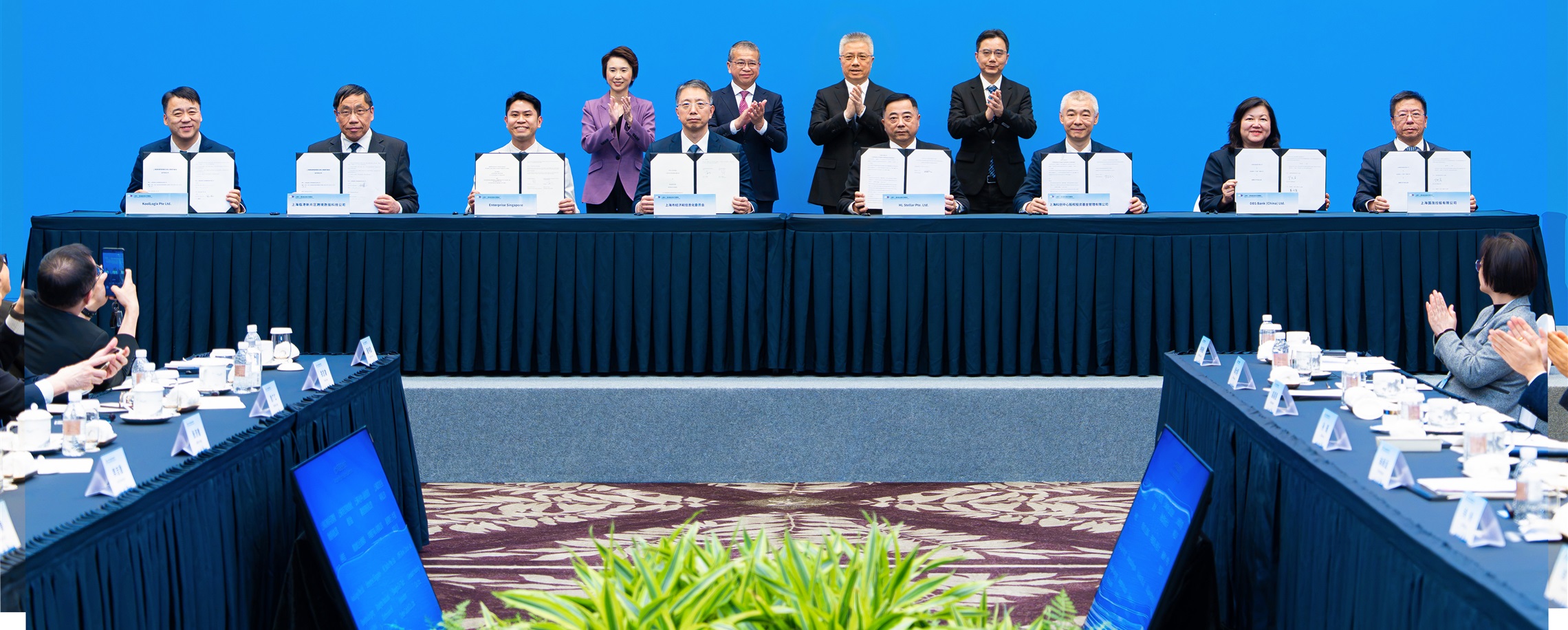
Hong Kong developer Lai Sun Development, its parent and a subsidiary propose to spin off part of Hong Kong Plaza in Shanghai as a real estate investment trust as the companies scramble to raise funds for a looming loan repayment, the South China Morning Post reported. The companies said the listing of the assets would raise "meaningful proceeds" that could be used to pay off a syndicated offshore HK$2.5 billion (US$315 million) loan due next March. Failure to repay the loan could mean Lai Sun's subsidiary Lai Fung would be required to sell the property, located on Huaihai Middle Road in Shanghai, at a "significant discount" in the current environment.
Editor: Lu Feiran
In Case You Missed It...
 Nov 23, 2026

Popular Reads
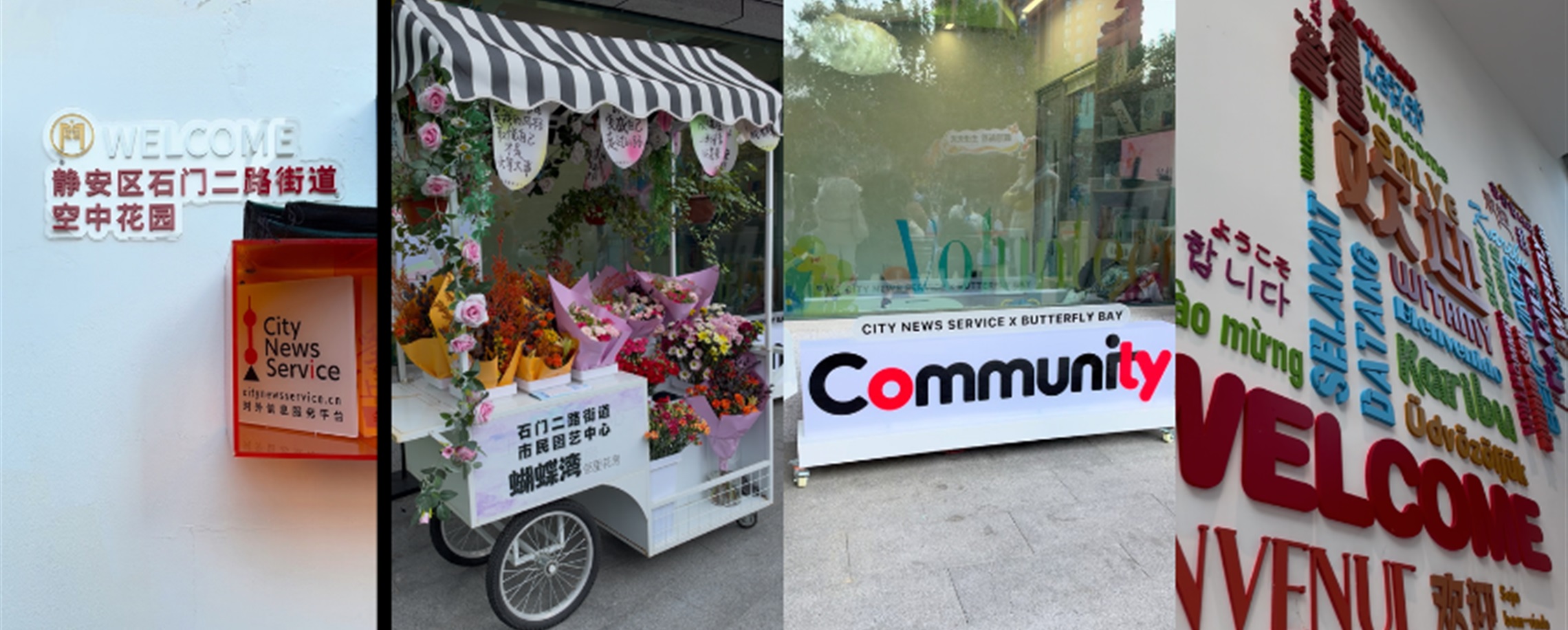
[Quick News] New CNS Community Hub Opens at Butterfly Bay in Downtown Shanghai
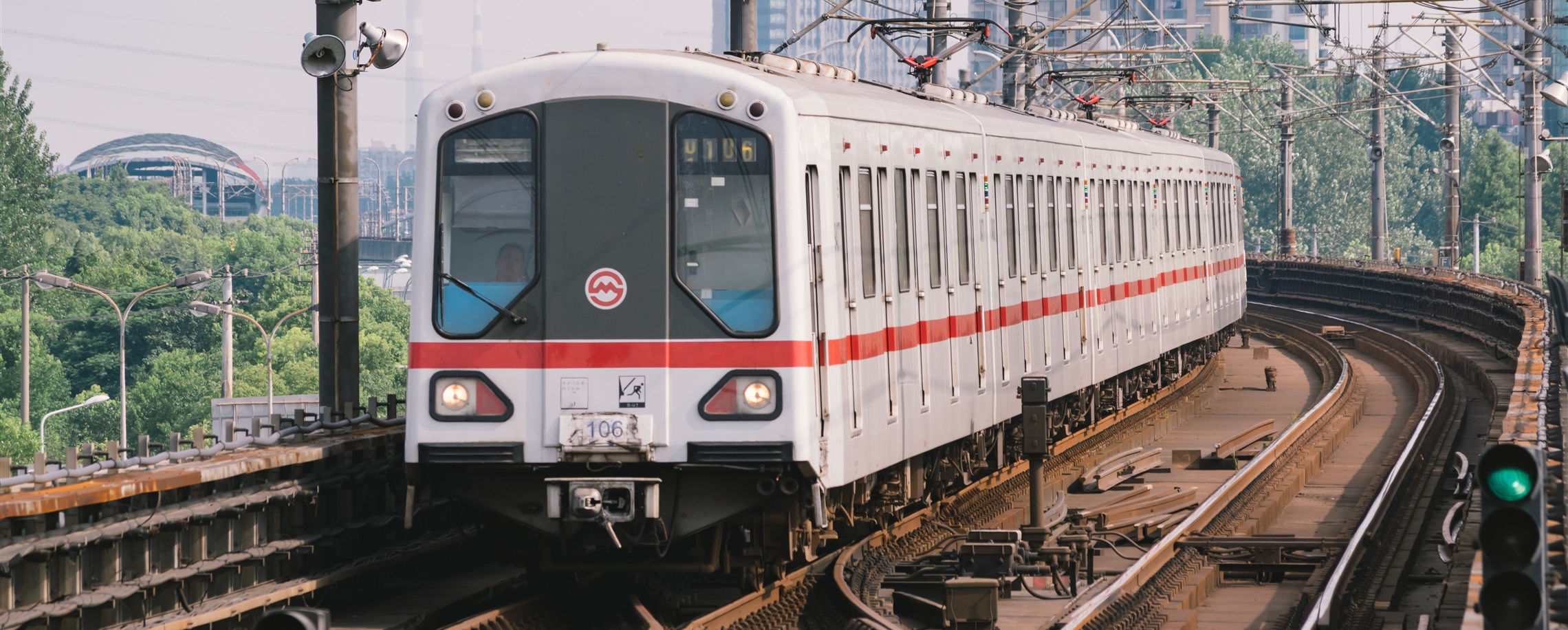
[Shanghai Transit] Shanghai Revises Metro Fares, Shortens Base-fare Distance to 4km

Global Tech Selloff Snares Chinese Stocks Amid Doubts About the AI Boom