[China's Next Order] In China, A Foreign Logo Gets You Noticed. Performance Gets You Chosen Again
Editor's note:
This series, "China's Next Order," focuses on Chinese buyers and what they need. Reporting from the ground in Shanghai, including the China International Import Expo, reporters and expert columnists follow purchasing decisions. From households to manufacturers selling abroad, we try to understand where foreign businesses win orders, what keeps them competitive and what puts that business at risk.
During the first nine months of 2026, L'Oréal says its China business grew almost three times faster than the domestic beauty market as a whole. Over the same period, Porsche delivered 21,493 cars in China, down 33 percent from a year earlier. Both figures point to a new test for foreign brands: Chinese buyers have strong domestic choices and an international name must give them a reason to pay more.
An international brand may get a product onto the shortlist, but purchases happen alongside real alternatives. A family might choose a Chinese electric vehicle for daily travel and keep paying more for an imported skincare product they trust. The choices reflect two different needs, judged against two different sets of options.
In beauty, local competition has become substantial. McKinsey found that six of the top 10 beauty brands with the biggest market-share gains in China since 2020 are Chinese. Their rise gives shoppers more options across pricing points. A premium cream has to earn its price by addressing a particular skin concern, by generating positive user feeling toward the product or by delivering results a customer comes to depend on.
L'Oréal has made local knowledge part of its product development. Its Shanghai research center studies Chinese skin and hair biology and, according to the company, creates more than 300 formulas for the market each year. Local consumer needs shape the formulations and give shoppers a difference they can experience.

Car buyers face a wider set of choices. The International Energy Agency says the average price of a battery-electric car in China fell by more than 10 percent in 2025. Buyers now weigh range, charging ease, cabin comfort, software and after-sales servicing, alongside handling and design.
Porsche says it now is prioritizing brand value over sales volume in China. That choice puts more weight on the ownership experience. The premium has to travel beyond the showroom.
Shoppers judge value against alternatives. A car that once felt advanced can feel a bit outdated when another comes along, offering a smoother interface or more room for the same money. A rival's new product can change the accepted definition of quality. As digital convenience and family space needs grow, a foreign carmaker has to show how its strengths fit the buyer's latest priorities.
A foreign brand earns a premium when its differentiation is clear and dependable. A skincare customer pays more for a formula that addresses a concern and performs consistently. A car buyer pays for driving pleasure, craftsmanship and a service network to back up selection choice. Both camps of consumers also buy in the confidence that a brand will keep its advertised promises after the sale.
Country of origin is one cue when a buyer has little else to go on. Some countries export brands with long track records of quality and reliability. As Chinese rivals follow suit, pressure mounts on foreign brands to protect their turf by keeping abreast of the market.
Price carries emotional meaning. A fragrance given for an anniversary says something beyond its ingredients; a car may be chosen for the sheer pleasure of driving it. History and design make an international brand distinctive when the story belongs to the product itself, but Chinese competitors are now building their own stories and symbolism. The battle for meaning is as real as the contest over specifications.
In everyday goods, the 2026 China Shopper Report from Worldpanel and Bain describes people managing routine expenses while trading up for benefits they can recognize. Shoppers who economizes on staples may be pay more for a product that matters to them. Price sensitivity changes with the purchase. A discount helps when price inhibits sale.
To learn what buyers value, I would put competing products side by side at real prices and follow what happens after the sale. Initial choice shows what attracts attention; repeat purchases show what survives use. Consumers can find surprises and frustrations after living with a product. Those reactions should shape the next formula, feature or service decision.
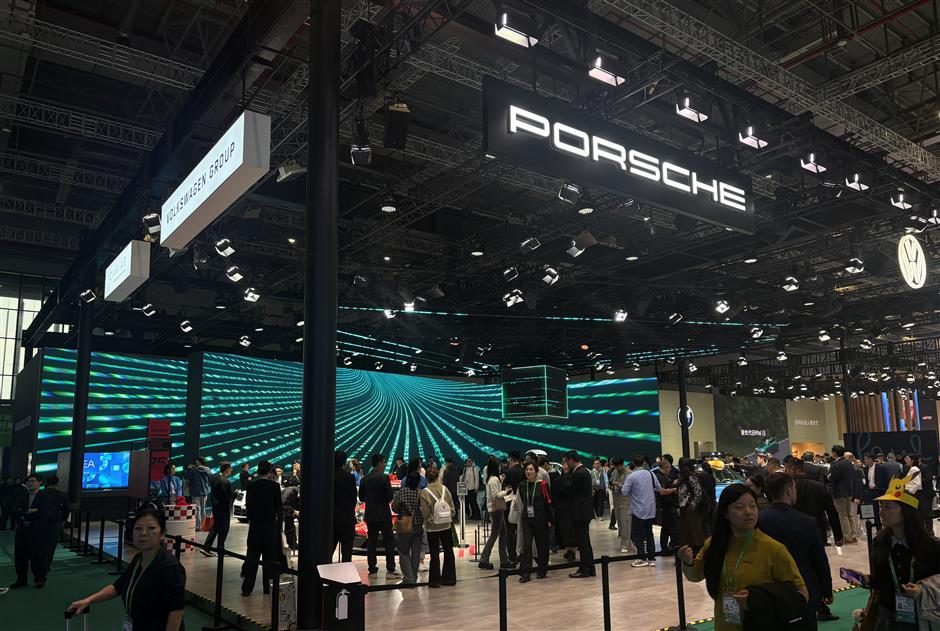
Trade tensions are driving a rethink of where multinationals produce and sell. Additional factories can protect exports from disruption, and more diversified revenue reduces reliance on one market. In China, customer research, product decisions and after-sales service need the speed to match local competition. A company can build a broader global footprint while keeping the capabilities that matter to Chinese buyers close to them.
A car sold today creates years of obligations: software updates, spare parts and repairs. A beauty customer returns when quality stays consistent and the product remains available. China teams need authority to fix shortcomings quickly. A supply chain that is safer for headquarters should also leave customers confident that the brand will be there when needed.
Local partnerships can close a capability gap. Volkswagen developed its ID.Unyx 09 electric fastback coupe, which debuted recently, with Chinese carmarker Xpeng in 24 months, bringing local engineering into a product tailored for Chinese drivers.
A global company can set the standards for quality and brand identity while giving local teams on the ground room to develop the features people use every day. Production for export may move elsewhere; understanding Chinese customers must stay close.
Stronger Chinese brands have raised the standard for everyone. An international reputation can earn a first look; product performance earns a repeat purchase. Foreign companies will keep winning if they turn global strengths into benefits people can feel in China, and when their global risk plans protect that ability. A premium is earned each time a customer chooses the brand again.
(The author is an associate professor of marketing at Fudan University's School of Management.)
Editor: Liu Qi
In Case You Missed It...
 Nov 8, 2026