Wanted: Chinese Cuisine Chefs. The Tastes of China Go Global in More Premium Markets
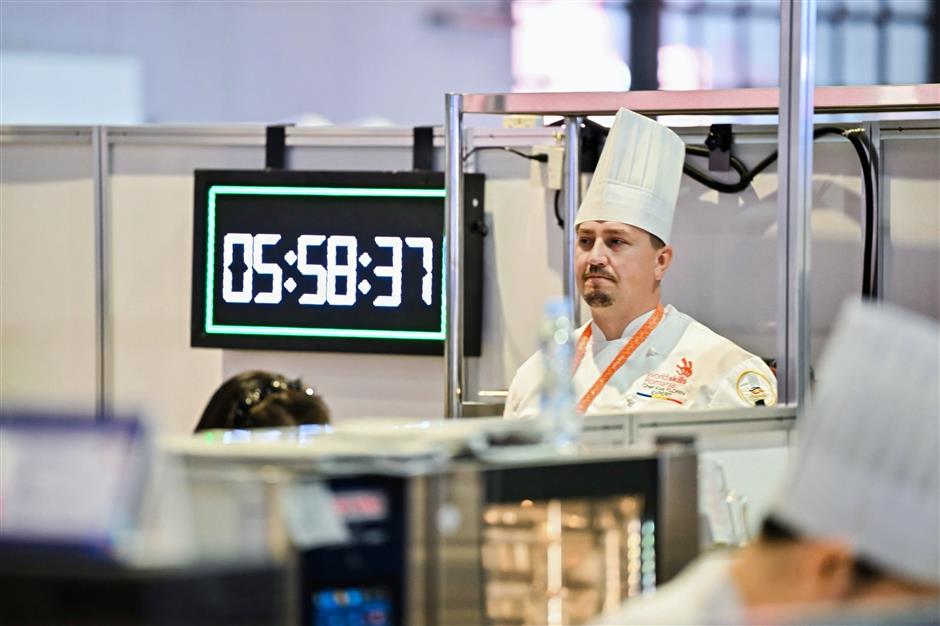
At the 2024 WorldSkills competition in the French city of Lyon, Kang Bangcheng won the gold medal in the cookery competition, a first for a Chinese chef. The achievement was particularly notable because the competition encompassed only Western cuisines.
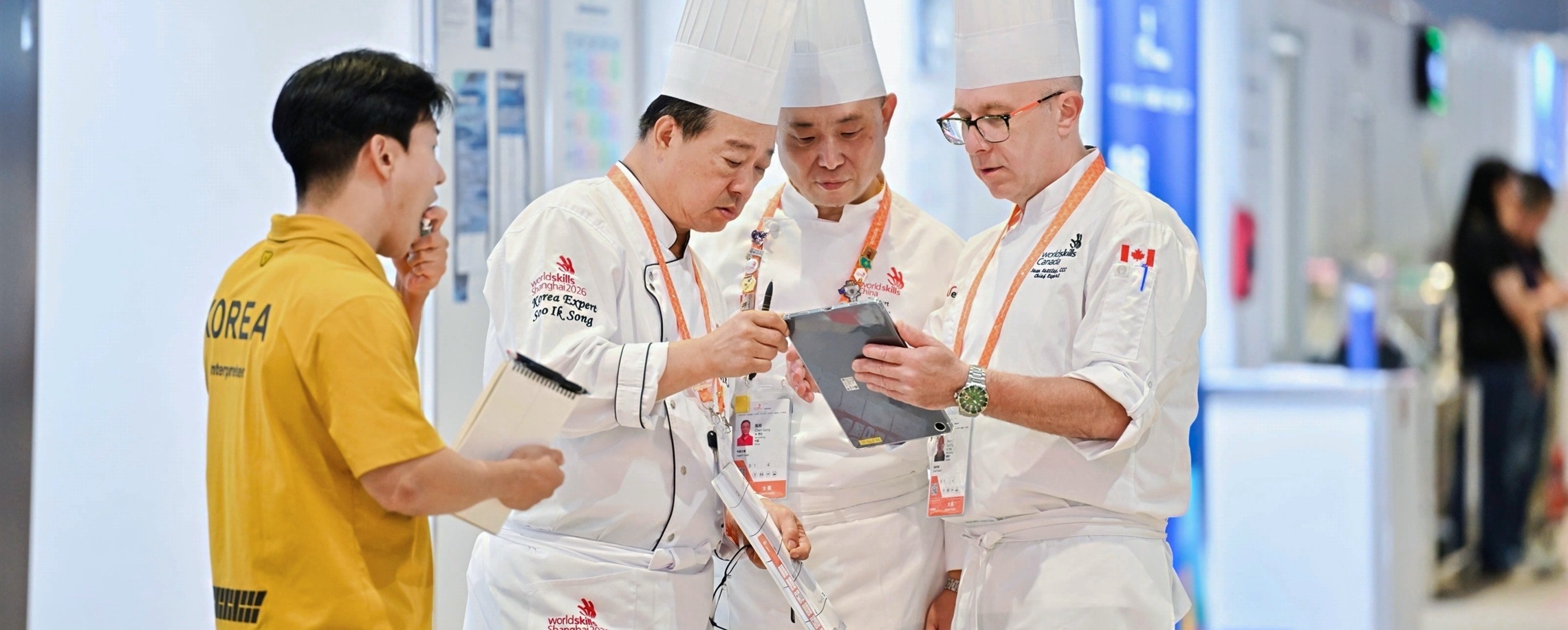
But that trend is changing, with a Chinese cuisine subcategory added in this year's ongoing 2026 event in Shanghai. The addition comes as Chinese cuisine expands overseas, shedding its dependence on Chinatowns and moving into premium locations that introduce diners to more authentic versions of classic Chinese dishes not overly tainted by "Westernization." The proliferation is creating a demand for young wannabe chefs to learn the skills.
Mastering Chinese culinary skills is not easy. It requires intuition perhaps even more than measuring ingredients and controlling cooking temperatures and times, according to the book of "Shark's Fin and Sichuan Pepper," by English author Fuchsia Dunlop.
Chinese restaurants have proliferated across the world, introducing diners to dishes prepared by stir-fry, deep-fry, pan-fry, braising, stewing, streaming, smoking, sautéing and marinating. Many Western palates are still unable to differentiate among distinctive Chinese regional cuisines like Shandong, Sichuan, Cantonese, Jiangsu, Zhejiang, Fujian, Hunan, and Anhui, but there is a learning process underway.
One example is Chef Fei, a popular Chinese restaurant chain famous for its Hunan-style chili dishes. Chef Fei, known as the "king of stir fry" on the Chinese mainland, runs more than 200 restaurants in China and opened its first overseas outlet in San Diego, California, on September 1. The chain is named after founding chef Fei Lianghui, and the San Diego outlet has been so successful that it takes three weeks to get a booking and long lines form for available walk-in seating.
To adapt to local tastes while retaining its core characteristics, the American outlet launched a premium stir-fry beef with peppers specialty using American Wagyu beef and organic broccoli. Priced at US$32.79, the signature dish falls within the price range of mainstream casual fine dining in the US, marking a shift from the long-held stereotype of budget-friendly Chinese takeouts.
Chef Fei represents a pivotal shift in the globalization of Chinese catering. For decades, overseas Chinese eateries were dominated by family-run Chinatown shops and casual snack stalls. Today, Chinese cuisine is moving into a more premium market, with leading Chinese restaurant chains accelerated their global footprint.
According to recent media reports, China's Green Tea Restaurant Group was operating 22 overseas outlets in the first half of the year, targeting that figure to rise to 30 by year's end, with over 400 million yuan (US$60 million) in annual overseas revenue for 2026. Tai Er, a popular fish chain, opened 35 overseas stores in the first six months, covering Southeast Asia and North America. NongGengji Hunan cuisine launched nearly 30 overseas outlets across Southeast Asia, North America and South Korea. In April, Home Original Chicken opened its first overseas store in Kuala Lumpur and established a joint venture with Singapore-based catering group Treasure Restaurant to enter the city state's market.
The moves overseas go beyond traditional Chinatown locations. They are seeking core commercial spaces in prime business districts to upgrade brand image and raise profit prospects.
The customer base of overseas Chinese restaurants is also undergoing a fundamental transformation. Yang Guofu, founder of hotpot chain Yang Guofu Malatang, said that foreign diners now account for more than half of customers at its European outlets. Each restaurant can earn more than 130,000 euros (US$150,127) a month, with top-performing outlets exceeding 200,000 euros.
San Diego local influencer Jenn Morales shared her dining experience at Chef Fei on Instagram, praising signature dishes including the Wagyu chili stir-fried beef, crispy walnut prawns, orange-peel pineapple chicken and steamed egg custard, as well as the store's signature lemon tea.
Chef Fei competes for top local talent by offering an annual salary of US$130,000 for store managers, US$130,000 for head chefs and an hourly wage of US$25-US$40 for cooks.
"When entering a new overseas market, we first deploy core management teams from China to unify operational standards, then gradually cultivate local store managers, chefs and service teams," said Shang Wei, chief financial officer of Green Tea Restaurant Group. "Only by building self-sufficient local teams can brands achieve scalable and sustainable global replication."
Editor: Yao Minji
In Case You Missed It...

 Sep 25, 2026