Beyond Foldables: Chinese Tech Firms Upgrade Chips and Systems Ahead of Apple Launch
Chinese tech giants Huawei, Xiaomi, and Vivo launched new hardware and strategic roadmaps on Monday ahead of Apple's iPhone's much-anticipated product event.
Though tri-fold screens and ultra-slim foldables garnered attention, self-developed silicon, operating systems, and deep AI integration are the real competitive threats.
Huawei Leverages In-House Silicon and HarmonyOS
Huawei introduced its next-generation tri-fold Mate XT 2 for 19,999 yuan (US$2,980).
Huawei's Kirin 9050 Pro is its biggest Kirin performance upgrade in six years. The processor uses a proprietary "logic folding" architecture (Tao's Principle) to integrate a Maleoon GPU for hardware-accelerated ray tracing, bringing PC-grade graphics to mobile devices while improving energy efficiency by 40 to 60 percent.
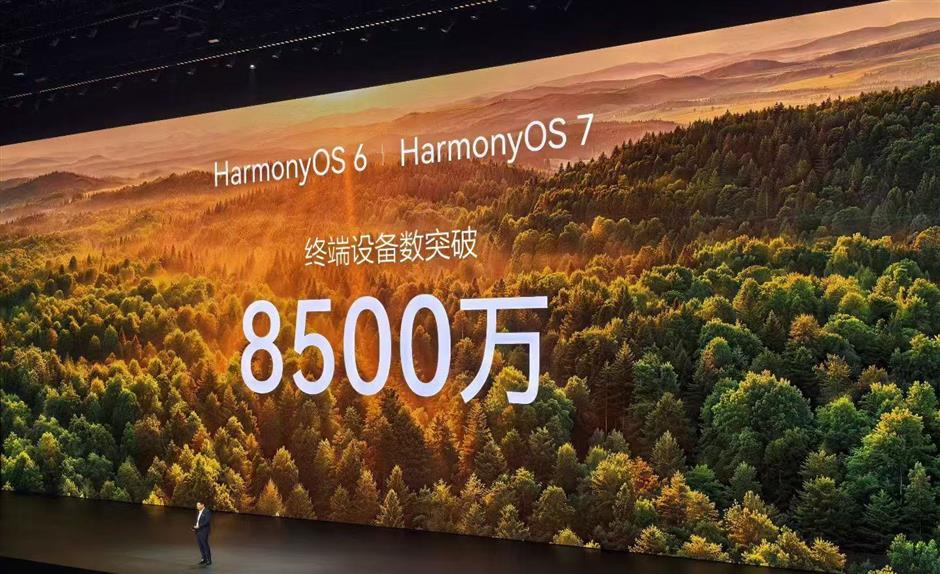
Huawei improved HarmonyOS 7's interface, AI, security, and multi-device connectivity along with the hardware. Over 85 million HarmonyOS 6 and 7 devices are active, indicating the ecosystem's maturity.
Xiaomi Unifies Chip, AI and OS Architecture
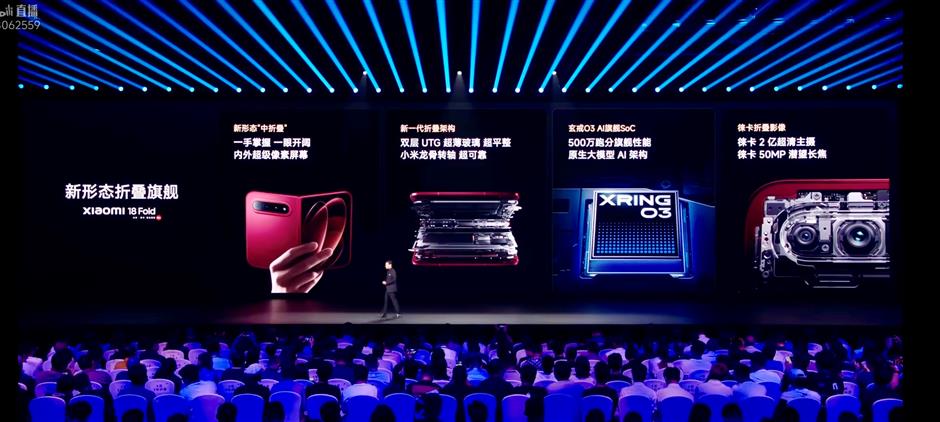
Xiaomi launched the slim Xiaomi 18 Fold at 10,999 yuan. Xiaomi's first self-developed XRing O3 processor powers the device, which integrates HyperOS 4 and the MiMo on-device large language model for the first time.
Select premium configurations include ChangXin Memory Technologies (CXMT) LPDDR6 memory, accelerating the large-scale use of domestic core components.
The XRing O3 is in mass production, and two more processor designs will launch next year, according to Xiaomi Chairman Lei Jun.
Xiaomi has 21 billion yuan of a 50 billion yuan 10-year chip budget to develop mobile SoCs, AI acceleration, and autonomous driving silicon, according to Lei.
"Xiaomi is still a latecomer in the chip sector," Lei noted. "As long as we start catching up, we are on the path to winning."
Vivo Focuses on Custom Imaging
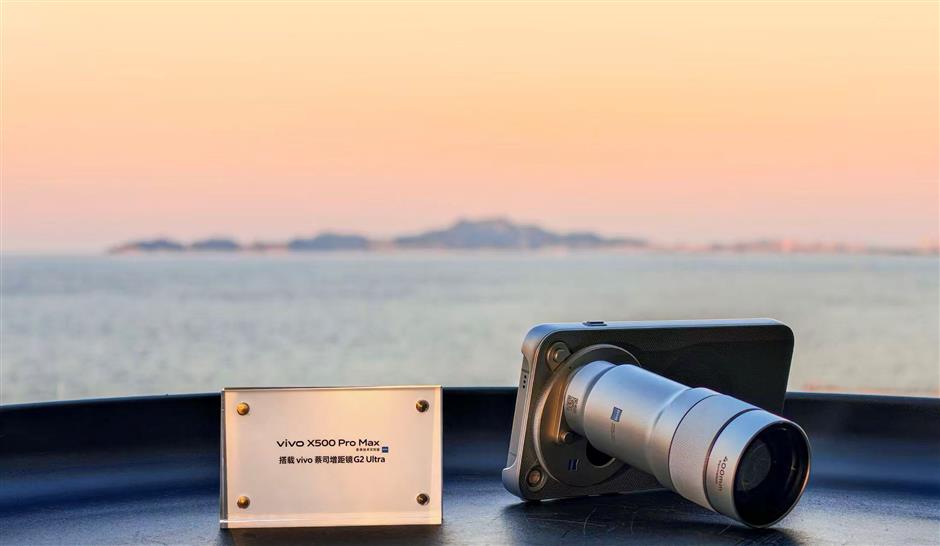
Vivo revealed its upgraded BlueImage strategy, including the V3+ imaging chip and a new low-light, telephoto, and action sensor.
The flagship Vivo X500 series, set to launch on September 21, will incorporate these technologies and a revamped AI photography pipeline.
Vivo techs help users identify shooting scenes, precisely recommend features and color styles, offer real-time composition suggestions, and execute complex photo-editing commands via natural language with the new AI photography assistant.
Market Context
The product offensive shows China's changing landscape.
In Q2 2026, Counterpoint Research ranked Huawei first in Chinese market share at 23 percent, followed by Apple (18 percent), Vivo (16 percent), OPPO (15 percent), and Xiaomi (12 percent).
At its "Surprise and Shine" event on Wednesday, Apple is expected to unveil the iPhone 18 line and its first foldable flagship.
Editor: Yao Minji
In Case You Missed It...

 Oct 23, 2026


![[Weather] Typhoon Champi Closes Shanghai Attractions, Disrupts Weekend Events](https://obj.shine.cn/files/2026/10/23/f76ff132-9477-4587-8eed-3b9812ed7f4f_0.jpg)