Putuo Builds on Four Decades of Trade to Become Shanghai's Nonferrous Metals Hub

Putuo District has spent four decades transforming its traditional materials markets into one of Shanghai's leading centers for bulk commodities trading.
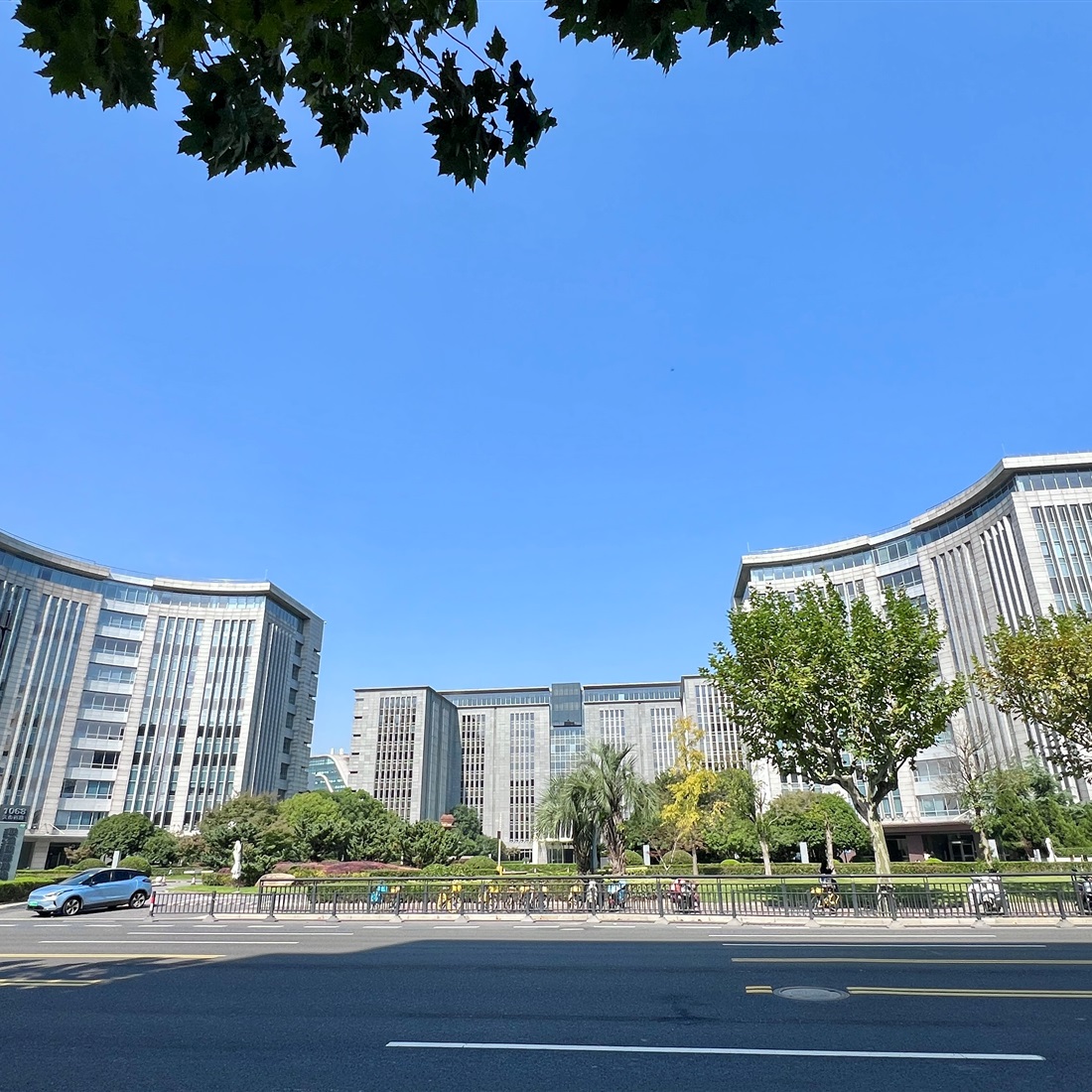
Today, Wumao Building is home to more than 400 metal-trading companies, and handles more than 700 billion yuan (US$104 billion) in transactions a year.
The transformation reflects Putuo's growing role in Shanghai's nonferrous metals market, where traditional trading businesses are increasingly supported by digital platforms, modern logistics and cross-border services.
Putuo's trading industry began taking shape in the late 1970s, as the district expanded commercial activity and re structured its industrial base.
A major milestone came in 1989 with the opening of the Shanghai Materials Trade Center Building.
Over the following years, more than 30 trading complexes sprang up along Zhongshan Road N., creating one of the country's major materials trading centers.
In 1992, the Shanghai Metal Exchange, China's first national-level futures exchange, opened in Putuo, further establishing the district as a center for nonferrous metals trading.
The exchange later moved to Pudong, prompting some businesses to leave and occupancy rates in local trading buildings to fall. But Putuo retained a substantial base of metal-trading companies and gradually shifted its focus toward nonferrous metals circulation.
That strategy gained momentum in 2013 with the establishment of the Shanghai Nonferrous Metals Trade Center.
It has since then become one of the country's leading commodity trading markets. Its SMEI spot price index, based on actual transactions in six major metals, has also developed into an important domestic pricing reference.
The industry has continued to expand. Putuo now accounts for about one-quarter of Shanghai's electrolytic copper transactions.
In 2025, sales of large-scale commodity trading companies in the district reached 1.7 trillion yuan. Putuo's bulk commodity trading volume accounted for nearly one-sixth of the city's total, while nonferrous metals trading made up for about one-third.
Putuo has set out a "1+2+3" industrial blueprint in its 15th Five-Year Plan (2026-30), with the "1" at its core: building a trillion-yuan bulk commodity trading and supply chain sector.
Building on this industrial base, Putuo is now seeking to strengthen its position in global commodity trading and supply chains. The effort is part of Shanghai's broader push to enhance its role in international trade and improve the security and resilience of industrial supply chains.
The district's development strategy centers on four areas: an established trading industry, digital infrastructure, business services, and partnerships with universities and research institutions.
Its industrial layout follows a model built around a central trading hub supported by several specialized industrial parks, bringing together trading, ware housing and logistics. State-owned enterprises, major private companies and hundreds of trading businesses form the backbone of the cluster.

Digitalization and global reach
Digitalization is another priority. In early 2026, Putuo launched Shanghai's first blockchain-based platform for trusted bulk commodity trading. The system verifies transaction re cords across contracts, goods, invoices and payments, helping reduce fraudulent transactions and making it easier for trading companies with limited physical assets to obtain financing.
The district is also expanding services for companies operating across borders. With dedicated policy support for its nonferrous metals industry, Putuo offers assistance with taxation, regulatory compliance and international business operations.
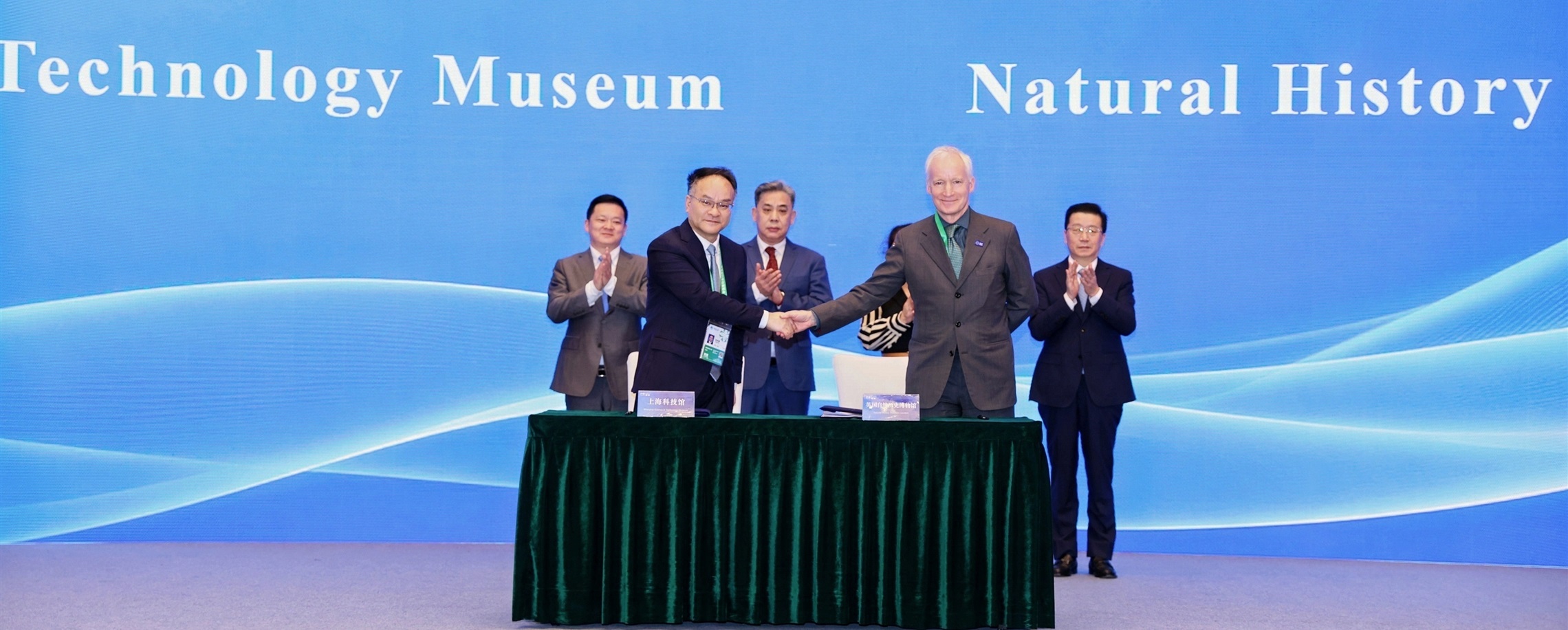
It is also working with the Shanghai Futures Exchange and leading universities to develop industry talent and organize international forums.
Several broader developments could create new opportunities for the district. These include its position along the Shanghai-Nanjing Industrial Innovation Belt, closer links with the China (Shanghai) Pilot Free Trade Zone and the establishment of Shanghai's digital yuan international operation center.
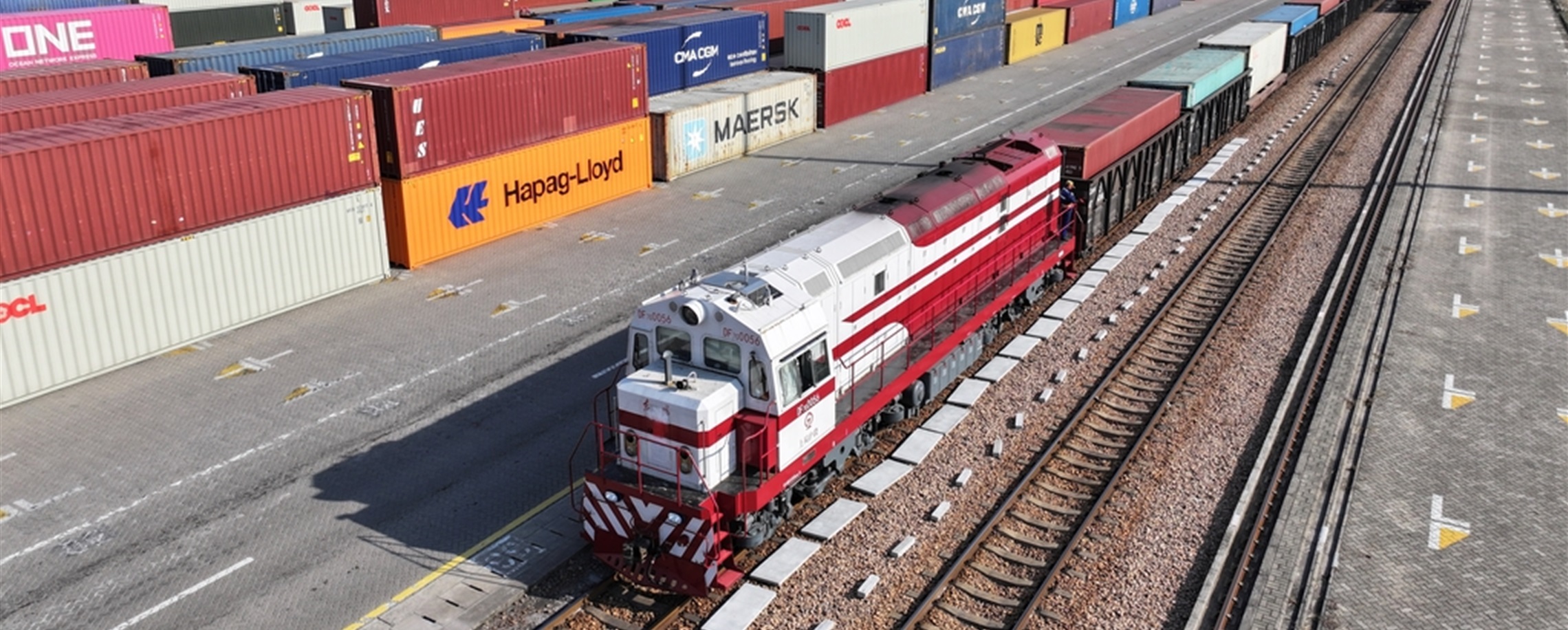
Putuo aims to use these advantages to build supply chains linking overseas mineral resources, local trading plat forms and manufacturing bases across the Yangtze River Delta region.
It is also exploring new approaches to cross-border settlement and supply chain financing.
Looking ahead to 2030, the district plans to focus on six priorities: expanding its industrial cluster, strengthening links between futures and spot markets, developing trade in metals used in green industries and new energy, improving digital trading infrastructure, integrating administrative and judicial services, and expanding international cooperation.
It also aims to attract more Fortune Global 500 companies and develop more than 50 major supply chain firms, each with annual transaction volumes reaching tens or hundreds of billions of yuan.
From the days of telephone-based negotiations to today's blockchain verified transactions, Putuo's trading industry has undergone a profound transformation. Its next challenge is to turn that established industrial base into a stronger presence in global commodity markets
Editor: Li Qian
In Case You Missed It...

 Nov 7, 2026