Shanghai's Inbound Tourism to Top 10m Visits by Year-End
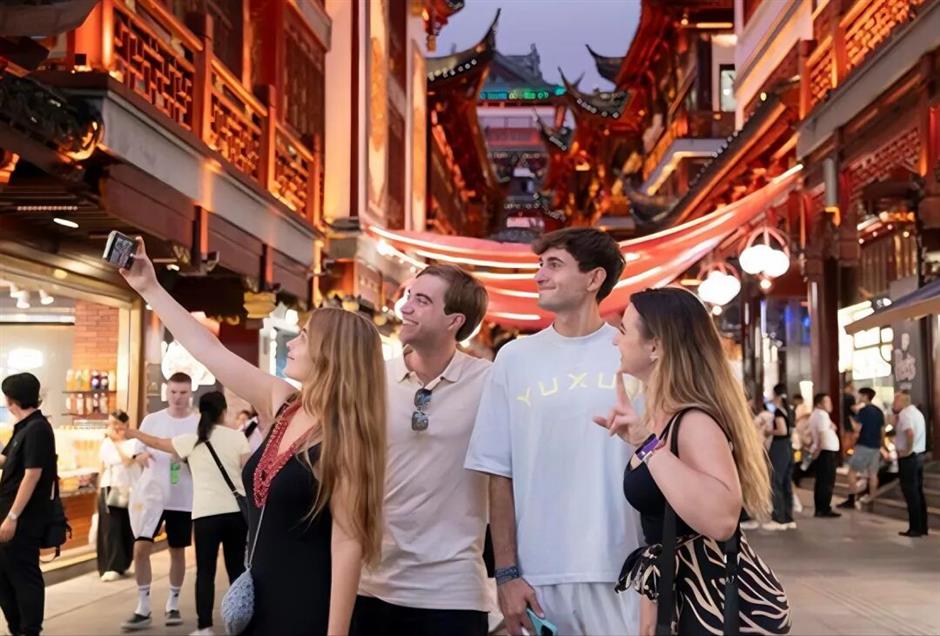
Shanghai is poised to become China's first city to attract 10 million inbound tourists annually this year. This milestone is driven by the expansion of visa-free policies, enhancements in urban services, and a growing global interest in immersive urban travel.
As of October, the Shanghai Administration of Culture and Tourism reported 9.28 million inbound visitors, a 27.09 percent year-over-year increase. Industry analysts expect the number to exceed 10 million by December, cementing Shanghai's status as China's top inbound tourism gateway.
South Korea, Russia, and the US are Shanghai's top three foreign visitor sources, followed by Japan, Malaysia, Thailand, Singapore, Australia, and Germany. According to the administration, independent, young free travelers dominate today's inbound market.
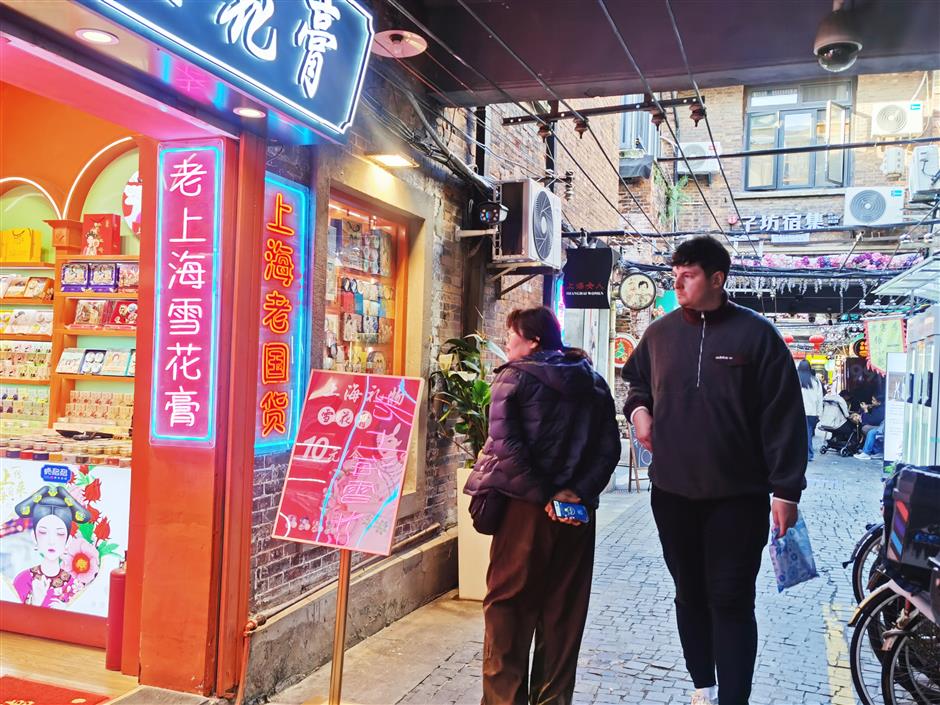
"Shanghai surpasses my expectation," said Ethan Carter, a tourist from the United States who visited Tianzifang, a renovated shikumen area in Shanghai's downtown, recently.
"I've splurged on fine dining, picked up local beauty goods and snacks for friends back home, and also enjoyed cheap, wonderful street food and citywalks. It's not just the skyscrapers; the little alleyways, the shops – the whole experience is amazing. I have recommended the city to my friends."

Overseas visitors are now spending far more per trip, according to the latest statistics from Shanghai-based travel operator Trip.com, which is rolling out multilingual information, payment and translation tools to turn rising demand into smoother bookings.
According to the operator, the per-trip spending of inbound travelers rose about 32 percent in 2026 year over year.
Tourism profiles vary by market, it said. According to Trip.com, South Korean visitors prefer short weekend getaways, Korean-language services, and reliable four-star hotels, and return to Shanghai multiple times for city landmarks, food, theme parks, and design-led hotels. Australian tourists stay the longest at 7.2 days, often combining Shanghai with other East Asian cities.
Southeast Asian families prioritize theme parks, cultural experiences and nature tours, while Middle Eastern visitors often combine business conferences with family leisure travel, creating strong demand for comprehensive hotel and itinerary support.
Demand from some European markets peaked during summer vacation and remains strong in the fourth quarter for many Asian and long‑haul markets.
International passenger volume at Shanghai's home cruise port has also surged.
According to Shanghai border inspection authorities, the port has received over 180,000 foreign cruise passengers this year, representing a year-over-year increase of 49 percent.
Royal Caribbean has seen record shares of foreign guests on its Shanghai‑based sailings with Spectrum of the Sea reaching 88 percent on March 21 and 81 percent on April 18.
On the November 1 repositioning cruise from Shanghai to Hong Kong, international visitors accounted for nearly 60 percent.
Despite robust growth in China's inbound tourism market, persistent operational bottlenecks continue to hinder visitor experience, pushing travel operators to shift competition strategies from volume attraction to reliable, certainty-driven services, according to Jane Sun, CEO of Trip.com Group.
Editor: Li Qian
In Case You Missed It...
 Nov 27, 2026