Shanghai's Two New Mega Stations to Open Next Year
Shanghai's transport network is undergoing upgrades designed to improve connectivity, convenience, and commuter comfort.
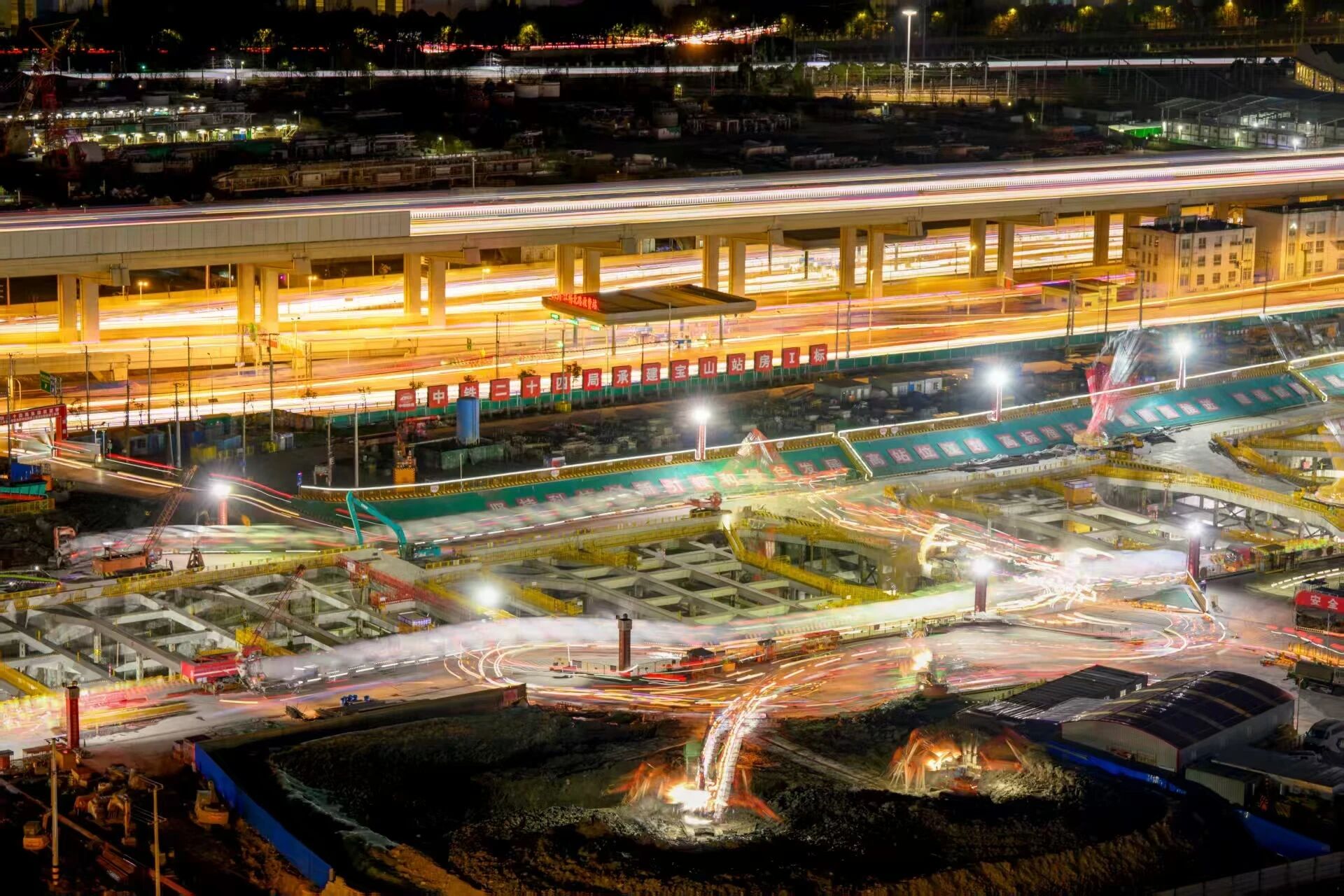
By July next year, two of the city's major railway projects, Shanghai East Station at the Oriental Hub and Baoshan Station, are set to open simultaneously, ushering in a new era of faster regional travel, smoother commuting, and more people-friendly urban design.
The announcement was made by Xiao Hui, director of Shanghai Transportation Commission, when he outlined how the city plans to transform daily mobility across the Yangtze River Delta.
But this is not just another infrastructure story. Behind the rail lines, interchange hubs, and transport apps is a broader vision: making everyday life in Shanghai more connected, more convenient, and even more enjoyable.
Two New Stations to Reshape Regional Travel
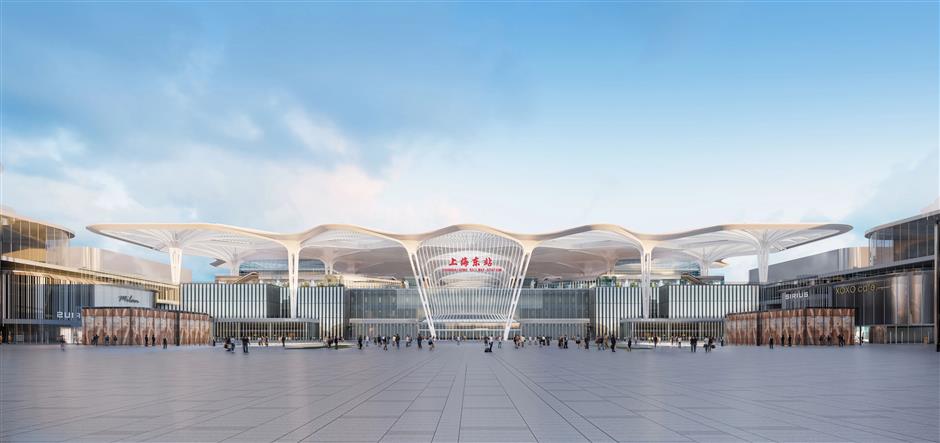
Shanghai East Station will be one of the city's largest transport hubs, with a total construction area of about 1.33 million square meters and 15 platforms serving 30 rail lines. It will connect with key routes, including the Shanghai-Nantong Railway, Shanghai-Hangzhou High-Speed Railway, and the north and south Yangtze River rail corridors.
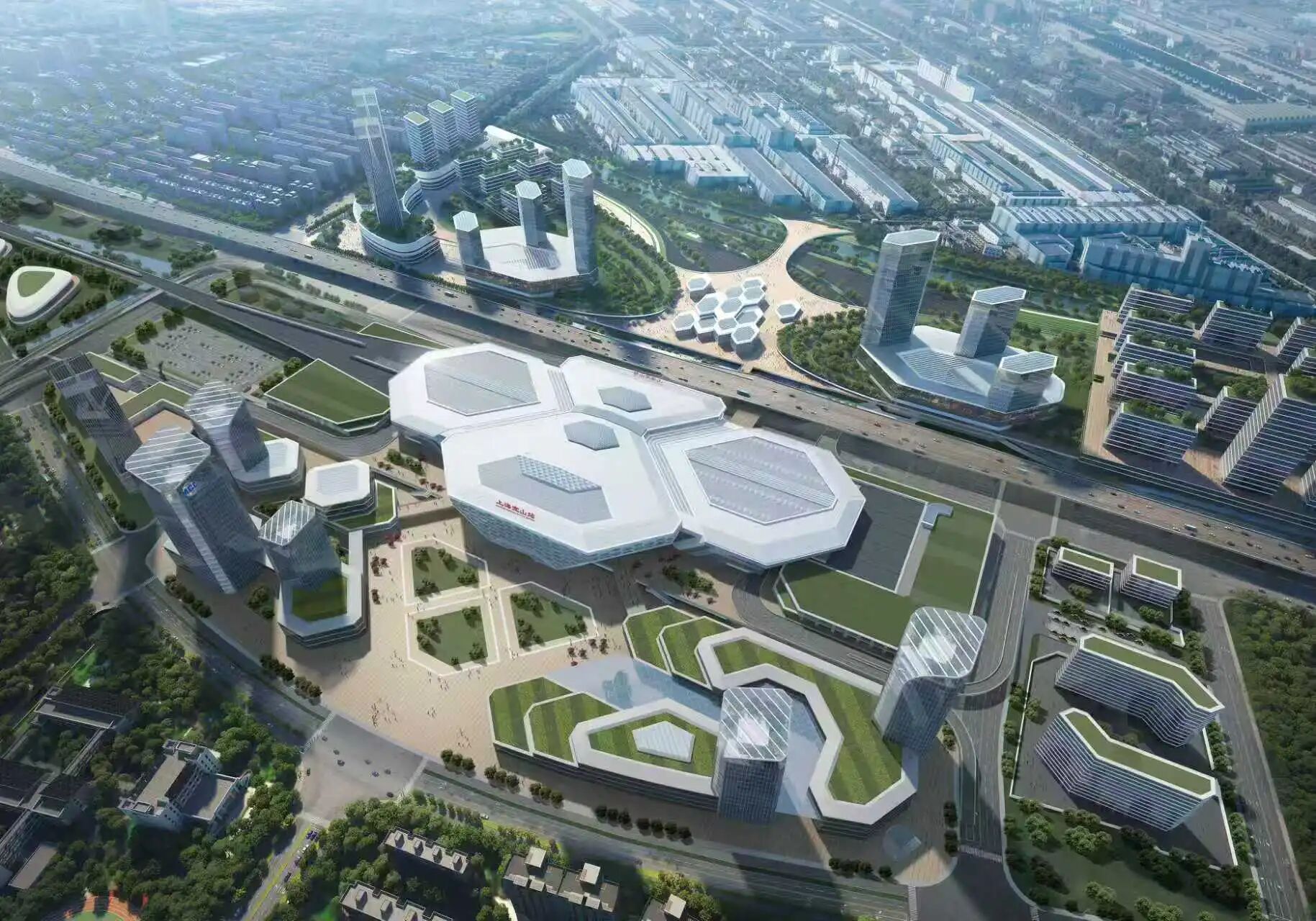
Baoshan Station, located in Yangxing Town in Baoshan District, will have eight platforms and 18 rail lines. It will serve as the starting point of the Shanghai-Chongqing-Chengdu High-Speed Railway and a key station on the second phase of the Shanghai-Nantong Railway.
The two stations mark Shanghai's next step toward a more integrated Yangtze River Delta transport network. For residents, that could mean easier weekend trips, smoother business travel, and more lifestyle options across the region.
The Rise of Shanghai's 'Micro Hubs'
While mega-stations dominate headlines, Shanghai is also betting on something much smaller: transport micro hubs.
These compact transfer stations are designed to solve one of urban life's most persistent frustrations, the "last mile" problem between subway exits, buses, bicycles, and neighborhood destinations.
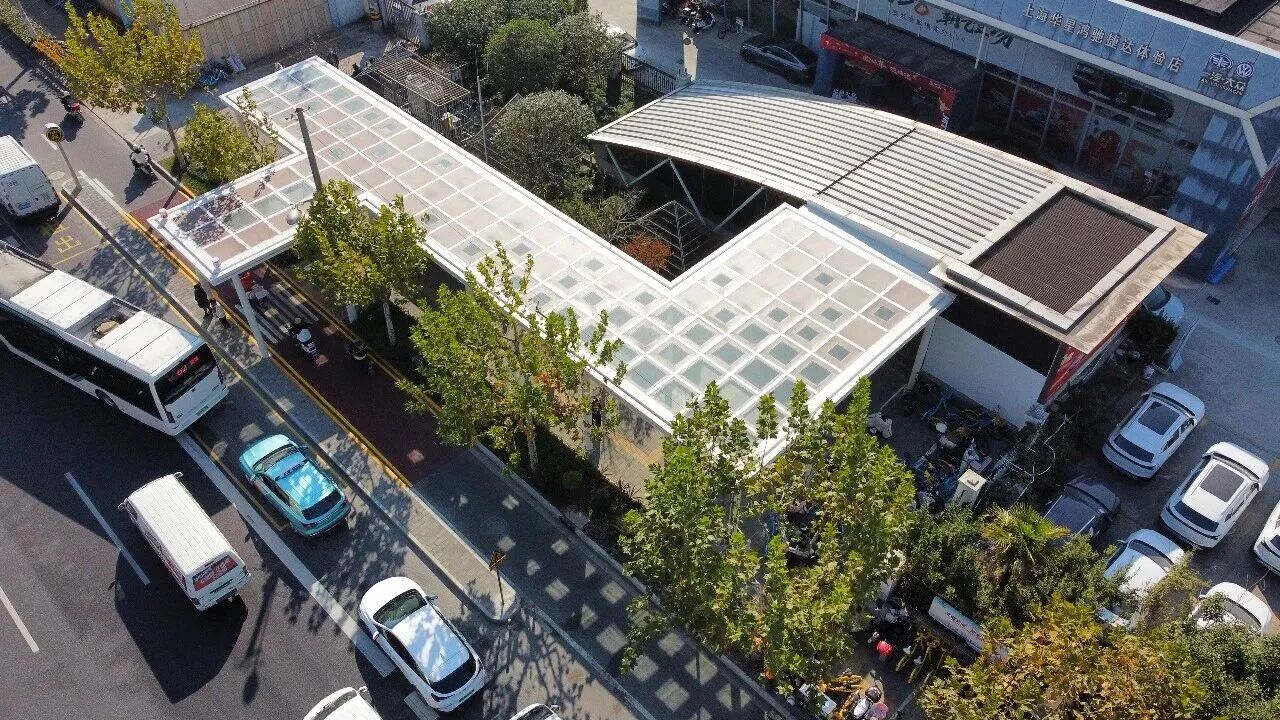
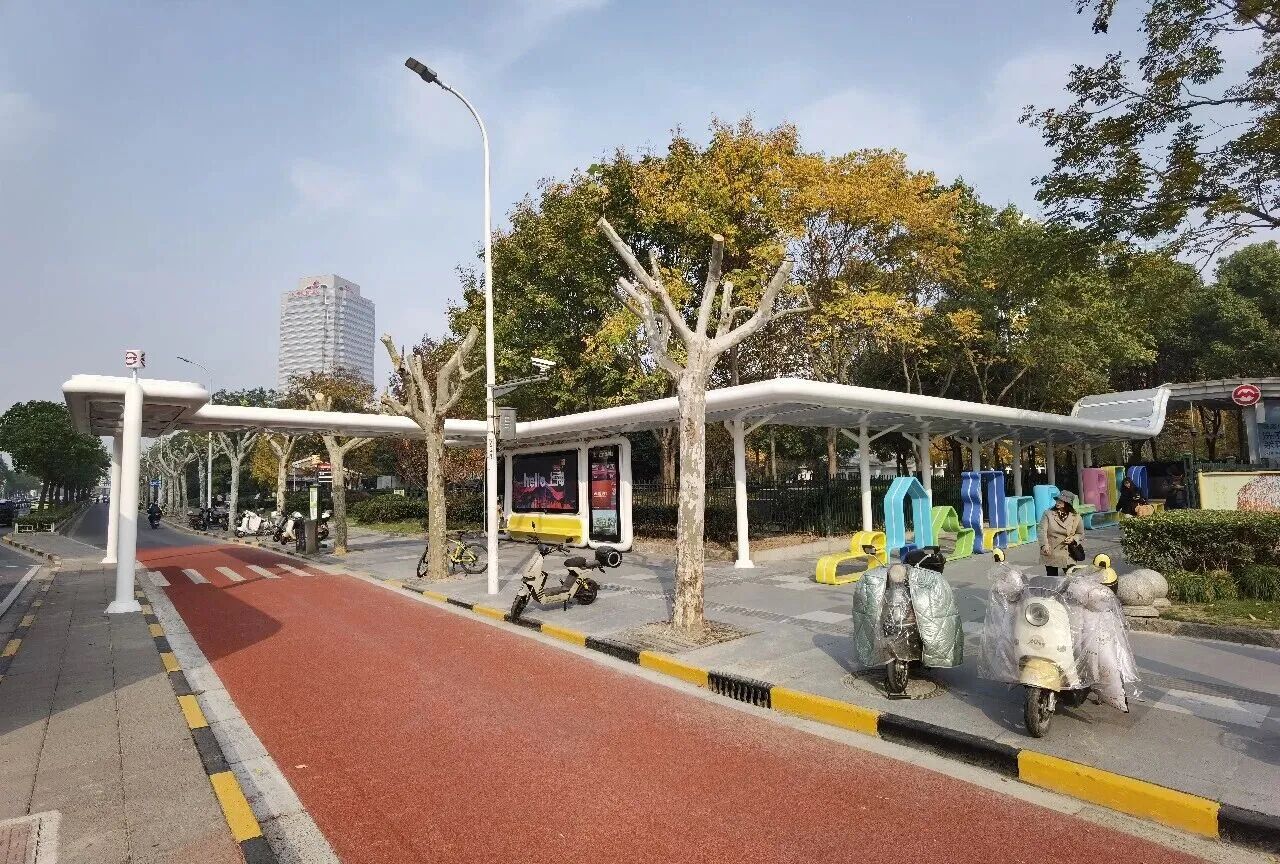
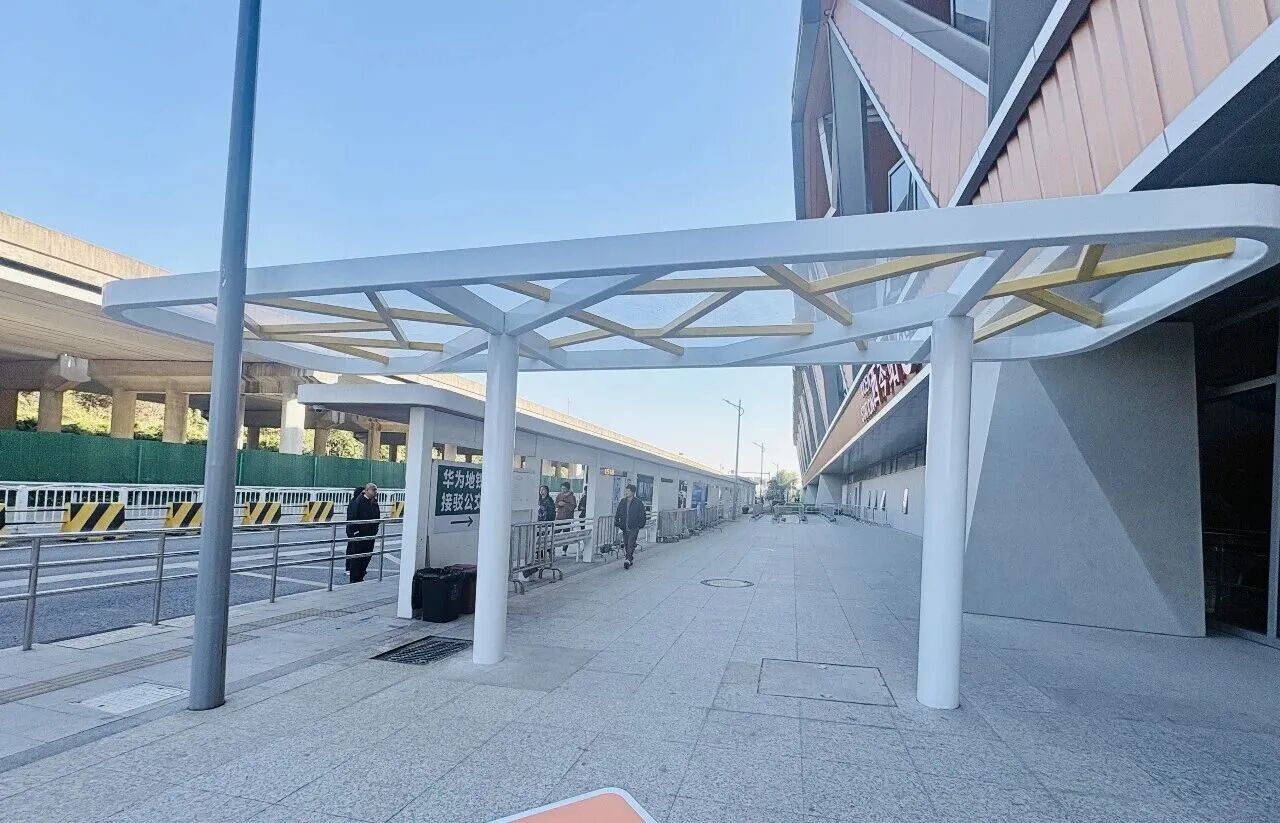
Unlike traditional transport interchanges, the new micro hubs focus heavily on comfort and urban experience. Many feature weather-protected walkways, integrated cycling facilities, improved signage and navigation, and public-service amenities that blend into surrounding neighborhoods.
Some hubs are already becoming neighborhood landmarks in their own right.
At the Zhennan Road transport micro hub near Liziyuan Metro Station in Putuo District, designers incorporated traditional pavilion-style architecture inspired by local historic towns, mixing old Shanghai aesthetics with modern commuter facilities. In Hongkou District, the Chifeng Road Metro micro hub introduced new cycling lanes and redesigned passenger routes to improve both pedestrian flow and street safety.
By the end of last year, Shanghai had completed 15 transport micro hubs, with another 12 planned for this year.
The city hopes these spaces will make public transportation not only more efficient, but also warmer, safer, and more visually appealing.
Customized Buses Like a Lifestyle Service
Shanghai is also reshaping public transit through digital customization.
The city has integrated all customized bus services into the "Suishenxing (随申行)" platform, allowing users to browse routes serving business parks, schools, hospitals, residential communities, and tourist attractions through the app.
The platform has an unusually flexible model: if 15 passengers request a route, a new custom bus line can be launched within as little as three days.
The approach reflects a broader shift in urban mobility, where transportation increasingly behaves like an on-demand lifestyle service rather than a rigid public utility.
A recent example was at this year's Spring Festival travel season, when Shanghai Hongqiao Hub launched late-night customized bus routes for passengers arriving after subway services ended during Spring Festival this year. The temporary routes carried over 4,000 passengers to Hongqiao Business District, Jiuting in Songjiang, Qibao in Minhang, and Jing'an Temple during the holiday rush.
The next phase of customized transit will focus less on expanding the number of routes and more on improving service quality and operational efficiency.
For local residents, the city's evolving transport strategy may increasingly feel less like a traditional infrastructure plan and more like a redesign of urban living itself, where trains, buses, public spaces, and digital services work together to make everyday movement simpler and more human-centered.
Editor: Fu Rong