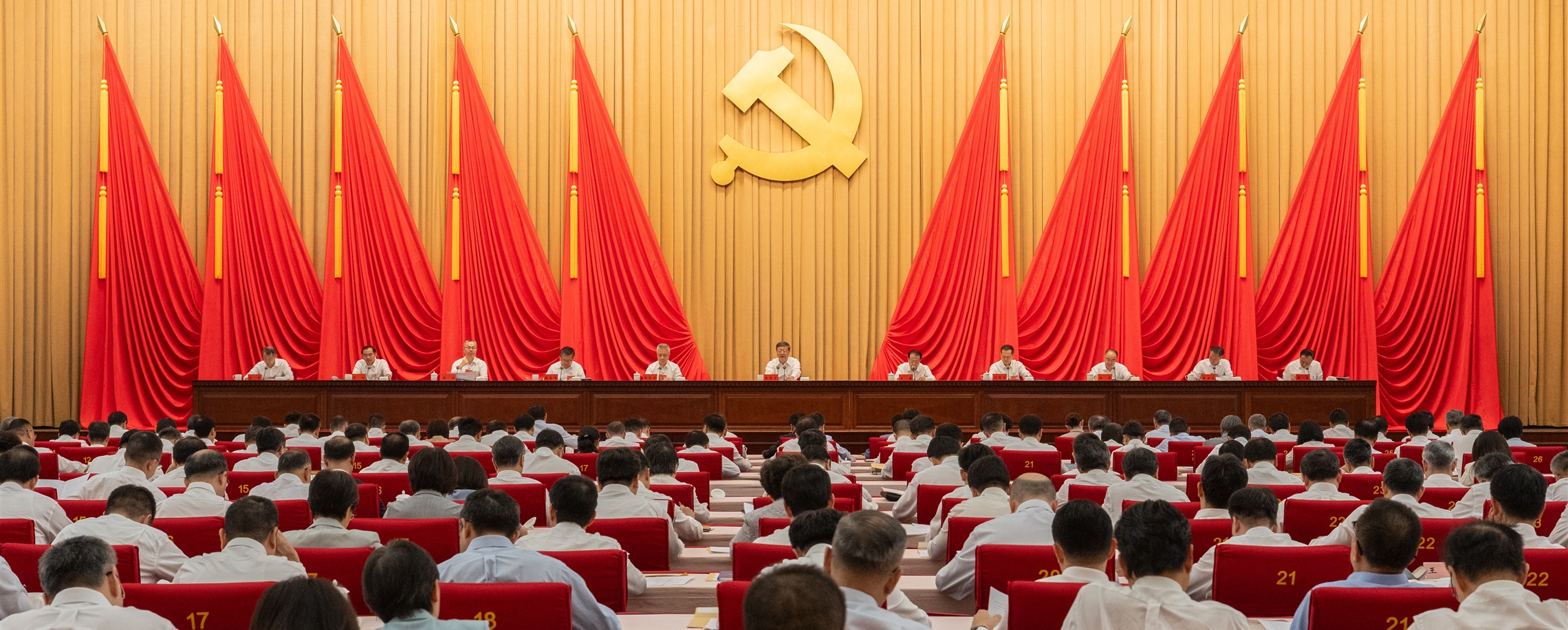
Free offices and housing: Lingang marks 6 years with startup push
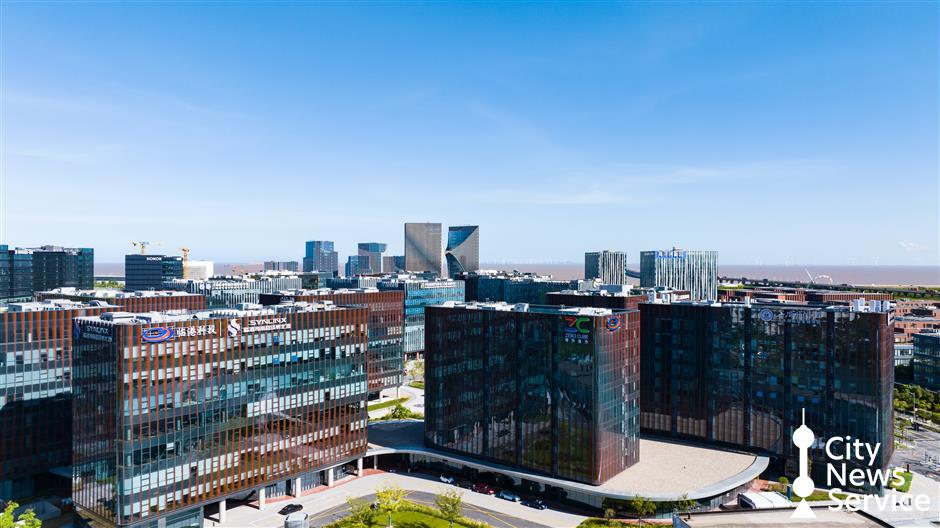
Shanghai's Lingang Special Area just turned six years old. For many, the name still brings to mind ports, factories and logistics hubs. But at Thursday's anniversary event, the talk was more about innovation, young talent, startups and digital creators.
Lingang Group, the main developer of the special area, announced on Thursday that the area, through five years of efforts, aims to become a key place in Shanghai for the transformation of scientific and technological achievements into products or services, a major cluster for emerging industries, a vital testing ground for new business models, and an ideal home for young entrepreneurs to pursue their careers.
To make that shift real, Lingang Group has rolled out the Super Individual 288 program, a package designed for young entrepreneurs.
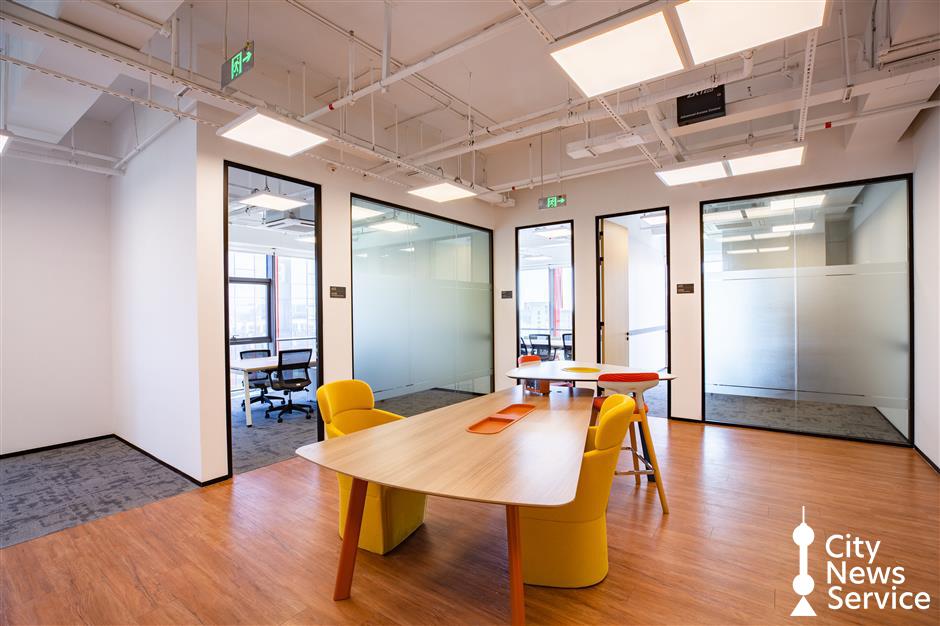
Its most eye-catching perk: 100,000 square meters of rent-free offices and workshops, plus free housing for early-stage teams.
"Startups can get three years of free rent, then two more at half price. Young professionals also get a year of free housing, with discounted rent for another two," said Chen Hao, vice president of the Lingang Group.
Foreign hires get the same perks as locals. And the support doesn't stop there: Lingang has piloted electronic port visas, now covering more than 1,800 companies in the area, according to Zhang Zijiang, a talent officer with the local administration, who spoke to Shanghai-based Jiefang Daily.
There is also special support for those engaged in startups in new industries: hardcore technology, data processing, cross-border livestreaming, cross-border medical services, short dramas, game makers, code outsourcing and niche competitions. Beyond free space, the program offers loans of up to 800,000 yuan (US$110,000) and a suite of perks ranging from residency support to logistics discounts and overseas market access.
Lingang has spent six years building real industrial heft: clusters in semiconductors, aviation, advanced equipment, new-energy vehicles, and artificial intelligence. Its auto sector alone has attained an output value of 280 billion yuan, with nearly 200 firms in the supply chain.
The plans reach further. By 2030, Lingang aims to host ten world-class research labs, four large-scale industry clusters each worth 100 billion yuan or above, and a community of more than 100,000 innovators and entrepreneurs.
Lu Yu, head of the local development and reform office, said that Lingang's advantage lies in speed: "If you have an idea or technology, Lingang can give you the full production line to turn it into a product quickly."
The area is still young, but its pitch is clear. Not just factories by the sea, but China's newest startup city – a place where young people can live, work, and make bold attempts.
Editor: Yang Meiping
In Case You Missed It...
![[Caffeinated] Its HOT. Here are 5 Places 2 Get Great Iced Coffee](https://obj.shine.cn/files/2026/07/24/87f42588-681a-408f-8ab9-48deca5d79d2_0.jpg)
 Jul 28, 2026
![[Hai Lights] Creative Souvenirs Are Going Viral in Shanghai. We Want Them All!](https://obj.shine.cn/files/2026/07/22/afe220e1-bedb-4c2c-9ede-2a7f82550147_0.jpg)
![[Only In SH] Seven Things That Made a Day in Old Shanghai](https://obj.shine.cn/files/2026/06/17/ff8520d3-b01d-4d5e-8fb5-4198c6dd3408_0.jpg)
Popular Reads
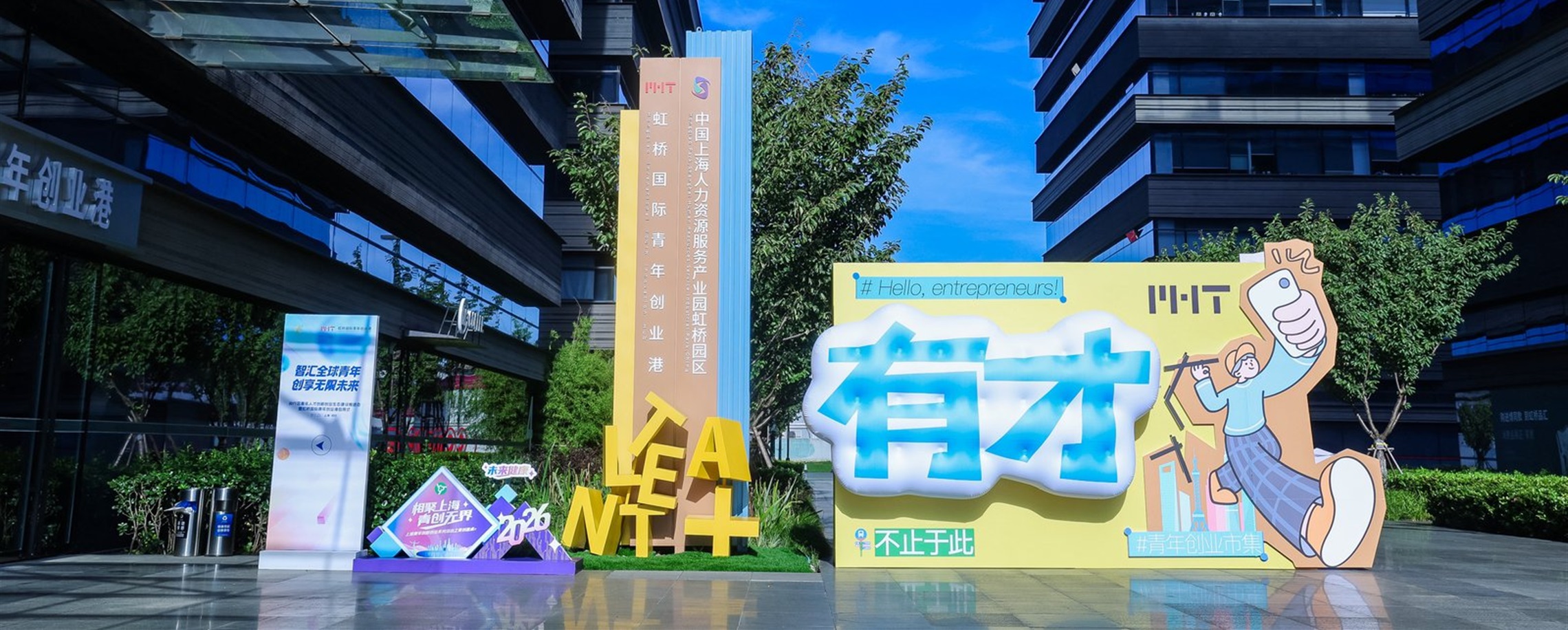
Shanghai Launches International Hub to Fuel Global Youth Innovation and Entrepreneurship
![[Quick News] District in Shanghai is Now Offering 5-Year Visas](https://obj.shine.cn/files/2026/07/24/ac0e57c9-6881-4c4f-839d-6e999d81c5a2_0.jpg)
[Quick News] District in Shanghai is Now Offering 5-Year Visas
CXMT Doesn't Disappoint Investors, IPO Debuts With a Bang