Beyond Successful Surgery: World-Class Sports Rehabilitation Research Institute Opens at Shanghai Sixth People's Hospital
Successful orthopedic surgery is only the first step in a patient's journey toward full recovery. While surgical intervention lays the foundation for restoring mobility and function, it is estimated to account for just 60 to 70 percent of the overall recovery outcome. The remaining progress heavily depends on rigorous, tailored postoperative rehabilitation.
As international standards of rehabilitation continue to evolve, expectations for specialized, evidence-based recovery care are also rising. Although an increasing number of public hospitals now provide basic rehabilitation services, gaps remain in access to advanced digital assessment technologies and experienced multidisciplinary teams.
These limitations are becoming particularly significant for patients with complex recovery needs, including a growing number of international visitors seeking high-quality, comprehensive orthopedic care.
The Sports Rehabilitation Research Institute at Shanghai Sixth People's Hospital, which is home to the National Center for Orthopedics, has been officially launched. This institute is built on the hospital's renowned orthopedic expertise and a robust foundation in translational research.
It provides comprehensive, intelligent, precise, and personalized rehabilitation services for sports injuries, chronic musculoskeletal degeneration, and complex perioperative orthopedic conditions. The institute is designed to follow internationally recognized clinical pathways and serves both domestic and international patients.
Elite Multidisciplinary Expertise
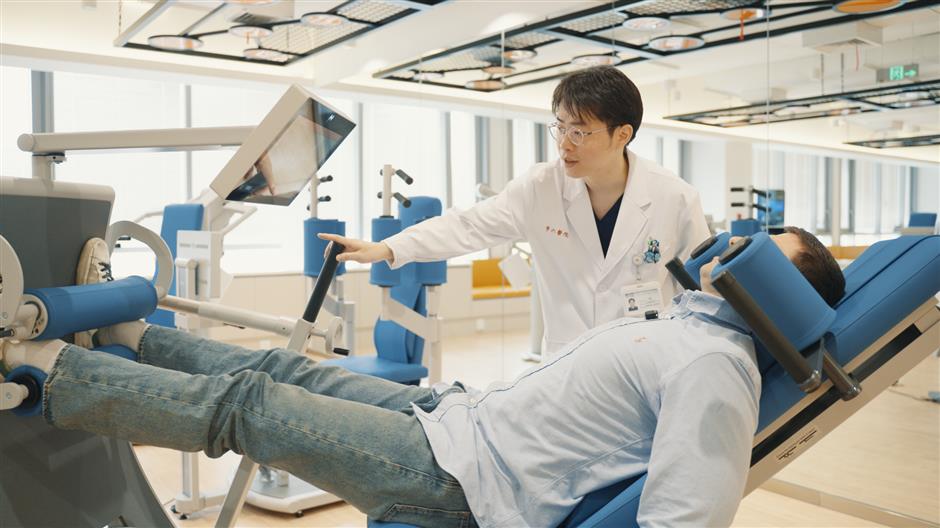
Senior rehabilitation physicians, researchers, and specialist therapists from the Shanghai Sixth People's Hospital Department of Rehabilitation Medicine form the institute. The team specializes in orthopedic trauma, perioperative rehabilitation, sports injuries, chronic pain, peripheral nerve conditions, post-fracture restoration, scoliosis, and posture correction.
Clinical leaders with national academic standing in musculoskeletal rehabilitation set standards for complex trauma and perioperative care, while clinician-researchers advance digital and intelligent sports rehabilitation.
Award-winning senior therapists in neuroelectrophysiological testing, integrative physical therapy, posture experts, and a Harvard-trained clinical scholar with global perspectives on tendon, ligament, and cartilage injury rehabilitation make up the team.
The therapist has extensive scoliosis management experience and uses internationally recognized modular techniques in a "assess–treat–reassess" closed-loop framework.
This combination of national academic leadership, extensive clinical experience, and globally trained expertise allows the institute to create personalized rehabilitation plans that align with the highest international standards.
High-Tech Rehabilitation Hardware & Digital Ecosystem
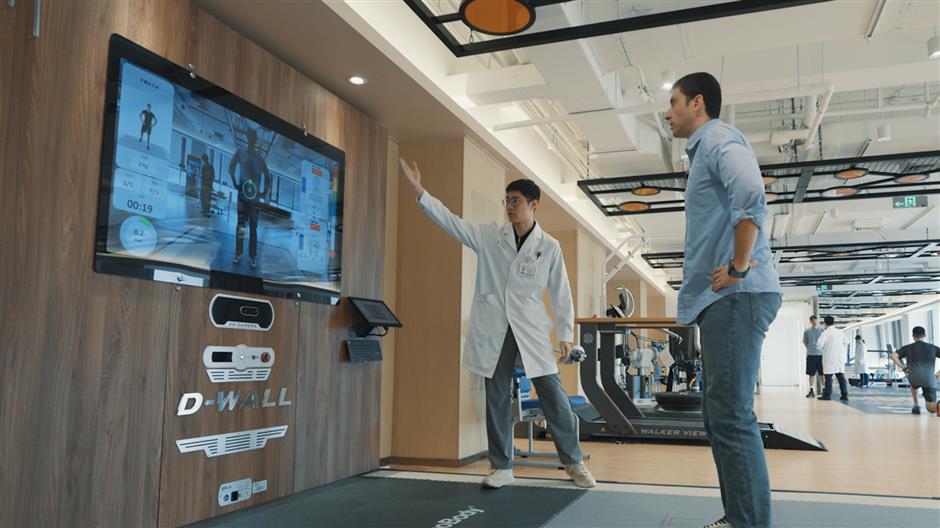
A standout feature of the institute is its suite of high-end, multi-modal rehabilitation assessment and training systems, supporting a data-driven closed-loop workflow of real-time motion capture, quantitative kinematic analysis, personalized intervention, and long-term digital follow-up – benchmarks widely accepted in global rehabilitation medicine.
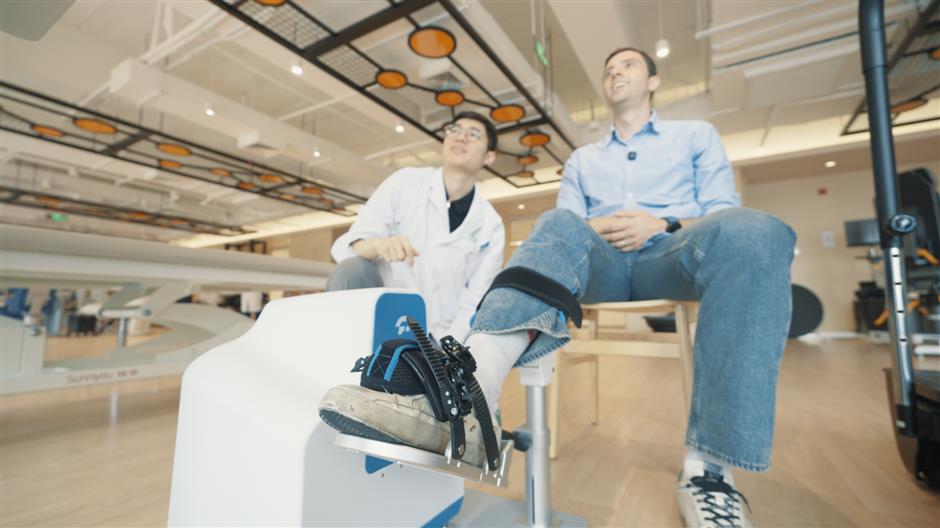
Its flagship 3D motion-capture system delivers far greater precision than consumer-grade motion-sensing devices. Fitted with high-resolution cameras and inertial sensors, the system records full-body kinematic data as patients walk, run, perform slope-walking tasks, or complete upper-extremity movements. The platform automatically identifies abnormal movement patterns – such as limited shoulder elevation, pelvic tilt, or asymmetric gait – and quantifies the severity of functional impairment. All raw motion data is stored in a dedicated database, enabling clinicians to track subtle recovery changes over time and dynamically adjust rehabilitation goals, following objective, evidence-based evaluation norms.
Complementary assessment tools include isokinetic dynamometers for objective muscle strength testing, instrumented gait-analysis treadmills, and pressure-sensing platforms. Beyond imported commercial hardware, the institute also houses in-house-developed intelligent assistive rehabilitation devices.
These custom-built systems provide real-time biofeedback and corrective prompts during active training, guiding patients to standardize their movement postures.
"Moving past the old model of passive manual mobilization, all training is designed for active patient-driven exercise," said Dr Ma Xin, president of Shanghai Sixth People's Hospital. "The platform calculates individualized strength output parameters based on each patient's body weight, baseline muscle capacity and real-time assessment results. Orthopaedic surgeons, rehabilitation physicians and physiotherapists supervise training on-site to balance training efficacy and safety."
The 1,400-square-meter institute integrates an open functional training zone and private one-on-one treatment rooms. It serves not only post-surgical and musculoskeletal patients but also "pre-patient" groups seeking scientific fitness guidance, injury prevention, and workout prescription. Many of the hospital's orthopedic specialists are experienced fitness practitioners, bridging clinical rehabilitation and evidence-based fitness education.
Core Research Directions
The institute adopts a clinical-problem-driven roadmap, focusing on four priority areas: motor function reconstruction, enhanced recovery after orthopedic surgery (ERAS), chronic musculoskeletal pain management, and rehabilitation for elderly degenerative disorders. It fosters deep interdisciplinary fusion of rehabilitation medicine, orthopaedics, sports medicine, artificial intelligence and rehabilitation engineering, creating a distinctive translational innovation ecosystem that turns digital rehabilitation data into actionable clinical protocols. These research outputs are intended to be shared with the global rehabilitation community.
International Vision & Cross-Border Patient Care
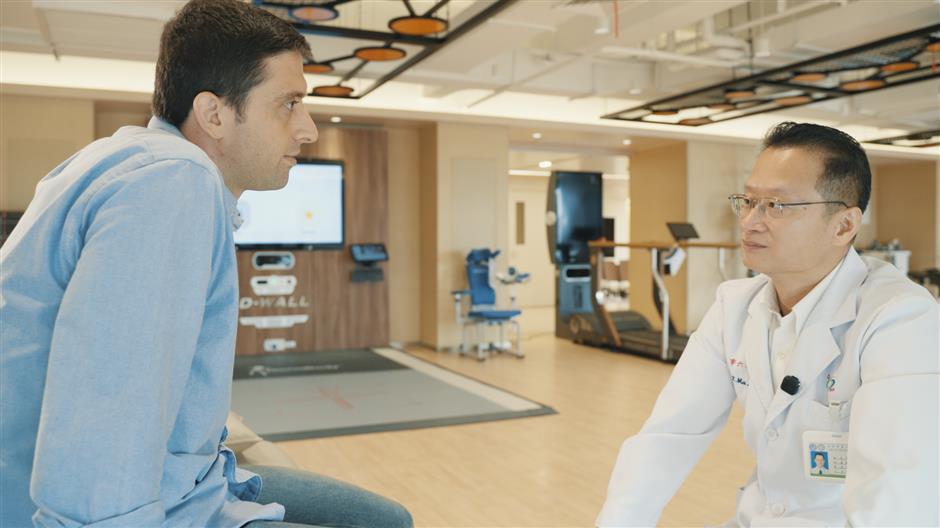
Positioned as an international hub for advanced orthopedic rehabilitation in China, the institute combines top-tier local expertise with global best practice to deliver seamless international medical services. It actively engages in global academic exchange and cross-border knowledge sharing and has hosted professional delegations from multiple countries to test its 3D motion-capture system, digital treadmills and intelligent rehabilitation equipment.
As part of the National Center for Orthopedics, Shanghai Sixth People's Hospital maintains long-term partnerships with top global institutions, including Harvard Medical School, Johns Hopkins University and the University of Tokyo. The hospital regularly welcomes international visiting fellows, organizes international training courses, and sends rehabilitation specialists to leading global orthopedic and sports medicine conferences.
Leveraging the hospital's mature International Medical Service platform, the institute is fully equipped to receive overseas patients. It provides multilingual support, internationally standardized clinical workflows, and tailored rehabilitation packages, building a reliable cross-border care pathway for global users.
By combining home-grown digital rehabilitation innovation with open global cooperation, the Sports Rehabilitation Research Institute aims to contribute Chinese expertise to the global development of intelligent sports rehabilitation and establish itself as a preferred destination for international patients seeking high-level orthopedic rehabilitation in China.
Editor: Li Qian
In Case You Missed It...
 Nov 24, 2026



Popular Reads
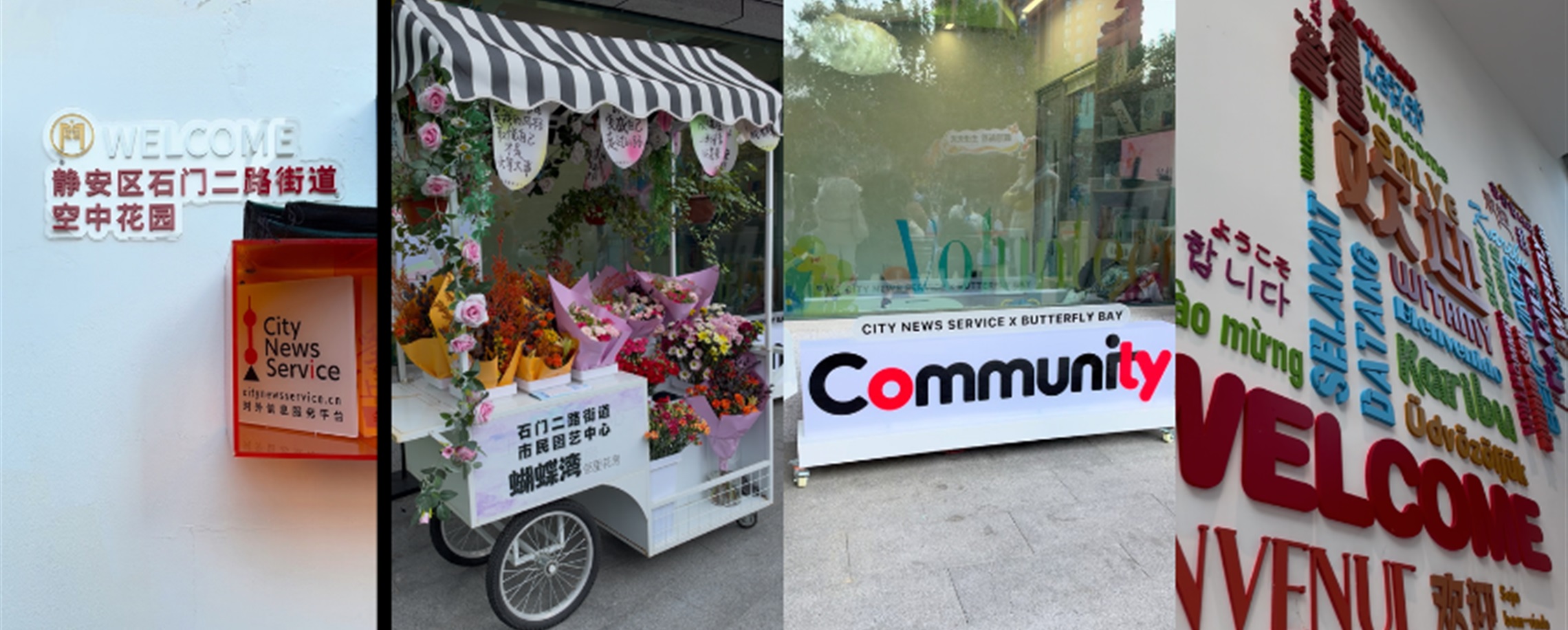
[Quick News] New CNS Community Hub Opens at Butterfly Bay in Downtown Shanghai
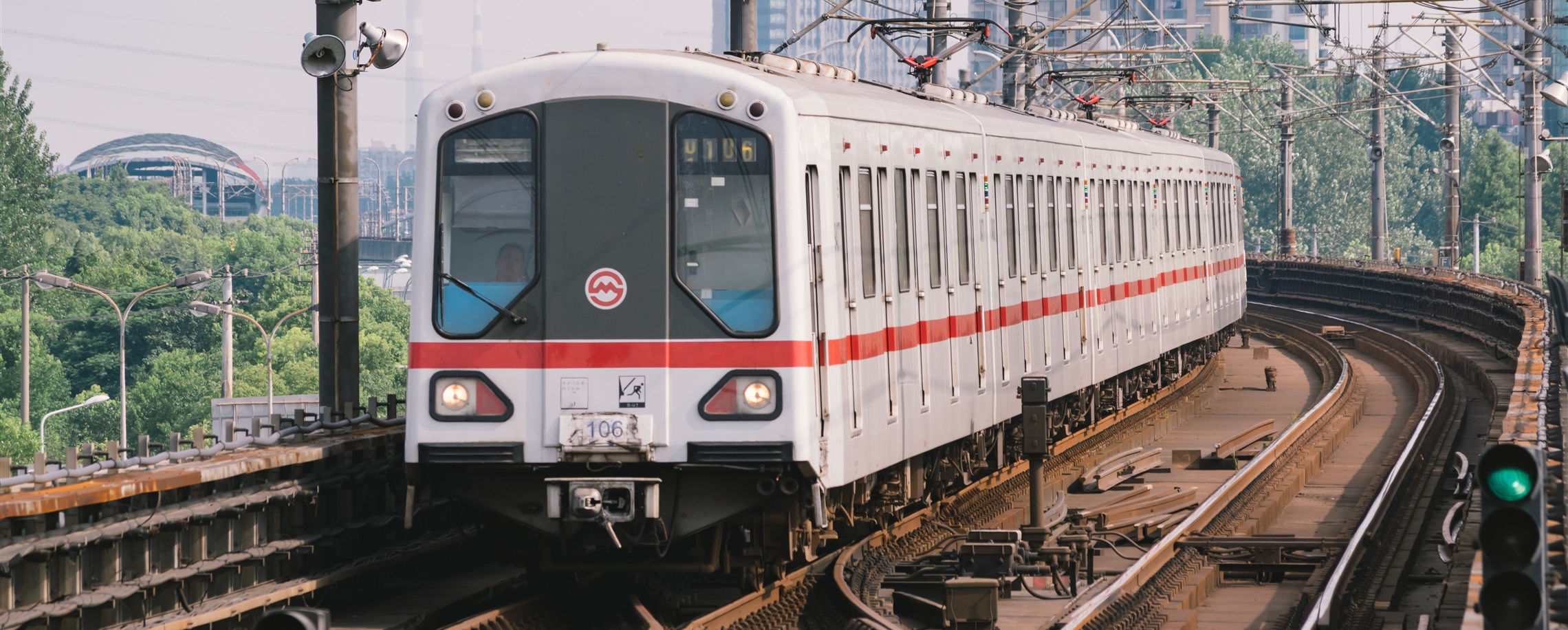
[Shanghai Transit] Shanghai Revises Metro Fares, Shortens Base-fare Distance to 4km

Global Tech Selloff Snares Chinese Stocks Amid Doubts About the AI Boom