[Empire Builders] Charlie of Charlie's The Burger Place!
![[Empire Builders] Charlie of Charlie's The Burger Place!](https://obj.shine.cn/files/2026/01/08/fbfc940e-fee9-4c19-a167-9969d2161d01_0.png)
Empire Builders is our now-and-again dive into the lives of people who aren't just hustling – they've already hustled, succeeded, expanded, and leveled up. These are the folks building full-blown Empires, whether their origin story starts in a busted shared office on the Suzhou Creek or on the far side of the world. Most grew their thing out of Shanghai and took it global; some built their empires elsewhere and are only just rolling into town. Either way, we're here for the stories that come after "start-up mode": the wins, the scars, the weird detours, and the view as they continue scaling mountains.
A 13-year veteran of Shanghai's food and beverage scene, Charlie Zeng has opened, by his own estimation, around 30 restaurants all over Shanghai, in genres as diverse as American fried chicken to Cantonese and everything in between. The founder of Charlie's Hospitality Group, the most highly visible and widely known of his projects, is the Charlie's restaurant chain, which specializes in elevated fast casual – burgers, fries and shakes – proudly made in China. A precursor to established international chains like Shake Shack and Five Guys, Charlie's has weathered and thrived in an ever-changing Shanghai environment and is a true homegrown success story. With the chain looking to expand outside of Shanghai, we caught up with Charlie to talk about his F&B and managerial insights gleaned from 13 years in the biz.
![[Empire Builders] Charlie of Charlie's The Burger Place!](https://obj.shine.cn/files/2026/01/08/4600e04d-cba3-4369-8f61-e477c3428a13_0.jpg)
CNS: Can you introduce yourself? Where are you from?
Charlie: I'm Charlie. Of "Charlie's."
So I was born here in Shanghai and raised in the US…
CNS: Born in Shanghai? Where in town?
Charlie: Actually, right around the block! Just down the road from here (Changshu Road).
CNS: Oh, really? That's a nice part of town, though, right?
Charlie: Back in the day it was a nice part, yeah. But I went to New York when I was 5. So I grew up in New York. I was in New York until I was pretty much in college. I went to Pennsylvania for school.
CNS: Big question: which do you prefer, New York or Shanghai?
Charlie: Tough one. You know, they say New York is the city that never sleeps, but I feel like Shanghai is the city that's constantly running.
It's a whole different pace. Like, New York is fast, but Shanghai is super fast. I feel I've made my peace with it, though. Life is good.
CNS: Another important question: Who's got the best pizza in all of New York?
Charlie: I guess it's the law that you always have to ask New York people this question.
This is the thing. All pizza in New York is good pizza. Even when it's just okay, it's good pizza. People say it's the water. It can't be the water, I don't think. I think it's just the way we make it.
So, I tried making pizza for a while. We actually had a pizza shop for a short while. I think I was able to make the Italian style very well. But a New York pizza is hard to make. I don't know why.
It's the technique, I guess. I don't know – the dough, the flour. The combination.
I made very good Neapolitan pizza, but New York pizza is tough.
CNS: That's the Holy Grail, huh?
Charlie: For me, for me.
CNS: I was going to save this one for the end, but as we're already asking these kinds of questions, besides Charlie's, who makes the world's greatest hamburger?
Charlie: Oh man. So I'll tell you. I really like the double cheeseburger at McDonald's. But in my mind, you know, like growing up, it was always so good. These days, when I actually eat it, it's not so good. It conflicts me.
The next time I get drunk, I still order it, though.
![[Empire Builders] Charlie of Charlie's The Burger Place!](https://obj.shine.cn/files/2026/01/08/b555a549-eaca-4b50-90bd-d9bff9988891_0.jpg)
CNS: What was then the inspiration behind the smaller, square type burger with taller buns that's synonymous with Charlie's?
Charlie: I hated when I bite into a bun and it's all bread and no meat. So we made the bun square and meat round which extends a bit outside the bun, that way we make sure, there's meat with every bite.
![[Empire Builders] Charlie of Charlie's The Burger Place!](https://obj.shine.cn/files/2026/01/08/89458955-c4c1-4001-a383-c25964734b55_0.jpg)
CNS: So when you graduated high school, you went to Penn State. What were you studying?
Charlie: Finance. I ended up working at PwC after. I worked there for three years after graduation. Actually, working in restaurants was not my goal in life. But '08 was the financial crisis, and I graduated into it.
So, the only job was at PwC. But PwC sucks, man. I was working 15-hour days for a long, long time. It was never the plan to move back to Shanghai, but I would say the financial crisis was the inflection point in my life. I hated PwC.
So, the crisis was going on, and my dad moved back…
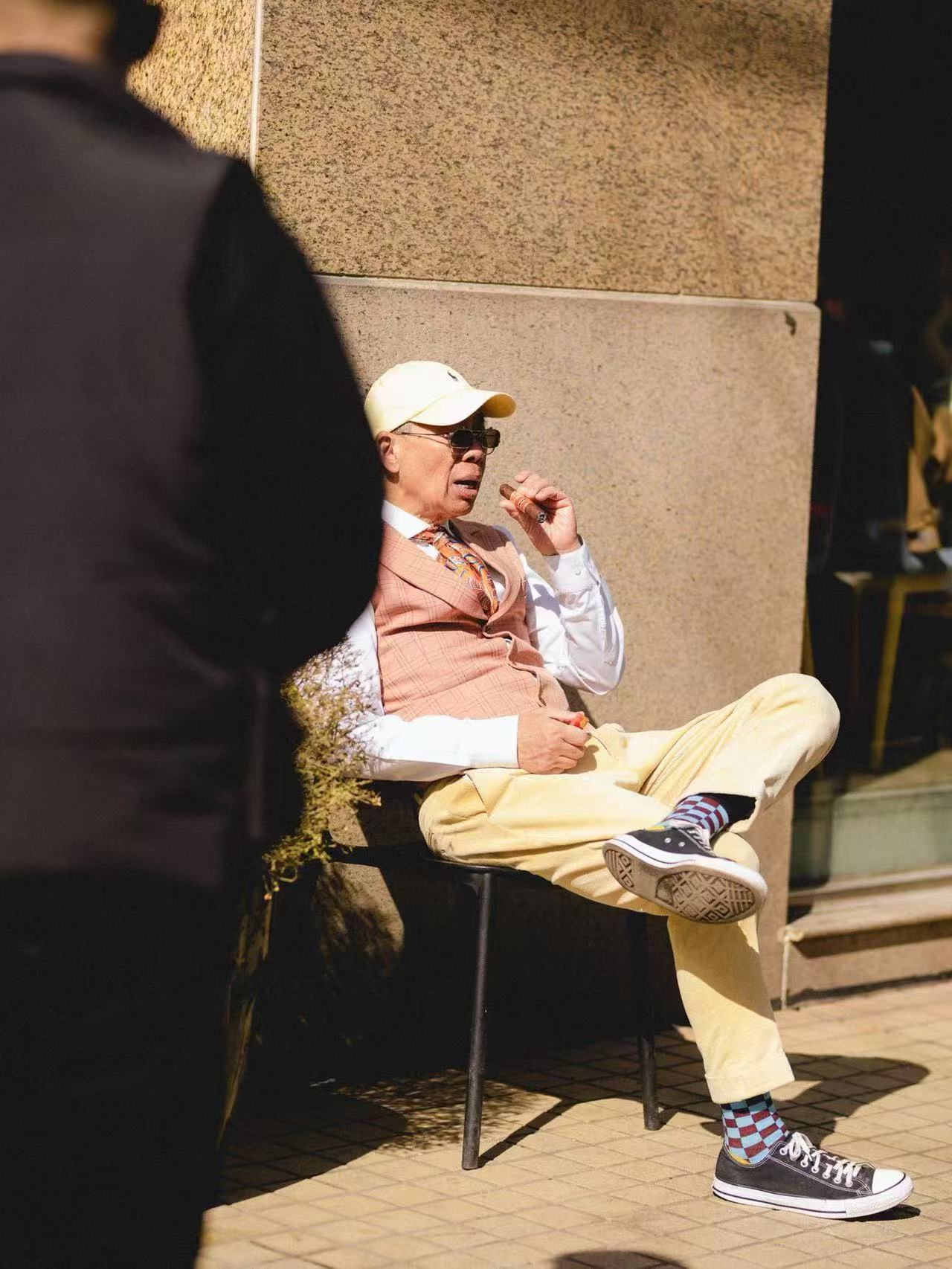
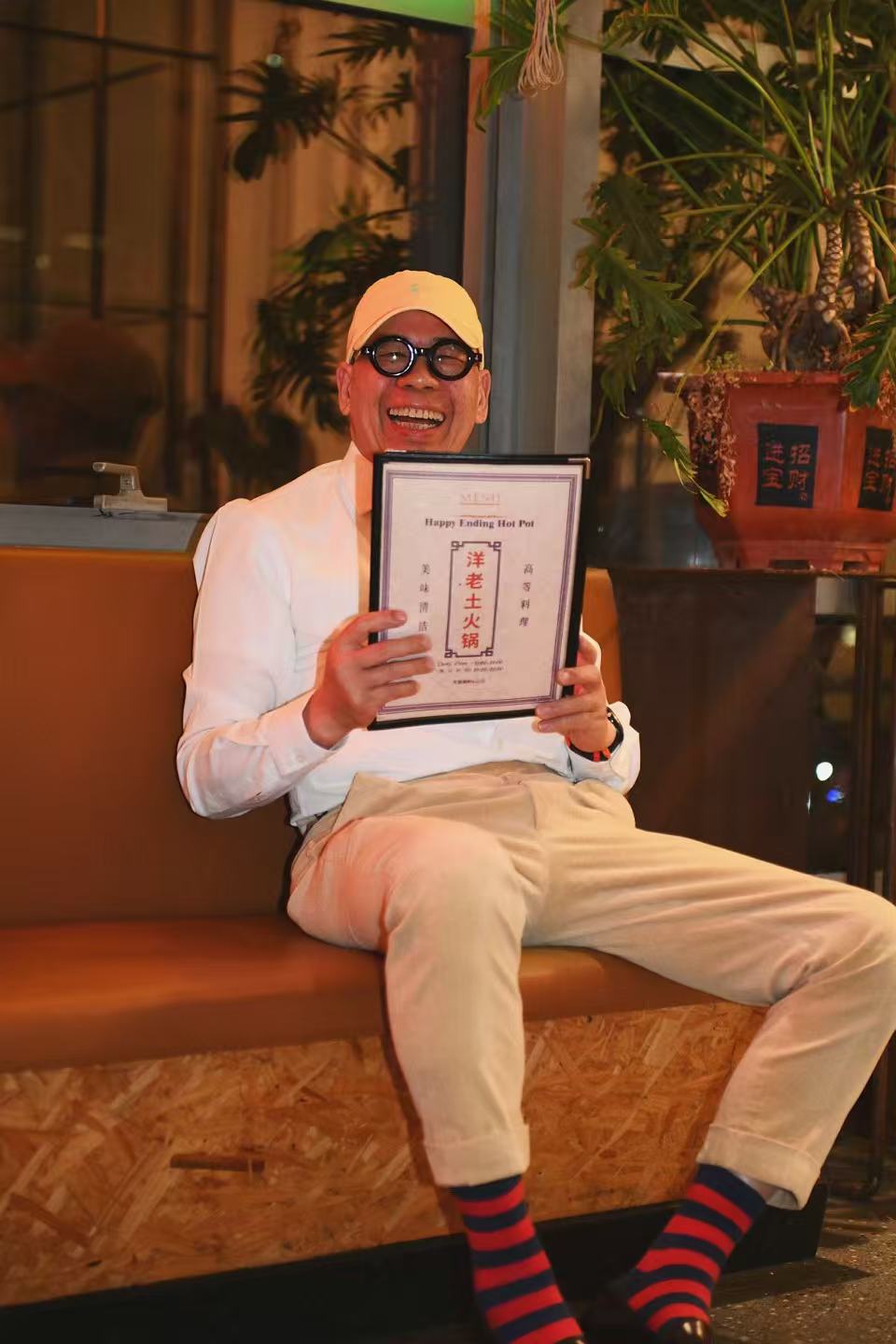
CNS: So, you got back around the end of the '00s. How was Shanghai back then?
Charlie: Yeah, 2011. Well, my dad, he liked to party. So the party scene back then in Shanghai was pretty good! Old school, man. Park 97. True Love. Guan Di.
I was supposed to do, like, a one-year break. I took my GMAT, and I thought I was going to do, like, a one-year party in Shanghai kind of deal and then go back and do my MBA. Then find a job. Go back to my original life. Go back to my safe, boring life.
But my dad opened up a bar here. Right at this exact location, which would become the first Charlie's, called Piro. So, my dad started it, but in the beginning it didn't do so well, and I came on to do the food. He was doing the bar stuff, and I was doing the food.
![[Empire Builders] Charlie of Charlie's The Burger Place!](https://obj.shine.cn/files/2026/01/08/1b196dc3-d9c3-494a-ad63-9b1c9ca6c0f2_0.jpg)
![[Empire Builders] Charlie of Charlie's The Burger Place!](https://obj.shine.cn/files/2026/01/08/9865a778-82e9-427b-9cbe-fa5927a03423_0.jpg)
CNS: So you just fell into it?
Charlie: Well, studying, I always thought I was pretty good at studying. I actually studied my ass off in college. So I'm like, I can definitely do this restaurant stuff. I thought it was going to be super easy. Like, how hard can it be? Running a restaurant? People can do it without education. You can just do it.
But I failed. Very badly my first year.
CNS: (Laughs.) How so?
Charlie: It was terrible, man. Okay, I think I'm very... I'm not saying I'm very Chinese, but I understand Chinese really well now. Back then, and this is also one of my biggest problems – I thought I was Chinese, and that's dangerous.
If you know you're not Chinese, that's one thing. But when you think you're Chinese... That's the problem. That's the problem. I know I look Chinese. And I grew up in a Chinese family, and I ate Chinese food. I thought I knew Chinese.
But to show you I'm not Chinese, I started selling sandwiches in November. I started selling cold sandwiches. And people were NOT into it. The Chinese clientele were not buying it.
I'm like, why? I'm making delicious sandwiches. I was super confused…
Long story short, don't try to sell Chinese people cold food in the wintertime.
![[Empire Builders] Charlie of Charlie's The Burger Place!](https://obj.shine.cn/files/2026/01/08/703c8b0f-6a10-4869-b788-d4cb138f4e02_0.jpg)
CNS: The cultural navigation was a rocky road, huh?
Charlie: Yeah, and back then I didn't know how to talk to my Chinese staff. Chinese staff and American staff, we do think differently. I learned all the management stuff in American schools from the English-language books. But those are no good.
CNS: They don't work in China?
Charlie: No, they're actually very bad.
CNS: What is one thing about the managerial style of Americans that does not work in China?
Charlie: People are just different. I'll tell you. American people are used to a sort of hands-off framework. You almost feel rude to micromanage. Like, it's insulting if you get right on someone and tell them step-by-step what should be happening. You don't want to be too "bossy," ordering people around. You want to lead a team. In China, people are more used to acting within a specific framework, and if you don't explicitly provide it, it all grinds to a halt. There is safety within the framework, and micromanaging is what's expected.
You think you're being mean telling Chinese staff specifically what to do – like giving lots of orders – but that's actually how they respond.
![[Empire Builders] Charlie of Charlie's The Burger Place!](https://obj.shine.cn/files/2026/01/08/c96ee798-c8d1-4104-ace2-2b194ff0891c_0.jpg)
![[Empire Builders] Charlie of Charlie's The Burger Place!](https://obj.shine.cn/files/2026/01/08/1b483332-fe42-45eb-8310-d3328b3bb0a0_0.jpg)
![[Empire Builders] Charlie of Charlie's The Burger Place!](https://obj.shine.cn/files/2026/01/08/9bcb8c98-cd66-4da2-9eb1-df4a58221116_0.jpg)
CNS: At what point did Piro stop and Charlie's come in?
Charlie: I did, Piro, I think. I came when I was 25 or 26. I did that for four years. I did a whole bunch of stuff in those four years. I opened Captain Rooster, a chicken place; Dos Locos, a burrito place; a noodle shop – just tons of venues.
CNS: You were just coming up with these concepts?
Charlie: I was coming up with all sorts of stuff. I was really active in my late 20s. When I hit 30, I was like, well, maybe I should streamline my stuff.
The first five years, I struggled a bit. I think I was still looking, so I was trying a bunch of things. Should I go back? Should I stay in China? Shanghai was so fun at the time, so I stayed. It was the Wild Wild West back then.
In 2011 to 2015 or so…
I mean, it was impossible to leave. When I came, China was a good time to start a new business. Because everything was cheaper. Testing bad ideas was cheaper. You could take risks, and you wouldn't lose that much if it didn't work out. But now, if you're not experienced, you will lose money very fast.
![[Empire Builders] Charlie of Charlie's The Burger Place!](https://obj.shine.cn/files/2026/01/08/35ad2fc4-3c73-436c-b1dc-e288771184a6_0.jpg)
CNS: How many venues have you opened over that time?
Charlie: A lot. I think 30 in total. We have 18 open right now and 14 of those are Charlie's. It's a mixture of Charlie's and Cantonese. But I've done just a wide range of stuff. Mexican, noodles, fried chicken. I've tried them all.
CNS: How are you finding all these venues? I was always under the impression that finding a good venue for an F&B venture was really difficult in Shanghai.
Charlie: Well, we've been in it for 13 years, so my network is quite big. People know us. So we get approached – hey, this opened up, or hey, this is now available…
CNS: What are you working on now?
Charlie: I have to say recently I've been opening my Chinese restaurant. Cantonese restaurant. We have a few Cantonese restaurants. They're doing really well. I've been doing it in Shanghai for 13 years. It's like it's in my blood. Also, we're working on expanding to 20 Charlie's by the end of 2026.
CNS: And going back then, from throwing everything at the wall in those years came Charlie's?
Charlie: At the time, fast casual was taking off in the US…
CNS: Is "fast casual" how you describe Charlie's? Boutique fast food?
Charlie: I would say "trading up." Which is just the idea of moving your meal from McDonald's to Chipotle – accepting slightly higher prices for better quality. Adding extras, adding sides, treating yourself to a better experience. The whole trading-up movement was happening in America.
And our economy in China was going up, too. I figured a more expensive fast food burger would be good. I was right. The first few years, Charlie's was doing really well.
CNS: Yeah, you guys were first. Or near to it anyways, and then the floodgates opened…
Charlie: Shake Shack came in, and Habit came in. A lot of people came in. White Castle came in. We were the first ones. Five Guys is still here…
But yeah, that's how we started Charlie's.
![[Empire Builders] Charlie of Charlie's The Burger Place!](https://obj.shine.cn/files/2026/01/08/5270967f-1e91-4246-ab99-c48e7139b0a7_0.jpg)
CNS: You developed a sort of community around Charlie's involving running groups. Can you tell us about that, and did it have a factor in your success?
Charlie: Joining a running club is the most fun a responsible adult can have. We go out, run together, and end at Charlie's for burgers and a lottttt of drinks. Community builds and deepens around these types of activities. Sure, everyone knows how to drink a beer. But doing a physical activity with others, well you get the endorphins flowing in a communal setting, and it creates a different kind of bond.
![[Empire Builders] Charlie of Charlie's The Burger Place!](https://obj.shine.cn/files/2026/01/08/3de83a92-8263-4142-9bf5-35e05dce6d40_0.jpg)
CNS: How did you go about developing the menu? I know there were "burger" places – Malone's, Blue Frog. But, as you say, you're kind of the first fast-casual place.
Charlie: In the beginning, it was easy because the only competition was McDonald's.
CNS: I guess you've come a long way, though, looking at the menu now.
Charlie: Now, we do a lot of Chinese stuff. Asian stuff. I'm from a Hunan background. My mom's mom is from Hunan. I really like spicy food.
Now, I add a lot of spicy stuff to the menu. Different kinds of peppers, stuff like that. And that's also a reflection of the audience now. Our new chicken is selling very well, which is nice and spicy – a Chinese-style chicken sandwich.
![[Empire Builders] Charlie of Charlie's The Burger Place!](https://obj.shine.cn/files/2026/01/08/4fc602b9-6cff-45bf-9d1b-e26517152e7c_0.jpg)
CNS: Do you pay attention to what other people – the competition – are doing and that kind of stuff? Do you follow food trends?
Charlie: I mean, I try to follow food trends, but, like now, trends are happening very fast. I'm at the age where I'm so old I don't think I can keep up with the food trends.
CNS: You're only 39…
Charlie: Yes, but in Shanghai that's old! When I first moved here, every new restaurant opening, I would know. You would know what's opening because it's fairly easy to keep track of everything and everyone.
Now, it's impossible because there are, like, so many new restaurants opening at the same time. The F&B space is becoming incredibly competitive.
CNS: It does feel like there are so many places opening. Why do you think that is? Do you think that will be sustained in Shanghai? Is that just an anomaly from the situation of the past few years, or is it the new normal?
Charlie: I think openings and closings will continue to happen very fast because in China people just have that mentality. And, also, F&B is like the lowest barrier to entry.
And people think it's so easy. Like how I thought it was so easy at the beginning. It definitely looks good from the outside!
![[Empire Builders] Charlie of Charlie's The Burger Place!](https://obj.shine.cn/files/2026/01/08/59a5e1ab-ba39-4cb9-9db4-6c621696e8f7_0.jpg)
CNS: Are you also responding to wider food trends?
Charlie: Absolutely, the best-selling stuff is our healthy options. The protein burger. Anything with avocados as well. That's a long-running trend. I use fresh avocados. I don't do the whole box stuff. I just slice it.
CNS: How about consumer attitudes toward going out and spending these days? What's the climate like for a restaurant owner in your market position?
Charlie: The main thing, which goes back to what I was saying earlier about trading up, is that industry-wide, there is a push towards "trading down." Trading up is when you think the next year is going to be good financially, so you spend a bit more on yourself now. Trading down is watching your budget, stretching your dollar, and trying to save money. It's not like people are actually poor. People still have a lot of money in the bank. They're just not wanting to spend it.
And China is really good at saving.
![[Empire Builders] Charlie of Charlie's The Burger Place!](https://obj.shine.cn/files/2026/01/08/658315f9-e748-4b11-9136-66f846e12262_0.jpg)
CNS: Tell me about developing the look and identity of Charlie's. I always thought it was really strong. The pink, the neon… I think I've seen the quirky neon lights and this specific pink in everything from cocktail bars to retail malls these days.
Charlie: It was really just I think I wanted something different. Like the whole rebel culture. Tapping into that, maybe. Also, my mom used to wash my white shirts and red shirts together since I was a kid. So... I wore pink even before it was trendy, and have rocked it ever since.
CNS: And the pink sauce.... everyone's wondering how you get it hot pink. Is this industrial chemical voodoo?
Charlie: Oh... no, no voodoo. We use dragonfruit to get the pink color, all natural baby.
Editor: Liu Xiaolin
In Case You Missed It...
 Apr 2, 2026



![[Explainer] Your Guide to Applying for A 5-Star Card in Shanghai](https://obj.shine.cn/files/2026/03/25/abba9cd8-a391-4d52-89cc-78e198e96628_0.jpg)
