Aldi China Faces Lawsuit Over Lookalike Product Amid Disputes Across Beauty, Food and Fashion
Aldi China has been named in an unfair competition lawsuit filed by Shiseido China, with the Shanghai Pudong New Area People's Court scheduled to hear the case on November 5, Jiemian News reported.
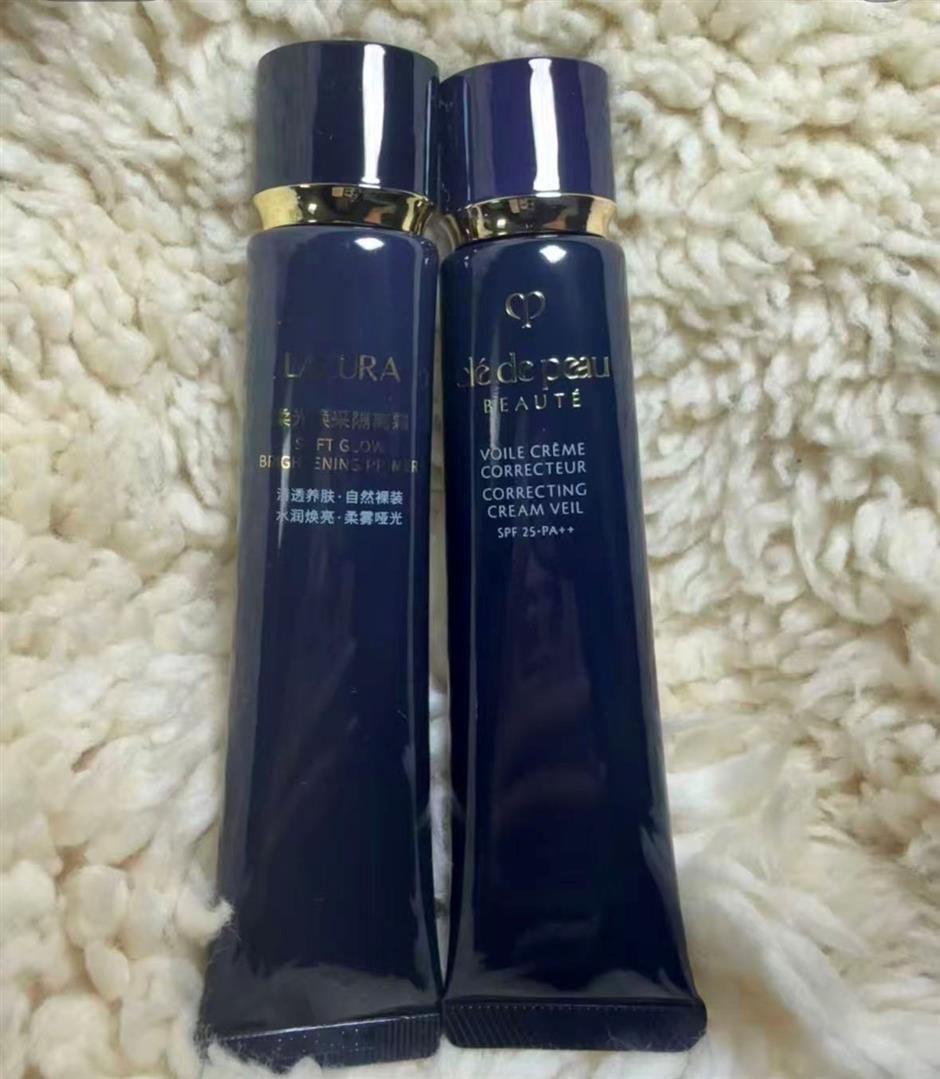
The case centers on a makeup primer sold under Aldi's private beauty brand LACURA. The product's outer packaging and bottle design closely resemble those of a primer from its high-end brand Clé de Peau Beauté, also known as CPB.
The defendants include Aldi (China) Investment Co, the product's contract manufacturer and the company which operates the store selling the product.
Shiseido brought the case as an unfair competition dispute rather than a trademark infringement claim. Legal experts said the approach may reflect that LACURA uses an independent brand name and does not directly use Shiseido's trademark, while Shiseido could allege that the packaging takes advantage of CPB's commercial reputation, according to the report.
The legal issue is expected to focus on whether consumers could confuse the two products. Given the large price gap, Aldi could argue that ordinary consumers can easily distinguish them.
The LACURA product sells for 24.9 yuan (US$3.71), while CPB's official price is 540 yuan.
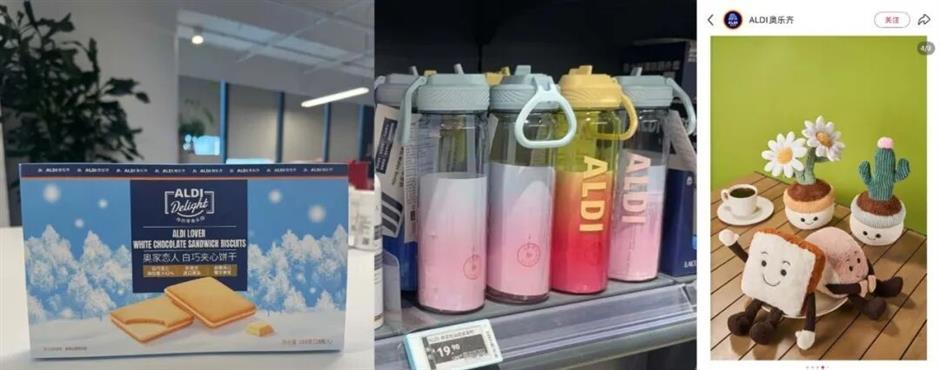
Products sold under Aldi’s own brands have been compared with well-known items across food, household goods, toys and clothing. Its Xunlu oolong tea, for example, has been described online as visually similar to Suntory’s bottled tea, while plush toys priced at around 10 to 20 yuan have been marketed by shoppers as cheaper alternatives to Jellycat. Some sports tops have also been compared with Lululemon’s popular Ebb line.
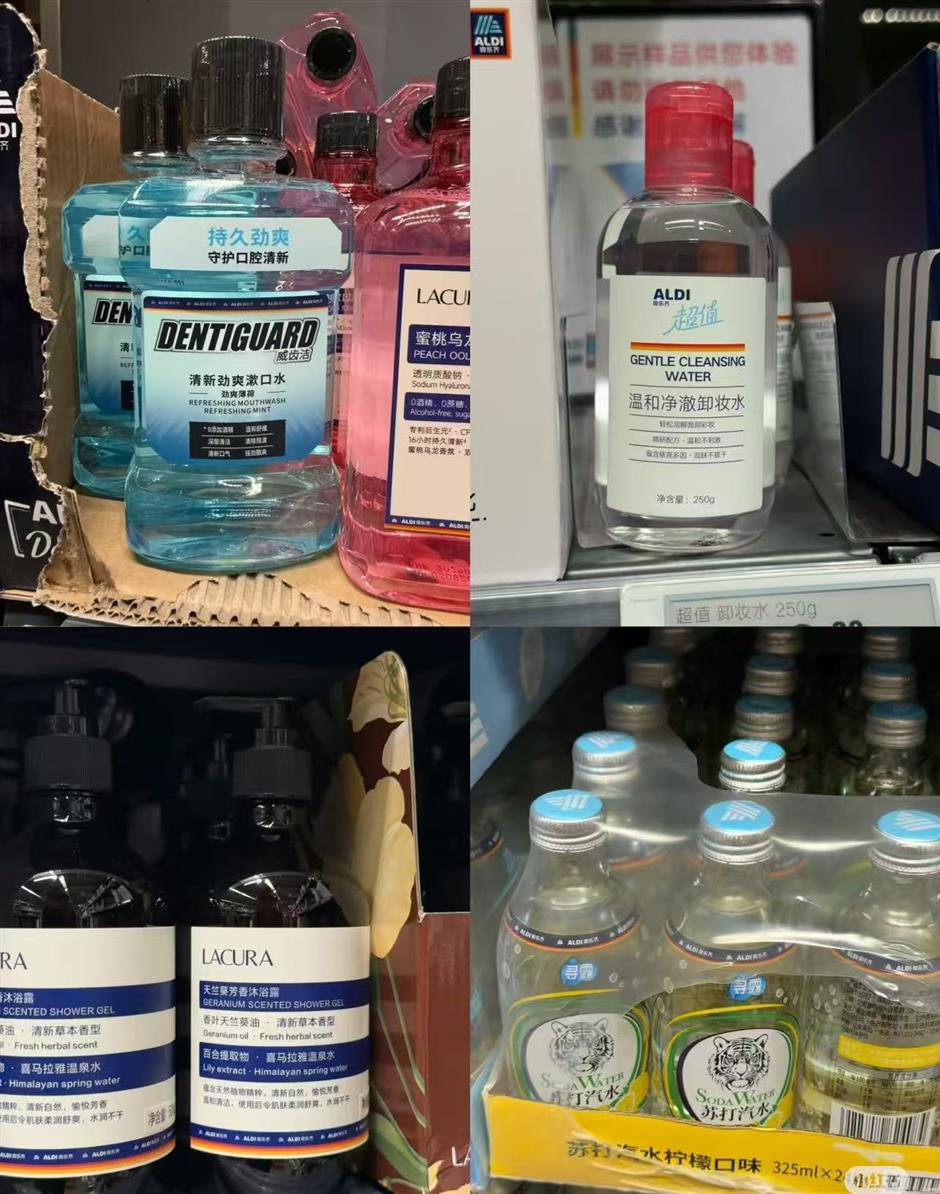
The similarities generally fall into several categories. The most common involve packaging, color schemes and overall visual style. In other cases, product names and key selling points resemble those already familiar to consumers.
Several of Aldi’s bath and body products have also been compared with those of Australian skincare brand Aesop because of their packaging and visual presentation.
The comparisons highlight Aldi’s broader strategy in China, where private-label products are a central part of its retail model. By offering products with familiar-looking designs or positioning at substantially lower prices, the retailer has attracted consumers looking for cheaper substitutes for established brands.
In overseas markets, Aldi has also faced intellectual-property disputes. A British court ruled in 2019 that a LACURA contour palette infringed copyright because of similarities to a Charlotte Tilbury product. In late 2024, an Australian federal court found that the packaging of a specific Aldi baby puffs product (MAMIA range) infringed copyright in the Baby Bellies Puffs packaging. In May 2025, Mondelez International sued Aldi in the United States, alleging that several private-label cookie and cracker packages imitated products including Oreo, Chips Ahoy!, Ritz, Nutter Butter and Nilla Wafers; that case remains pending.
Aldi, a German hard-discount retailer founded in Essen in 1913, operates in more than 10 countries and has more than 10,000 stores worldwide, according to public information. It entered China through cross-border e-commerce in 2017 and opened its first physical stores in Shanghai in 2019.
The company operates more than 10 private-label brands, and private-label products account for more than 90 percent of the goods in its stores. LACURA is its main beauty and personal-care label.
Editor: Wang Qingchu
In Case You Missed It...
 Sep 17, 2026
![[Hai Lights] A Foodie's Guide to Shanghai's 10 Best Sandwiches](https://obj.shine.cn/files/2026/09/16/660ac7b7-ec7c-404c-9872-976848781dda_0.jpg)

![[Community] Say Bye, Say Hi: An Evening of Swapping, Sharing and Connecting](https://obj.shine.cn/files/2026/09/16/699fe833-2ba8-4118-b51a-6cee96e14a30_0.jpg)