'Integration' is Shanghai Daily's Word of the Year 2025
Language, as a mirror of its time, reflects the shifting currents of culture and society. As each year draws to a close, authoritative dictionaries and linguistic institutions across the English-speaking world unveil their Word of the Year – an established ritual that has evolved into a cultural event of considerable symbolic weight.
The year 2025 saw another great selection of words, with top dictionaries reflecting the feelings of a time marked by quick changes and deep uncertainty, summarizing the worries, hopes, and changes of 2025 into a few key words, and providing a language record of social change.
On November 6, Collins English Dictionary took the lead by naming vibe coding as its Word of the Year. The term refers to an emerging programming paradigm in which users describe intentions in everyday language while AI systems automatically generate executable code. Programming, once the preserve of trained specialists, is thus reframed as an accessible, almost intuitive activity – suggesting a future in which anyone can be a coder.
Cambridge Dictionary soon followed with "parasocial," a term rooted in communication theory dating back to 1956. In the digital age, the word has acquired renewed relevance. It captures the one-sided emotional bonds people form with influencers, virtual idols, or even AI assistants – feeling intimate yet lacking real interaction – an increasingly common feature of modern social life.
Lexical evolution can be playful as well as profound. Dictionary.com surprised many by selecting the seemingly arbitrary number 67 (six-seven), a slang expression that went viral among American youth in 2025. Used to convey a sense of resignation – so-so, good enough, or it is what it is – the term offers a linguistic portrait of a generation's pragmatic, understated worldview.
Oxford Dictionary's rage bait reflects the phenomenon of social media exploiting sensitive topics to deliberately trigger and amplify users' angry emotions. Merriam-Webster selected "slop," focusing on the troubles and brain drain people nowadays face from the mass production of low-quality AI-generated content.
Collectively, these choices – spanning AI ethics, human-machine relations, social psychology, lifestyle, and workplace practices – act as a kaleidoscopic lens, reflecting the complex and often contradictory realities of 2025.
Since 2021, the Center for Corpus Application and Research at Sanda University has selected the Word of the Year from Shanghai Daily. Shanghai Daily is the only English newspaper in Shanghai and the most influential foreign-language media in the Yangtze River Delta region. The initiative aims to capture the pulse of the year through language and to present China's, particularly Shanghai's, economic, social, and cultural developments to a global readership.
The Word of the Year can be a phrase or a short sentence, not just a word. The key point is that it should be representative enough to reflect the major events, social trends, and zeitgeist of the year. The depth, breadth, intensity, and sustainability of the word's influence should also be considered. Over the past four years, the Center has selected vaccine (2021), omicron (2022), ChatGPT (2023), and AI (2024). The section attracted widespread attention.
In the early winter of 2025, the center resumed its annual project. The data collected covered the past 12 months, from December 2024 to November 2025. With the help of computer-aided statistical analysis plus human interpretation, the words used by Shanghai Daily in 2025 were revealed. These candidates underwent several rounds of rigorous evaluations and reassessment to make it to the final shortlist.
Shanghai Daily's Word of the Year 2025 :Integration
"Integration," along with its root verb "integrate" and variant "integrated," has emerged as the most representative word of the year in Shanghai Daily 2025. Its prominence aligns closely with the strategic vision outlined in China's 15th Five-Year Plan, particularly the emphasis on intelligent, green, and integrated development. The high frequency and broad applicability of integration sketch a panoramic picture of development in 2025 – one defined not by isolated advances, but by convergence and synthesis.
National initiatives such as the Yangtze River Delta Integration Demonstration Zone and the Ecology and Greenery Integration Demonstration Zone stand as flagship models of high-quality integrated development. Integrative thinking sparks boundless creativity. The in-depth integration of ACG (animation, comics, and games) culture with the urban ecosystem has revitalized historic Shanghainese neighborhoods, giving rise to vibrant ACG-themed commercial districts and cultural events. Meanwhile, the integrated development of business, tourism, culture, sports, and exhibitions continues to generate new consumption experiences. Moreover, the digitalized integration of medical records across the city has greatly enhanced public well-being, improving both efficiency and quality of life in the metropolis.
Throughout Shanghai Daily's reporting, other terms also showed remarkable prominence, i.e. AI (artificial intelligence), digital, transformation, smart, innovation, green, and carbon. Yet, integration acts as a powerful unifying force, cohesively bringing these key concepts together to outline a grand vision of development.
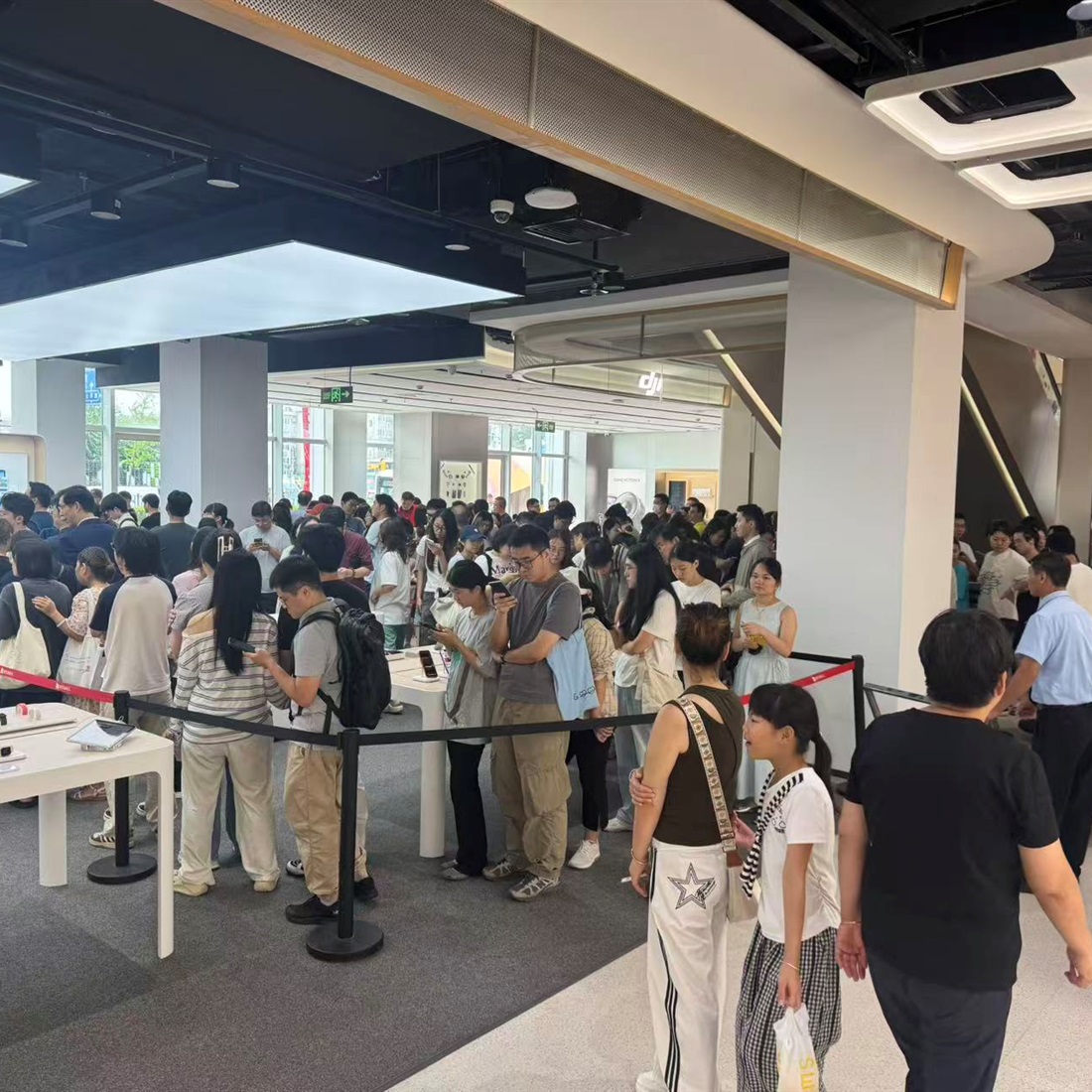
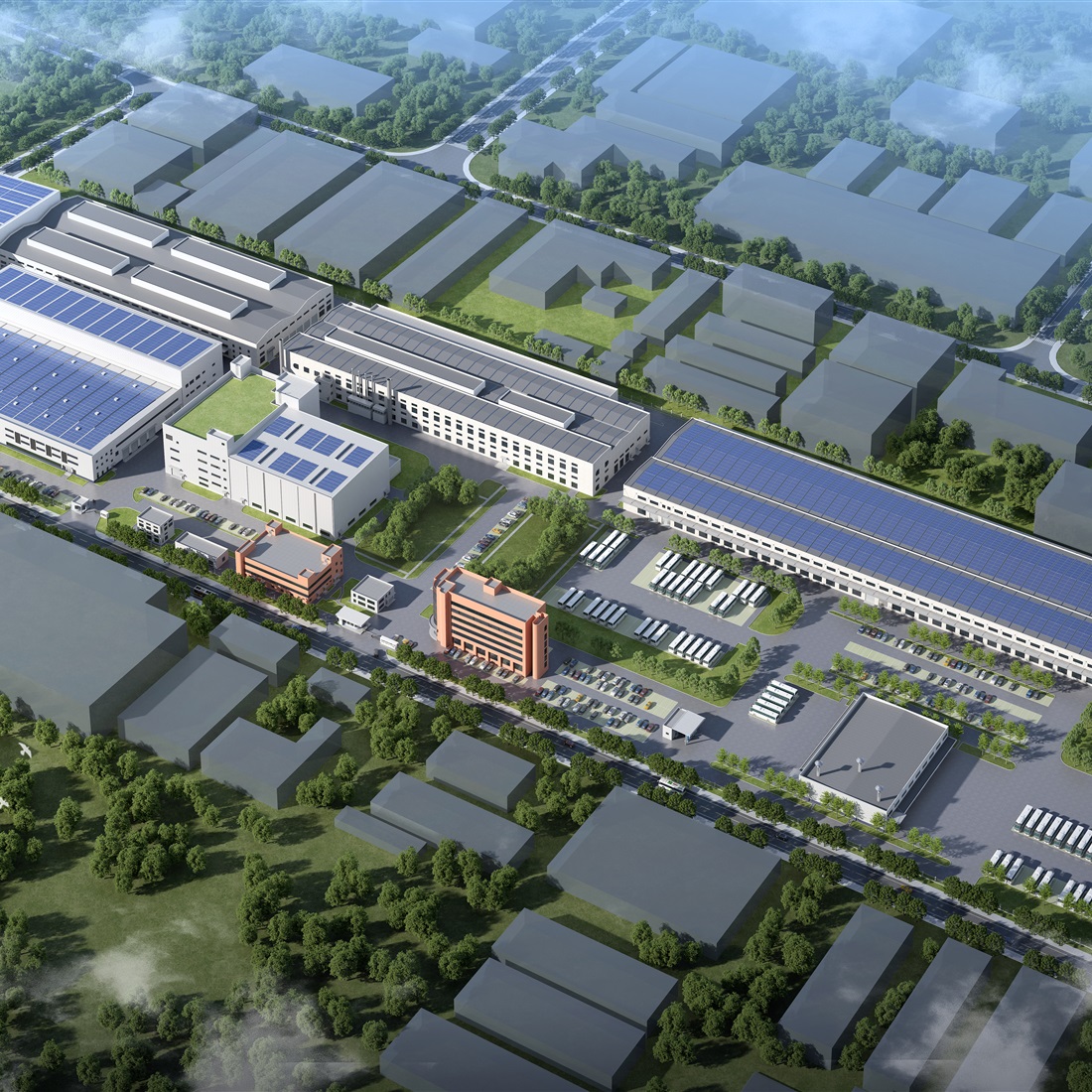
The digital economy has consolidated its role as a core growth engine. To stay competitive, manufacturing companies use digital production lines and digital exhibition halls. Transportation and energy systems rely on integrated digital management platforms for refined governance. Digital preservation and dissemination have breathed new life into intangible cultural heritage, while social and entertainment practices increasingly reflect digital-first behavior, with new phenomena even emerging in the emotional sphere, such as seeking digital emotional band-aids.
The smart city, with its people-centered philosophy, features intelligent vehicles enhancing driving experiences through voice, touch, and AI agents. Smart home devices like smart beds and smart bathrooms, integrating health monitoring features, are becoming commonplace. Similarly, smart devices such as smartphones and smart glasses are continuing to evolve. Meanwhile, green integration underscores society's transition toward sustainability, guided by China's dual-carbon goals of carbon peaking and carbon neutrality.
Beyond policy and practice, integration resonates with deep Chinese philosophical traditions. It echoes the I Ching notion that "when heaven and earth interact, all things flourish," as well as the Confucian ideal of "harmony without uniformity." It embodies the ancient concept of the unity of man and nature, representing an ancient Eastern wisdom particularly precious in today's world, experiencing profound division and confrontation. Against a backdrop of intensifying geopolitical conflicts, rising trade protectionism, and deepening ideological opposition, China upholds the concept of "a community with a shared future for mankind," promoting connectivity through the Belt and Road Initiative and deepening international cooperation with an open and inclusive commitment. This concept of integration in foreign policy profoundly embodies China's reflections and wisdom on global governance.
Apart from integration, Shanghai Daily in 2025 features some striking, future-oriented terms. The low-altitude economy has quietly evolved into a transportation revolution concerning urban skies. Flying cars are no longer science fiction scenarios, while low-altitude logistics drones have already begun delivering our meals across city skies – raising the possibility that your lunch may soon arrive from above. Humanoid robots, capable of high-speed running and effortlessly executing standing backflips, are stepping out of laboratories and into daily lives. DeepSeek made waves with its open-source, low-cost, high-performance model, marking a pivotal moment in which China's large-model development shifted from "catching up" to "running alongside," and in some respects, "leading" the world. The classic figure of Nezha regained immense cultural vitality. From the big screen to merchandise, from domestic buzz to international fandom, the rising prominence of Nezha signals the growing global appeal of traditional Chinese culture.
Language never stands still. The rise and fall of buzzwords trace the rhythm of society itself. Years from now, when we look back on 2025, integration – and the linguistic ecosystem surrounding it – will undoubtedly evoke vivid memories of an era defined by convergence, innovation, and openness.
(Yang Zhixia, associate professor of the School of Foreign Languages at Sanda University in Shanghai; director of the Center for International Communication of Chinese Culture; Hugo Tseng, dean of the School of Foreign Languages at Sanda University in Shanghai)
Editor: Yang Meiping
In Case You Missed It...
 Sep 22, 2026