Medical Reality Show Sparks Backlash Over Clinical Standards

A Chinese medical reality show has drawn criticism for presenting a research-heavy résumé as evidence of clinical excellence while airing casual remarks about diagnosis and patient records. The backlash has also focused attention on the risks of turning professional medical training into entertainment.
The eighth season of "An Exciting Offer" follows medical trainees. Much of the backlash centers on Li Ziqi, a neurosurgery doctoral student at Fujian Medical University, whom the show portrayed as an exceptional candidate with 10 Science Citation Index papers and experience participating in Category IV operations, the highest surgical risk and difficulty tier.
During an imaging assessment, Li described his answer as a "blind guess" of craniopharyngioma, prompting a supervisor to warn against guessing diagnoses. Remarks that writing medical records was merely a routine that could be learned in a day, and that he did no clinical work during his doctorate, also attracted criticism.
The remarks have sent the university scrambling to clarify. According to Xiaoxiang Morning Post, university staff stated on October 21 that Li had completed 18 months of clinical rotations and that his wording had caused a misunderstanding. A university disciplinary official said no report alleging academic fraud by Li had been received at that point.
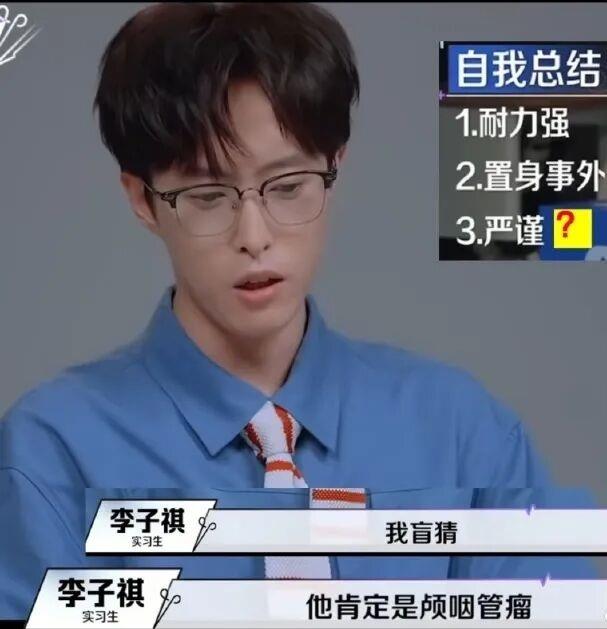
Critics also said the show exaggerated references to “participating in Grade IV surgeries,” used questionable wording about paying expenses for patients, and showed an intern confusing the left and right sides during an examination — an error that could have serious clinical consequences.
Some commentators argued that editing turned these lapses and controversial remarks into entertainment and dramatic conflict, rather than treating them with the seriousness expected in a medical setting.
Medical shows can make difficult subjects accessible without reducing them to star-making contests. They should explain uncertainty, show the work behind clinical decisions and give professional standards priority over dramatic reversals, according to a commentary in The Paper.
The report warned that distorted portrayals could undermine trust in doctors. The stronger purpose of medical television is to help viewers understand the care, discipline and long training that medicine demands. Professional medical content deserves clarity and scrutiny. Its presentation should serve public understanding, with entertainment kept subordinate to accuracy and respect for patients.
Editor: Wang Qingchu
In Case You Missed It...
 Sep 22, 2026

Popular Reads

Global Tech Selloff Snares Chinese Stocks Amid Doubts About the AI Boom
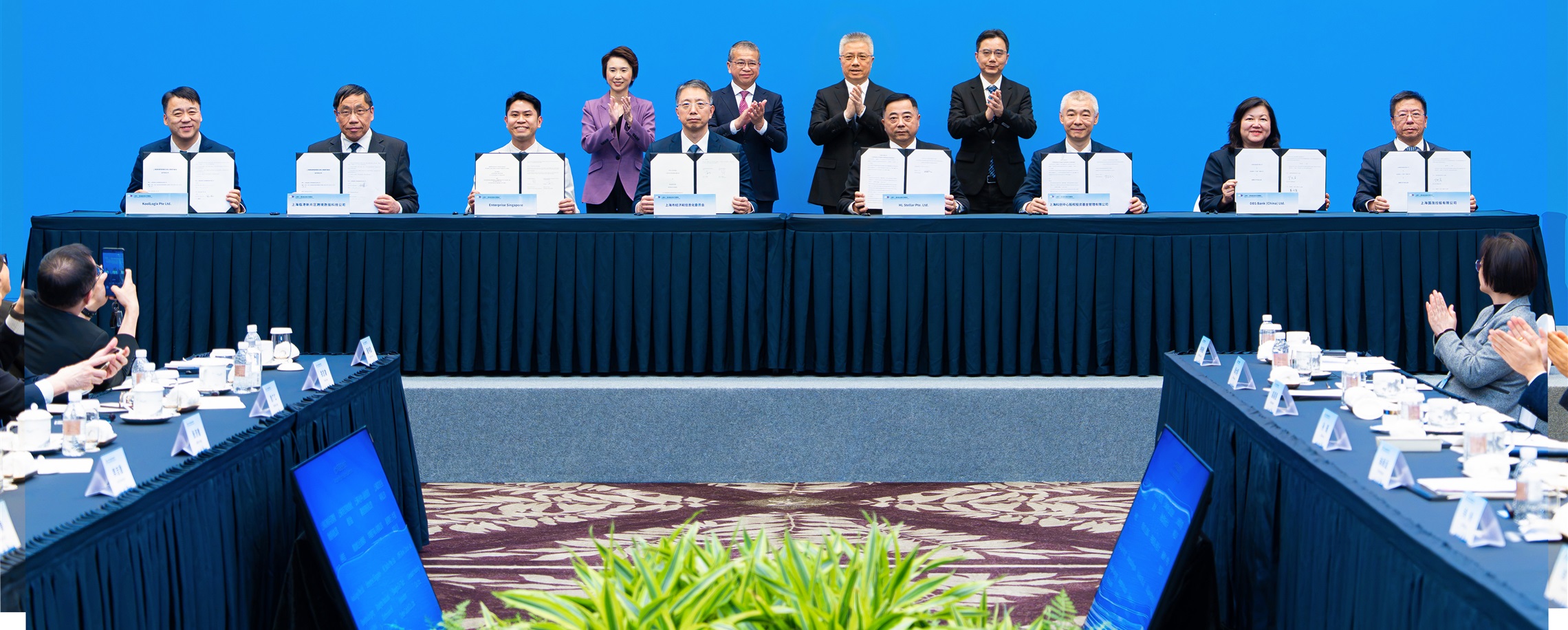
Shanghai, Singapore Ink 16 Deals, Advancing Cross-border Finance, Innovation and Cultural Ties

Viral Beijing Photo Brings Couple Back to Tie the Knot