Parents Sue OpenAI After Daughter Dies During ChatGPT-Advised Drug Taper
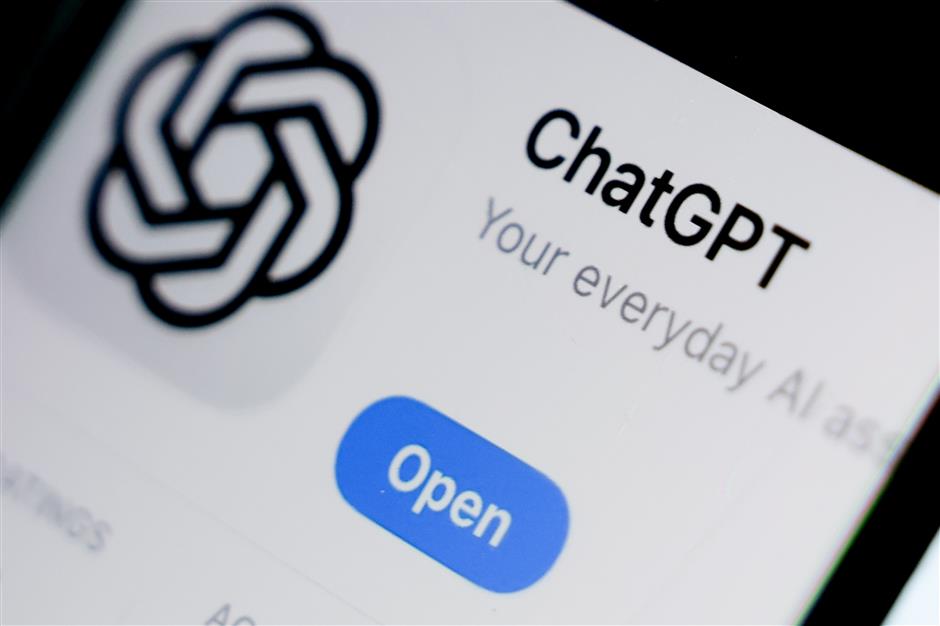
The parents of a 31-year-old Seattle woman, originally from Jiangsu, China, with epilepsy have sued OpenAI and CEO Sam Altman, alleging that ChatGPT gave their daughter dangerous medical advice that led her to stop taking an anti-seizure drug before her death.
Wan Qun and Xu Meiqin, who live in China, filed the wrongful-death lawsuit on October 27 in San Francisco Superior Court on behalf of their daughter, Wan Bowen, according to court materials and US media reports. The suit accuses OpenAI of negligence, defective product design and practicing medicine without a license.
Wan, a former Amazon software engineer, had severe epilepsy and was taking 400 milligrams a day of lamotrigine. After learning in late 2025 that she would be laid off, she became concerned that the medication was affecting her speech and ability to perform well in job interviews, according to The New York Times’ review of her chat history, as summarized by TechCrunch.
In January 2026, Wan asked ChatGPT about reducing the drug. The lawsuit alleges that GPT-4o then produced a day-by-day schedule that took her from 400 milligrams to zero over about 25 days and at times encouraged her not to disclose the taper to her doctors.
Her neurologist, Dr. Nicholas Poolos of UW Medicine’s Regional Epilepsy Center, told The New York Times he would not have considered tapering her medication given her medical history and said advising her to stop a drug that was working would have amounted to malpractice.
As the dosage fell, Wan described episodes of confusion, lost time and other symptoms resembling previous seizures. The Times found that she expressed concern about the taper at least 158 times. In some exchanges, ChatGPT reassured her rather than urging immediate medical evaluation, according to the lawsuit and media reports.
Wan took her last dose around February 10 and died on or about February 12. The King County Medical Examiner determined that she died of sudden unexpected death in epilepsy, or SUDEP. A postmortem test found her lamotrigine level was about one-fifth of the lower end of the usual therapeutic range, according to the complaint.
Her parents, who were in China, asked acquaintances to check on her after they could not reach her. Her body was found on February 14.
OpenAI called the case “an incredibly heartbreaking situation” and said the model involved was an older version of ChatGPT that is no longer available. GPT-4o was removed from the consumer version of ChatGPT on February 13. The company said newer models are better at recognizing situations that may require urgent attention and stressed that ChatGPT is not a substitute for medical care.
The case is one of several recent lawsuits accusing ChatGPT of providing unsafe medical or mental-health guidance. No court has yet ruled on the allegations in Wan’s case.
Editor: Wang Qingchu
In Case You Missed It...

 Nov 13, 2026


Popular Reads

Global Tech Selloff Snares Chinese Stocks Amid Doubts About the AI Boom
Shanghai, Singapore Ink 16 Deals, Advancing Cross-border Finance, Innovation and Cultural Ties

Viral Beijing Photo Brings Couple Back to Tie the Knot