South Korea's Court Upholds 4-Year Sentence for CEO Over Factory Fire That Killed 17 Chinese
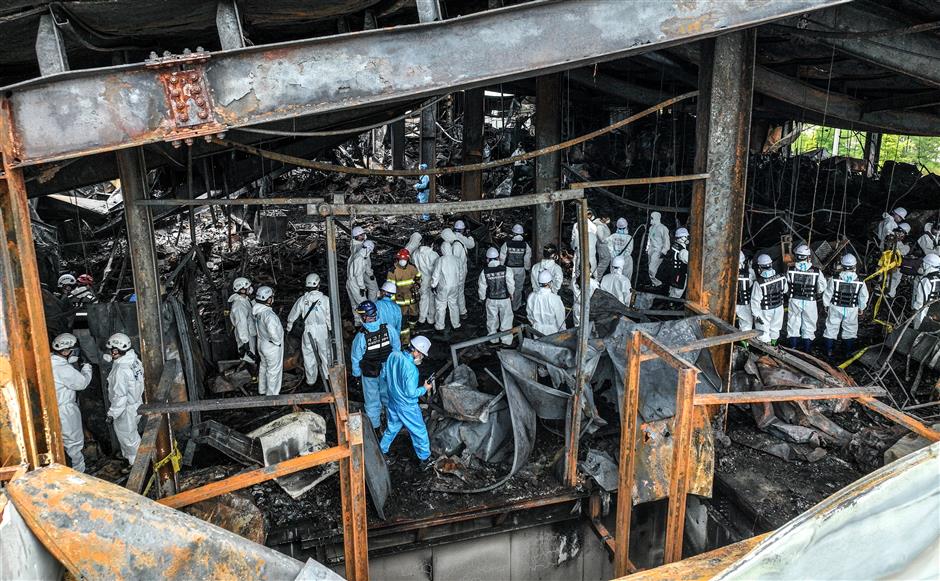
South Korea’s Supreme Court today upheld a four-year prison sentence for the head of battery maker Aricell over a 2024 factory fire that killed 23 workers, including 17 Chinese nationals.
The Supreme Court’s first division rejected appeals from both prosecutors and defendants and affirmed the lower court’s sentence for Aricell CEO Park Soon-kwan, Yonhap News Agency reported. Park was convicted of violating South Korea’s Serious Accidents Punishment Act and other safety rules. His son, Park Jung-eon, an executive at the company, had a seven-year prison sentence upheld, while Aricell was fined 800 million won (US$602,000).
The fire broke out on June 24, 2024, at Aricell’s lithium battery factory in Hwaseong, Gyeonggi province, killing 23 people and injuring nine. Park was later detained and indicted over failures including inadequate checks for workplace hazards and the absence of proper emergency guidelines for serious accidents.
A trial court had sentenced Park to 15 years in prison after finding that he qualified as a “responsible management officer” under the Serious Accidents Punishment Act. At the time, it was the heaviest sentence imposed since the law took effect in 2022.
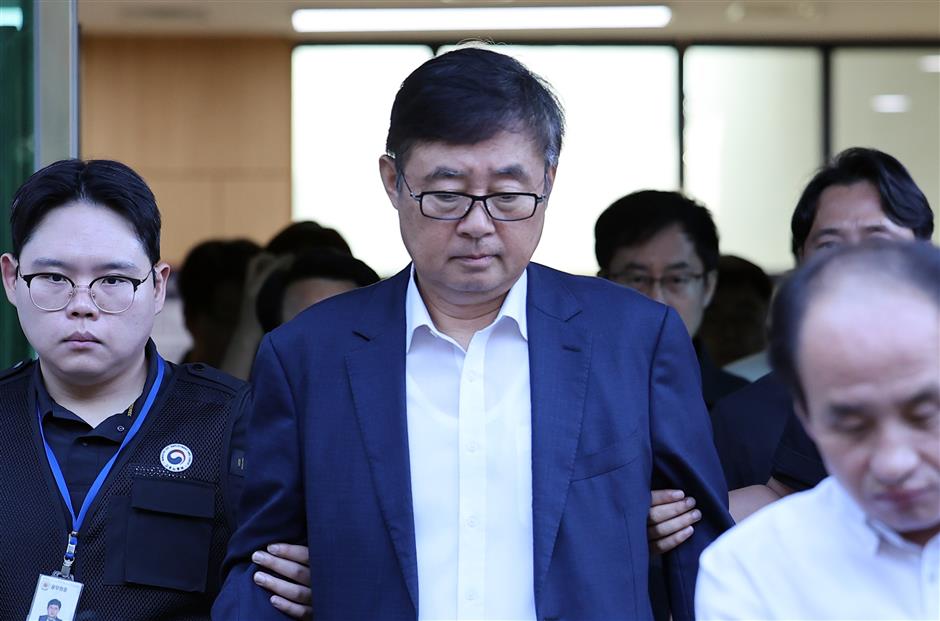
An appeals court agreed that Park bore management responsibility but reduced the sentence to four years. It overturned some findings related to emergency-exit requirements and also took a different view of how agreements reached with some victims’ families should be reflected in sentencing. The Supreme Court found no grounds to overturn that ruling.
Southern Metropolis Daily previously reported that 17 of those killed were Chinese citizens.
According to an investigation released by South Korean police in August 2024, Aricell had since 2021 allegedly manufactured separate battery samples specifically for quality inspections tied to military supply contracts, switched samples and falsified data to pass checks by South Korea’s Defense Agency for Technology and Quality.
Investigators also found that the factory had increased production beyond normal capacity to meet delivery targets while using workers who had not received sufficient training, Southern Metropolis Daily reported. The resulting rise in defective products was identified as a factor behind the fire.
Foreign workers made up a significant share of the labor force in Hwaseong’s industrial parks, where manufacturers have relied heavily on migrant labor amid South Korea’s labor shortages and high domestic labor costs, the report said.
Editor: Wang Qingchu
In Case You Missed It...
 Nov 14, 2026