Why 'No Heartburn' Became China's Favorite Seal of Approval
Across Chinese social media this autumn, one of the highest compliments you can pay a noodle shop, a winter coat, or even a coworker is that they won't give you heartburn.
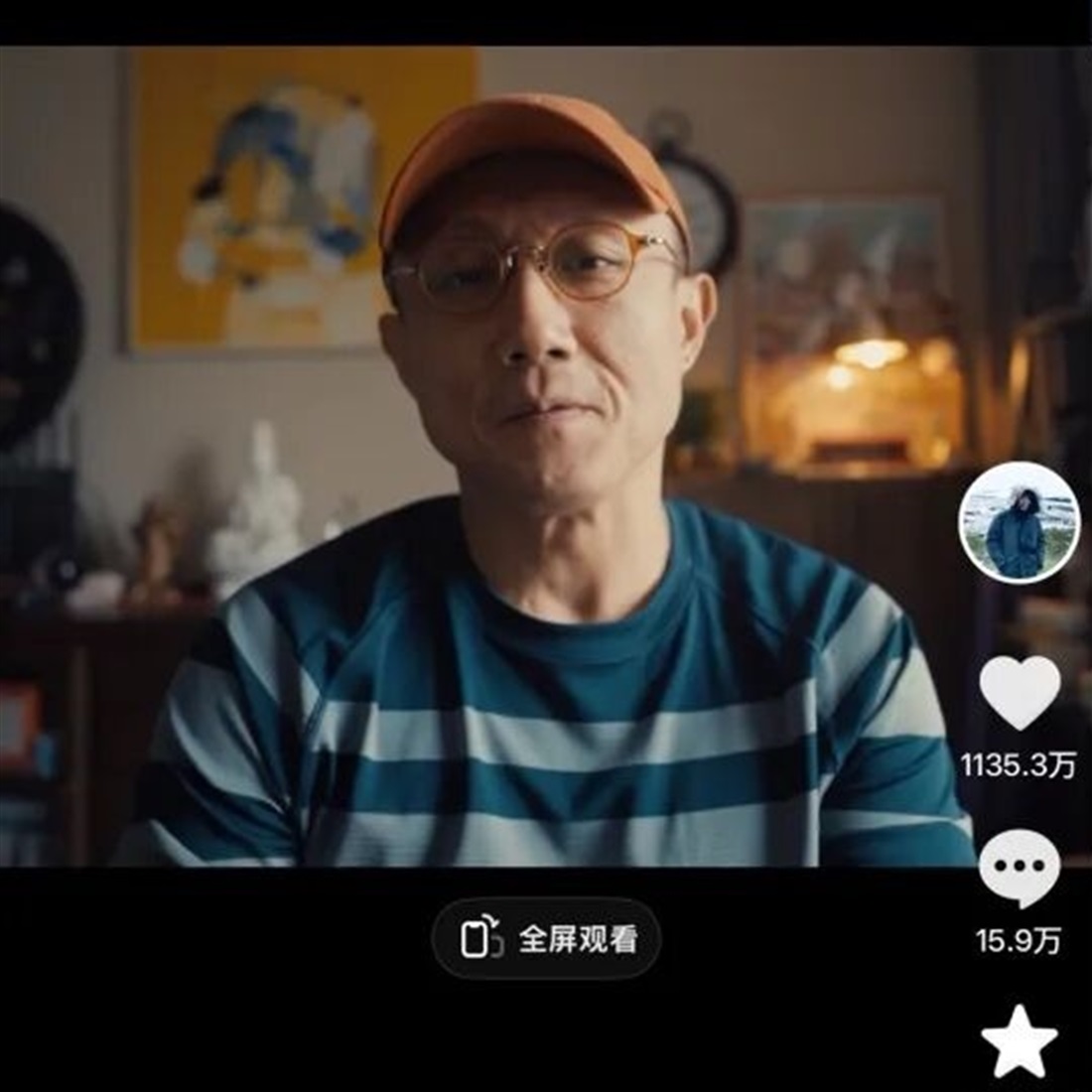
The catchphrase–bu shaoxin, literally "no heartburn"–has surged past 2 billion views on short-video platforms such as Douyin and Hongguo, according to Chinese media reports, jumping from an unlikely source: assembly-line, AI-generated micro-dramas.
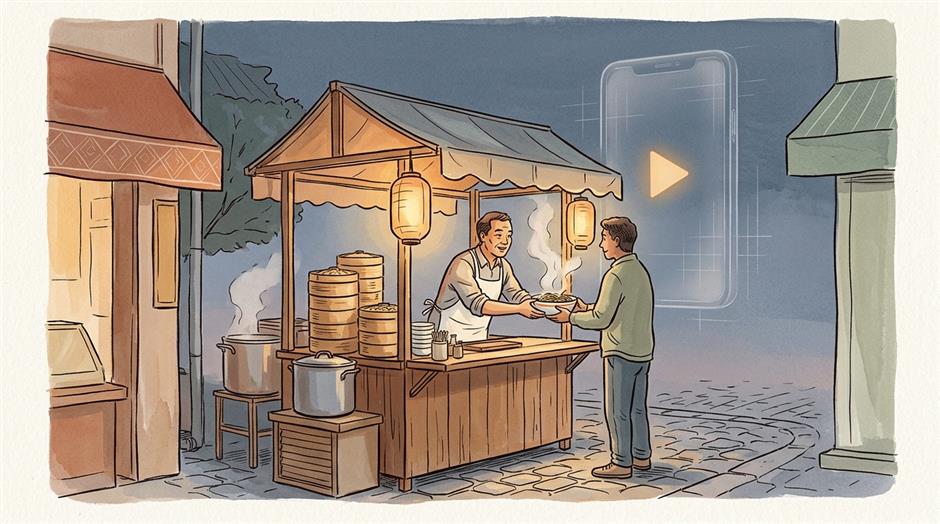
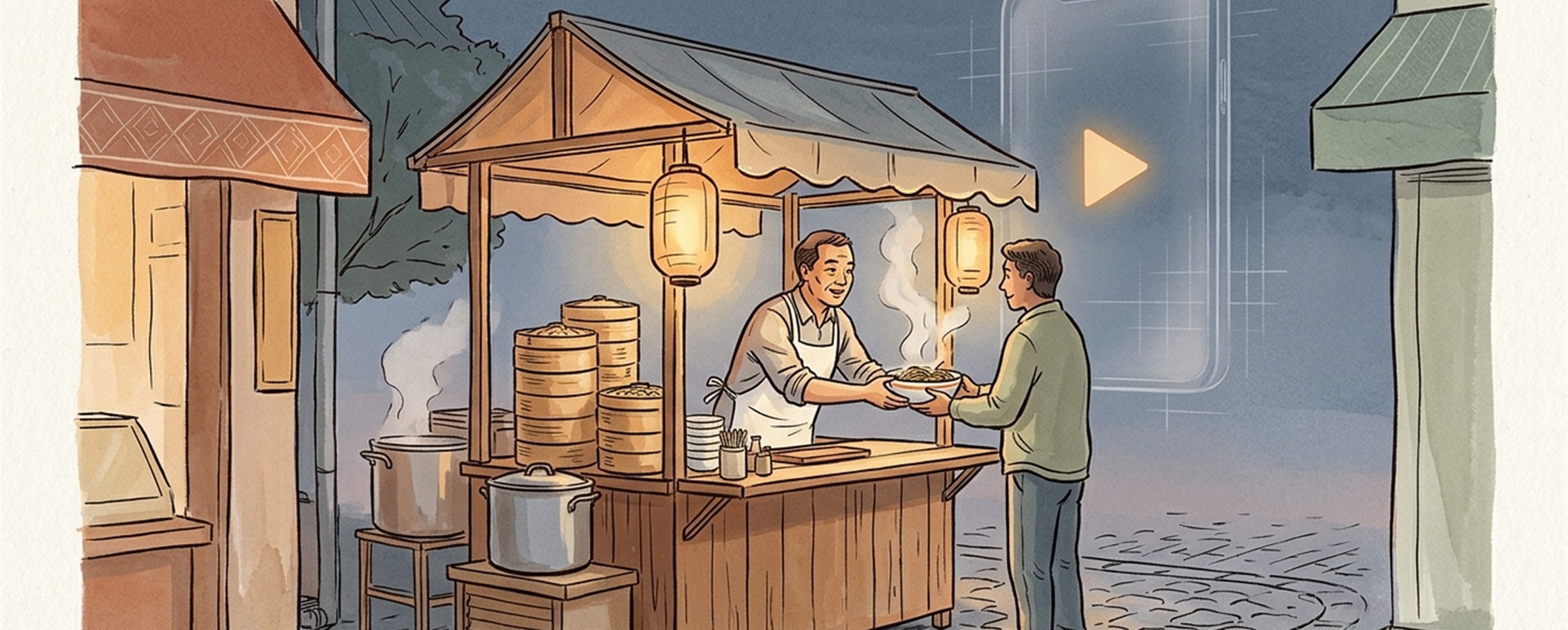
The plots of these bite-sized shows are almost comically predictable. A conscientious street-food vendor–running a steamed bun shop, a boxed-lunch stall, or a noodle counter–refuses to cut corners with cheap cooking oil or questionable ingredients, even as a ruthless rival undercuts them on price. After the inevitable downturn and twist, the rival's scheme collapses and loyal customers return to deliver the punchline: "It's a bit pricier, boss, but it doesn't give you heartburn."
Lines like "I'd rather earn less than break my own rules" have been repeated across hundreds of near-identical clips, turning a throwaway food-safety trope into a nationwide punchline–and, unexpectedly, a cultural barometer.
What started as ironic parody quickly broadened into everyday speech. Online shoppers use bu shaoxin to praise products that cost slightly more but actually hold up. Office workers apply it to straightforward colleagues who don't play politics. The phrase has even been adopted in consumer advice and anti-fraud campaigns as shorthand for anything honest, reliable, and free of hidden catches.
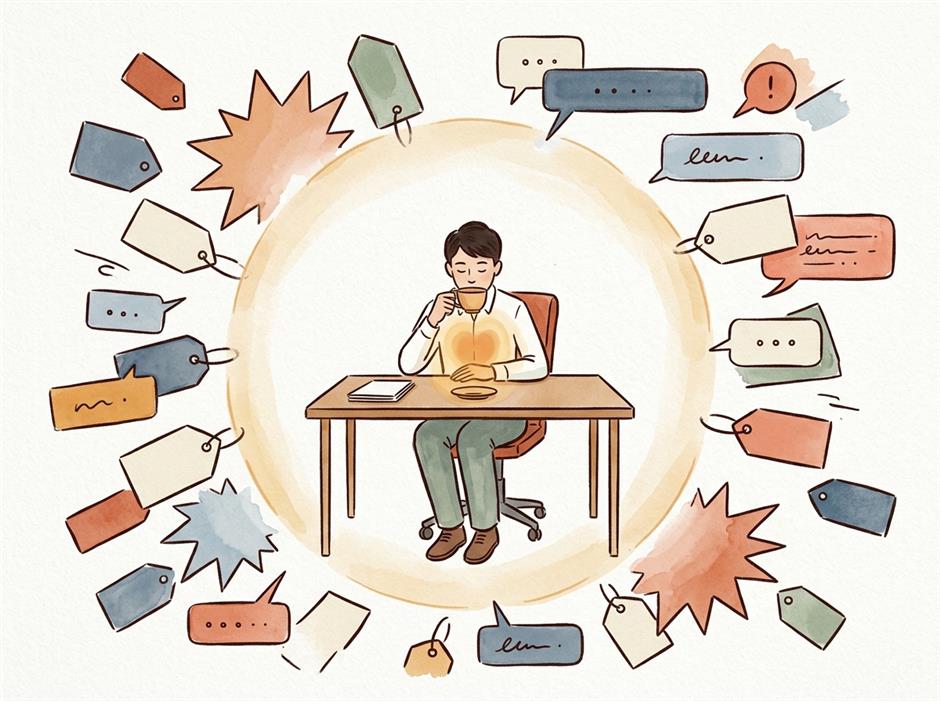
Media commentators say the meme struck a nerve because it captures a widespread fatigue with cutthroat price wars, algorithmic gimmicks, and aggressive marketing. In a consumer landscape crowded with rock-bottom discounts and skepticism over "shortcuts," people are increasingly willing to pay a modest premium for peace of mind.
In a November 21 commentary, Economic Daily noted that micro-dramas are shifting away from pure shock value and dopamine-driven plot twists toward stories grounded in fairness and everyday trust. Algorithms may push the traffic, the paper argued, but viewers still decide what actually resonates.
Yet the craze has also spotlighted the growing pains of China's booming AI content industry. According to figures cited by People's Daily, more than 430,000 micro-dramas were released in China in the first eight months of 2026, with AI-generated titles accounting for over 90 percent.
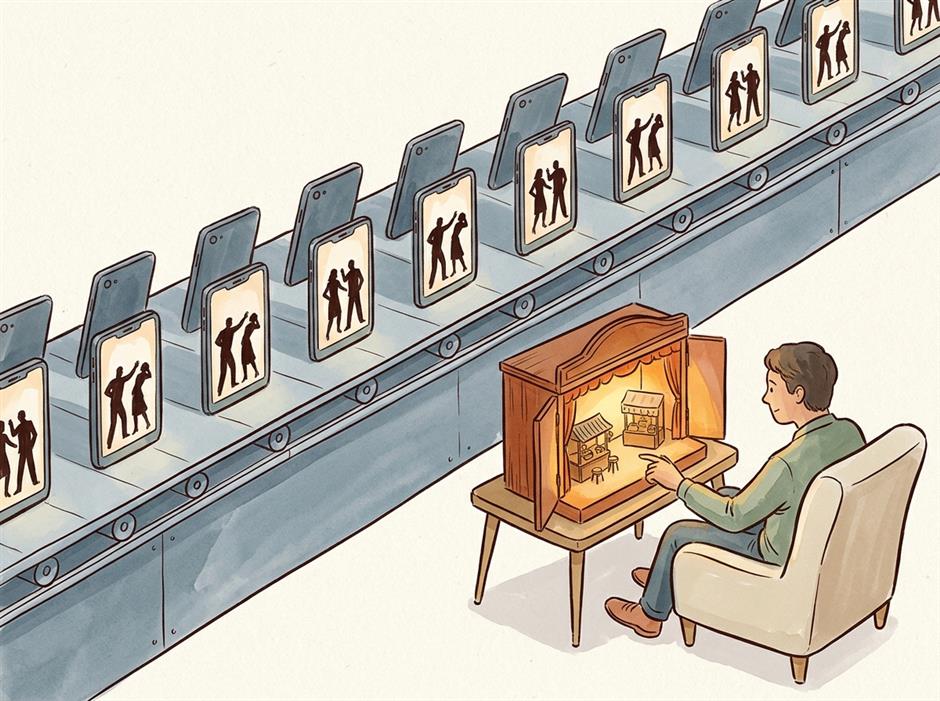
On November 26, People's Daily published a commentary criticizing the sector's rush for quick monetization, noting that recycled digital faces, repetitive templates, and unauthorized AI face-swapping have left many shows feeling hollow. Technology can mass-produce formats, the paper warned, but it cannot substitute for genuine storytelling.
Meanwhile, health outlets–including CCTV's online portal and People's Daily Health–have chimed in with a gentle reality check: medically speaking, heartburn is caused by acid reflux rather than moral character or ingredient prices alone.
Still, for millions of Chinese netizens joking their way through a high-pressure economy, the appeal of bu shaoxin has little to do with gastroenterology. It is simply the rarest luxury of modern life: knowing you aren't being played.
Editor: Zhu Ying
In Case You Missed It...
 Nov 19, 2026