Autumn Danger: Plant Spines That Hurt the Eyes

A food‑delivery rider in Shanghai ended up with nearly 100 tiny barbed spines embedded in his left eye after being hit by a gust of wind. Ophthalmologists warn that such eye injuries see a sharp rise in autumn, especially on windy days.
A few days before, the man was out making deliveries. On that windy day, he felt something foreign enter his left eye and instinctively rubbed it. Rather than easing the irritation, rubbing brought on sharp stabbing pain and excessive tearing.
He returned home and repeatedly rinsed his eye with tap water, yet his symptoms failed to improve. Hoping sleep would resolve the problem, he instead endured worsening pain through the night. At 1am, he rushed to the Ophthalmology Emergency Department of Shanghai Tongji Hospital.
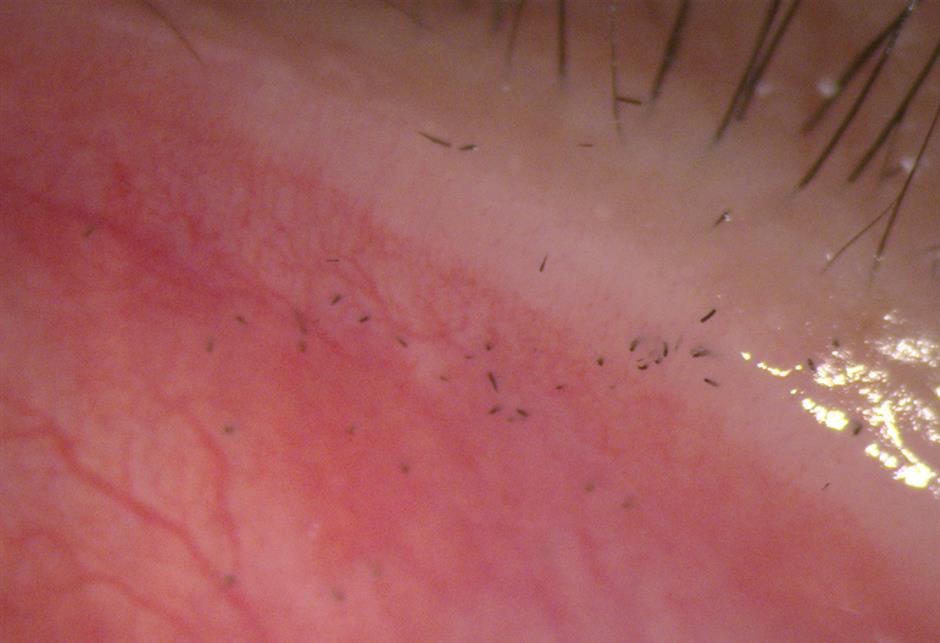
On‑duty physicians Dr Zhang Juan and Dr Shao Yuting were alarmed by what they found during examination. Dozens of black, spine‑like foreign bodies were lodged throughout the patient's left eye. Many spines had penetrated deep into the ocular tissue, accompanied by significant conjunctival congestion.
Given the large volume of foreign material, outpatient extraction was not practical. The patient underwent emergency surgery to remove all the spines, estimated to number close to 100 in total.
Under magnification, the spines revealed a highly hazardous structure. Hook‑shaped with sharp tips and rows of barbs along their shafts, they resembled fishing hooks.
These barbs allow the spines to catch onto the eye tissue once they get inside. Rubbing only drives them further inward. "Rubbing the eye or attempting home rinsing after injury can push surface‑level foreign bodies deeper into ocular tissues," explained Dr Zhang.
Based on morphological observations, doctors believe the spines are of plant origin – most likely fruit thorns or seed hairs dispersed by autumn winds. Similar cases are frequently reported around Shanghai in autumn, nearly all associated with strong gusts.
September and October are the season when many plants ripen and release their seeds. Hooked thorns, surface hairs and grass awns from mature fruits and seeds break off and drift in the wind. In calm conditions, they may stick to trouser cuffs or shoelaces, but strong winds can blow them straight into people's eyes.
High‑risk groups
Clinical data show the following groups are at elevated risk:
- Cyclists and e‑scooter commuters: Traveling at speed, they are more susceptible to wind‑blown particles hitting their eyes.
- Outdoor workers: Sanitation crews, gardeners, construction workers and harvest‑season farm laborers, who spend long hours near roads, wastelands and grassy areas.
- Autumn hikers and campers: Barbed plants are abundant in autumn outdoor settings. Children playing in grass are particularly vulnerable.

First‑aid guidance for eye exposure to such debris
- Do NOT rub your eye, and never try to extract foreign bodies on your own. Rubbing, or using fingers, cotton swabs or tweezers, can aggravate tissue damage and push spines deeper.
- Perform gentle eye irrigation. Rinse the eye with clean lukewarm water or normal saline for roughly one minute. Hold the upper and lower eyelids open, and let water flow from the inner to outer corner of the eye. Keep movements gentle and avoid any rubbing.
- Seek immediate ophthalmological care if pain or foreign‑body sensation remains after irrigation. Inform clinicians about the circumstances of injury, including the time of exposure and surrounding conditions (windy weather, cycling, nearby grassland). This helps doctors identify the foreign‑body type and choose appropriate management.
Professor Bi Yanlong, director of Ophthalmology at Shanghai Tongji Hospital, recommends that cyclists and e‑scooter commuters wear protective or wind‑resistant goggles on windy autumn days. Outdoor laborers, gardeners and farm workers should also take adequate eye protection. Following treatment for plant‑spine eye injuries, patients must attend scheduled follow‑up appointments as advised to avoid chronic inflammation triggered by residual tiny spine fragments.
Hospitals recommended for eye problems:
[SH Health Directory] EYE & ENT Hospital of Fudan University
[SH Health Directory] Tongji Hospital
[SH Health Directory] Shanghai Eye Disease Prevention and Treatment Center
Editor: Fu Rong
In Case You Missed It...

 Nov 10, 2026